Is Betta Fish Hardy

Is betta fish hardy? Yes, betta fish are known for their incredible resilience and ability to survive tough conditions. However, their hardiness has limits. In this guide, you will learn what makes bettas tough, what threatens their health, and how to keep your betta thriving for years to come.
Betta fish are some of the most popular pets in the world. Part of their popularity comes from their reputation for being tough. But is betta fish really as hardy as people think? The answer is both yes and no. Bettas have impressive survival instincts, but they still need proper care to truly thrive.
In this guide, we will break down everything about betta fish hardiness. You will learn what makes these fish so resilient, what can weaken their toughness, and the best ways to keep your betta healthy and strong. Whether you are a new betta owner or a seasoned hobbyist, this article has something valuable for you.
Key Takeaways
- Betta fish are naturally tough: Betta splendens evolved to survive in warm, shallow waters with low oxygen, giving them strong survival instincts.
- Tank conditions matter: Even hardy bettas need clean water, proper temperature, and a suitable tank to stay healthy.
- Diet plays a big role: A varied, high-quality diet strengthens a betta fish immune system and overall hardiness.
- Stress weakens bettas: Aggressive tank mates, sudden water changes, and cramped spaces can quickly erode a betta’s resilience.
- Early signs matter: Catching health problems early is the best way to protect your betta and support fast recovery.
- Hardy does not mean invincible: Bettas can fight off many issues, but poor care will always catch up with them eventually.
📑 Table of Contents
- What Does It Mean for a Betta Fish to Be Hardy?
- The History of Betta Fish and Their Natural Toughness
- Factors That Affect Betta Fish Hardiness
- Common Health Issues That Challenge Betta Fish
- How to Keep Your Betta Fish Hardy and Healthy
- Signs Your Betta Fish Is Not Doing Well
- The Role of Stress in Betta Fish Hardiness
- Conclusion
What Does It Mean for a Betta Fish to Be Hardy?
When we say a fish is hardy, we mean it can survive stress, adapt to changing conditions, and bounce back from health challenges. Betta fish certainly fit this description. They are known for their ability to live in small spaces, survive in warm ponds, and even recover from injuries.
Their scientific name, Betta splendens, tells a story of survival. These fish evolved in the shallow, warm waters of Southeast Asia. They developed a special organ called the labyrinth organ, which lets them breathe air from the surface. This adaptation makes them incredibly tough compared to most freshwater fish.
Why the Labyrinth Organ Matters
Most fish rely entirely on their gills. If the water quality drops, they suffer quickly. Bettas, however, can gulp air from above the water line. This gives them a backup breathing system. It is one of the main reasons betta fish resilience is so high compared to other species.
This unique trait means a betta can survive in water that would be deadly for many other fish. But make no mistake, this does not mean they thrive in poor conditions. They survive, but they do best in well-maintained environments.
Are Betta Fish Naturally Tough?
If you want to know more about their natural resilience, check out our deep dive on are betta hardy fish for a closer look at their survival traits.
In the wild, bettas face predators, temperature swings, and food shortages. They have developed aggressive instincts and strong fighting behavior. This is why they are called fighting fish. Their toughness is not just physical, it is also behavioral. They refuse to give up easily, which is both a strength and a potential problem in captivity.
The History of Betta Fish and Their Natural Toughness
Betta fish have a long and fascinating history. For centuries, people in Southeast Asia kept them for fighting. This practice selected for the toughest, most aggressive fish. Over time, the ones that survived were bred together, creating the strong, resilient fish we know today.
Thai fish fighters would test their bettas in matches. A fish that could fight for hours without tiring was considered a winner. This breeding history is a huge reason why betta fish toughness runs so deep in their DNA. Even today, a well-cared-for betta can live 3 to 5 years, and some reach 7 or more. Understanding what is the lifespan of betta fish helps you see how their hardiness directly contributes to their longevity.
From the Wild to the Aquarium
When bettas were first introduced to the Western world, people were amazed at how easily they adapted to new environments. They could survive shipping, temperature changes, and unfamiliar water. This adaptability made them a favorite among fish keepers who wanted something hard to kill.
Today, bettas are bred in many colors and fin types. While some of these bred varieties are less hardy than wild-type bettas, they still carry the core survival traits of their ancestors. Choosing the best tank for betta fish is one of the most important steps in keeping their natural resilience strong.
Factors That Affect Betta Fish Hardiness
Even the toughest fish can be weakened by poor conditions. Several key factors determine how hardy your betta will be throughout its life. Let us look at the biggest ones.
Water Quality and Parameters
Water is everything for a betta fish. Clean, warm water with the right pH keeps them strong. Here are the ideal parameters:
- Temperature: 76 to 82 degrees Fahrenheit
- pH: 6.5 to 7.5
- Ammonia: 0 ppm
- Nitrite: 0 ppm
- Nitrate: Below 20 ppm
Even a hardy betta will struggle if these numbers swing wildly. Regular water testing and partial water changes are essential. For more details on ideal conditions, see our guide on what is the ideal temperature for betta fish.
Diet and Nutrition
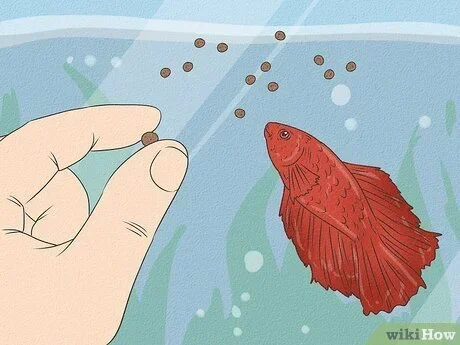
A strong diet builds a strong fish. Bettas are carnivores, meaning they need protein-rich food. High-quality pellets, frozen bloodworms, and live brine shrimp all contribute to a betta fish immune system that can fight off illness.
Feeding the same food every day can lead to nutritional gaps. Try rotating their diet every few days. This mimics what they would eat in the wild and keeps them both healthy and active.
Tank Size and Environment
Contrary to popular belief, bettas do well in larger tanks. A 5-gallon tank or bigger gives them room to swim and explore. Cramped spaces cause stress, and stress weakens betta fish hardiness. A well-planted tank with hiding spots makes a betta feel safe and secure.
Comparison: Wild Betta vs Captive Betta Hardiness
| Factor | Wild Betta | Captive Betta |
|---|---|---|
| Water Quality | Natural filtration, warm ponds | Depends on owner maintenance |
| Food Supply | Hunting, varied diet | Relies on provided meals |
| Threats | Predators, parasites | Tank mates, poor water |
| Lifespan | 2-3 years on average | 3-5 years with good care |
| Stress Level | High from predators | Low to moderate in good setups |
Common Health Issues That Challenge Betta Fish
Even though bettas are tough, they are not immune to health problems. Understanding these issues is key to protecting your fish. If you are ever unsure about your betta, check our guide on is my betta fish sick for helpful signs to watch for.
Fin Rot and Tail Damage
Fin rot is one of the most common problems. It is caused by bacteria and often starts at the edges of the fins. You may notice the fins looking ragged or discolored. Betta fish recovery from fin rot is possible if caught early. Clean water and antibacterial treatment usually do the trick.
Tail ripping can happen from sharp decorations or aggressive tank mates. A betta’s tail can grow back, but it takes time and excellent water conditions.
Swim Bladder Disorder
This condition affects a betta’s ability to float or sink properly. Overfeeding is the most common cause. Reducing food intake and fasting your betta for a day often resolves the issue. This is a clear example of how even hardy bettas can be affected by simple care mistakes.
Fungal Infections
Fungus appears as white or gray patches on the body. It usually attacks fish with weakened immune systems. Keeping water clean and providing a varied diet helps prevent outbreaks. A strong betta fish immune system is your best defense against fungal infections.
Parasites and External Worms
Parasites like anchor worms or ich can be serious. Ich, also known as white spot disease, causes tiny white dots all over the body. It is highly contagious but easily treated with medication. Quarantine new fish before adding them to your tank to prevent spread.
How to Keep Your Betta Fish Hardy and Healthy
Keeping your betta hardy is all about consistent, good care. Here are practical steps you can take today to boost your betta’s resilience.
1. Maintain a Consistent Tank Routine
Bettas hate sudden changes. Test your water weekly, do partial water changes every two weeks, and keep the temperature stable. A consistent routine reduces stress and supports long-term betta fish health.
2. Feed High-Quality Food
Choose pellets made specifically for bettas. Supplement with frozen or live foods a few times a week. Avoid overfeeding, as uneaten food pollutes the water. A clean tank and a good diet go hand in hand.
3. Choose Compatible Tank Mates
Bettas can be territorial. Aggressive tank mates cause constant stress, which wears down their betta fish resilience. Peaceful species like corydoras, snails, or small tetras make better companions. For more ideas, explore our article on what fish is compatible with a male betta.
4. Provide Enrichment and Hiding Spots
A bored betta is a stressed betta. Add plants, caves, and decorations to create a stimulating environment. Live plants are especially good because they improve water quality and give your betta something to explore.
Quick Tips for a Hardy Betta
- Keep the tank temperature between 78 and 80 degrees Fahrenheit at all times.
- Do not place the tank near windows or heating vents.
- Feed small amounts twice a day instead of one large meal.
- Always quarantine new fish before introducing them to your betta.
- Watch for behavioral changes, they are often the first sign of trouble.
Common Mistakes That Weaken Betta Hardiness
Even experienced keepers can make mistakes. Here are the most common ones that hurt a betta’s toughness:
- Keeping bettas in tiny bowls: A 1-gallon bowl is not enough space. It leads to stress and poor water quality.
- Skipping water changes: Dirty water weakens the immune system fast. Do not wait until the water looks bad.
- Overcrowding the tank: Too many fish create waste and aggression. Keep your betta as the main focus.
- Ignoring temperature needs: Cold water slows a betta’s metabolism and makes them vulnerable to disease.
- Buying from unreliable sources: Pet stores often keep bettas in poor conditions. Always inspect before buying.
Expert Insights on Betta Hardiness
Aquarium experts agree that betta fish are among the most resilient freshwater species. However, they also stress that hardiness should never be used as an excuse for neglect. A betta can survive bad conditions, but it will not thrive. The goal is always to push toward thriving, not just surviving. For more on this topic, you can read our full article on are betta hardy fish for expert-level advice.
Signs Your Betta Fish Is Not Doing Well
Even the toughest betta will show warning signs when something is wrong. Catching these signs early can make the difference between a quick betta fish recovery and a serious health crisis. If you notice any of these, take action immediately.
Behavioral Warning Signs
- Clamped fins: Fins held close to the body signal stress or illness.
- Loss of appetite: Skipping meals for more than a day is a red flag.
- Lethargy: A betta that stops swimming and hides constantly is not well.
- Pacing or glass surfing: Swimming frantically along the glass often means something is wrong.
- Gasping at the surface: This can mean poor oxygen levels or water contamination.
Physical Warning Signs
- Discoloration: Fading colors or dark patches can indicate disease.
- White spots: These are often a sign of ich or parasites.
- Ragged fins: Torn or decaying fins need prompt treatment.
- Swollen body: Bloating can be a sign of constipation or more serious internal issues.
- Visible worms or spots: External parasites are easy to spot if you look closely.
Being observant is one of the best tools you have as a betta owner. A hardy betta fish might hide illness until it is advanced, so daily observation is critical. If your betta is showing concerning symptoms, our article on why is my betta fish curled up can help you identify specific postural warning signs.
The Role of Stress in Betta Fish Hardiness
Stress is the silent killer of betta fish. Even the most resilient betta can be worn down by chronic stress. Understanding what causes stress is the first step to preventing it.
Common Stressors for Betta Fish
- Aggressive tank mates: Fin nippers and territorial fish cause constant anxiety.
- Sudden water changes: Large water changes shock the system. Always match temperature and pH when changing water.
- Bright lighting: Bettas prefer dimmer environments. Harsh lights cause stress and discomfort.
- Noise and vibrations: Placing a tank near a TV or speaker can bother your fish more than you think.
- Inconsistent schedules: Irregular feeding and maintenance times create an unstable environment.
How to Reduce Stress and Boost Resilience
Once you remove stressors, your betta’s betta fish survival instincts kick in. Here are proven ways to create a low-stress environment:
- Keep the tank in a quiet area of your home.
- Use a timer for lights, so they turn on and off at the same time every day.
- Add soft plants and caves for hiding.
- Stick to a consistent feeding and maintenance schedule.
- Monitor water parameters at least once a week.
A stress-free betta is a hardy betta. The connection between mental well-being and physical health is strong in fish, just as it is in other animals. Reducing stress is one of the most underrated but powerful ways to support your betta’s natural toughness.
Conclusion
So, is betta fish hardy? Absolutely. Betta splendens are among the most resilient freshwater fish you can keep. Their labyrinth organ, fighting heritage, and strong survival instincts make them natural survivors. But hardiness is not a free pass to neglect. The best betta fish care combines their natural toughness with clean water, proper diet, and a stress-free environment.
Use the tips in this guide to keep your betta strong and healthy for years. Watch for warning signs, fix problems early, and always aim for thriving, not just surviving. Your betta deserves the best, and with the right care, a hardy betta fish will reward you with vibrant color, active behavior, and a personality that fills your room with joy.
Frequently Asked Questions
Is betta fish hardy enough to survive in a bowl?
While bettas can survive in bowls, it is not ideal. Bowls do not hold enough water, and temperature and pH can swing quickly. A 5-gallon tank or larger is much better for keeping your betta truly hardy and healthy over the long term.
How do I know if my betta fish is hardy or just surviving?
A hardy betta actively swims, has bright colors, eats eagerly, and spreads its fins wide. A betta that is just surviving may look dull, hide constantly, and refuse food. Active behavior and good color are strong signs of real hardiness.
Can a hardy betta fish recover from fin rot on its own?
Mild fin rot can improve with clean water and good nutrition. However, most cases need antibacterial treatment to fully heal. The sooner you act, the better the chances for complete betta fish recovery.
Does temperature affect how hardy a betta fish is?
Yes, temperature plays a huge role. Cold water weakens a betta immune system and slows their metabolism. Keeping the water between 76 and 82 degrees Fahrenheit supports their natural betta fish hardiness and overall vitality.
Are male or female betta fish hardier?
Generally, male bettas are slightly more aggressive and resilient due to their fighting heritage. However, female bettas can be just as hardy with proper care. Both sexes benefit equally from clean water, good food, and a low-stress environment.
What is the most important factor in keeping a betta fish hardy?
Consistent water quality is the single most important factor. Regular testing, partial water changes, and stable temperature do more for your betta’s resilience than any other single care choice. Everything else builds on this foundation.