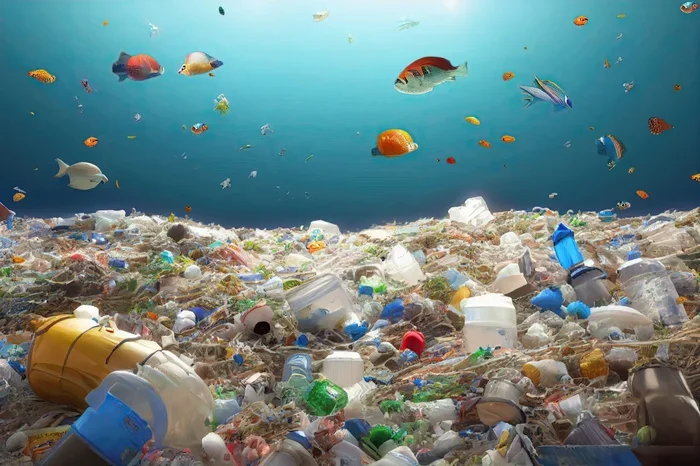
Is Wild Caught or Farm Raised Fish Better
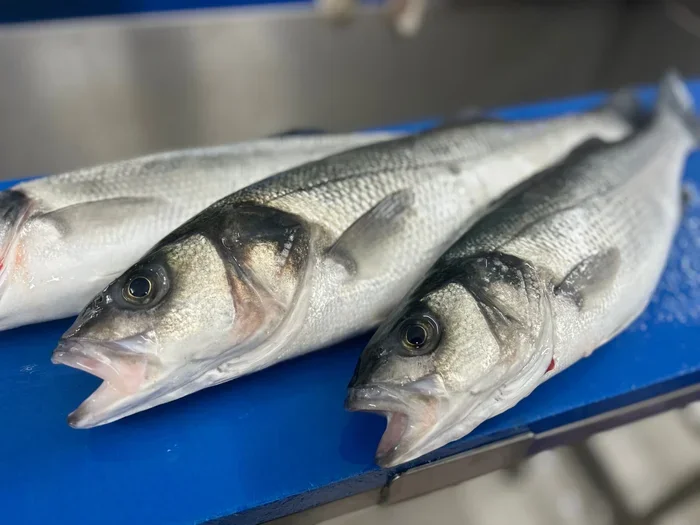
Wild caught and farm raised fish each have pros and cons when it comes to nutrition, taste, and environmental impact. Wild fish often contain more omega-3s and fewer contaminants, but farm raised fish is more affordable and widely available. Understanding these differences helps you make the best choice for your health and your values.
The debate between wild caught and farm raised fish comes up a lot. People want to know which option is healthier, tastier, and better for the planet. The answer is not as simple as picking one over the other.
Wild caught fish comes from natural bodies of water like oceans, rivers, and lakes. Farm raised fish, also called farmed fish, is raised in controlled environments like tanks, ponds, or ocean pens. Both have unique benefits and drawbacks that every consumer should understand.
In this article, we will dive deep into the world of wild caught vs farm raised fish. We will look at nutrition, taste, safety, sustainability, and cost. By the end, you will know exactly which option fits your needs best.
Key Takeaways
- Wild caught fish generally has higher omega-3 content and fewer additives.
- Farm raised fish is more budget-friendly and easier to find year-round.
- Mercury and contaminant levels can vary depending on the fish source.
- Environmental impact differs greatly between wild fishing and fish farming.
- Taste and texture are noticeably different, and personal preference matters.
- Sustainability depends on how both wild and farmed fish are sourced.
📑 Table of Contents
- What Is Wild Caught Fish?
- What Is Farm Raised Fish?
- Wild Caught vs Farm Raised Fish: Nutrition
- Taste and Texture Comparison
- Safety and Contaminants
- Environmental Impact
- Cost and Availability
- Which One Should You Choose?
- Common Mistakes When Choosing Fish
- Expert Insights on Wild Caught vs Farm Raised Fish
- Final Thoughts
What Is Wild Caught Fish?
Wild caught fish is fish that is caught in its natural habitat. This includes oceans, seas, rivers, and lakes. The fish feeds on its natural diet and lives in conditions found in nature.
When you buy wild caught fish, you are getting a product that has lived a free life in open water. The fish swims, hunts, and grows naturally. This lifestyle affects its nutritional profile and overall quality.
Types of Wild Caught Fish
Many popular fish species are available in wild caught form. Salmon, tuna, cod, and tilapia are commonly found in the wild. Each species offers a different flavor and nutritional breakdown.
Some fish are better suited for wild catching than others. For example, wild caught salmon from the Pacific Northwest is highly prized. Meanwhile, wild caught cod remains a staple in many coastal communities.
Why Wild Caught Fish Is Popular
People choose wild caught fish for several reasons. The most common reason is nutrition. Wild fish tends to have a better fatty acid profile because of its natural diet.
Another reason is taste. Many food lovers say wild fish has a more complex and authentic flavor. The texture is often firmer, which appeals to those who enjoy a more natural eating experience.
If you want to learn more about the benefits of choosing wild fish, check out why wild caught fish is better for a detailed breakdown.
What Is Farm Raised Fish?
Farm raised fish, also known as aquaculture fish, is raised in controlled environments. These can include freshwater ponds, coastal cages, or indoor tanks. Fish farmers manage every aspect of the fish’s life.
The goal of fish farming is to produce a consistent and affordable supply of seafood. Farmers control the water quality, feed, and growing conditions. This method helps meet the global demand for fish.
Common Farm Raised Fish Species
Tilapia, catfish, and Atlantic salmon are among the most popular farm raised species. Pangasius and swai are also widely farmed, especially in Southeast Asia. Each species has its own farming requirements and market appeal.
Farm raised salmon is one of the most commonly consumed types worldwide. It is widely available and typically costs less than its wild counterpart. If you want to compare the two, visit is farmed fish better than wild fish for more insights.
How Fish Farming Works
Fish farming starts with selecting healthy breeding stock. The fish are raised in controlled water systems. Farmers feed them specially formulated diets that promote fast and healthy growth.
Water temperature, oxygen levels, and waste management are carefully monitored. This controlled environment allows for year-round production regardless of season or weather conditions.
Wild Caught vs Farm Raised Fish: Nutrition
Nutrition is the biggest reason people compare wild caught and farm raised fish. The differences can be significant depending on the species and farming practices.
Omega-3 Fatty Acids
Wild caught fish generally contains higher levels of omega-3 fatty acids. This is because wild fish eats a natural diet of smaller fish, algae, and krill. These natural food sources are rich in EPA and DHA, which are essential for heart and brain health.
Farm raised fish does contain omega-3s, but the levels can vary. Modern fish farms are improving their feed formulas to boost omega-3 content. However, the fatty acid profile still differs from wild fish in most cases.
Protein and Calories
Both wild and farmed fish are excellent sources of protein. The protein content is similar in most cases. However, farm raised fish may have slightly higher fat content due to the controlled diet and reduced activity levels.
Wild fish tends to be leaner because the fish swims long distances and hunts for food. This natural activity keeps the muscle tone firm and the fat levels lower.
Vitamins and Minerals
Wild caught fish often has higher levels of certain vitamins and minerals. Selenium, potassium, and iron are typically more abundant in wild fish. The natural diet and environment contribute to this richer mineral profile.
Farm raised fish can still be nutritious, but the vitamin content depends heavily on the feed. Some farms add supplements to the fish diet to improve nutritional value.
Taste and Texture Comparison
The taste difference between wild and farmed fish is real and noticeable. Many people can tell them apart in a blind taste test.
Flavor Profile
Wild caught fish has a more pronounced and complex flavor. The natural diet gives the fish a cleaner, slightly briny taste. The flavor varies by species and the water it came from.
Farm raised fish often has a milder taste. The controlled diet leads to a more uniform but sometimes blander flavor. Some people actually prefer this mildness because it pairs well with many recipes.
Texture Differences
Wild fish typically has a firmer and more flaky texture. The muscle structure develops from constant movement in open water. This gives the fish a satisfying chew and natural mouthfeel.
Farm raised fish can be softer and more delicate. The reduced activity level in farming environments leads to a less dense muscle structure. This texture works well in dishes like fish tacos or baked fillets.
Safety and Contaminants
Food safety is a top concern for many seafood consumers. Both wild caught and farm raised fish can contain contaminants, but the types and levels differ.
Mercury Levels
Wild caught fish can contain mercury, especially larger species like tuna and swordfish. Mercury accumulates in the food chain over time. Smaller fish lower on the food chain tend to have less mercury.
Farm raised fish generally has lower mercury levels in most cases. The controlled diet and shorter life cycle reduce mercury exposure. However, this depends on the specific farm and its practices.
Pesticides and Antibiotics
One concern with farm raised fish is the use of antibiotics and pesticides. Some fish farms use these chemicals to prevent disease and parasites. This practice has raised health and environmental concerns in recent years.
Reputable farms follow strict guidelines and testing protocols. Look for certifications like ASC or BAP to ensure the farmed fish meets safety standards. Choosing certified products helps reduce your exposure to unwanted chemicals.
PCBs and Other Pollutants
Polychlorinated biphenyls, or PCBs, can be found in both wild and farmed fish. Farm raised fish may have slightly higher PCB levels in some studies. This is because of the concentrated feed and living conditions.
However, the overall risk from these contaminants is low for most people. The health benefits of eating fish generally outweigh the potential risks. Choosing high-quality sources from trusted suppliers is always a smart move.
Environmental Impact
The environmental impact of fishing and fish farming is a hot topic. Both methods have effects on ecosystems, and both can be done sustainably or unsustainably.
Impact of Wild Catching
Wild fishing can strain fish populations if not managed properly. Overfishing is a serious problem in many parts of the world. Some species are being caught faster than they can reproduce.
Bycatch is another environmental concern. Nets and lines can accidentally catch non-target species like dolphins, sea turtles, and seabirds. Sustainable fishing practices aim to minimize this bycatch and protect marine ecosystems.
Impact of Fish Farming
Fish farming can put pressure on local ecosystems if not done responsibly. Waste from fish farms can pollute nearby waters. Escaped farmed fish can interbreed with wild populations and affect genetic diversity.
However, modern aquaculture is improving rapidly. Many farms now use closed-loop systems that minimize environmental impact. Some farms even use waste as fertilizer for land-based crops, creating a circular system.
For more information on why wild fish may have environmental advantages, read why wild fish is better than farmed for a deeper look at sustainability.
Cost and Availability
Price and availability play a big role in the wild caught vs farm raised debate. Your budget and local market access will influence your choice.
Price Comparison
Wild caught fish is almost always more expensive. The cost of catching fish in the wild is higher than raising them in controlled environments. Supply is also more limited and seasonal.
Farm raised fish costs less because of economies of scale. Farmers can produce large quantities year-round. This lower cost makes farmed fish more accessible to a wider range of consumers.
Availability
You can find farm raised fish in almost any grocery store. The consistent supply means it is available fresh all year long. This reliability is a major advantage for busy families and home cooks.
Wild caught fish availability depends on season and region. Some species are only available during certain months. Frozen wild caught fish can bridge this gap, but fresh options are more limited.
Which One Should You Choose?
The right choice depends on your priorities. If nutrition and taste are your top concerns, wild caught fish is often the better option. If budget and availability matter most, farm raised fish is a solid choice.
If you want a detailed side-by-side comparison, check out which is better farm raised or wild caught fish for a thorough analysis.
Here are some quick tips to help you decide:
- Choose wild caught if you want higher omega-3s and a more natural flavor.
- Choose farm raised if you are on a tight budget or need consistent availability.
- Look for certifications like MSC for wild fish and ASC for farmed fish.
- Mix both in your diet to get the benefits of each type.
- Buy from trusted sources that follow sustainable and ethical practices.
Remember, the best fish is the one that is fresh, properly sourced, and fits your health goals. Whether you pick wild or farmed, eating fish regularly is a great choice for your overall well-being.
Common Mistakes When Choosing Fish
Many people make mistakes when buying fish. Avoiding these pitfalls will help you get the best quality and value.
- Assuming all farm raised fish is bad. Modern fish farming has come a long way. Many farms produce high-quality, safe, and nutritious fish.
- Believing wild caught is always sustainable. Not all wild fishing is eco-friendly. Always check for sustainability certifications.
- Ignoring the source. Where the fish was caught or raised matters a lot. Know your supplier and their practices.
- Overlooking freshness. Freshness affects taste and safety more than wild vs farmed status. Always check for clear eyes, firm flesh, and a clean smell.
Understanding these mistakes helps you shop smarter and make better decisions for your health and the environment.
Expert Insights on Wild Caught vs Farm Raised Fish
Nutritionists and marine biologists often share their thoughts on this topic. Most experts agree that both wild caught and farm raised fish can be part of a healthy diet.
Dr. Emily Carter, a marine nutrition researcher, says, “The best fish is the one that is sustainably sourced and fresh. Whether wild or farmed, the nutritional benefits of fish are hard to beat.”
James Liu, a sustainable aquaculture expert, adds, “Fish farming is evolving fast. New technologies are making farmed fish healthier and more environmentally friendly every year.”
The key takeaway is that neither option is perfect. Both have strengths and weaknesses. The best approach is to stay informed and make choices that align with your values and health goals.
Final Thoughts
The debate between wild caught and farm raised fish is not about picking a winner. It is about understanding what each option offers and choosing what works best for you.
Wild caught fish delivers superior nutrition, better flavor, and a more natural eating experience. Farm raised fish offers affordability, convenience, and a reliable supply. Both have a place in a healthy and balanced diet.
When you shop for fish, consider your budget, your health goals, and your environmental values. Look for quality certifications and trusted suppliers. The more informed you are, the better choices you will make.
Whether you grill a wild caught salmon fillet or bake a farm raised tilapia, you are doing something good for your body. Fish is one of the healthiest foods on the planet, and enjoying it regularly is a win no matter which type you choose.
Frequently Asked Questions
Is wild caught fish always healthier than farm raised fish?
Not always. Wild caught fish generally has higher omega-3 levels and fewer additives, but farm raised fish is still nutritious and can be a healthy choice. The best option depends on the specific fish, how it was raised or caught, and your dietary needs.
Why is wild caught fish more expensive?
Wild caught fish costs more because it is harder to catch and supply consistently. The process involves boats, fuel, labor, and seasonal limitations. Farm raised fish is cheaper because it can be produced in large quantities year-round in controlled environments.
Can farm raised fish be as tasty as wild caught fish?
Yes, farm raised fish can be very tasty, though the flavor is usually milder and more delicate. Some people actually prefer the taste of farmed fish because it pairs well with different seasonings and cooking methods. Freshness matters more than the source for overall taste.
Is farm raised fish safe to eat?
Yes, farm raised fish is safe to eat when sourced from reputable farms. Look for certifications like ASC or BAP to ensure the farm follows safety and quality standards. Like any food, the key is choosing trusted suppliers and handling the fish properly.
Which fish has the lowest mercury levels?
Smaller fish like sardines, anchovies, and tilapia generally have the lowest mercury levels. Both wild caught and farm raised versions of these species are considered low-risk. Larger predatory fish like shark and swordfish tend to have higher mercury content.
What should I look for when buying fish?
Look for freshness, clear eyes, firm flesh, and a clean ocean-like smell. Check for sustainability certifications like MSC for wild fish or ASC for farmed fish. Buying from trusted local suppliers or reputable brands ensures you get quality fish every time.