Is Vitamin D Better from Fish or Lanolin
When you ask is vitamin d better from fish or lanolin, the answer depends on your dietary needs, values, and how your body absorbs each form. Lanolin-based vitamin D3 is the most common and effective option, closely mimicking the type your skin produces naturally from sunlight. Fish-derived vitamin D3 offers a potent alternative for those who prefer animal-based sources, but it may not suit vegetarians or people with seafood sensitivities.
Key Takeaways
- Fish-derived D3 is the most bioavailable: naturally effective for raising blood levels.
- Lanolin-based D3 is a vegan-friendly alternative: delivers excellent absorption without animal ingredients.
- Both sources provide identical D3 molecules: effectiveness depends on dosage and individual absorption.
- Choose third-party tested supplements: ensure purity, potency, and freedom from contaminants.
- Consult your healthcare provider first: determine your ideal daily dosage safely.
- Consistency matters more than the source: take your D3 supplement daily for best results.
📑 Table of Contents
What Is Vitamin D and Why Does It Matter?
Vitamin D is a fat-soluble vitamin that plays a huge role in keeping your body healthy. It helps your bones stay strong, supports your immune system, and even affects your mood. Without enough of it, you may feel tired, achy, or more prone to getting sick.
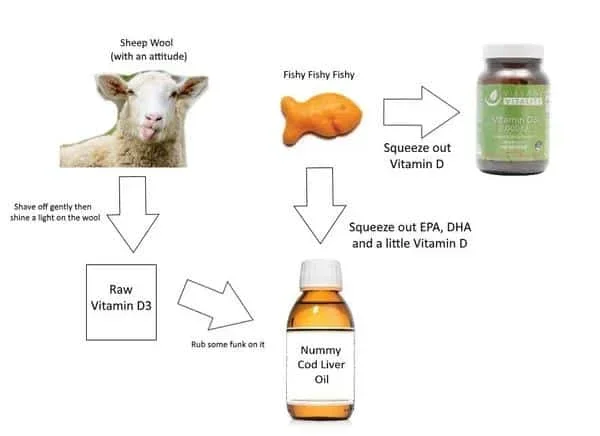
But here is the real question: where should your vitamin D come from? Two of the most common sources are fish and lanolin. Fish naturally contains vitamin D, especially fatty types like salmon and mackerel. Lanolin, on the other hand, is a waxy substance from sheep’s wool that is used to make vitamin D supplements.
Both sources provide vitamin D3, which is the form your body uses most effectively. But that does not mean they are the same. The way they are sourced, processed, and absorbed can differ quite a bit. In this article, we will break down the differences so you can make a smart choice for your health.
Vitamin D from Fish: What You Need to Know
Natural Food Sources of Vitamin D
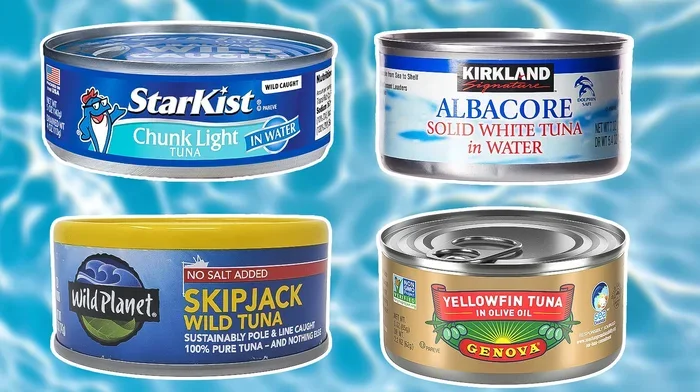
Fish is one of the best natural sources of vitamin D available. Fatty fish like salmon, sardines, mackerel, and tuna are packed with this essential nutrient. A single serving of cooked salmon can provide over 70% of your daily vitamin D needs.
Other fish that contain good amounts of vitamin D include:
- Herring and sardines
- Canned tuna
- Cod liver oil
- Trout
- Anchovies
What makes fish so appealing is that it comes in a whole food form. You are not just getting vitamin D. You are also getting omega-3 fatty acids, protein, and other nutrients that work together to support your health. This is often called the “food matrix” effect, where nutrients work better together than in isolation.
Benefits of Getting Vitamin D from Fish
There are several reasons why vitamin D from fish is a popular choice. First, it is a natural source. Your body recognizes and absorbs nutrients from whole foods more easily than synthetic ones. Second, fish provides a package of complementary nutrients that enhance overall health.
For example, the omega-3 fatty acids found in fish support heart and brain health. When you eat fish for vitamin D, you get a two-for-one benefit. This is something a standalone supplement cannot always replicate.
However, there are downsides. Not everyone eats fish regularly. Some people have allergies or dietary restrictions. And depending on where the fish comes from, there can be concerns about mercury or other contaminants.
Vitamin D from Lanolin: The Supplement Route
What Is Lanolin and How Is It Used?
Lanolin is a natural wax found in sheep’s wool. It is widely used in skincare products, but it also serves as a key ingredient in many vitamin D3 supplements. When lanolin is exposed to ultraviolet light, it converts into cholecalciferol, which is vitamin D3.
This process creates a pure, concentrated form of vitamin D that is used in pills, liquids, and gummies. Most of the vitamin D3 supplements on the market today are derived from lanolin. It is the most common source used by supplement manufacturers.
Benefits of Lanolin-Based Vitamin D
The biggest advantage of lanolin-based vitamin D is convenience. You do not need to change your diet or eat fish every day. A simple capsule gives you a precise dose of vitamin D3 without any extra calories or prep work.
Lanolin-derived vitamin D is also highly bioavailable. This means your body can absorb and use it efficiently. Studies show that lanolin-based vitamin D3 raises blood levels of vitamin D just as effectively as the D3 found in food sources.
Another plus is consistency. The vitamin D content in a supplement is standardized and reliable. With fish, the amount can vary depending on the species, how it was raised, and how it was prepared.
Drawbacks to Consider
Lanolin is not for everyone. People who follow a strict vegan diet may avoid lanolin-based supplements since it comes from an animal source. There can also be rare allergies to lanolin, which may cause skin irritation or digestive discomfort.
Additionally, taking a supplement means you are missing out on the other nutrients that whole foods provide. A fish-based source gives you omega-3s, selenium, and B vitamins alongside vitamin D. A lanolin supplement gives you just the vitamin D alone.
Fish vs Lanolin: Head-to-Head Comparison
| Factor | Vitamin D from Fish | Vitamin D from Lanolin |
|---|---|---|
| Source | Fatty fish, cod liver oil | Sheep’s wool wax |
| Vitamin D Form | D3 (cholecalciferol) | D3 (cholecalciferol) |
| Bioavailability | High (with food matrix) | High (isolated D3) |
| Additional Nutrients | Omega-3, protein, selenium | None (standalone) |
| Convenience | Requires dietary changes | Easy to take daily |
| Dietary Suitability | Not vegan, some allergens | Not vegan, rare allergies |
| Purity Concerns | Mercury, contaminants possible | Highly purified and standardized |
| Cost | Varies by fish type | Affordable and widely available |
As you can see from the table, both sources have clear strengths. Fish offers a broader nutritional profile, while lanolin provides a clean, consistent dose of vitamin D3. Your best choice depends on your lifestyle, diet, and health goals.
For those interested in how fish oil supplements compare to other oil-based options, you might want to check out which is better fish oil or omega-3 for more insights.
Which Source Is Better for Your Health?
When Fish Is the Better Choice
If you enjoy eating fish a few times a week, getting your vitamin D from fish is a fantastic option. Whole food sources come with a complex of nutrients that work synergistically. Your body simply absorbs and uses them more effectively.
People who eat fish regularly also tend to have better heart health, lower inflammation, and improved brain function. The omega-3 fatty acids in fish complement vitamin D in powerful ways. Together, they support everything from joint health to mood regulation.
If you are looking for a food-first approach to nutrition, fish-based vitamin D is hard to beat. It is nature’s package, perfectly balanced and ready for your body to use.
When Lanolin Is the Better Choice
For people who do not eat fish often or at all, lanolin-based vitamin D supplements are a practical and effective alternative. They are affordable, easy to find, and provide a reliable dose every time.
Lanolin supplements are especially helpful for people living in northern climates where sunlight is limited during winter months. They are also useful for those with vitamin D deficiency who need a quick and consistent way to raise their levels.
If you have dietary restrictions that make fish difficult to include in your meals, a lanolin-based supplement ensures you do not miss out on this critical nutrient. The absorption rate is excellent, and the dosing is precise.
When comparing supplement sources, it is also worth exploring how different oils stack up against each other. For example, vitamin E versus fish oil is another popular comparison that highlights the unique strengths of fish-based nutrients.
Can You Use Both?
Absolutely. Many health experts recommend combining whole food sources with targeted supplements. You might eat salmon twice a week for the vitamin D and omega-3s while also taking a lanolin-based supplement on days you do not eat fish. This approach gives you the best of both worlds.
The key is to monitor your total intake. Too much vitamin D can lead to toxicity, which causes nausea, weakness, and kidney problems. Stick to recommended doses and talk to your doctor if you are unsure about your levels.
How to Choose the Right Vitamin D Source for You
Consider Your Diet and Lifestyle
Think about how often you eat fish. If fish is a regular part of your meals, you may already be getting enough vitamin D from food. In that case, a lanolin supplement might be unnecessary.
If fish is rare on your plate, a lanolin-based supplement can fill the gap. It is simple, effective, and does not require major dietary changes.
Check Your Vitamin D Levels
The best way to know what you need is to get a blood test. Your doctor can measure your 25-hydroxyvitamin D levels and tell you whether you are deficient. Based on the results, you can decide whether food sources, supplements, or both are right for you.
Most experts recommend a blood level of at least 30 ng/mL for optimal health. If yours is below that, a lanolin-based supplement can help you reach your target faster than diet alone.
Quality Matters
Whether you choose fish or lanolin, quality is essential. Look for supplements that are third-party tested for purity and potency. For fish-based sources, choose products that are low in mercury and contaminants.
Read labels carefully. Some products combine vitamin D with omega-3 oils, giving you a dual benefit in one capsule. This can be a great option if you want the advantages of both sources in a single supplement.
If you are curious about how fish oil supplements compare to other popular options, check out which is better fish oil or krill for a detailed comparison.
Final Thoughts
So, is vitamin D better from fish or lanolin? The honest answer is that both have real value. Fish provides vitamin D in a whole food package with additional nutrients that support overall health. Lanolin offers a convenient, consistent, and highly bioavailable form of vitamin D3 that works well for supplementation.
The best choice depends on your individual needs, diet, and health goals. If you love fish and eat it regularly, you are already getting a great source of vitamin D. If you prefer a simple daily supplement, lanolin-based vitamin D is an excellent and reliable option.
Many people benefit from combining both approaches. Eating fatty fish a few times a week while taking a lanolin supplement on off days ensures steady, adequate intake. This balanced strategy covers all your bases.
Ultimately, the most important thing is that you are getting enough vitamin D. Whether it comes from a plate of grilled salmon or a daily capsule made from lanolin, what matters most is that your body gets what it needs to stay strong, healthy, and energized.
Frequently Asked Questions
Is Vitamin D Better from Fish or Lanolin?
Both fish and lanolin provide vitamin D3, which is the form your body uses most effectively. The choice depends on your dietary needs, allergies, and personal preferences. Lanolin is plant-free and suitable for vegetarians, while fish-derived vitamin D is ideal for those following a pescatarian diet.
What Is the Difference Between Fish-Based and Lanolin-Based Vitamin D?
Fish-based vitamin D3 comes from the oil of fatty fish like salmon or cod, while lanolin-derived vitamin D3 is extracted from sheep’s wool grease. Both sources produce the same active form of vitamin D your body recognizes. The main difference lies in their origin and suitability for different dietary lifestyles.
Which Vitamin D Source Is Better Absorbed by the Body?
Your body absorbs both fish-derived and lanolin-based vitamin D3 equally well since they are chemically identical. The source does not affect bioavailability or how efficiently your body uses the nutrient. What matters more is taking it with a fat-containing meal for optimal absorption.
Is Lanolin Vitamin D3 as Effective as Fish-Derived Vitamin D3?
Yes, lanolin vitamin D3 is just as effective because it produces the same molecular structure as fish-derived vitamin D3. Studies show no difference in how well each source raises your blood levels of vitamin D. This makes lanolin a reliable alternative for those who prefer non-fish sources.
What Are the Benefits of Choosing Lanolin Over Fish for Vitamin D?
Lanolin-based vitamin D is a great option for vegetarians and those who avoid fish for dietary or ethical reasons. It is also a sustainable resource since sheep produce wool naturally. Additionally, people with fish allergies can safely supplement with lanolin-derived vitamin D without worry.
Can People with Fish Allergies Take Lanolin-Based Vitamin D?
Yes, lanolin-based vitamin D is safe for people with fish allergies because it comes from wool, not fish. You should always check the supplement label to ensure no fish-derived ingredients are included. Consulting your doctor before starting any new supplement is always a smart move.