Is Omega 3 Fish Oil Better Than Cod Liver Oil
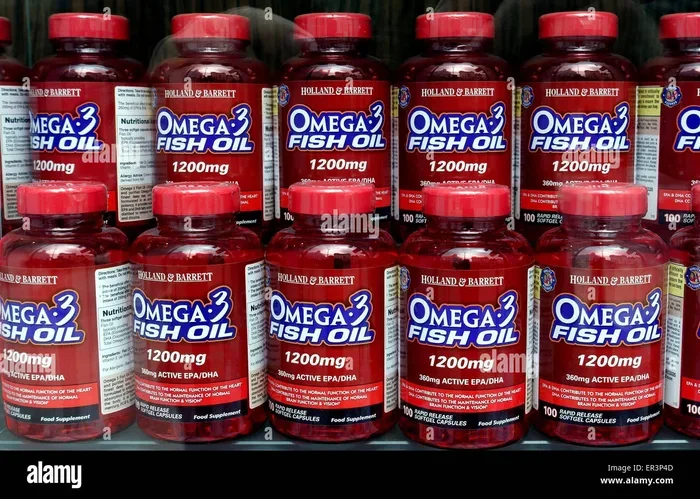
Omega 3 fish oil and cod liver oil both offer great benefits for betta fish, but they are not the same. Fish oil focuses on pure EPA and DHA fatty acids, while cod liver oil adds vitamins A and D. The right choice depends on your betta fish diet and health needs.
Choosing the right supplement for your betta fish can feel overwhelming. There are so many oils, capsules, and liquids on the shelf. Two of the most popular options are omega 3 fish oil and cod liver oil. Both come from fish, but they work differently. One focuses on pure fatty acids, while the other adds extra vitamins. So which one is truly better for your betta fish? Let us break it all down in simple terms.
In this guide, we will compare omega 3 fish oil and cod liver oil side by side. You will learn what each one contains, how they help your fish, and which one fits your betta fish diet best. By the end, you will feel confident about your choice. No guesswork. No confusion. Just clear, honest advice you can use today.
Key Takeaways
- Omega 3 fish oil provides concentrated EPA and DHA without extra vitamins.
- Cod liver oil contains vitamins A and D, which can be helpful but risky in excess.
- Fish oil for fish is generally safer for long-term betta fish supplementation.
- Cod liver oil may cause vitamin toxicity if overdosed in betta fish tanks.
- Both oils support betta fish immune system, skin, and fin health.
- Always check the fish oil quality before choosing any supplement.
- Consult a fish vet or expert before adding new oils to your betta fish diet.
📑 Table of Contents
- What Is Omega 3 Fish Oil?
- What Is Cod Liver Oil?
- Omega 3 Fish Oil vs Cod Liver Oil: Nutritional Comparison
- Benefits of Omega 3 Fish Oil for Betta Fish
- Benefits of Cod Liver Oil for Betta Fish
- Which One Should You Choose for Your Betta Fish?
- Common Mistakes to Avoid
- Expert Insights on Fish Oil for Betta Fish
- Final Thoughts
What Is Omega 3 Fish Oil?
Omega 3 fish oil is a concentrated extract from fatty fish like salmon, sardines, and anchovies. It is packed with two essential fatty acids: EPA and DHA. These are the building blocks your betta fish needs for healthy cells, glowing scales, and strong fins. Unlike whole fish, the oil removes the protein and focuses purely on these beneficial fats.
Why EPA and DHA Matter for Betta Fish
EPA and DHA are essential fatty acids that betta fish cannot produce on their own. They must come from the diet. These fatty acids reduce inflammation, support brain function, and keep the immune system strong. A betta fish that gets enough EPA and DHA will have brighter colors and more energy. Without them, health problems can creep in over time.
One major advantage of omega 3 fish oil is its purity. Good quality fish oil goes through processing to remove heavy metals and toxins. This makes it a safe daily option for betta fish. You can find it in liquid form or in small capsules. Both work well when added to fish food or water.
How to Use Omega 3 Fish Oil for Betta Fish
Using omega 3 fish oil is simple. Add a single drop to your betta fish food before feeding. You can also mix it into pellet food to boost nutrition. Start with small amounts and watch how your fish responds. Most bettas love the taste and eat eagerly. If you notice any changes in behavior, reduce the dose. Less is often more when starting out.
What Is Cod Liver Oil?
Cod liver oil comes from the liver of Atlantic cod. It has been used for decades as a health supplement for humans and animals alike. Unlike regular fish oil, cod liver oil contains more than just EPA and DHA. It also carries vitamins A and D. These extra nutrients make it powerful, but they also add complexity.
The Vitamin Factor in Cod Liver Oil
Vitamins A and D are fat-soluble, which means they build up in the body. For humans, this can be a concern with overuse. For betta fish, the same risk exists. Too much vitamin A can cause health issues. Too much vitamin D can lead to toxicity. This is why cod liver oil requires more careful dosing than plain fish oil.
That said, small amounts of cod liver oil can benefit betta fish. Vitamin A supports eye health and skin regeneration. Vitamin D helps with calcium absorption, which keeps bones strong. The key is balance. A tiny drop now and then can help. A daily large dose can do more harm than good.
How Cod Liver Oil Compares to Fish Oil
If you are wondering how cod liver oil stacks up against regular fish oil, the answer depends on your goal. Fish oil gives you a clean dose of EPA and DHA. Cod liver oil gives you those same fatty acids plus vitamins A and D. For a healthy betta fish with a balanced diet, plain fish oil is often enough. For a fish that needs extra nutritional support, cod liver oil may help, but only in small amounts.
Many fish keepers prefer omega 3 fish oil for daily use because of its simplicity. There is no risk of vitamin buildup. You can use it more confidently over long periods. That does not mean cod liver oil is bad. It just means it needs more attention and care.
Omega 3 Fish Oil vs Cod Liver Oil: Nutritional Comparison
Let us put the two side by side. Understanding what each oil offers makes the decision much easier.
- Omega 3 Fish Oil: High in EPA and DHA, low in vitamins, clean and pure.
- Cod Liver Oil: Contains EPA and DHA plus vitamins A and D, requires careful dosing.
- Fish Oil Quality: Both can vary by brand. Look for molecularly distilled products.
- Omega 3 Sources: Fish oil comes from multiple fish species, while cod liver oil comes from one specific source.
The table below shows a quick comparison of the two oils for betta fish use.
| Feature | Omega 3 Fish Oil | Cod Liver Oil |
|---|---|---|
| EPA and DHA Content | High | Moderate |
| Vitamin A | Low or None | High |
| Vitamin D | Low or None | High |
| Risk of Toxicity | Very Low | Moderate |
| Best For Daily Use | Yes | Only in Small Doses |
| Betta Fish Immune Support | Strong | Strong (with vitamins) |
As you can see, both oils have strengths. Omega 3 fish oil wins on safety and simplicity. Cod liver oil wins on extra vitamins. Your choice should match your betta fish needs and your comfort level with dosing.
If you are still unsure, many fish keepers find it helpful to read more about the differences between these oils. Check out our guide on which one is better cod liver oil or fish oil for a deeper dive into this comparison.
Benefits of Omega 3 Fish Oil for Betta Fish
Omega 3 fish oil offers a wide range of benefits for betta fish. These benefits are backed by years of aquarist experience and fish nutrition research.
1. Supports Healthy Fins and Scales
Betta fish are known for their long, flowing fins. These fins need proper nutrition to stay vibrant and strong. EPA and DHA from omega 3 fish oil help repair damaged tissue and promote new fin growth. Over time, you may notice your betta’s fins looking fuller and more colorful.
2. Boosts the Immune System
A strong immune system keeps betta fish healthy and disease-free. Fish oil for fish provides the essential fatty acids that support immune function. Fish that receive regular omega 3 supplementation tend to recover faster from stress and illness. This is especially important in community tanks where disease can spread quickly.
3. Reduces Inflammation
Inflammation can cause many health problems in betta fish. Swollen fins, clamped body, and loss of appetite can all signal internal inflammation. The omega 3 fatty acids in fish oil act as natural anti-inflammatories. They help calm the body and reduce the risk of chronic health issues.
4. Improves Color and Vibrancy
Everyone loves a bright, colorful betta fish. EPA and DHA contribute to healthy cell membranes, which affect how light reflects off the scales. Fish that receive good omega 3 fish oil often show more intense reds, blues, and greens. It is a simple way to make your fish stand out.
Benefits of Cod Liver Oil for Betta Fish
Cod liver oil also offers meaningful benefits, but they come with a different set of considerations.
1. Vitamins A and D for Overall Health
The added vitamins in cod liver oil can support eye health, skin regeneration, and bone strength. For betta fish that show signs of vitamin deficiency, a small dose can make a real difference. Vitamin A promotes healthy gill function, which is essential for breathing.
2. Quick Nutritional Boost
If your betta fish is recovering from illness or stress, cod liver oil can provide a fast nutritional boost. The combination of fatty acids and vitamins works together to speed up recovery. Just remember to keep the dose small. Too much too fast can overwhelm a small fish body.
3. Natural Source of Nutrients
Some fish keepers prefer cod liver oil because it comes from a single, natural source. It is not heavily processed in the same way some fish oils are. This appeals to those who want a more whole-food approach to betta fish nutrition. The key is to choose a high-quality, pure product without additives.
Which One Should You Choose for Your Betta Fish?
The answer depends on your situation. Let us look at when to choose each option.
Choose Omega 3 Fish Oil When:
- You want a safe, daily supplement for your betta fish.
- Your betta fish is healthy and just needs maintenance nutrition.
- You prefer a simple dosing routine with no vitamin concerns.
- You are new to fish supplements and want something low-risk.
- You are looking for a long-term solution for betta fish health.
Choose Cod Liver Oil When:
- Your betta fish shows signs of vitamin deficiency.
- You need a short-term nutritional boost during recovery.
- You are experienced with fish supplementation and can dose carefully.
- You want the added benefits of vitamins A and D in one product.
- You have checked with a fish health expert about the right amount.
For most betta fish owners, omega 3 fish oil is the safer and more practical choice. It is easier to dose, has fewer risks, and provides the core nutrients your fish needs every day. Cod liver oil can be a great occasional supplement, but it should not replace a good quality fish oil in your daily routine.
If you are comparing fish oil to other alternatives, you may also want to explore options like flaxseed oil. Our article on which is better omega 3 fish oil or flaxseed covers this comparison in detail.
Common Mistakes to Avoid
Even experienced fish keepers make mistakes when it comes to oil supplements. Here are the most common ones to watch out for.
- Overdosing: More is not better. Too much oil can pollute the water and harm your fish. Stick to the recommended amount.
- Ignoring Quality: Cheap oils may contain fillers or contaminants. Always choose fish oil quality products from reputable brands.
- Skipping Research: Not all oils are the same. Read labels carefully and understand what you are adding to your tank.
- Using Cod Liver Oil Daily: The vitamins in cod liver oil can build up over time. Use it sparingly and not as a daily supplement.
- Forgetting Water Changes: Adding oil to the water can create a film on the surface. Regular water changes help keep the tank clean and safe.
Expert Insights on Fish Oil for Betta Fish
Many aquarists and fish nutrition experts agree on a few key points when it comes to omega 3 fish oil and betta fish care. First, consistency matters more than quantity. A small daily dose works better than a large dose given rarely. Second, always pair supplements with a balanced diet. No oil can replace quality fish food. Third, watch your fish closely after introducing any new supplement. Changes in appetite, color, or behavior can signal that something needs adjusting.
Some experts also recommend alternating between different omega 3 sources for variety. This can help ensure your betta fish gets a broader range of nutrients. Just be sure any alternative you choose is safe for fish. For example, some keepers explore krill oil as another option. If you are curious about this, check out our comparison of is krill oil better than fish oil for more insights.
Final Thoughts
Both omega 3 fish oil and cod liver oil have a place in betta fish care. The right choice depends on your fish’s health, your experience level, and your goals. For most keepers, omega 3 fish oil is the clear winner for daily use. It is safe, effective, and simple to use. Cod liver oil can be a helpful occasional supplement, but it requires more careful handling.
Start with a high-quality omega 3 fish oil and add it to your betta fish food a few times a week. Watch your fish thrive. Once you are comfortable, you can experiment with other oils if you wish. The most important thing is that you are giving your betta fish the nutrition it deserves. A healthy, colorful betta fish is the best reward for your effort.
Remember, every fish is different. What works for one betta may not work for another. Pay attention to your fish’s needs, do your research, and never be afraid to adjust. Your betta fish will thank you with vibrant colors, active swimming, and a long, happy life.
Frequently Asked Questions
Can I give my betta fish cod liver oil every day?
It is not recommended to give cod liver oil daily. The vitamins A and D can build up in your betta fish’s body and cause toxicity. Use cod liver oil only as an occasional supplement, no more than once or twice a week in very small amounts.
How much omega 3 fish oil should I add to my betta fish food?
A single drop is enough for one feeding. You can mix it into wet pellet food or live food before offering it to your betta. Start with small amounts and increase only if your fish tolerates it well.
Is fish oil better than flaxseed oil for betta fish?
Yes, for most betta fish, fish oil is better than flaxseed oil. Betta fish need EPA and DHA directly from marine sources. Flaxseed oil contains ALA, which bettas cannot efficiently convert into the fatty acids they need. Check out our guide on is fish oil better than flaxseed oil for more details.
What are the signs of fish oil overdose in betta fish?
Signs of overdose include oily film on the water surface, cloudy water, loss of appetite, and lethargy. If you notice these symptoms, stop supplementing immediately and do a water change. Prevention through proper dosing is always better than treatment.
Can omega 3 fish oil improve my betta fish’s color?
Yes, it can. The EPA and DHA in omega 3 fish oil support healthy cell membranes, which enhances how colors appear on your betta fish. Over time, you may notice brighter reds, deeper blues, and more vivid overall coloring.
Should I choose liquid fish oil or capsules for my betta fish?
Liquid fish oil is usually easier to dose for betta fish. You can control the exact number of drops. Capsules work too, but you need to pierce them and measure the oil carefully. Either form works as long as you dose accurately.
=== CONCLUSION ===
Omega 3 fish oil stands out as the safer, more practical choice for most betta fish owners. It delivers the essential fatty acids your fish needs without the risks of vitamin overload. Cod liver oil has its place, but it works best as an occasional supplement, not a daily staple. By understanding the differences and choosing wisely, you give your betta fish the best chance at a long, healthy, and colorful life. Start with quality omega 3 fish oil, dose carefully, and enjoy watching your betta thrive.