Is Moss Covered Betta Fish Tank Safe
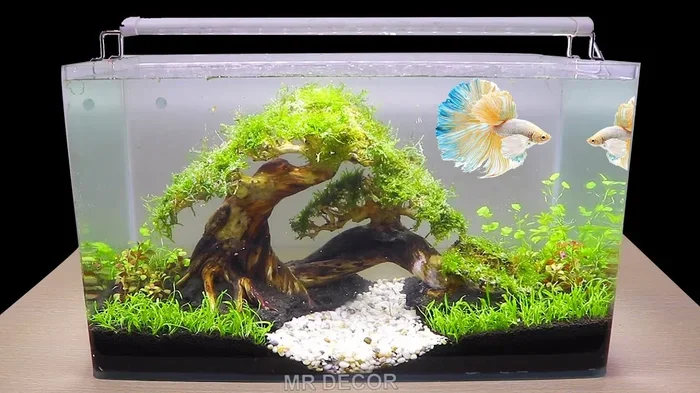
A moss covered betta fish tank can be completely safe and even beneficial when done correctly. Moss provides natural hiding spots, improves water quality, and creates a beautiful environment for your betta. However, choosing the right type of moss and maintaining it properly is essential to keeping your fish healthy and happy.
You have probably seen those stunning moss covered betta fish tank setups online and wondered if they are actually safe. The short answer is yes. A mossy aquarium can be a wonderful and healthy home for your betta. But like anything in fishkeeping, there are a few things you need to know before you start.
Moss is more than just a pretty decoration. It plays a real role in keeping your tank clean and your betta comfortable. From natural filtration to providing hiding spots, moss in betta tanks offers many benefits that go beyond looks. In this article, we will walk you through everything you need to know about keeping moss in a betta fish tank.
We will cover which moss types are safe, how to maintain them, and what mistakes to avoid. By the end, you will feel confident about creating a beautiful and safe mossy aquarium for your betta. Let us dive right in.
Key Takeaways
- Moss is generally safe: Most types of aquarium moss pose no harm to betta fish when properly maintained.
- Moss improves water quality: It absorbs nitrates and provides natural filtration in your tank.
- Choose the right moss: Java moss, flame moss, and crystalwort are excellent and safe options for betta tanks.
- Maintenance matters: Overgrown or decaying moss can lower water quality and harm your fish.
- Moss adds enrichment: Your betta will enjoy exploring and resting on moss, reducing boredom.
- Monitor water parameters: Always test your water after adding moss to ensure stable conditions.
📑 Table of Contents
Why Moss Is Popular in Betta Fish Tanks
More and more betta keepers are adding moss to their aquariums. And it is easy to see why. Moss creates a natural look that makes any tank feel alive. It also gives your betta something to explore and rest on. A moss covered betta fish tank looks stunning and provides real value for your fish.
Many hobbyists love moss because it is low maintenance compared to other plants. You do not need special lights or fertilizers to keep it alive. This makes moss a great choice for beginners and experienced aquarists alike. Plus, moss helps create a more natural betta fish habitat that mimics their wild environment.
Natural Aesthetic and Enrichment
Your betta fish is a curious creature. They love to explore their surroundings and interact with their environment. Adding aquarium moss gives them places to hide, rest, and investigate. This kind of enrichment is important for your betta’s mental health and overall well-being.
Think about how a betta would live in the wild. They swim through dense vegetation and find shelter among plants. A mossy aquarium recreates that feeling. Your betta will feel safer and less stressed when they have natural cover to retreat to.
Water Quality Benefits
Moss does more than look good. It actively helps keep your tank water clean. Healthy moss in betta tanks absorbs nitrates and ammonia from the water. This natural filtration process supports better water quality in fish tank environments.
When your water parameters stay stable, your betta stays healthier. Stable conditions reduce stress and lower the risk of disease. A moss covered betta fish tank can actually make your regular maintenance routine easier because the moss helps keep things balanced.
Is Moss Safe for Betta Fish?
This is the most important question, and the answer is reassuring. Yes, most types of aquarium moss are completely safe for betta fish. Moss does not produce toxins or chemicals that harm your fish. In fact, it creates a healthier environment overall. However, the safety of your moss covered betta fish tank depends on a few key factors.
The type of moss you choose matters a lot. Not all mosses are created equal. Some grow slowly and stay manageable, while others can take over your tank if you are not careful. The way you prepare and introduce moss into your tank also plays a big role in keeping your betta safe.
Safe Moss Types for Betta Tanks
Let us look at the moss varieties that work best for betta fish tank setups. These are all safe, easy to care for, and betta-friendly.
Java Moss: This is the most popular choice among betta keepers. Java moss grows well in a wide range of conditions. It is hardy, easy to care for, and provides excellent coverage. Your betta will love resting on its soft leaves.
Flame Moss: Named for its unique upward-growing pattern, flame moss adds visual interest to any tank. It is easy to anchor and grows at a moderate pace. This makes it ideal for smaller betta fish tanks where you want controlled growth.
Crystalwort: Also known as Riccia, crystalwort is a floating moss that creates a lush green carpet. Bettas enjoy swimming through its fine texture. It grows quickly but is easy to trim and manage.
Weeping Moss: This moss has a cascading growth pattern that looks beautiful attached to driftwood. It grows at a steady rate and provides great hiding spots for shy bettas.
Mosses to Avoid
While most mosses are safe, some can cause problems if not managed properly. Mosses that grow too aggressively can block water flow and trap debris. This can lead to poor tank filtration and declining water quality over time. Always research any moss before adding it to your tank.
Benefits of a Moss Covered Betta Fish Tank
A moss covered betta fish tank offers many advantages beyond aesthetics. Let us explore the key benefits that make moss a great addition to your aquarium.
- Natural hiding spots: Moss gives your betta places to retreat and feel secure. This is especially important for shy or stressed fish.
- Improved water quality: Moss absorbs harmful compounds and helps maintain stable parameters in your betta fish tank.
- Visual appeal: A mossy tank looks natural and beautiful. It transforms a plain aquarium into a vibrant underwater landscape.
- Enrichment for your betta: Moss provides stimulation and exploration opportunities that keep your fish active and engaged.
- Algae competition: Healthy moss can outcompete unwanted algae for nutrients, helping keep your tank cleaner longer.
- Breeding support: Moss provides a safe surface for betta bubble nests and gives fry hiding places after hatching.
How to Safely Add Moss to Your Betta Tank
Adding moss to your betta fish tank is simple, but doing it the right way makes all the difference. Follow these steps to ensure a smooth and safe transition for your fish.
Step 1: Choose the Right Moss
Start by picking a moss type that suits your tank size and lighting conditions. If you have a smaller setup, go with slow-growing varieties like flame moss. For larger tanks, java moss or crystalwort work great. You can find healthy moss at most aquarium stores or online retailers.
Before adding moss to your tank, inspect it carefully. Look for any signs of pests, snails, or discoloration. Quarantining new moss in a separate container for a few days is a smart practice. This helps you catch any problems before they reach your main betta fish tank.
Step 2: Prepare the Moss
Rinse your moss gently under clean water to remove any debris. If you bought moss that came attached to a piece of wood or rock, you can place it directly into the tank. For loose moss, tie it to a decoration using fishing line or cotton thread. The thread will dissolve over time and the moss will anchor itself naturally.
If you want to get creative with your setup, you can also try adding plant stems alongside your moss for a layered look. This combination creates depth and visual interest in your aquarium.
Step 3: Place the Moss Thoughtfully
Position your moss in areas where your betta likes to spend time. Many bettas enjoy resting near plants and decorations. Place moss near the bottom of the tank or on gentle decorations where your fish can easily access it.
Make sure the moss does not block your filter intake or water flow. Good circulation is essential for maintaining healthy tank filtration and stable water parameters. Keep the moss trimmed so it does not spread too aggressively and take over your tank.
Maintaining a Moss Covered Betta Fish Tank
Once your moss is established, maintenance is relatively simple. But staying on top of a few key tasks will keep both your moss and your betta healthy. A well-maintained moss covered betta fish tank looks amazing and functions beautifully.
Trimming and Pruning
Moss can grow faster than you expect. Regular trimming keeps it looking neat and prevents it from taking over your tank. Use small scissors to trim any overgrown sections. You can even replant trimmed pieces in other areas of the tank or give them away to fellow hobbyists.
As a general rule, trim your moss every two to four weeks. This keeps growth manageable and ensures your betta has plenty of open swimming space. Remember that moss in betta tanks should complement the environment, not dominate it.
Water Quality and Cleaning
Moss can trap debris and waste particles, which is great for water quality but requires some attention. Gently rinse your moss during water changes to remove buildup. Use tank water rather than tap water to avoid shocking the moss with chlorine or chloramine.
Keep an eye on your water quality in fish tank parameters. Test your water regularly for ammonia, nitrite, and nitrate levels. If you notice any spikes after adding moss, do a partial water change and check your filter. A healthy betta fish environment depends on consistent water conditions.
Lighting Considerations
Moss does not need intense lighting to thrive. In fact, moderate lighting is usually best. Too much light can encourage unwanted algae growth on your moss and other surfaces. Aim for about eight to ten hours of light per day and use a timer to keep things consistent.
If you notice green algae taking over your moss, consider reducing your light duration or intensity. You can also add a betta fish tank cleaner like a Nerite snail to help manage algae naturally without chemicals.
Common Mistakes to Avoid with Moss in Betta Tanks
Even experienced hobbyists make mistakes when adding moss to their tanks. Here are the most common errors and how to avoid them.
Skipping the Quarantine
One of the biggest mistakes is adding store-bought moss directly into your tank without inspecting it first. Wild-harvested or cheaply sourced moss can carry snails, parasites, or even harmful bacteria. Always quarantine new moss and inspect it thoroughly before introducing it to your betta fish tank.
Overfeeding Near Moss
Excess food that gets trapped in moss will decompose and pollute your water. Always feed your betta small amounts and remove any uneaten food promptly. This keeps your moss covered betta fish tank clean and your water parameters stable.
Ignoring Growth Control
Moss grows and grows if left unchecked. Some varieties can quickly cover your entire tank and block light from reaching other plants. Regular trimming is essential. If you are looking for more ideas on tank setup, you might want to check out what other items bettas enjoy having in their environment, like decorations and enrichment items for a complete setup.
Using the Wrong Moss Type
Not all mosses are suitable for every tank. Some grow too fast for small setups, while others need specific conditions. Research each moss type before purchasing. Choose varieties that match your tank size, lighting, and maintenance routine for the best results with your betta fish tank setup.
Expert Insights on Moss and Betta Fish
Many experienced betta keepers agree that moss is one of the best additions to a betta aquarium. According to aquarists who specialize in betta care, moss provides both practical and psychological benefits for fish. The natural texture and movement of moss in the water current creates a calming environment that reduces stress in bettas.
Experts also recommend pairing moss with other live plants for a thriving planted tank. This combination creates a more complete ecosystem. If you are curious about what other plants or elements work well with bettas, consider exploring whether bettas eat java moss to understand how your fish might interact with their greenery.
The key takeaway from experienced keepers is simple. Moss is safe, beneficial, and beautiful when managed properly. A moss covered betta fish tank can be one of the most natural and healthy environments you can provide for your fish.
Conclusion
A moss covered betta fish tank is not only safe but also highly beneficial for your betta. Moss improves water quality, provides enrichment, and creates a stunning natural look. By choosing the right moss type, maintaining it properly, and avoiding common mistakes, you can enjoy a beautiful and healthy aquarium for years to come.
Remember that every tank is unique. Pay attention to your betta’s behavior and your water parameters. Adjust your approach as needed and do not be afraid to experiment. With a little care and attention, your mossy betta fish tank will become a peaceful and thriving home for your beloved fish.
Frequently Asked Questions
Is any type of moss harmful to betta fish?
Most aquarium mosses are completely safe for bettas. However, some wild-collected mosses may carry pests or contaminants that can harm your tank. Always buy moss from reputable aquarium sources and quarantine it before adding it to your betta fish tank.
How often should I trim moss in my betta tank?
Trim your moss every two to four weeks to keep it manageable. Regular trimming prevents overgrowth and ensures your betta has plenty of open swimming space. Use small scissors and remove any trimmed pieces to keep your moss covered betta fish tank clean.
Can moss cause algae problems in a betta tank?
Moss itself does not cause algae, but excessive lighting can encourage algae growth on moss surfaces. Keep your light period to eight to ten hours per day and maintain good water changes. A healthy moss in betta tanks setup actually helps compete with algae for nutrients.
Do betta fish like moss in their tank?
Yes, most bettas love moss. It provides natural hiding spots, resting areas, and enrichment. Bettas feel safer and less stressed in environments with live plants like moss. A mossy aquarium mimics their natural habitat and keeps them happy.
Can I use moss from my backyard in my betta tank?
It is not recommended. Backyard moss can contain pesticides, parasites, or harmful bacteria. Always use commercially available aquarium moss that is safe for freshwater tanks. This ensures your betta fish environment stays clean and healthy.
Does moss replace the need for a filter in a betta tank?
No, moss helps with water quality but cannot replace proper filtration. A filter is essential for circulating water and removing waste. Think of moss as a supplement to your tank filtration system, not a replacement. Both work together to keep your betta healthy.