Is Krill Oil Better Than Fish Oil to Lower Cholesterol
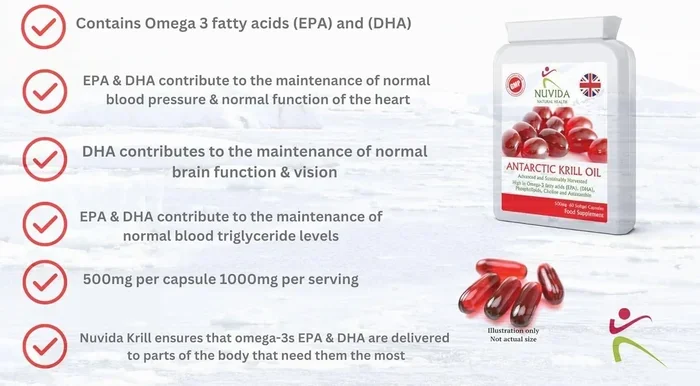
Many people wonder if krill oil is better than fish oil to lower cholesterol. Krill oil contains omega-3s in phospholipid form, which may boost absorption and offer extra antioxidants like astaxanthin. Fish oil remains a trusted, affordable choice with strong research behind it. Both supplements can reduce triglycerides and support heart health. The best option depends on your cholesterol goals, budget, and body needs.
High cholesterol affects millions of people worldwide. It is one of the leading risk factors for heart disease and stroke. Many folks turn to supplements to help manage their numbers. Two popular options are krill oil and fish oil. Both contain omega-3 fatty acids that support heart health. But which one actually works better for lowering cholesterol?
The answer is not as simple as you might think. Krill oil has gained popularity in recent years. Fish oil has a long track record backed by solid science. Each option has its own strengths and weaknesses. In this article, we break down everything you need to know. You will learn how each supplement works, what the research says, and how to choose the best option for your cholesterol goals.
Let us dive into the world of omega-3 supplements and find out which one deserves a spot in your daily routine.
Key Takeaways
- Krill oil may lower LDL cholesterol more effectively due to its unique phospholipid structure that improves absorption.
- Fish oil is backed by decades of research and remains a reliable choice for managing cholesterol levels.
- Krill oil contains astaxanthin, a powerful antioxidant that protects omega-3 fatty acids from oxidation.
- Both supplements reduce triglycerides, which is a key factor in heart health and cholesterol management.
- Dosage matters — taking the right amount of either supplement is essential for seeing results.
- Side effects differ between krill oil and fish oil, so choosing the right one depends on your tolerance.
- Consult a doctor before starting any new supplement for cholesterol control.
📑 Table of Contents
- Understanding Cholesterol and Why It Matters
- What Is Krill Oil and How Does It Work?
- What Is Fish Oil and Why Is It So Popular?
- Krill Oil vs Fish Oil for Cholesterol: Head-to-Head Comparison
- Dosage Recommendations for Cholesterol Management
- Side Effects and Safety Considerations
- Which Supplement Should You Choose?
- Final Thoughts
Understanding Cholesterol and Why It Matters
Before we compare krill oil and fish oil, it helps to understand what cholesterol does in your body. Cholesterol is a waxy substance found in your blood. Your liver makes all the cholesterol you need. But you also get it from food.
There are two main types of cholesterol. LDL is often called “bad cholesterol.” It builds up in your arteries and can cause blockages. HDL is known as “good cholesterol.” It helps remove LDL from your bloodstream. Triglycerides are another type of fat in your blood. High levels of triglycerides also raise your risk of heart problems.
Managing your cholesterol levels is crucial for long-term heart health. This is where omega-3 supplements come into play. They can help lower triglycerides and may improve your overall cholesterol profile.
What Is Krill Oil and How Does It Work?
Krill oil comes from tiny crustaceans called krill. These small creatures live in cold ocean waters. They are near the bottom of the Antarctic food chain. Krill oil is packed with omega-3 fatty acids, especially EPA and DHA.
The Phospholipid Advantage
What makes krill oil special is how omega-3s are structured. In fish oil, omega-3s are stored in triglyceride form. In krill oil, they are bound to phospholipids. This difference matters a lot. Phospholipids are the same material that makes up your cell membranes. Your body absorbs phospholipid-bound omega-3s more easily.
Some studies suggest that krill oil raises HDL cholesterol more effectively than fish oil. It may also reduce LDL cholesterol and lower triglycerides. The phospholipid structure allows the omega-3s to reach your cells faster and more efficiently.
Astaxanthin: Krill Oil’s Secret Weapon
Krill oil contains a powerful antioxidant called astaxanthin. This gives krill its red-pink color. Astaxanthin protects omega-3 fatty acids from oxidation. Oxidation happens when fats break down and become less effective. It is also linked to aging and inflammation.
Fish oil does not naturally contain astaxanthin. This is one reason krill oil has a shelf life advantage. The antioxidant helps keep the oil fresh and potent longer. For cholesterol management, reducing oxidative stress is a big bonus.
What Is Fish Oil and Why Is It So Popular?
Fish oil is one of the most used dietary supplements in the world. It comes from fatty fish like salmon, mackerel, and sardines. Fish oil is rich in EPA and DHA omega-3 fatty acids. It has been studied extensively for decades.
Decades of Research Behind Fish Oil
Fish oil has a massive body of scientific evidence. Hundreds of clinical trials have studied its effects on cholesterol. The results are well-documented. Fish oil reliably lowers triglyceride levels. It can also modestly reduce LDL cholesterol in some people. It may slightly raise HDL cholesterol as well.
Because fish oil has been studied so thoroughly, doctors often recommend it first. It is a trusted option with a proven safety record. The krill oil vs fish oil debate is ongoing, but fish oil has more long-term data to support its use.
Affordability and Availability
Fish oil is widely available and affordable. You can find it at any pharmacy, grocery store, or online. The price per serving is typically lower than krill oil. This makes it accessible to more people. If budget is a concern, fish oil may be the practical choice.
Krill Oil vs Fish Oil for Cholesterol: Head-to-Head Comparison
Now let us look at the direct comparison. How do these two supplements stack up when it comes to lowering cholesterol?
LDL Cholesterol (The Bad Kind)
High LDL is a major concern for heart health. Some studies show that krill oil reduces LDL cholesterol more than fish oil does. The phospholipid form may help the body process and remove LDL more efficiently. Fish oil also lowers LDL in many cases, but the results can vary from person to person.
HDL Cholesterol (The Good Kind)
Raising HDL is always a positive. Krill oil appears to have an edge here. Research indicates it can increase HDL levels more effectively. Fish oil also supports HDL, but the effect may be smaller. Higher HDL means your body is better at cleaning out excess cholesterol.
Triglycerides
Both krill oil and fish oil are excellent at reducing triglycerides. This is where they are most evenly matched. Omega-3 fatty acids from either source can significantly lower triglyceride levels. High triglycerides often accompany high cholesterol, so this benefit matters a lot.
Absorption Rate
One of the biggest advantages of krill oil is absorption. Because the omega-3s are in phospholipid form, they are absorbed more readily by the body. Fish oil omega-3s in triglyceride form need to be broken down first. This means krill oil may deliver more omega-3s to your cells with a smaller dose.
| Factor | Krill Oil | Fish Oil |
|---|---|---|
| Omega-3 Form | Phospholipid | Triglyceride |
| Absorption | Higher | Good |
| LDL Reduction | May be more effective | Effective |
| HDL Increase | Strong effect | Moderate effect |
| Triglyceride Lowering | Very effective | Very effective |
| Antioxidant Content | Contains astaxanthin | No natural astaxanthin |
| Price | Higher | More affordable |
| Research Base | Growing | Extensive |
Dosage Recommendations for Cholesterol Management
Getting the right dosage is key when using either supplement for cholesterol control. Taking too little may not produce results. Taking too much can cause side effects.
For krill oil, most studies use doses between 1,000 and 3,000 mg per day. This range has shown benefits for cholesterol levels. For fish oil, typical doses range from 2,000 to 4,000 mg daily. The actual EPA and DHA content matters more than the total oil amount.
Always check the label for EPA and DHA content per serving. A quality krill oil supplement should provide at least 500 mg of combined EPA and DHA. Fish oil capsules often contain higher amounts per serving. Start with the lowest recommended dose and increase gradually.
Side Effects and Safety Considerations
Both supplements are generally safe for most people. However, they can cause some side effects. Fish oil is more likely to cause fishy burps and aftertaste. Krill oil tends to be easier on the stomach for most users.
Because both supplements affect blood clotting, people on blood thinners should be cautious. High doses of omega-3s can increase bleeding risk. If you take any medications, talk to your doctor first. This is especially important if you are managing cholesterol with prescription drugs.
Some people experience mild digestive issues with either supplement. These include nausea, diarrhea, and stomach discomfort. Taking the supplement with food can help reduce these problems.
If you are allergic to shellfish, krill oil may not be safe for you. Krill are small crustaceans, so shellfish allergies are a real concern. Fish oil is generally safer for people with shellfish allergies, but always check with your doctor first.
Which Supplement Should You Choose?
Choosing between krill oil and fish oil depends on your personal needs. If you want maximum absorption and are willing to pay more, krill oil is a great choice. If you prefer a budget-friendly option with decades of research, fish oil is hard to beat.
For people specifically focused on cholesterol, both options show promise. Krill oil may have a slight edge for HDL and LDL management. Fish oil remains a solid choice for triglyceride reduction. Some people even take both to get the benefits of each.
Whichever you choose, consistency matters more than the specific product. Taking your supplement daily over weeks and months is what produces real results. Pair your supplement with a healthy diet and regular exercise for the best cholesterol outcomes.
If you are still deciding, check out our detailed comparison of krill oil vs fish oil for more insights. You can also read about which supplement is best for your needs to make a confident choice.
Final Thoughts
The question of whether krill oil is better than fish oil to lower cholesterol does not have a one-size-fits-all answer. Both supplements offer real benefits for heart health and cholesterol management. Krill oil shines with its superior absorption and antioxidant content. Fish oil wins with its extensive research and affordable price tag.
Your best choice depends on your health goals, budget, and body chemistry. Consider trying one for a few months and monitoring your cholesterol levels. Work with your healthcare provider to track your progress. The right supplement combined with healthy lifestyle habits can make a meaningful difference in your cholesterol numbers.
Take charge of your heart health today. Whether you pick krill oil or fish oil, you are taking a step in the right direction for your cardiovascular well-being.
Frequently Asked Questions
Can krill oil lower cholesterol faster than fish oil?
Some studies suggest krill oil may work faster for certain cholesterol markers due to its phospholipid structure. However, results vary from person to person. Most experts recommend giving either supplement at least 8 to 12 weeks to see full effects.
Is it safe to take krill oil and fish oil together?
Yes, many people combine both supplements safely. Taking them together can provide a broader range of omega-3 benefits. However, keep an eye on your total dosage to avoid exceeding recommended amounts of EPA and DHA.
Does krill oil have any side effects for cholesterol management?
Krill oil is generally well tolerated. Mild side effects may include stomach discomfort or fishy aftertaste. People with shellfish allergies should avoid krill oil entirely. Always consult your doctor before starting any new supplement.
How long does it take for fish oil to lower cholesterol?
Fish oil typically takes 4 to 12 weeks to show noticeable changes in cholesterol levels. Triglyceride levels often drop first. LDL and HDL improvements may take longer. Consistency with daily dosing is essential for best results.
Which is better for lowering triglycerides, krill oil or fish oil?
Both are effective at reducing triglycerides. Studies show they produce similar results for this specific marker. The choice between them may come down to personal preference, budget, and how well your body absorbs each type of omega-3.
Can I use krill oil instead of cholesterol medication?
No, you should never replace prescribed medication with a supplement without consulting your doctor. Krill oil and fish oil can support cholesterol management but are not replacements for medical treatment. Always work with your healthcare provider to create a safe plan.