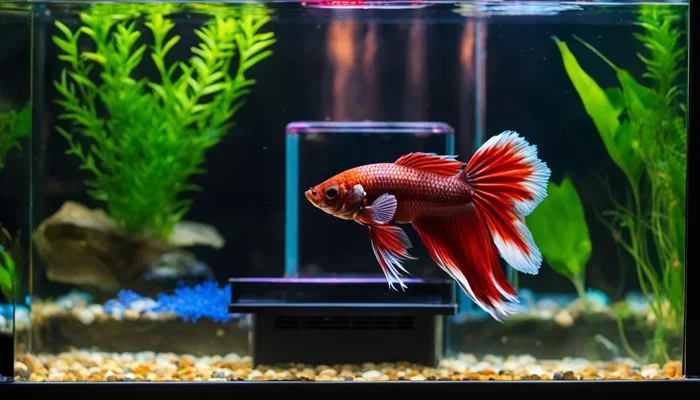
Is It Ok If My Betta Fish Blows Bubbles
Yes, it is generally ok if your betta fish blows bubbles. Bubble blowing is a natural behavior that often signals a happy, healthy betta. However, excessive bubbles or bubbles paired with other symptoms may point to stress, poor water quality, or a health issue that needs attention.
So your betta fish is blowing bubbles. Maybe you noticed a cluster of tiny spheres floating near the surface. Or maybe your fish has been busy blowing bubbles all day long. Either way, you are probably wondering if this is something to worry about. The short answer is: in most cases, it is perfectly fine. But there are situations where bubble blowing can tell you something important about your fish’s health and happiness.
Betta fish are fascinating creatures. They display a wide range of behaviors that can confuse or delight their owners. Bubble blowing is one of the most common yet misunderstood behaviors. In this guide, we will explore why betta fish blow bubbles, what it means for their well-being, and when you should take action. By the end, you will feel confident reading your betta’s signals and knowing exactly what to do.
Key Takeaways
- Bubble blowing is normal: Most betta fish blow bubbles as part of their natural behavior, especially males building bubble nests.
- It can signal happiness: A betta that blows bubbles often feels safe and comfortable in its environment.
- Excessive bubbles may be a warning: Too many bubbles combined with lethargy or appetite loss could indicate water quality problems.
- Check your tank conditions: Regular water changes and proper filtration help keep bubble behavior in check.
- Female bettas blow bubbles too: While less common, female bettas can also create bubbles at the surface.
- Know when to act: If bubbles come with other symptoms like clamped fins or not eating, investigate further.
- Prevention is simple: Maintaining clean water and a stable temperature goes a long way in keeping your betta healthy.
📑 Table of Contents
What Happens When Your Betta Fish Blows Bubbles
When a betta fish blows bubbles, it gathers air from the water surface and mixes it with a sticky substance from its mouth. This creates small clusters of bubbles that float on or just below the surface. The process is called bubble nest building, and it is one of the most interesting behaviors in the betta world.
Male bettas are the most frequent bubble blowers. They create these nests as part of their natural breeding instinct. Even if there is no female around, a male betta may still build a bubble nest. This does not mean something is wrong. It simply means your fish is feeling healthy and has strong nesting urges.
The Science Behind Bubble Nests
Bubble nests serve a purpose in the wild. Male bettas build them to attract females and to provide a safe place for eggs once they are released. The bubbles hold moisture and oxygen, creating a safe environment for developing fry. So when your betta fish blows bubbles, it is often following instincts that have been shaped over thousands of years.
Not all bubble nests look the same. Some are large and dense. Others are small and scattered. The size and thickness of the nest can depend on several factors:
- The betta’s age and health
- Water temperature and conditions
- Whether a female is present nearby
- The fish’s individual personality
A healthy male betta will often take pride in his bubble nest. You might notice him adding to it throughout the day, popping bubbles and rebuilding them. This is completely normal and even a sign that your fish is feeling good.
Is Bubble Blowing Normal Betta Fish Behavior?
Yes, bubble blowing is normal behavior for betta fish. In fact, it is one of the behaviors that makes bettas so interesting to watch. Most betta owners will see their fish blow bubbles at some point. It is a natural part of being a betta.
However, normal bubble blowing looks different from problem bubble blowing. Here is how to tell the difference:
- Normal: Small clusters of bubbles near the surface that come and go throughout the day
- Normal: The fish appears active, eats well, and shows bright colors
- Normal: Bubble nests are rebuilt or maintained regularly
- Concerning: Huge amounts of foam or bubbles covering the entire surface
- Concerning: Bubbles are accompanied by gasping at the surface, lethargy, or loss of appetite
- Concerning: The bubbles have a foul smell or look like thick foam rather than individual bubbles
If your betta is blowing bubbles but otherwise acting like itself, there is usually nothing to worry about. But if the bubble behavior comes with other betta fish symptoms, it is time to dig deeper.
When Bubbles Mean Your Betta Fish Is Happy
One of the best signs that your betta fish is happy is bubble nest building. A content betta in a well-maintained tank will often feel safe enough to engage in natural behaviors like blowing bubbles. This is especially true for male bettas, who are hardwired to build nests when they feel secure.
Here are some signs that your betta’s bubble blowing comes from a happy, healthy place:
- Your betta has a good appetite: It eats eagerly during feeding time
- Bright, vibrant colors: A happy betta displays rich, vivid fins and body color
- Active swimming: Your fish moves around the tank with energy and curiosity
- Relaxed fins: The fins are spread out, not clamped against the body
- Bubble nests are built regularly: This shows consistent comfort in the environment
If you notice all of these signs alongside bubble blowing, congratulations! Your betta is likely thriving. You can even view bubble nest building as a compliment. It means your fish feels at home in its tank.
Why Female Betta Fish Blow Bubbles Too
While male bettas are the primary bubble nest builders, female bettas can blow bubbles as well. Female bubble blowing is less common but still normal. A female may create small bubble clusters near the surface, especially if she is feeling comfortable and secure in her tank.
Female bettas do not build bubble nests for breeding the same way males do. Their bubble blowing is often more casual and less structured. If you have a female betta and notice a few bubbles here and there, it is usually nothing to worry about.
When Bubbles Could Signal a Problem
Not all bubble blowing is harmless. Sometimes, excessive bubbles or unusual foam can point to an underlying issue in the tank. Understanding these warning signs helps you act quickly and keep your betta safe.
Excessive Bubbles and Foam
If your tank has a lot of bubbles that seem to come from the filter or air stone rather than from your fish, the issue may be related to water agitation. Too much surface disturbance can cause excessive foam and bubbles. This is not dangerous on its own, but it can indicate that your filtration setup is too strong for a small tank.
Here is what to check if you have excessive bubbles:
- Is your filter output too powerful? Consider baffle the outflow or adjust the flow rate
- Is the water surface agitated by an air stone or bubbler? Reduce aeration if needed
- Is there protein foam or oily film on the water? This often points to organic waste buildup
Protein foam is different from a bubble nest. It looks like thin, soapy foam that clings to the surface. If you see this, it is a sign that your water needs attention. A partial water change and a check of your filtration can usually fix the problem.
Bubbles Paired With Other Symptoms
This is where you need to pay close attention. If your betta is blowing bubbles and showing other unusual signs, it could indicate a health or environmental problem. Watch for these combinations:
- Bubbles + gasping at the surface: This often means low oxygen levels or poor water quality
- Bubbles + not eating: A betta that stops eating while blowing bubbles may be stressed or sick
- Bubbles + clamped fins: Clamped fins are a classic sign of stress or illness
- Bubbles + lethargy: A normally active fish becoming sluggish alongside bubble blowing needs attention
If you notice any of these combinations, test your water parameters immediately. High ammonia, nitrite, or nitrate levels can all cause stress that leads to unusual behavior. You can also check how to tell if your betta fish is sick for more detailed guidance on identifying health issues early.
How to Tell if Your Betta Fish Is Healthy or Stressed
Bubble blowing alone is not enough to judge your betta’s health. You need to look at the bigger picture. A healthy betta fish displays a combination of positive signs, while a stressed betta shows several warning signals at once.
| Healthy Signs | Stressed Signs |
|---|---|
| Active and curious | Lethargic or hiding |
| Bright, vivid colors | Faded or dull coloring |
| Eats eagerly | Refuses food |
| Fins are spread out | Fins are clamped or tucked |
| Normal bubble nest building | Excessive or unusual bubble patterns |
| Smooth, intact scales | Damaged fins or white spots |
Use this table as a quick reference. If your betta shows mostly healthy signs, the bubble blowing is likely nothing to worry about. If you see several stressed signs alongside the bubbles, it is time to take action.
Quick Tips for Keeping Your Betta Healthy
Prevention is always easier than treatment. Here are some simple tips that keep your betta happy and reduce stress-related bubble behavior:
- Keep the water clean: Perform regular water changes of 20-30% every week
- Maintain stable temperature: Keep the tank between 78-80 degrees Fahrenheit
- Test water parameters: Check ammonia, nitrite, and nitrate levels at least once a month
- Provide hiding spots: Plants, caves, and decorations give your betta a sense of security
- Feed a balanced diet: High-quality pellets and occasional treats keep your fish in top shape
- Avoid overcrowding: Bettas do best in tanks of 5 gallons or more
Following these steps creates an environment where your betta feels safe. And a safe betta is a happy betta that may enjoy building bubble nests without any stress at all.
What to Do If Your Betta Fish Is Making Too Many Bubbles
If your betta is blowing an unusually high number of bubbles, there are a few steps you can take to address the situation. First, do not panic. Excessive bubble blowing is not always a sign of danger. But it does warrant a closer look at your tank setup and water conditions.
Start by checking your water quality. High levels of ammonia or nitrite can stress your betta and cause unusual behavior, including excessive bubble production. A water test kit is an essential tool for any betta owner. If you find that your water parameters are off, perform a water change right away.
Next, examine your filtration and aeration. If your filter creates a strong current or splashes at the surface, it may be causing excess bubbles. Adjust the flow rate or add a baffle to reduce surface agitation. Sometimes the simplest fix is all it takes.
Also consider whether your betta is simply in a breeding mood. Male bettas blow bubbles more frequently when they sense a female nearby or when conditions are ideal for breeding. This is natural and usually temporary. You can learn more about why your betta fish is making bubbles in our detailed guide on the topic.
If the excessive bubble blowing continues and your fish shows other symptoms, it may be time to consult a veterinarian who specializes in fish. Early intervention can prevent minor issues from becoming serious problems.
Common Mistakes Bettas Owners Make About Bubble Blowing
Many betta owners make mistakes when interpreting bubble behavior. Here are a few to avoid:
- Assuming all bubbles are bad: Remember that normal bubble nest building is a healthy, natural behavior
- Ignoring other symptoms: Bubbles alone may be fine, but bubbles plus lethargy is a red flag
- Overcleaning the tank: Too frequent or too aggressive water changes can stress your betta and trigger unusual behavior
- Using soapy cleaners: Never use soap or chemicals near your betta tank. Residue can cause foam and harm your fish
Avoiding these mistakes helps you maintain a stable, healthy environment for your betta. A stable tank means fewer surprises and a happier fish.
Conclusion
So, is it ok if your betta fish blows bubbles? In the vast majority of cases, the answer is yes. Bubble blowing is a natural, healthy behavior that often signals a happy and comfortable betta. Whether your male betta is building an elaborate bubble nest or your female is blowing a few casual bubbles, it is usually a good sign.
That said, always pay attention to the context. If excessive bubbles come with other symptoms like loss of appetite, lethargy, or gasping, take action quickly. Test your water, check your equipment, and look for signs of illness. Early detection makes all the difference.
By understanding why your betta fish blows bubbles, you become a better, more attentive owner. You learn to read your fish’s behavior and respond with care. And that is what keeping betta fish is all about. Enjoy the little quirks, keep that tank clean, and your betta will reward you with years of vibrant, lively companionship.
If you want to explore more about your betta’s behavior, check out our article on why your betta fish is making bubbles and learn about the different reasons behind this fascinating behavior.
Frequently Asked Questions
Why is my betta fish blowing bubbles at the top of the tank?
Betta fish often blow bubbles at the top because that is where they gather air to build bubble nests. The water surface is the easiest place to collect air. If your betta is doing this regularly and appears healthy, it is a normal and natural behavior. You can learn more about this in our article on why betta fish blow bubbles at the top.
Should I be worried if my betta fish makes a lot of bubbles?
Not necessarily. A lot of bubbles can simply mean your betta is in a good mood and has strong nesting instincts. However, if the excessive bubble production comes with symptoms like gasping, not eating, or clamped fins, you should check your water quality and look for signs of stress or illness.
Do female betta fish blow bubbles?
Yes, female bettas can blow bubbles, though it is less common than in males. Female bubble blowing is usually less structured and less frequent. It is generally a sign that the female feels comfortable in her environment. For more details, see our guide on why female betta fish make bubbles.
Can bubble blowing be a sign that my betta fish is sick?
Bubble blowing on its own is rarely a sign of sickness. But if it is paired with other symptoms like loss of appetite, lethargy, faded colors, or unusual swimming patterns, it could indicate an underlying health issue. In that case, test your water and consider consulting a fish veterinarian.
How can I reduce bubbles in my betta fish tank?
To reduce excess bubbles, check your filter output and aeration levels. Lowering the flow rate, adjusting the filter position, or reducing air stone usage can help. Also, regular water changes prevent protein foam caused by organic waste buildup. If you want to understand more about why bubbles form in the first place, read our article on why there are bubbles in your betta fish tank.
Is bubble nest building a sign that my betta is happy?
Yes, bubble nest building is widely considered a sign of a happy and healthy betta. A male betta that builds bubble nests regularly usually feels safe and comfortable in its environment. Pair this with good appetite, bright colors, and active swimming, and you have a thriving fish.