Is Betta Fish a Tropical Fish Complete Care Guide
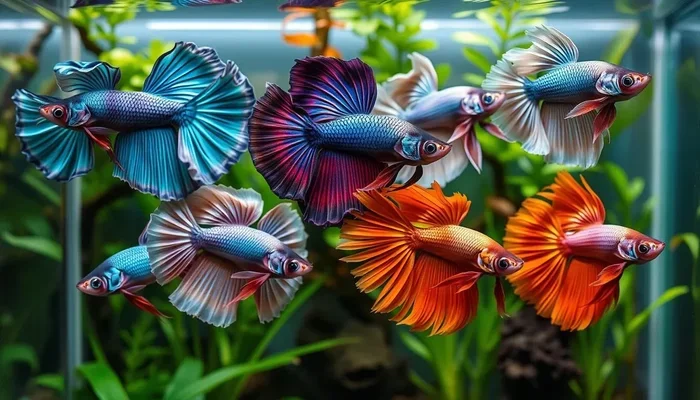
Yes, the betta fish is a tropical fish that originates from Southeast Asia. They require warm water temperatures between 78 and 80 degrees Fahrenheit to stay healthy and active. Without proper heating and clean water, these beautiful fish can quickly become stressed or sick. This guide covers everything you need to know about caring for your tropical betta friend.
Key Takeaways
- Betta fish are tropical: They come from warm climates and need heated water to thrive.
- Ideal temperature range: Keep water between 78 and 80 degrees Fahrenheit for best health.
- Tank size matters: A minimum of 5 gallons gives your betta enough space to swim and explore.
- Water quality is critical: Clean, filtered water prevents disease and keeps your fish active.
- Proper diet supports health: Feed high-quality pellets or flakes made for tropical fish.
- Heaters are necessary: Most home environments are too cool for bettas without a heater.
- Regular maintenance helps: Weekly water changes keep the tank safe and your fish happy.
📑 Table of Contents
- Is Betta Fish a Tropical Fish? Understanding Their Origins
- Is Betta Fish a Tropical Fish When It Comes to Tank Setup?
- Is Betta Fish a Tropical Fish That Needs Special Water Care?
- Is Betta Fish a Tropical Fish With Special Feeding Needs?
- Is Betta Fish a Tropical Fish That Can Live With Others?
- Is Betta Fish a Tropical Fish With Interesting Behavior and Body Traits?
- Is Betta Fish a Tropical Fish That Needs a Heated Bowl or Filtered Tank?
- Quick Tips for Tropical Betta Care
- Common Mistakes to Avoid
- Expert Insights
- Key Takeaways
- Conclusion
Is Betta Fish a Tropical Fish? Understanding Their Origins
Many new fish owners ask the same question: is betta fish a tropical fish? The answer is a clear yes. Betta fish, also known as Siamese fighting fish, come from the warm rice paddies and slow-moving streams of Southeast Asia. Countries like Thailand, Cambodia, and Vietnam are their natural homes. These regions stay hot and humid throughout the year. That means bettas evolved to live in warm water, not cold or room-temperature water.
Understanding this tropical background is the first step to proper care. When you know where a fish comes from, you can recreate its natural environment at home. This makes your pet healthier, more active, and more colorful. A betta that lives in the right conditions will show off its bright fins and playful personality. On the other hand, a betta kept in cold or dirty water will fade, hide, and get sick faster.
So, if you are wondering whether you need special equipment for your new pet, the answer depends on one thing: temperature. Tropical fish need warmth. They also need clean water and enough space to move. Let us break down what that means for your daily care routine.
Where Do Betta Fish Come From?
Betta fish live in shallow, warm waters in the wild. They often hide among rice plants, reeds, and fallen leaves. The water in these areas stays warm because of the sunny climate. It also tends to be low in flow, which means bettas do not need strong currents to feel comfortable. In fact, too much water movement can stress them out.
Their natural habitat also changes with the seasons. During the rainy season, water levels rise and the fish spread out. During dry months, they stay in smaller pools. This adaptability helps them survive, but it does not mean they prefer small spaces. In a home tank, more space always equals a happier fish.
Why Temperature Matters for Tropical Fish
Temperature controls how a fish breathes, eats, and moves. Tropical fish have faster metabolisms in warm water. That means they digest food better and stay more active. When the water drops below their comfort zone, their bodies slow down. They may stop eating, hide more often, or become weak.
For bettas, the sweet spot is 78 to 80 degrees Fahrenheit. Some owners keep their tanks a little cooler, but that can lead to problems over time. A steady temperature matters more than a perfect one. Sudden changes are stressful, so avoid placing the tank near windows, doors, or air vents.
Common Myths About Betta Fish and Temperature
One of the biggest myths is that bettas can live happily in unheated bowls. This idea comes from old pet store displays, not from good care practices. Bowls are usually too small and too cold for long-term health. Another myth is that bettas do not need filters because they live in still water. While they prefer calm water, they still need clean water to survive. A gentle filter helps remove waste and keeps the tank safe.
Is Betta Fish a Tropical Fish When It Comes to Tank Setup?
Setting up the right tank is one of the most important parts of betta care. Since the answer to is betta fish a tropical fish is yes, your tank should match that tropical need. That means warmth, clean water, and a safe layout. A good setup does not have to be expensive. It just has to be thoughtful.
Start with the tank size. A 5-gallon tank is the minimum for one betta. Smaller tanks get dirty faster and hold temperature poorly. Larger tanks are more stable, which makes care easier. If you have room, a 10-gallon tank gives your betta even more space to explore. More space also means better water quality over time.
Choosing the Right Heater
A reliable aquarium heater is a must for tropical bettas. Look for a heater that fits your tank size and keeps a steady temperature. Many heaters have adjustable thermostats, which help you set the right warmth. Submersible heaters are easy to hide behind plants or decorations. Make sure the heater is fully underwater before turning it on.
It also helps to use a separate thermometer. Heater dials are not always accurate. A simple stick-on or glass thermometer lets you check the real water temperature. This small tool can prevent big problems.
Filtration and Water Flow
Bettas do best with gentle filtration. Strong currents can push them around and cause stress. Sponge filters are a great choice because they move water slowly and keep the tank clean. Hang-on-back filters can also work if the flow is adjusted to a low setting. The goal is clear water without rough movement.
If you want to learn more about filters, you can read this helpful guide on can you use a filter in a betta fish tank. It explains how filtration supports water quality without overwhelming your fish.
Substrate, Plants, and Decorations
The bottom of the tank matters more than many people think. Smooth gravel or sand is a safe choice. Sharp rocks can tear delicate fins. Live plants are wonderful because they help absorb waste and give your betta hiding spots. If you use artificial plants, choose soft, flexible ones. Rough plastic decorations can also damage fins.
For more on this topic, check out could plastic aquarium plants kill a betta fish. It covers what to avoid when decorating your tank.
Is Betta Fish a Tropical Fish That Needs Special Water Care?
Water quality is the backbone of tropical fish care. Bettas may be tough, but they still need clean, stable water to stay healthy. In the wild, their environment refreshes naturally. In a tank, you have to do that work yourself. Good water care prevents disease, reduces stress, and helps your fish live a longer life.
The best routine is simple. Test the water often. Change part of the water regularly. Avoid putting your betta in water that contains harmful chemicals. Tap water can work well if it is treated correctly. The key is to remove chlorine and chloramines before adding the water to the tank.
Tap Water and Water Conditioners
Many owners wonder if tap water is safe. In most cases, it can be used after treatment. A good water conditioner neutralizes chlorine and makes tap water safe for fish. If you want more detail, this article on can you use tap water in a betta fish tank explains the process clearly.
Some people also ask about bottled water. It can work in a pinch, but it is not always the best long-term choice. Bottled water may lack the stability your tank needs. If you are curious, read can you use bottled water in a betta fish tank for a closer look at the pros and cons.
Well Water and Other Options
Well water is another option some owners consider. It may seem natural, but it can contain minerals or contaminants that are not safe for fish. If you use well water, test it carefully before adding it to your tank. You can find more guidance in can you use well water for a betta fish.
How Often Should You Change the Water?
A weekly water change is a good standard for most betta tanks. Changing about 25 to 50 percent of the water helps keep nitrate levels down. It also refreshes the tank without causing major stress. Always match the new water to the tank temperature before adding it. Cold water shocks fish, even when it is clean.
Is Betta Fish a Tropical Fish With Special Feeding Needs?
Feeding is another area where tropical care matters. Bettas are carnivorous by nature. In the wild, they eat insects, larvae, and small crustaceans. That means their diet should be rich in protein. A good-quality betta pellet or tropical fish flake can be an excellent daily food.
Many people ask whether tropical fish food works for bettas. In many cases, it does, as long as the formula is suitable for their needs. If you want to compare options, read do betta fish eat tropical fish food. You can also look at do betta fish eat tropical fish flakes to see whether flakes are a good choice for your setup.
Pellets, Flakes, and Treats
Pellets are often the easiest choice because they sink slowly and are simple to measure. Flakes can work too, but some bettas prefer pellets. Treats can be offered now and then for variety. If you want to know more about snack options, see do betta fish have treats for a snack.
One food you should avoid is bread. It is not suitable for fish and can cause digestive problems. If you are curious why, read could you feed a betta fish bread.
How Much Should You Feed?
Overfeeding is a common mistake. Bettas have small stomachs, and too much food pollutes the water. A good rule is to feed only what your fish can eat in a few minutes. Many owners feed once or twice a day in small amounts. If your betta leaves food behind, reduce the portion next time.
Feeding During Short Trips
If you plan to be away for a weekend, you may wonder whether your fish will be okay. In many cases, a healthy betta can handle a short break from feeding. For more details, check can your betta fish go a weekend without food.
Is Betta Fish a Tropical Fish That Can Live With Others?
This is one of the most common questions new owners ask. Bettas are famous for their bold colors and strong personalities. Males, in particular, can be territorial. That does not mean they can never share a tank, but it does mean you need to choose tank mates carefully. The short answer is that bettas can sometimes live with other tropical fish, but only under the right conditions.
If you are thinking about community tanks, start by learning the basics. A good place to begin is can you put a betta in with tropical fish. You may also find can you put a betta fish with tropical fish useful when planning your tank.
Male and Female Betta Behavior
Male bettas are usually more aggressive toward other males. Two males should not be kept together in the same tank. Females can sometimes live in groups, but that setup takes experience and space. Even a male and female may fight if introduced too quickly. If you want to understand that dynamic, read do a male and female betta fish fight.
Female Bettas and Tank Mates
Female bettas are often a bit more flexible than males, but they still need calm tank mates. Peaceful fish that do not nip fins are the best choice. If you are curious about female compatibility, see can a female betta live with other tropical fish.
Other Creatures in the Tank
Some owners also wonder about frogs or other animals sharing the tank. That can be tricky because different species have different needs. If you are considering a frog, read do betta fish and frogs get a long before making a decision.
Is Betta Fish a Tropical Fish With Interesting Behavior and Body Traits?
Bettas are fascinating fish, and their tropical nature shows in how they act and how their bodies work. They are alert, responsive, and often recognize their owners. Many bettas swim to the front of the tank when they see movement. That makes them feel more like interactive pets than some people expect.
Their bodies are also built for warm, shallow water. Bettas have a special organ called the labyrinth organ. This lets them breathe air from the surface when needed. That adaptation helps them survive in low-oxygen water in the wild. It also means they may gulp air occasionally in a tank. That is normal, but constant gasping can signal poor water quality or low oxygen.
Do Bettas Get Bored or Sleep?
Bettas can become bored if their tank is bare and tiny. They enjoy exploring, hiding, and interacting with their environment. If you want to know whether enrichment matters, read do betta fish get bored in a tank. Sleep is also part of their routine. Younger bettas may rest more, and you might notice them hovering quietly at times. For more on that, see do baby betta fish sleep a lot.
Physical Traits That Support Tropical Life
Bettas have several body features that help them thrive. They have a backbone, which gives their body structure and movement. If you are curious about their anatomy, read do betta fish have a backbone. They also have a heart that pumps blood through their body, just like other fish. You can learn more in do betta fish have a heart.
Their skeleton and bone structure help them stay strong and agile. For a closer look, see do betta fish have a skeleton. Their operculum, which covers the gills, also plays an important role in breathing. If you want to understand that part of their anatomy, check do betta fish have a closed operculum.
Senses and Awareness
Bettas are more aware than many people think. They can detect smells in the water, which helps them find food and sense changes around them. Learn more in do betta fish have a sense of smell. They also respond to their surroundings even though they do not have a nose like mammals. For details, read do betta fish have a nose.
Memory is another interesting topic. Bettas can remember routines and recognize familiar sights. If you want to explore that, see do betta fish have a memory. Some owners even enjoy teaching their fish simple behaviors. You can read about that in can you train a betta fish to do tricks or can you teach a betta fish to do tricks.
Tongue, Mating, and Other Traits
People also ask odd but fun questions about betta anatomy. For example, do bettas have a tongue? You can find the answer in do betta fish have a tongue. Mating behavior is another area of interest. If you want to know whether bettas have a mating season, read do betta fish have a mating season. You can also check do betta fish have a breeding season for more context.
Is Betta Fish a Tropical Fish That Needs a Heated Bowl or Filtered Tank?
This question comes up a lot because bettas are often sold in small containers. Those containers are convenient for short-term display, but they are not ideal for long-term care. If you want your betta to live well, think about stability. Warmth, clean water, and space all work together.
Many owners ask whether bowls need heaters. In most homes, the answer is yes, because room temperature is often too low for a tropical fish. If you want to explore that, read do betta fish bowls need a heater. Others wonder whether bettas can live in filtered tanks at all. The answer is yes, and filtration usually improves their quality of life. For more, see could betta fish live in a filtered tank.
Do Bettas Need Filtered Tanks?
Filters help remove waste and keep water conditions steady. Some people worry that filters are too strong, but the right filter can be gentle and effective. If you want a deeper explanation, check do betta fish have to be in a filtered tank. You can also read can you use a filter with betta fish and can you use a filter with a betta fish for setup ideas.
Space and Comfort
Space matters more than many beginners expect. A larger tank gives your betta room to swim and reduces waste buildup. If you want to understand why space is important, read do betta fish like a lot of space. A comfortable tank setup also makes maintenance easier for you.
Hand Contact and Handling
Bettas are delicate, and it is usually best not to touch them. Their fins and protective slime coat can be damaged by dry hands or rough handling. If you are curious about whether hand contact is safe, see can you put your hand inside a betta fish bowl. For a broader answer, read can you touch a pet betta fish.
Emergency Care and Travel
Sometimes owners face urgent situations. If your fish looks sick or weak, quick action can help. For guidance, check can you save a betta fish from dying. Travel is another concern. If you need to move your fish by air, read can you take betta fish on a plane, can you take a betta fish on an airplane, or can you take a betta fish on a plane. If you are thinking about shipping a betta from another country, see can you ship a betta fish from thailand to america.
Cleaning and Maintenance Safety
Good tank care also means using safe cleaning methods. Soap should not be used in a fish tank because residues can harm fish. If you want to confirm that, read can you use soap to clean a betta fish tank. Substrate choice matters too. If you want to use sand, check can you use a sand substrate 4 betta fish.
Quick Tips for Tropical Betta Care
Here are some simple habits that make a big difference:
- Keep the water between 78 and 80 degrees Fahrenheit.
- Use a gentle filter and a reliable heater.
- Test the water regularly and change it weekly.
- Feed small portions of high-protein food.
- Avoid sharp decorations and strong water flow.
- Watch your betta daily for changes in color, appetite, or movement.
Common Mistakes to Avoid
Even well-meaning owners make errors. Here are a few to watch for:
- Keeping a betta in a tiny unheated bowl for long periods.
- Overfeeding, which dirty the water and upsets digestion.
- Using untreated tap water that contains chlorine.
- Placing the tank in a drafty or sunny spot.
- Adding aggressive tank mates without research.
Expert Insights
Experienced betta keepers often say the same thing: consistency is key. A stable tank is easier to maintain than a neglected one. Small, regular care steps prevent big problems later. It also helps to observe your fish every day. When you know what normal behavior looks like, you can spot trouble early.
Another useful habit is to keep a simple care log. Write down feeding times, water changes, and any unusual signs. That makes it easier to notice patterns. Over time, you will learn what works best for your specific tank and fish.
Key Takeaways
- Betta fish are tropical: Warm water is essential for their health.
- Stable temperature matters: Use a heater and thermometer to avoid swings.
- Clean water is non-negotiable: Filtration and water changes keep fish safe.
- Feed carefully: Small portions of quality food work best.
- Choose tank mates wisely: Bettas can share a tank, but only with the right companions.
- Observe daily: Early signs of stress are easier to fix when caught quickly.
Conclusion
So, is betta fish a tropical fish? Yes, it absolutely is. That means your betta needs warm water, clean conditions, and a thoughtful tank setup to live well. When you give your fish the right environment, you will see brighter colors, better appetite, and more natural behavior. Good care does not have to be complicated. It just needs to be steady.
If you start with a proper tank, a reliable heater, and a simple maintenance routine, you are already ahead. Keep learning, watch your fish closely, and make small adjustments as needed. A healthy betta is worth the effort, and tropical care is the foundation of that happiness.
Frequently Asked Questions
Is betta fish a tropical fish?
Yes, betta fish are tropical fish that come from warm regions in Southeast Asia. They need heated water to stay healthy and active.
What temperature do betta fish need?
Betta fish do best in water between 78 and 80 degrees Fahrenheit. A steady temperature helps them digest food and maintain strong immunity.
Can betta fish live in unheated water?
They may survive for a while, but unheated water is not ideal for long-term health. Cool water can slow their metabolism and make them more prone to illness.
Do betta fish need a filter?
Yes, a gentle filter helps keep the water clean and stable. The flow should be low so it does not stress the fish.
What size tank is best for a betta fish?
A 5-gallon tank is a good minimum for one betta. Larger tanks are easier to keep stable and give the fish more room to swim.
Can betta fish live with other tropical fish?
Sometimes, but only with calm tank mates and enough space. Male bettas can be aggressive, so careful selection is very important.