How to Train Your Betta Fish to Eat

Training your betta fish to eat is easier than you think. Whether your fish is a picky eater or has stopped feeding altogether, this guide covers practical steps to get your betta eating regularly again. You will learn about the best foods, feeding schedules, and simple tricks that make mealtime stress-free for both you and your fish.
Getting your betta fish to eat can feel like a real challenge. You drop food into the tank, and your fish just swims away. It is frustrating, right? The good news is that how to train your betta fish to eat is something every fish owner can learn. With the right approach, patience, and a few simple tricks, you can turn mealtime into a routine your betta looks forward to.
This guide walks you through everything you need to know. From understanding why your betta refuses food to setting up a feeding schedule that actually works, you will find practical tips you can use today. We will also cover common mistakes and answer the questions most fish owners ask. By the end, you will feel confident and ready to help your betta eat well and stay healthy.
Key Takeaways
- Consistency is key: A regular feeding schedule helps your betta fish feel safe and ready to eat.
- Food variety matters: Offering different types of food can spark your betta’s appetite and interest.
- Water quality affects eating: Clean, warm water keeps your betta healthy and willing to eat.
- Watch for warning signs: Knowing when your betta fish won’t eat is the first step to fixing the problem.
- Patience pays off: Training takes time, so stay calm and consistent with your approach.
- Avoid common mistakes: Overfeeding and poor water conditions are the top reasons bettas refuse food.
📑 Table of Contents
Why Won’t Your Betta Fish Eat?
Before you start training, it helps to understand why your betta fish won’t eat in the first place. Bettas are stubborn by nature, and they can go off food for many reasons. Sometimes the cause is simple. Other times, it points to a deeper issue.
Stress and New Environments
A new tank or a recent move can stress your betta out. When fish feel stressed, they often stop eating. This is totally normal. Give your betta a few days to adjust to a new home. Make sure the water is clean and the temperature is stable. Bettas like warm water between 76 and 82 degrees Fahrenheit. If the water is too cold, your fish will feel sluggish and may refuse food.
Overfeeding and Food Fatigue
Here is something many owners do not realize. Overfeeding can actually make your betta less interested in food. If you offer too much, your fish gets full and stops trying. Bettas have tiny stomachs, about the size of their eye. Feeding them two to three small pellets once or twice a day is plenty. If you have been giving too much, try cutting back and see if that helps.
Health Issues to Watch For
Sometimes a loss of appetite signals a health problem. Ich, fin rot, and swim bladder disease can all cause your betta to stop eating. Look for other symptoms like white spots, clamped fins, or bloating. If you notice these signs, it is time to take action. Check out this guide on how to make your betta fish healthy again for helpful steps to nurse your fish back to health.
How to Train Your Betta Fish to Eat
Now that you know the common reasons behind feeding problems, let’s dive into the actual training process. How to train your betta fish to eat comes down to a few core strategies. These methods work because they tap into your betta’s natural instincts and create a predictable routine.
Step 1: Set a Feeding Schedule
Bettas thrive on routine. Feed your fish at the same times every day. Morning and evening works well for most owners. When your betta knows when food is coming, it starts to anticipate mealtime. This alone can make a big difference.
Here is a simple daily feeding schedule you can follow:
- Morning: Feed one to two pellets or a small pinch of flakes.
- Evening: Offer the same amount, about eight hours later.
- Fast day: Skip one feeding per week to help digestion.
Stick to this schedule for at least two weeks. Your betta will start associating certain times with food. You may notice your fish swimming to the top of the tank when it is feeding time.
Step 2: Choose the Right Food
Not all fish food is created equal. Bettas are carnivores, so they need protein-rich food. Cheap flake food often lacks the nutrients your betta needs. This can lead to disinterest and poor health.
Here are the best food options for training your betta:
- Betta pellets: Sinking pellets designed specifically for bettas are the gold standard.
- Freeze-dried bloodworms: These make a great treat and can tempt picky eaters.
- Live brine shrimp: Live food triggers a betta’s natural hunting instinct.
- Frozen daphnia: A healthy alternative that most bettas love.
Rotate between these options to keep meals interesting. A varied diet prevents food fatigue and keeps your betta excited about eating.
Step 3: Use the Hand-Feeding Technique
This is one of the most effective ways to train your betta. Start by dropping food near your fish as usual. Over several days, move your hand closer to the water surface each time. Eventually, your betta will associate your hand with food and start eating from your fingers.
This technique builds trust too. Many betta owners love the bond that comes from hand feeding. It is a great way to grow a bond with your betta fish while solving feeding problems.
Step 4: Create a Calm Feeding Environment
Your betta needs to feel safe during feeding time. Turn off the aquarium light or dim it slightly. Avoid tapping on the tank or making loud noises near the bowl. A calm environment helps your fish relax and focus on eating.
Also, make sure other tank mates are not stealing the food. Bettas are slow eaters compared to many community fish. If you have a shared tank, consider feeding your betta separately to ensure it gets enough to eat.
Common Mistakes That Stop Bettas from Eating
Even well-meaning owners can accidentally cause feeding problems. Knowing what to avoid is just as important as knowing what to do. Here are the most common mistakes people make when trying to get their betta to eat.
Overfeeding
It is tempting to give your betta more food when it seems hungry. But overfeeding leads to bloating, poor water quality, and a complete loss of appetite. Less is more when it comes to betta feeding. Two to three pellets per meal is the sweet spot.
Skipping Water Changes
Dirty water makes fish sick and unwilling to eat. Ammonia and nitrite levels rise fast in neglected tanks. Do partial water changes every one to two weeks to keep the environment clean and healthy. Learn more about maintaining water quality in this guide on how to change your betta fish water.
Ignoring Water Temperature
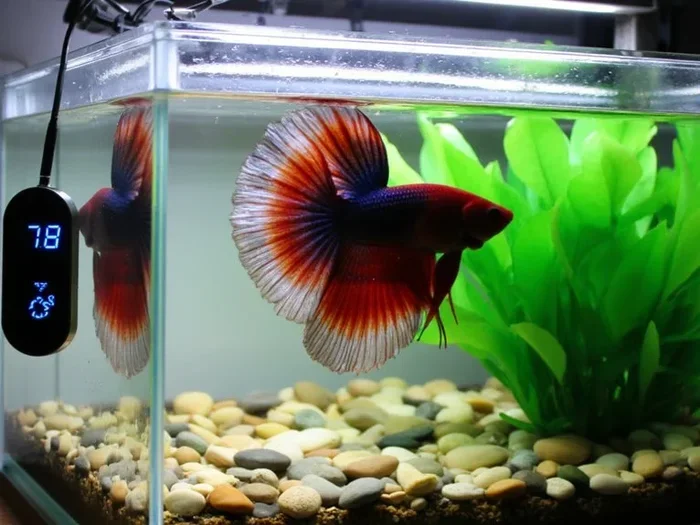
Cold water slows down a betta’s metabolism. When your fish is cold, it has no energy to eat. Use a heater to keep the tank at a steady 78 to 80 degrees Fahrenheit. This is the sweet spot for betta health and appetite.
When to Worry About Your Betta Not Eating
Occasionally skipping a meal is normal. Bettas can go a day or two without eating and be perfectly fine. But if your fish refuses food for more than three days, it is time to pay closer attention.
Watch for these warning signs:
- Lethargy: Your betta stays at the bottom of the tank and barely moves.
- Color fading: The vibrant colors start to look dull or faded.
- Clamped fins: Fins stay closed against the body instead of spreading out.
- Loss of buoyancy: Your fish struggles to stay upright or floats oddly.
If you notice any of these signs, check your water parameters first. Test for ammonia, nitrite, and nitrate levels. Poor water quality is the number one cause of appetite loss in bettas. If the water looks good, consider whether your fish might be sick. The article what to do when your betta fish won’t eat offers detailed steps for handling persistent feeding issues.
Building a Long-Term Feeding Routine
Training your betta to eat consistently is not a one-time effort. It is about building habits that last. Once your betta is eating regularly, you can relax a bit. But you should still keep an eye on a few things.
First, stick to your feeding schedule even on busy days. Set a phone reminder if you need to. Second, monitor your fish’s weight and body shape. A healthy betta has a rounded but not bloated belly. Third, keep a small log of what and when you feed. This helps you spot patterns and catch problems early.
Remember that every betta is different. Some are eager eaters from day one. Others need weeks of patience and gentle encouragement. The key is to stay consistent and never give up. With time, your betta will learn that your tank is a safe place to eat and thrive.
Quick Tips for Success
- Feed at the same times every day to build a predictable routine.
- Use high-protein foods like pellets, bloodworms, and brine shrimp.
- Keep the water temperature between 76 and 82 degrees Fahrenheit.
- Perform partial water changes weekly to maintain clean water.
- Dim the lights during feeding to create a calm atmosphere.
- Try hand feeding to build trust and encourage eating from your fingers.
- Skip one feeding per week to support healthy digestion.
- Never feed more than your betta can consume in two minutes.
Expert Insights on Betta Feeding Behavior
Experienced betta keepers agree that patience is the most important tool. Dr. Jessie Sanders, a certified aquatic veterinarian, often advises owners to observe their fish for at least a week before making major changes. “Bettas are individuals,” she says. “Some take to new foods right away, while others need a slow transition.”
Another expert tip is to use target feeding. This means using a small pipette or turkey baster to direct food right in front of your betta’s mouth. This works especially well for fish that are too stressed or lazy to chase food. Target feeding removes the guesswork and ensures your fish actually eats.
Many owners also find that adding a pinch of garlic supplement to their betta’s food stimulates appetite. Garlic contains natural compounds that attract carnivorous fish. It is a simple trick that can make a big difference for picky eaters.
Conclusion
How to train your betta fish to eat comes down to understanding your fish, staying consistent, and making small adjustments over time. Set a regular feeding schedule, offer high-quality food, and create a calm environment. Avoid common mistakes like overfeeding and dirty water. With patience and persistence, your betta will start eating regularly and thrive in its home.
Remember that every fish is unique. What works for one betta might not work for another. Keep experimenting, keep observing, and most importantly, keep enjoying the process. Your betta fish is lucky to have an owner who cares enough to learn how to help it eat better.
Frequently Asked Questions
How long can a betta fish go without eating?
Most healthy bettas can go three to five days without food without any serious issues. In fact, a short fasting period once a week helps with digestion. If your fish goes longer than five days without eating, check the water quality and look for signs of illness.
Why does my betta fish spit out its food?
Bettas often spit out food to break it down into smaller pieces. This is normal behavior and not a cause for concern. If your fish spits out food and refuses to eat it, the food might be too large or your betta may not like the type. Try switching to smaller pellets or a different food variety.
Can I train my betta fish to eat from my hand?
Yes, you absolutely can. Start by offering food near your hand on the water surface. Do this consistently for one to two weeks. Your betta will begin to associate your hand with food. Over time, it will swim up and eat directly from your fingers. This builds trust and makes feeding a special bonding experience.
What should I do if my betta fish still won’t eat after trying everything?
If your betta refuses food for more than three days despite your efforts, test the water parameters immediately. High ammonia or nitrite levels can suppress appetite. Also consider whether your fish might be sick. Look for symptoms like white spots, swollen belly, or clamped fins. If you suspect illness, consult a aquatic veterinarian or try treatment options like tetracycline for betta fish or a salt bath.
Is it normal for betta fish to be picky eaters?
Yes, bettas can be surprisingly picky. Some prefer pellets over flakes, while others only accept live food. Picky eating is common and usually not a sign of a health problem. Try offering different food types and rotating them to find what your betta enjoys. Patience and variety are your best tools for solving picky eating habits.
How does water temperature affect my betta’s appetite?
Water temperature plays a huge role in your betta’s metabolism and hunger. Cold water slows down digestion and makes your fish less active and less interested in food. Keep the tank between 76 and 82 degrees Fahrenheit for the best appetite and overall health. If your home is cold, consider upgrading to a reliable aquarium heater.