How to Move Betta Fish Across Country
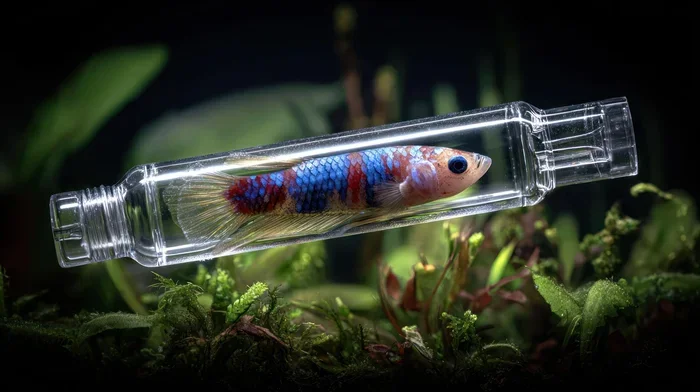
Moving a betta fish across country takes careful planning, the right supplies, and a calm approach. This guide walks you through every step, from pre-move preparation to setting up the new tank. Follow these tips to keep your betta healthy and happy through the entire journey.
Moving a betta fish across country might sound intimidating, but it is totally doable with the right approach. Whether you are relocating for a new job, moving to a new home, or just changing cities, your betta deserves a safe trip. This guide breaks down every step so you can feel confident about the process.
A betta fish cross country move is not like packing up a box of books. Your fish is a living creature that depends on stable water conditions, temperature, and low stress. Getting these details right makes all the difference between a smooth transition and a stressful ordeal for both you and your fish.
In this article, you will find everything you need to know about how to move betta fish across country without harming them. We cover preparation, packing, transport, setup, and post-move care. By the end, you will have a clear roadmap to follow.
Key Takeaways
- Plan ahead: Start preparing your betta fish at least two weeks before moving day.
- Use the right container: A clean, secure plastic bag or small insulated cooler works best for transport.
- Prepare water carefully: Use dechlorinated water at the right temperature to keep your fish safe.
- Set up the new tank first: Have the aquarium fully running before you introduce your betta.
- Watch for stress signs: Know what to look for and how to help your fish recover after the move.
- Avoid common mistakes: Don’t skip acclimation, overfeed, or rush the process.
📑 Table of Contents
- Why Moving Betta Fish Across Country Is Challenging
- Preparing Your Betta Fish Before the Move
- Packing and Transporting Your Betta Fish
- Setting Up the New Aquarium at Your Destination
- Helping Your Betta Fish Settle In After the Move
- Common Mistakes to Avoid When Moving Betta Fish
- Expert Tips for a Stress-Free Betta Fish Move
- When to Seek Professional Help
- Final Thoughts on Moving Betta Fish Across Country
Why Moving Betta Fish Across Country Is Challenging
Betta fish are sensitive creatures. They thrive in stable environments, and any sudden change can cause stress. When you move betta fish across country, you are exposing them to multiple stressors at once. Understanding these challenges helps you prepare better.
Temperature Changes
Betta fish need warm water, typically between 78 and 80 degrees Fahrenheit. During a long drive or flight, temperatures can drop or rise dramatically. Extreme temperature swings can shock your fish and weaken its immune system.
Water Quality Shifts
Different regions have different tap water compositions. The pH, hardness, and chlorine levels in your new location may differ from what your betta is used to. This mismatch can cause discomfort and health issues after the move.
Stress and Behavior Changes
Stress is the biggest enemy during a betta fish relocation. Stressed bettas may stop eating, become lethargic, or develop diseases like ich or fin rot. Keeping stress levels low should be your top priority throughout the entire process.
Preparing Your Betta Fish Before the Move
Preparation is the most important phase of any betta fish travel plan. Starting early gives you time to gather supplies, stabilize conditions, and reduce last-minute panic. Here is how to get ready.
Step 1: Gather Your Supplies
Before anything else, collect the items you will need. Having everything ready prevents rushed decisions on moving day.
- A clean plastic bag or small insulated cooler
- Dechlorinated water from the current tank
- A small battery-powered air pump or air stone
- Thermometer to monitor water temperature
- Towels and a secure cardboard box
- Tank divider or small temporary container
- Water conditioner for the new location
Step 2: Do a Partial Water Change
A day before the move, do a 25 percent water change in your betta’s tank. This removes waste and refreshes the water your fish will travel in. Use water that matches the current tank temperature exactly.
Step 3: Stop Feeding 24 Hours Before
Do not feed your betta for 24 hours before transport. A full stomach can cause digestive issues during the stress of travel. Fish can easily go a day without food, and an empty stomach reduces the risk of water fouling in the transport container.
Step 4: Check for Health Issues
Inspect your betta closely before the move. Look for torn fins, white spots, redness, or unusual behavior. If you notice any problems, address them before the trip. You do not want to treat a stressed betta fish during a cross-country journey if you can avoid it.
If you want more tips on keeping your betta healthy before a move, check out our guide on how to move a betta fish for additional preparation strategies.
Packing and Transporting Your Betta Fish
The way you pack and transport your betta directly affects how it handles the journey. A betta fish transport method needs to be secure, temperature-stable, and low-stress. Here is exactly how to do it.
The Bag Method
The most common method for short to medium transport is the bag method. Fill a clean, sturdy plastic bag halfway with tank water. Gently place your betta into the bag. Add a small amount of pure oxygen if possible, which extends the safe time window.
Tie the bag securely with a double knot. Place the bag inside a second bag for extra security. This double-bag approach prevents leaks and gives you a backup layer of protection.
The Insulated Cooler Method
For longer trips or colder weather, an insulated cooler works better. Place the bagged betta inside the cooler. Wrap a towel around the container to insulate it. The cooler keeps the temperature stable during the drive, which is especially important if you are traveling through areas with extreme heat or cold.
If you are moving betta fish long distance, consider how long the trip will take. A drive of more than six hours requires extra precautions. Plan stops every few hours to check on the water temperature and your fish’s condition.
During Transport
Keep the transport container in a stable position. Avoid placing it in the trunk where temperatures can soar. The passenger area of your car is usually the safest spot. If possible, have someone else hold the container steady during the drive to minimize jostling.
Do not open the bags during transport. Every time you open the bag, you expose your betta to temperature changes and increase stress. Trust the setup you have prepared and only check on your fish during planned stops.
For detailed advice on long-distance transport, our article on how to transport a betta fish long distance covers advanced techniques and additional safety measures.
Setting Up the New Aquarium at Your Destination
Arriving at your new home is not the time to rush. Setting up the tank properly before you introduce your betta makes a huge difference. The goal is to recreate a familiar, stable environment as quickly as possible.
Step 1: Set Up the Tank First
Before you even bring your betta inside, set up the aquarium. Place the tank in a quiet spot away from direct sunlight and drafts. Add the substrate, decorations, and plants. Fill the tank with water and let the filter and heater run for at least 24 hours before introducing your fish.
If you need help with the full setup process, our guide on how to set up a fish tank for betta fish provides a detailed walkthrough.
Step 2: Match the Water Parameters
Test the water in your new home. Compare the pH, ammonia, nitrite, and nitrate levels to what your betta was living in. If there are significant differences, adjust gradually. Use a water conditioner to neutralize chlorine and chloramine from tap water.
For detailed guidance on preparing water for your new setup, visit our article on how to prepare water for a betta fish.
Step 3: Keep the Temperature Consistent
Set your heater to maintain 78 to 80 degrees Fahrenheit. Use a reliable thermometer to monitor the temperature. If the new location has a different climate, you may need to adjust your heater settings or add extra insulation around the tank.
Step 4: Acclimate Your Betta Slowly
When the tank is ready, it is time to introduce your betta. Do not simply pour the fish into the new tank. Instead, float the sealed bag on the water surface for 15 to 20 minutes. This equalizes the temperature between the bag and the tank.
After the temperature match, slowly add small amounts of tank water to the bag over 30 minutes. This helps your betta adjust to the new water chemistry. Finally, use a net to gently transfer the fish into the tank. Discard the bag water to avoid introducing contaminants.
Helping Your Betta Fish Settle In After the Move
The first 48 to 72 hours after a betta fish cross country move are critical. Your fish needs time to adjust to the new surroundings, water parameters, and routine. Here is how to support a smooth transition.
Watch for Stress Signals
Common signs of stress include hiding at the bottom of the tank, refusing to eat, clamped fins, or rapid gilling. These behaviors are normal in the first day or two. However, if they persist beyond 48 hours, take action.
If your betta shows signs of prolonged stress, consider reading our guide on how to treat a stressed betta fish for helpful recovery strategies.
Feed Lightly at First
Offer a small amount of food after the first 12 hours. Do not overfeed. A small pinch of high-quality pellets or a few frozen brine shrimp is enough. Overfeeding in a new environment can pollute the water and make your betta feel worse.
Maintain a Quiet Environment
Keep the tank in a low-traffic area for the first few days. Avoid loud noises, sudden lights, and excessive handling. A calm environment helps your betta feel safe and reduces the risk of stress-related illness.
Monitor Water Parameters Daily
Test the water every day for the first week. Look for spikes in ammonia or nitrite. A new tank may experience mini-cycling, which can be dangerous for your fish. If you detect any issues, do a small water change immediately.
Be Patient
Every betta adjusts at its own pace. Some fish settle in within a day, while others take a week or more. Avoid the temptation to make frequent changes to the tank setup. Stability is key during this adjustment period.
Common Mistakes to Avoid When Moving Betta Fish
Even well-meaning fish owners make mistakes during a betta fish relocation. Knowing what to avoid saves you time, money, and most importantly, protects your fish.
Mistake 1: Using Tap Water Directly
Never use untreated tap water for transport or in the new tank. Chlorine and chloramine are harmful to bettas. Always use a water conditioner to make tap water safe before adding it to any container or tank.
Mistake 2: Overcrowding the Transport Container
Your betta needs room to breathe during transport. Do not add other fish to the same bag or container. A crowded space increases stress and reduces oxygen levels quickly.
Mistake 3: Skipping Acclimation
Some people dump their betta straight into the new tank to save time. This is a major mistake. The sudden change in water chemistry can cause shock. Always take the time to acclimate properly.
Mistake 4: Moving the Tank While Full of Water
Transporting a full aquarium is heavy and risky. Water sloshing around can crack the glass or spill, creating a dangerous situation. Drain most of the water before moving the tank, and refill at the new location.
Mistake 5: Ignoring Temperature During the Drive
Leaving the transport container in a cold car overnight or in direct sunlight during the day can be fatal. Keep the container in a temperature-controlled space at all times. Check it regularly throughout the trip.
Expert Tips for a Stress-Free Betta Fish Move
Experienced fish keepers follow a few extra steps that make a big difference. Here are some insider tips to help you succeed.
- Use tank water, not fresh water, for the transport bag. Your betta is already adapted to this water, which reduces shock.
- Add a splash of tank water to the bag every hour during long drives. This replenishes oxygen and keeps conditions stable.
- Pack a small sample of your current tank water. If your betta shows signs of illness after the move, having a sample helps you compare water parameters.
- Keep the lights off in the transport vehicle. Darkness calms bettas and reduces stress during the journey.
- Bring your betta’s favorite decorations. A familiar object in the new tank can help your fish feel more at home faster.
For more tips on keeping your betta strong and healthy before a big move, check out our article on how to make your betta fish stronger.
When to Seek Professional Help
Sometimes, despite your best efforts, things do not go as planned. If your betta shows signs of serious illness after the move, such as white spots, open sores, or complete refusal to eat for more than three days, it is time to seek help. A local fish veterinarian or experienced aquarist can provide targeted treatment.
If you are dealing with a health issue after the move, our guide on how to use tetracycline for betta fish can help you understand one common treatment option. Also, if your betta develops fin damage, our article on how to treat betta fish fin loss offers practical recovery advice.
Remember that a successful betta fish travel experience is not just about getting the fish from point A to point B. It is about ensuring the fish thrives in its new home for years to come. Taking the extra time to do things right pays off in a happy, healthy betta.
Final Thoughts on Moving Betta Fish Across Country
Moving betta fish across country is a manageable task when you approach it with patience and preparation. Start early, gather your supplies, pack carefully, and set up the new tank before your fish arrives. Watch for stress signals, acclimate slowly, and give your betta time to adjust.
The key to a successful move is minimizing stress at every stage. From the moment you stop feeding 24 hours before the trip to the day you introduce your betta to the new tank, every decision matters. Follow the steps in this guide, and you will give your betta the best possible chance for a smooth transition.
Your betta fish has been a loyal companion, bringing color and life to your home. It deserves a safe journey to its new home. With the right preparation and a little extra care, you can make that happen without any drama.
Take it one step at a time. Do not rush. And remember, a little extra effort during a move goes a long way toward keeping your betta fish happy and healthy for many years to come in its new environment.
Frequently Asked Questions
How long can a betta fish survive in a transport bag?
A healthy betta can survive in a properly prepared transport bag for 6 to 8 hours, sometimes up to 12 hours if the bag has extra oxygen. Keep the bag insulated and avoid temperature extremes. For trips longer than 8 hours, plan a midway stop to check on your fish and add fresh tank water.
Should I use bottled water or tap water for transporting my betta?
Always use water from your betta’s current tank for transport. If you need additional water, treat tap water with a conditioner to remove chlorine and chloramine. Never use untreated tap water or bottled mineral water, as these can harm your fish.
Can I move my betta fish in the same tank I travel with?
Moving a full tank is not recommended. The weight and risk of spilling make it impractical. Instead, transfer your betta to a clean, secure container with tank water. Set up the new tank at your destination before introducing your fish.
How do I keep my betta warm during a cold-weather move?
Use an insulated cooler with towels wrapped around the transport container. Place a thermometer inside to monitor the temperature. Avoid leaving the container in a cold car overnight. If the trip is very long, consider a small battery-powered heater designed for transport containers.
What should I do if my betta refuses to eat after the move?
It is normal for bettas to skip a meal or two after a move. Wait 48 hours before worrying. If your betta still refuses food after two days, check the water parameters and temperature. Offer a small amount of live or frozen food, which is more tempting than dry pellets during the adjustment period.
Is it better to move a betta fish by car or by air?
Driving is generally safer for betta fish because you control the temperature and can stop to check on your fish. Air travel introduces pressure changes, extreme temperatures, and rough handling. If driving is an option, it is the preferred method for moving betta fish across country.