How Much Food to You Feed a Betta Fish
Knowing how much food to you feed a betta fish is the single most important part of keeping your fish healthy and thriving. Overfeeding is the #1 killer of pet bettas, while underfeeding leads to malnutrition and a weak immune system. This guide breaks down the exact portion sizes, feeding frequency, and best food types so you can confidently care for your betta every single day.
You love your betta fish. You want it to thrive. But when it comes to how much food to you feed a betta fish, there is a lot of confusion out there. Some people say a few flakes. Others say just one pellet. The truth is, feeding your betta the right amount is simpler than you think — once you know the basics.
This guide will walk you through everything you need to know about betta fish portion sizes, feeding frequency, and the mistakes most beginners make. By the end, you will feel confident about your feeding routine and your fish will thank you for it.
Key Takeaways
- Feed 2-3 pellets per meal: This is the standard portion for most adult betta fish, adjusted based on food size and fish appetite.
- Feed twice a day: A morning and evening feeding routine works best for maintaining energy and digestion.
- Skip one day per week: Fasting once a week helps prevent constipation and keeps the digestive system healthy.
- Watch for overfeeding signs: Bloating, uneaten food, and cloudy water are clear signals you are giving too much.
- Quality food matters: High-protein pellets and frozen foods provide better nutrition than cheap flakes.
- Adjust for age and activity: Young bettas need more frequent meals, while older fish do better with smaller portions.
📑 Table of Contents
- Why Feeding the Right Amount Matters
- How Much Food Should You Feed a Betta Fish
- How Often Should You Feed a Betta Fish
- Best Foods for Betta Fish
- Common Feeding Mistakes to Avoid
- Signs Your Betta Is Getting the Right Amount of Food
- Adjusting Food Amounts for Special Situations
- Final Thoughts on How Much Food to Feed Your Betta
Why Feeding the Right Amount Matters
Feeding your betta fish the correct amount is not just about keeping it full. It is about long-term health. A betta that eats too much can develop serious problems. A betta that eats too little will slowly lose strength and color.
Overfeeding is the most common mistake betta owners make. Bettas have small stomachs — about the size of their eye. That means even a few extra pellets can cause bloating, constipation, and swim bladder issues. In severe cases, overfeeding can actually be fatal.
On the other hand, underfeeding leads to malnutrition. Your betta will become weak, its colors will fade, and it will be more vulnerable to diseases. Finding the sweet spot is key.
The Betta Fish Stomach Size
Here is a fun fact that changes everything. A betta fish stomach is roughly the size of its eyeball. That is tiny. So when you think about how much food to you feed a betta fish, imagine fitting a few small pellets into that little space. That is all your betta needs at each meal.
This is why many experienced fish keepers recommend the “eyeball rule.” If the food you are offering looks bigger than your betta’s eye, cut it down. This simple trick helps you avoid overfeeding without any measuring tools.
How Much Food Should You Feed a Betta Fish
The answer to how much food to you feed a betta fish depends on a few factors. These include the type of food, the age of your fish, and its activity level. Let us break it down so it is easy to understand.
Standard Pellet Feeding Guide
Most high-quality betta pellets are the go-to food for pet bettas. Here is a simple guide:
- Adult bettas: Feed 2 to 3 pellets per meal, twice a day.
- Young bettas (under 6 months): Feed 3 to 4 pellets per meal, twice a day.
- Senior bettas (over 2 years): Stick to 2 pellets per meal, once or twice a day.
These numbers work for most standard-sized pellets. If you use mini pellets, you may need to add one or two more. If you use large pellets, you might need fewer. Always observe your fish after feeding to see how it responds.
How Many Pellets to Feed a Betta Fish
If you want a more detailed breakdown, this guide on pellet portions goes deeper into the numbers. The general rule remains the same: small amounts, fed consistently, with room for your betta to finish everything within two minutes.
A good way to check if you are feeding the right amount is the “two-minute rule.” Drop the pellets in the tank and watch your betta eat. If there is still food left after two minutes, you gave too much. Remove the uneaten food right away to keep the water clean.
How Often Should You Feed a Betta Fish
Frequency matters just as much as portion size. Most experts agree that feeding twice a day is the sweet spot for adult bettas. This mimics their natural eating pattern in the wild, where they would eat several small meals throughout the day.
This detailed guide on feeding frequency covers the science behind why twice-daily meals work so well. The key is consistency. Bettas do best when they know when to expect food. It reduces stress and keeps their digestive system running smoothly.
Creating a Feeding Schedule
Here is a simple feeding schedule you can follow:
- Morning feeding: Give 2-3 pellets when you turn on the lights.
- Evening feeding: Give 2-3 pellets about 8-10 hours later.
- One fasting day per week: Skip both meals on one day, usually a weekend day.
Sticking to a schedule helps you track how much your betta is eating. It also makes it easier to spot changes in appetite, which can be an early warning sign of illness.
Best Foods for Betta Fish
Not all fish food is created equal. The quality of food you choose directly affects how much your betta needs and how well it stays healthy. Let us look at the best options.
High-Quality Pellets
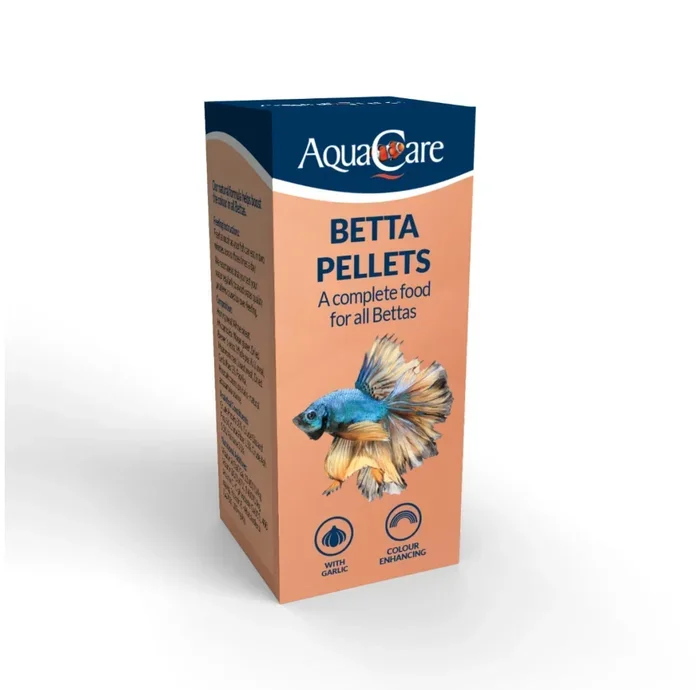
Betta-specific pellets should be the foundation of your fish’s diet. Look for pellets that list fish meal or whole fish as the first ingredient. Avoid pellets filled with fillers like corn starch or wheat flour. These offer little nutritional value and can cause bloating.
Some top brands that betta keepers trust include Hikari Betta Bio-Gold, Omega One Betta Buffet, and Fluval Bug Bites. These are all high-protein options that provide the nutrition your betta needs without excess fillers.
Frozen and Live Foods
Adding variety to your betta’s diet is great for its health. Frozen bloodworms, brine shrimp, and daphnia make excellent treats. You can also offer live foods like brine shrimp or microworms occasionally.
Use frozen or live foods as supplements, not replacements. They should make up about 10-20% of the diet. Pellets should still be the main staple. Too much treat food can lead to nutritional imbalances.
Foods to Avoid
Not everything you find at the pet store is good for your betta. Here are foods to steer clear of:
- Flakes designed for tropical fish: These lack the protein bettas need and often contain fillers.
- Goldfish food: It is not formulated for bettas and can cause digestive issues.
- Bread or crackers: These expand in the stomach and can cause serious blockages.
- Human food in general: Bettas are carnivores. They need protein-rich food, not vegetables or grains.
Common Feeding Mistakes to Avoid
Even experienced betta owners make feeding mistakes sometimes. Here are the most common ones and how to fix them.
Overfeeding
This is the number one mistake. It is easy to think your betta is hungry when it swims to the front of the tank. But bettas learn to associate your presence with food. They will beg even when they are full. Stick to the recommended portion size and do not give in to those begging eyes.
If you want to learn more about the dangers of giving your betta too much, check out this article on overfeeding betta fish. It covers the signs, symptoms, and what to do if your fish has eaten too much.
Inconsistent Feeding
Skipping days randomly or feeding at different times every day can stress your betta. Fish thrive on routine. Pick a schedule and stick to it. Even on days when you are busy, set a phone reminder so you do not forget.
Ignoring Uneaten Food
Leftover food decays quickly in warm water. It releases ammonia, which is toxic to bettas. Always remove uneaten food within a few minutes of feeding. A small net or turkey baster works great for this.
Signs Your Betta Is Getting the Right Amount of Food
How do you know your feeding routine is working? Watch for these positive signs:
- Bright, vibrant colors: A well-fed betta will have rich, deep colors.
- Active swimming: Your fish should move around the tank with energy and curiosity.
- Healthy appetite: Your betta should eat eagerly but stop when full.
- Regular waste: Firm, dark waste is a sign of healthy digestion.
- No bloating: The belly should be a normal size, not swollen or distended.
If you notice any of these warning signs, it might be time to adjust your portions. A betta that is losing weight, acting lethargic, or refusing food may need a different feeding approach.
Adjusting Food Amounts for Special Situations
Every betta is different. Here are some situations where you may need to tweak the standard feeding amounts.
Bettas with Health Issues
If your betta is recovering from illness or surgery, it may need smaller, more frequent meals. Some fish keepers soak pellets in tank water before feeding to make them softer and easier to digest. Always consult a vet if your fish is showing signs of illness.
Bettas During Water Changes
After a water change, it is a good idea to feed a slightly smaller portion. Fresh water can sometimes cause stress, and a heavy meal on top of that can upset the digestive system. Wait a few hours after a water change before feeding normally again.
Bettas in Community Tanks
If your betta shares a tank with other fish, it may not get all the food you offer. In this case, you might need to increase the portion slightly or use a feeding ring to keep pellets in one place. This ensures your betta gets its fair share before other fish grab it.
Final Thoughts on How Much Food to Feed Your Betta
Getting the amount of food right for your betta fish is one of the easiest ways to add years to its life. Remember the basics: 2-3 pellets, twice a day, with one fasting day per week. Watch your fish for cues, adjust as needed, and always choose high-quality food.
Feeding your betta properly does not have to be complicated. With a little consistency and attention, you will have a happy, healthy fish that shows off its beautiful colors every day. The effort you put into getting the feeding amount right pays off in a vibrant, active betta that brings joy to your home.
Start today by measuring out your next meal. Your betta will feel better, swim better, and live better because of it.
Frequently Asked Questions
How much food should I give my betta fish per meal?
The standard recommendation is 2 to 3 pellets per meal for adult bettas. If you use smaller pellets, you may need 4 to 5. The key is to offer only what your fish can eat within two minutes. Any leftover food should be removed immediately to protect water quality.
Can I feed my betta fish once a day instead of twice?
While some owners feed once a day, twice-daily feedings are generally better for bettas. It mimics their natural eating pattern and helps maintain steady energy levels. If you feed once a day, make sure the portion is slightly larger to meet your fish’s daily nutritional needs.
What happens if I overfeed my betta fish?
Overfeeding can cause bloating, constipation, swim bladder disorder, and poor water quality from uneaten food rotting in the tank. In serious cases, it can lead to organ damage or death. Always stick to the recommended portion sizes and remove any uneaten food promptly.
How do I know if I am feeding my betta the right amount?
A well-fed betta will have bright colors, active behavior, a healthy appetite, and firm waste. If your fish is bloated, lethargic, or consistently leaves food uneaten, you are likely feeding too much. Adjust portions down and observe how your fish responds over the next few days.
Should I skip feeding my betta fish on weekends?
Skipping one day of feeding per week is actually beneficial for bettas. It gives their digestive system a rest and helps prevent constipation. Pick a consistent day each week for the fast, and your fish will be just fine without one day of food.
Can I feed my betta fish human food like peas or bread?
Peas can be offered occasionally as a treat and may help with constipation, but bread and other human foods should never be given. Bettas are carnivores and need protein-rich diets. Stick to high-quality betta pellets and occasional frozen or live foods for the best results.