How Can You Tell When Your Betta Fish Is Sick
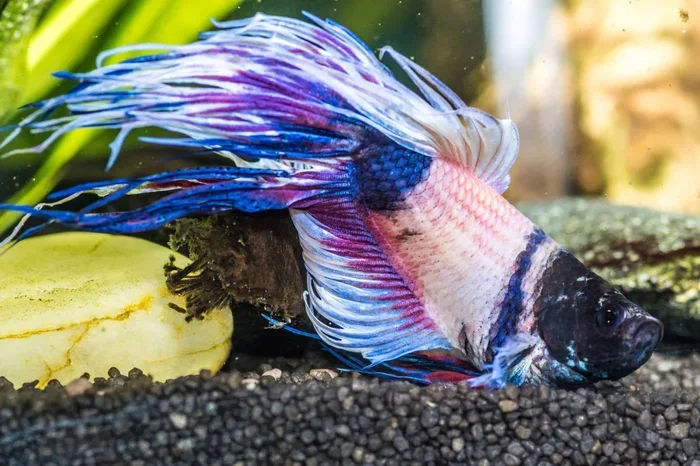
Knowing how can you tell when your betta fish is sick is one of the most important skills every fish owner needs. Changes in appetite, swimming behavior, body color, and breathing patterns are all early warning signs that your betta needs attention. This guide walks you through every symptom, common disease, and practical step you can take to keep your betta healthy.
Watching your betta fish swim gracefully around its tank is one of the most relaxing joys of fish keeping. But what happens when your colorful companion starts acting differently? Maybe it stops eating. Or perhaps its fins look tattered and dull. These small changes can feel easy to ignore, but they often carry a big message. How can you tell when your betta fish is sick? The truth is, betta fish show clear warning signs before an illness becomes serious. Once you learn to read these signals, you can step in early and make a real difference. This guide covers every sign, symptom, and solution you need to keep your betta thriving.
Betta fish are hardy creatures, but they are not invincible. They live in small tanks, bowls, and sometimes even cramped setups that slowly wear down their health. Temperature swings, dirty water, and poor nutrition all add up over time. The good news is that most common betta fish illnesses are preventable and treatable. You just need to know what to look for. Whether you are a complete beginner or a seasoned betta keeper, understanding the signs of sickness is the foundation of proper betta fish care. Let us dive into the details.
Key Takeaways
- Watch for appetite changes: Refusing food is often the first sign your betta fish is unwell.
- Observe swimming behavior: Lethargy, floating sideways, or rubbing against objects signal trouble.
- Know the common diseases: Fin rot, ich, and dropsy are the most frequent illnesses betta fish face.
- Water quality matters: Poor tank conditions are the leading cause of betta fish sickness.
- Act fast: Early detection and treatment greatly improve your betta’s chances of full recovery.
- Prevention is simple: Regular tank maintenance and a balanced diet keep most illnesses at bay.
📑 Table of Contents
Recognizing the Early Signs of a Sick Betta Fish
The earliest signs of illness are subtle. A betta fish that feels unwell rarely announces it loudly. Instead, it shows small behavioral and physical changes that you can easily miss. Paying close attention to your fish every day is the single best way to catch problems early. Here are the most common early warning signs to watch for.
Changes in Appetite and Eating Habits
A healthy betta fish is an eager eater. It will swim to the surface the moment you drop food into the tank. If your betta suddenly ignores food or eats much less than usual, something is wrong. Appetite loss is one of the very first sick betta symptoms owners notice. Some fish may spit out food repeatedly. Others simply hover near the bottom and show zero interest. A missed meal here and there is normal, but refusing food for more than two days is a red flag. Try offering a different type of food to rule out picky eating. If your betta still refuses, it is time to investigate further.
Unusual Swimming Patterns
Betta fish have unique swimming styles, but illness changes how they move. A healthy betta glides smoothly through the water with flowing fins. When sickness sets in, you might notice your fish swimming erratically or struggling to stay upright. Some bettas start tilting to one side. Others sink to the bottom and cannot swim back up. A betta that rubs its body against the gravel or tank decorations may be trying to relieve irritation caused by parasites. Any sudden change in your betta’s swimming pattern deserves your immediate attention. These movement changes are among the clearest indicators that something is off with your betta fish health.
Lethargy and Hiding Behavior
Betta fish are curious and active by nature. They explore their tank, build bubble nests, and interact with their surroundings. A sick betta, on the other hand, becomes unusually quiet. It may hide behind plants or decorations for long periods. Some fish simply float in one spot without moving. This kind of betta fish lethargy is a serious warning sign. If your normally energetic betta suddenly seems tired all the time, do not wait it out. Monitor the situation closely and check your water parameters. Lethargy often points to an underlying issue that needs prompt attention.
Common Symptoms That Signal Illness
Beyond behavior changes, sick betta fish display physical symptoms that are hard to miss once you know what to look for. Regular visual checks of your fish will help you spot these signs quickly. Here are the most common physical symptoms of a sick betta.
Faded or Discolored Body
A vibrant betta fish has rich, bold colors. When illness strikes, those colors often fade. You may notice white patches, dullness, or a washed-out appearance. Some fish develop a pale or grayish tint across their body. Color changes happen because sickness stresses the fish and disrupts its natural pigmentation. If your betta looks noticeably less colorful than usual, it is worth investigating further. This is one of the most visible betta fish disease signs and an easy way to monitor your fish’s condition at a glance.
Fins Clamped or Frayed
Healthy betta fins spread wide and flow beautifully through the water. When a betta is sick or stressed, it often clamps its fins tightly against its body. This is a protective instinct. Frayed or torn fins can also signal a bacterial or fungal infection. Fin rot is a common condition that eats away at the edges of the fins, leaving them looking ragged and uneven. If you notice your betta’s fins looking worse over several days, do not ignore it. Early treatment can stop the damage from spreading and help your fish regrow healthy fins.
Labored Breathing and Gasping
Watching your betta breathe is a simple but powerful health check. A healthy betta takes slow, steady breaths. If your fish starts breathing rapidly or gasping at the surface, something is seriously wrong. Labored breathing often points to low oxygen levels, poor water quality, or a gill infection. Betta fish have a special organ called the labyrinth that allows them to breathe air from the surface. But if your betta is constantly gasping and staying near the top, it is a clear cry for help. Test your water parameters immediately and consider a partial water change.
Swollen Belly or Bloating
A slightly rounded belly is normal for betta fish. But a swollen, tight, or distended abdomen is not. Bloating can result from overfeeding, constipation, or a more serious condition called dropsy. Fish with dropsy develop pinecone-like scales that stick out from the body. This is a very serious illness that requires immediate action. If your betta’s belly looks unusually large and its scales are raised, seek treatment right away. The sooner you address swelling, the better the chances of recovery.
The Most Common Betta Fish Diseases
Understanding the specific diseases that affect betta fish helps you identify and treat problems faster. Different illnesses show different symptoms, and knowing what to look for makes all the difference. Here are the three most common diseases that cause bettas to fall ill.
Fin Rot and Tail Rot
Fin rot is a bacterial infection that eats away at the fins and tail. It is one of the most common illnesses in betta fish. You will notice the edges of the fins turning white, then brown or black. The fins may also appear to be melting away. Fin rot usually happens in dirty water or after an injury. It spreads quickly if left untreated. The good news is that fin rot responds well to early treatment. A partial water change and a broad-spectrum fish medication often do the trick. Keeping your tank clean is the best way to prevent fin rot from ever taking hold.
Ich (White Spot Disease)
Ich is a parasitic infection that shows up as tiny white spots on your betta’s body and fins. It looks like your fish has been dusted with salt. Ich is highly contagious and spreads fast through a tank. Fish with ich often scratch against objects because the parasites cause intense irritation. The good news is that ich is very treatable. Raising the water temperature slightly and using a medication designed for ich can clear up the infection within a week or two. If you notice white spots on your betta, act quickly to protect your other fish too.
Dropsy and Internal Infections
Dropsy is one of the most severe illnesses a betta fish can face. It causes the body to swell dramatically and the scales to poke outward like a pinecone. Dropsy is actually a symptom of kidney failure, not a disease itself. It is often caused by poor water quality or bacterial infections that attack internal organs. Treatment is difficult, and many fish do not survive dropsy. This is exactly why prevention matters so much. Maintaining excellent water conditions and feeding a balanced diet are your best defenses against this devastating illness.
| Disease | Key Symptoms | Common Cause | Treatment Difficulty |
|---|---|---|---|
| Fin Rot | Frayed fins, white or black edges | Poor water quality | Easy |
| Ich | White spots, scratching, rapid breathing | Parasite introduction | Moderate |
| Dropsy | Swollen belly, raised scales | Internal bacterial infection | Very Difficult |
Environmental Causes of Betta Fish Illness
Most betta fish get sick because of their environment, not because of genetics or bad luck. Understanding what makes your betta vulnerable helps you fix the root cause and prevent future illness. Two factors stand out as the biggest culprits: water quality and temperature.
Poor Water Quality
Dirty water is the number one enemy of betta fish health. Ammonia and nitrite levels rise quickly in small, unfiltered tanks. These toxins burn the fish’s gills and weaken its immune system. A betta living in poor water will show signs of stress, discoloration, and disease. Testing your water regularly with a simple liquid test kit is essential. You should also perform partial water changes at least once a week. If you want to learn more about maintaining a clean habitat, check out how often you should clean your betta fish bowl for a detailed guide on tank maintenance schedules.
Temperature Stress
Betta fish are tropical creatures that need warm, stable water. The ideal temperature range is between 76 and 82 degrees Fahrenheit. Water that is too cold slows down the fish’s metabolism and makes it susceptible to illness. Water that is too hot reduces oxygen levels and causes stress. A reliable aquarium heater is not optional for betta fish. It is a necessity. Sudden temperature changes are just as dangerous. Always acclimate new water to match the tank temperature before adding it. Stable temperatures keep your betta’s immune system strong and ready to fight off infection.
What to Do When Your Betta Fish Gets Sick
Discovering that your betta fish is sick can feel overwhelming, but staying calm is the first step toward helping your fish recover. Quick, thoughtful action makes a huge difference. Here is a clear plan to follow when you notice signs of illness.
- Observe and document symptoms. Write down what you see. Note any changes in behavior, appearance, or eating habits. This information helps you identify the problem faster.
- Test the water. Check ammonia, nitrite, nitrate, and pH levels. Poor water parameters are the most common trigger for betta fish illness. Fix any water quality issues first.
- Quarantine if possible. If you have other fish, move the sick betta to a separate hospital tank. This prevents the spread of disease and makes treatment easier.
- Treat with appropriate medication. Choose a treatment based on the symptoms. Fin rot needs antibiotics. Ich requires anti-parasite medication. Follow the dosage instructions carefully.
- Support recovery with proper care. Feed high-quality food in small amounts. Keep the water clean and warm. Give your fish time and patience to heal.
If you are unsure about the diagnosis or the illness seems severe, it is always a good idea to consult a veterinarian who specializes in fish. Many online fish forums and communities can also offer helpful advice based on your specific symptoms. The sooner you start treatment, the better the outcome for your betta.
How to Keep Your Betta Fish Healthy and Happy
Prevention is always better than cure. A healthy betta fish rarely gets sick in the first place. By setting up the right environment and sticking to a simple care routine, you can keep your fish vibrant and full of life. Here are the most effective ways to protect your betta’s health.
- Keep the tank clean. Regular water changes and filter maintenance remove harmful toxins before they build up.
- Maintain stable temperatures. Use a heater and thermometer to keep the water in the ideal range.
- Feed a balanced diet. High-quality betta pellets, frozen brine shrimp, and occasional treats provide complete nutrition. Learn more about feeding your betta fish brine shrimp as a nutritious supplement.
- Avoid overfeeding. Excess food rots in the water and pollutes the tank. Feed small amounts twice a day.
- Watch your fish daily. A quick visual check every morning helps you catch problems before they escalate.
- Minimize stress. Avoid sudden changes in lighting, loud noises, and aggressive tank mates. A calm environment supports a strong immune system.
A happy, healthy betta fish is a beautiful addition to any home. By staying attentive and proactive, you create the conditions where your fish can truly thrive. Remember that every betta fish is different. Some are hardy and resilient. Others are more sensitive and need extra care. Learning your individual fish’s habits and preferences is the best investment you can make as a betta owner.
Conclusion
How can you tell when your betta fish is sick? Now you have the answer. From appetite changes and clamped fins to labored breathing and swollen bellies, your betta gives you plenty of warning signs. The key is to pay attention and act quickly. Early detection saves lives. Most common betta fish illnesses are treatable when caught in time. By maintaining clean water, stable temperatures, and a nutritious diet, you dramatically reduce the risk of sickness. Keep observing your fish every day, trust your instincts, and never hesitate to seek help when something feels off. Your betta fish depends on you for its well-being, and with the knowledge you have gained, you are well equipped to give it a long, healthy, and happy life.
Frequently Asked Questions
How can you tell if your betta fish is sick just by looking at it?
You can often tell by checking for faded colors, clamped fins, swollen belly, white spots, or torn fins. These visible changes are among the clearest signs that something is wrong with your betta’s health.
What is the first sign that a betta fish is getting sick?
The first sign is usually a loss of appetite. A healthy betta eagerly eats every time you feed it. If your fish starts ignoring food or eating much less, it is time to investigate further.
Can a sick betta fish recover on its own?
Mild cases of stress or minor fin damage may heal on their own if you improve water conditions. However, most diseases need proper treatment to fully resolve. Acting early gives your betta the best chance of a complete recovery.
How do I know if my betta fish is dying or just sick?
A dying betta shows extreme symptoms like inability to swim, complete loss of color, and lying motionless at the bottom. A sick betta still has some energy and may respond to treatment. If you are unsure, check out how do you know if your betta fish is dying for detailed guidance on distinguishing between the two.
Is it safe to use tap water for a sick betta fish?
Tap water contains chlorine and chloramine that can harm sick fish even more. Always use treated or dechlorinated water for your betta. You can learn more about using tap water safely for your betta fish before making any water changes.
What should I do if my betta fish stops eating?
First, check your water parameters for ammonia or nitrite spikes. Then try offering a different food type. If your betta refuses food for more than two days, examine it for other symptoms and consider starting treatment for common illnesses.