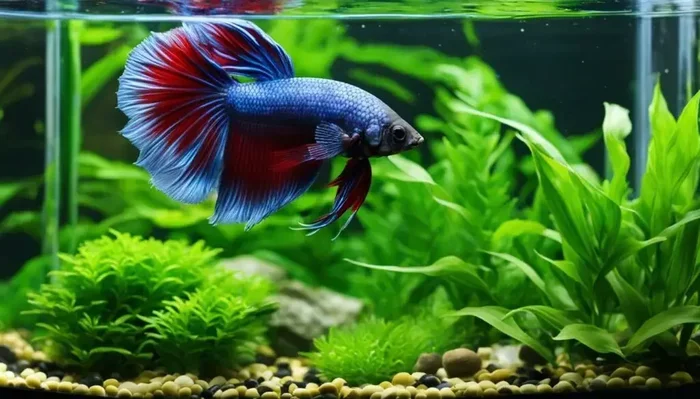
Do Betta Fish Like Heavily Planted Tanks for Better Health

Betta fish often thrive in heavily planted tanks because live plants mimic their natural habitat. These lush environments provide hiding spots, improve water quality, and reduce stress for your colorful friend. However, you must balance plant growth with open swimming space to keep your betta happy and healthy.
Many people wonder do betta fish like heavily planted tanks. The short answer is yes, they often do very well. Betta fish come from shallow, slow-moving waters in Southeast Asia. These natural homes are full of plants, roots, and leaves. When you bring a betta into your home, you want to make them feel safe. A tank full of green plants can look beautiful. It also helps your fish live a longer, happier life.
Setting up a planted tank takes some planning. You need to choose the right plants. You also need to make sure your fish can swim and breathe. Some owners worry that too many plants might crowd the fish. This is a valid concern. We will look at the good points and the tricky parts. You will learn how to create a perfect home for your betta.
Key Takeaways
- Natural Habitat Mimicry: Heavily planted tanks closely resemble the shallow, vegetated waters where bettas originate in the wild.
- Water Quality Improvement: Live plants absorb nitrates and toxins, acting as natural filtration for your aquarium.
- Stress Reduction: Dense foliage offers secure hiding places, helping shy or aggressive bettas feel more secure.
- Surface Access is Critical: Ensure some parts of the water surface remain open for your betta to breathe air easily.
- Plant Selection Matters: Choose hardy, non-toxic plants like java fern or anubias that thrive in low-flow conditions.
- Maintenance Requirements: Dense plant growth requires regular trimming and nutrient management to prevent decay.
- Lighting Balance: Provide appropriate lighting cycles to support plant growth without causing excessive algae blooms.
📑 Table of Contents
- Understanding the Natural Habitat of Betta Fish
- The Benefits of a Heavily Planted Tank for Bettas
- Potential Challenges of Dense Planting
- Choosing the Right Plants for Your Betta
- Setting Up Your Planted Betta Tank
- Maintaining a Healthy Planted Environment
- Common Mistakes to Avoid
- Expert Insights on Planted Tanks
- Conclusion
Understanding the Natural Habitat of Betta Fish
To understand do betta fish like heavily planted tanks, we must look at where they come from. Wild bettas live in rice paddies, streams, and ponds. These water bodies are not empty. They are filled with vegetation. The plants provide shade and cover. This helps the fish hide from predators. It also gives them places to rest.
In the wild, water flow is usually very slow. Heavy plants slow down the water even more. This is good for bettas. They do not like strong currents. Their long fins make swimming hard in fast water. A planted tank mimics these calm conditions. It creates a environment that feels familiar to them.
Why Vegetation Matters in the Wild
Vegetation serves many purposes in nature. It offers protection. It provides food sources like small insects or larvae. It also helps keep the water clean. Plants absorb waste products. This creates a healthier ecosystem. When you replicate this at home, you support your fish’s natural instincts.
Many owners ask do betta fish always need light to grow these plants. While plants need light, bettas do not need bright lights all the time. They prefer dimmer conditions similar to their shaded natural homes. You can balance plant needs with fish comfort. Use a timer for your aquarium light. This keeps things consistent.
The Benefits of a Heavily Planted Tank for Bettas
There are many good reasons to add lots of plants. The question do betta fish like heavily planted tanks is often answered by seeing a happy fish. Plants do more than just look nice. They play a big role in the health of your aquarium. Here are the main benefits you can expect.
Improved Water Quality
Live plants are like natural filters. They take in nitrates from the water. Nitrates are waste products from fish food and waste. High nitrate levels can hurt your fish. Plants help lower these levels. This means fewer water changes for you. It also means a safer home for your betta.
Plants also produce oxygen during the day. This helps the fish breathe. However, bettas have a special organ. They can breathe air from the surface. So, oxygen from plants is a bonus, not a requirement. Still, cleaner water is always better.
Stress Reduction and Security
Bettas can be shy or aggressive. They need places to hide. If a fish feels exposed, it gets stressed. Stress weakens their immune system. This makes them sick easier. Dense plants give them a place to retreat. If they feel threatened, they can swim into the leaves.
This is especially important if you have tank mates. You might wonder do betta fish and tetras get along. Sometimes they do, but bettas may chase them. Plants provide barriers. This breaks the line of sight. It gives the other fish a chance to hide. It reduces aggression in the tank.
Encouraging Natural Behaviors
A planted tank encourages your betta to act naturally. They will explore the leaves. They might build bubble nests among the plants. This is a sign of a happy male betta. They feel secure enough to breed. Even if you do not breed them, nesting shows they are comfortable.
You might also notice your fish resting on leaves. Betta fish often sleep on broad leaves. They like to rest near the bottom or mid-water. Plants provide perfect resting spots. This helps them save energy. It is a very relaxing sight for owners.
Potential Challenges of Dense Planting
While plants are great, there are some things to watch. Asking do betta fish like heavily planted tanks also means asking if there are downsides. Too much of a good thing can cause problems. You need to manage the tank carefully. Here are the common challenges owners face.
Access to the Water Surface
Bettas have a labyrinth organ. This lets them breathe air from above the water. They must be able to reach the surface easily. If plants grow all the way to the top, it blocks them. This can be dangerous. Your fish might struggle to get air.
You must leave open spaces at the top. Do not let floating plants cover the entire surface. Some cover is okay. It provides shade. But too much blocks air access. Make sure there are clear gaps. This ensures your betta can breathe without stress.
Maintenance and Decay
Live plants need care. They grow and shed leaves. Dead leaves rot in the water. This creates ammonia. Ammonia is toxic to fish. In a heavily planted tank, you must trim often. Remove dead parts quickly.
You also need to feed the plants. They need fertilizers sometimes. You must balance nutrients. Too many nutrients cause algae. Algae can take over the tank. It competes with your plants. It also makes the tank look dirty. Regular cleaning is key to success.
Swimming Space
Bettas are not fast swimmers. But they still need room. If the tank is packed tight, they cannot move. They might get frustrated. They need to patrol their territory. A crowded tank limits this behavior.
Ensure you have open areas on the substrate. Leave some paths through the plants. This allows your fish to swim freely. It balances the security of plants with the need for exercise.
Choosing the Right Plants for Your Betta
Not all plants are safe for bettas. Some are too delicate. Some need high light. You need hardy plants that match betta needs. When considering do betta fish like heavily planted tanks, the type of plant matters. Here are some top choices for your aquarium.
Java Fern and Anubias
These are excellent choices. They are very hardy. They do not need strong light. They grow slowly. This means less maintenance for you. You can attach them to rocks or wood. They do not need to be buried in the substrate. This keeps the bottom clear for your fish.
Floating Plants
Floating plants are great for shade. They help reduce light intensity. This calms the fish. Examples include frogbit or salvinia. Just remember to limit their coverage. Keep some surface open for breathing. They also soak up nutrients from the water. This helps prevent algae.
Stem Plants
Stem plants grow tall and thin. They create a forest-like look. You can plant them in the background. They provide good cover. Examples include hornwort or bacopa. They grow fast. You will need to trim them often. But they look very lush.
Setting Up Your Planted Betta Tank
Setting up the tank requires thought. You want a balance of beauty and function. Start with the substrate. Plants need nutrients in the soil. Use a planted tank substrate. Or add root tabs to regular gravel. This helps the plants grow strong.
Next, think about lighting. Plants need light to photosynthesize. But bettas prefer dimmer light. Use a LED light with adjustable intensity. Set it on a timer. Eight hours a day is usually enough. This prevents algae growth. It also gives your fish a day-night cycle.
Filtration is also important. You need clean water. But bettas hate strong flow. Use a gentle filter. A sponge filter works well. It cleans the water without pushing the fish around. Plants also help clean the water. This reduces the load on your filter.
Cycling the Tank
Before adding your fish, cycle the tank. This builds good bacteria. These bacteria break down waste. Plants help this process too. They absorb some waste directly. But you still need the bacteria. Wait until the water tests are safe. Then add your betta.
Add plants first. Let them settle in. This establishes the environment. Then introduce the fish. This reduces stress on the betta. They enter a ready home. It is a smoother transition for everyone.
Maintaining a Healthy Planted Environment
Keeping the tank healthy takes routine. You need to check water parameters. Test for ammonia and nitrates. Even with plants, waste builds up. Regular water changes are still needed. Change about twenty-five percent every week.
Trim your plants regularly. Remove yellow or dead leaves. This keeps the tank looking good. It also prevents decay. Watch for algae growth. If you see algae, reduce the light. Or add algae eaters. You might ask do betta fish and algae eaters get along. Some do, but be careful with tank mates.
Feed your fish properly. Do not overfeed. Extra food rots and harms plants. It also dirty the water. Feed small amounts twice a day. Watch your betta eat. Remove any food they do not eat. This keeps the planted environment clean.
Monitoring Fish Behavior
Watch your betta closely. Are they hiding too much? Or are they swimming openly? Both are signs. If they hide all the time, they might be stressed. Check water quality. Check if plants block the surface. Adjust as needed.
A healthy betta explores. They will swim among the plants. They will investigate new leaves. This shows they feel safe. If they look bright and active, your tank is working. You have successfully answered do betta fish like heavily planted tanks with a happy fish.
Common Mistakes to Avoid
Many new owners make mistakes. Avoiding these helps your fish thrive. Here are some common errors when setting up a planted tank.
- Blocking the Surface: Letting plants cover the entire top of the water.
- Overcrowding: Adding too many plants without open swimming paths.
- Wrong Lighting: Using lights that are too bright or on for too long.
- Neglecting Maintenance: Not trimming dead leaves or cleaning the substrate.
- Toxic Plants: Using plants that are not safe for aquarium fish.
- Strong Flow: Using a filter that creates too much current for the betta.
Avoiding these mistakes ensures a safe home. Your betta will thank you. They will show vibrant colors. They will live a longer life. A well-planned tank is worth the effort.
Expert Insights on Planted Tanks
Experienced keepers suggest starting small. Do not fill the tank all at once. Add plants gradually. This lets you learn their growth patterns. It also lets you adjust lighting. You can see how your betta reacts. Some bettas love dense cover. Others prefer more open space.
It is also wise to research plant compatibility. Some plants need CO2 injection. This is complex for beginners. Stick to low-tech plants first. Java moss and anubias are forgiving. They grow in simple setups. This makes success more likely. You want a hobby that is enjoyable, not stressful.
Remember that every fish is unique. What works for one betta might not work for another. Observe your specific fish. Their behavior tells you what they need. If they seem calm, you are on the right track. If they seem agitated, make changes. Your goal is their well-being.
Conclusion
So, do betta fish like heavily planted tanks? Yes, they often thrive in them. Plants provide safety, clean water, and natural stimulation. They mimic the wild environment where bettas originate. However, you must manage the setup carefully. Ensure your fish can reach the surface. Keep swimming paths open. Maintain the plants to prevent decay.
With the right balance, a planted tank is beautiful. It is also healthy for your pet. You create a mini ecosystem in your home. Your betta gets a rich environment. You get a stunning display to enjoy. Take your time setting it up. Watch your fish adjust. You will see the benefits in their health and happiness.
Frequently Asked Questions
Do betta fish need plants to survive?
No, betta fish do not strictly need live plants to survive. However, plants provide significant benefits like improved water quality and stress reduction. Artificial plants can work too, but live plants offer natural filtration.
Can too many plants harm my betta fish?
Too many plants can block the water surface, preventing your betta from breathing air. It can also limit swimming space. Always leave open areas at the top and some paths for swimming.
What are the best plants for a betta tank?
Hardy, low-light plants are best. Java fern, anubias, and java moss are excellent choices. Floating plants like frogbit are also good, provided they do not cover the entire surface.
Do plants help reduce aggression in betta fish?
Yes, plants provide visual barriers that can reduce aggression. They break the line of sight between fish. This is helpful if you keep tank mates or if your betta is territorial.
How much light do planted betta tanks need?
Most hardy plants need about 8 hours of light per day. Bettas prefer dimmer conditions, so avoid very bright lights. Use a timer to maintain a consistent day and night cycle.
Should I use floating plants in a betta tank?
Floating plants are great for shade and nutrient absorption. However, you must limit their coverage. Ensure your betta has clear access to the water surface to breathe easily.