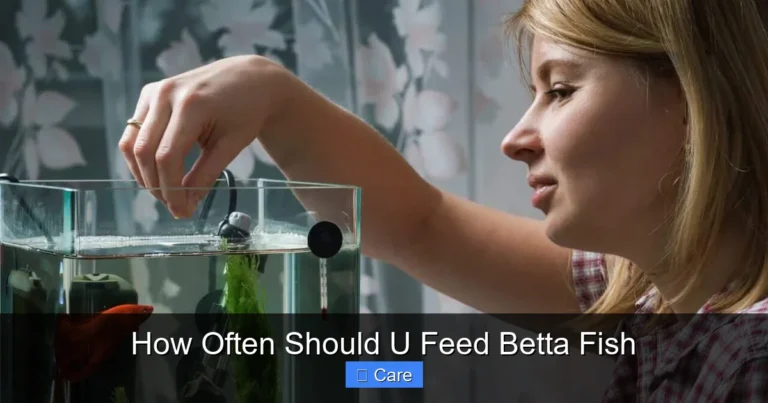
How Long Is a Betta Fish Pregnant Complete Guide

Many new fish keepers ask how long is a betta fish pregnant, but the surprising truth is that bettas are not pregnant at all. Instead, female bettas carry eggs internally for a short time before releasing them during spawning. This complete guide breaks down the entire breeding cycle, explains egg development timelines, and shares practical care tips for successful fry raising. You will learn exactly what to watch for, how to prepare your tank, and why proper conditioning matters more than any pregnancy timeline.
This is a comprehensive guide about how long is a betta fish pregnant.
Key Takeaways
- Betta fish are not pregnant: Females carry eggs internally, but pregnancy does not occur like it does in mammals.
- Egg development takes a few days: Once conditioned, a female can release eggs within one to three days of mating.
- Spawning happens quickly: The actual mating and egg release process usually lasts one to two hours.
- Fry hatch in two to three days: After fertilization, betta eggs develop into free-swimming fry within 48 to 72 hours.
- Proper tank setup matters: A separate breeding tank with gentle filtration and stable temperature improves success rates.
- Male bettas care for the eggs: The male guards and tends the bubble nest until the fry hatch.
- Frequent feeding supports breeding: High-protein foods help condition both males and females before spawning.
[FEATURED_IMAGE_PLACEHOLDER]
Understanding the Truth About Betta Fish Reproduction
Many beginners search for how long is a betta fish pregnant because they notice a swollen belly and assume the fish is carrying young like a mammal. The reality is quite different. Betta fish do not get pregnant. They are egg layers. A female betta produces eggs inside her body, but she does not carry developing babies for weeks or months. Instead, she holds mature eggs until a spawning event occurs.
This distinction matters because it changes how you care for your fish. You do not need to track a pregnancy timeline. You need to focus on breeding readiness, water quality, and proper conditioning. When a female betta looks round or swollen, she usually has a batch of eggs ready to release. That swelling can appear and disappear quickly. It can also happen between spawning events. Understanding this helps you avoid confusion and unnecessary worry.
Betta breeding is a fascinating process. It involves courtship, bubble nest building, and careful egg placement. The male plays a major role. He builds a nest at the water surface and guards the eggs after spawning. The female releases the eggs, and the male fertilizes them externally. This means the entire process happens in a short window of time. Once you understand the basics, you can support your fish much better.
Why the Word Pregnant Causes Confusion
The term betta fish pregnancy is common in casual conversation, but it is not biologically accurate. People use it because a swollen female looks similar to a pregnant animal. The swelling comes from eggs, not developing embryos inside a womb. This is why the timeline feels so different from what people expect. A female can appear full one day and look slimmer the next after spawning.
Another reason for confusion is that some fish species do carry live young. Bettas are not one of them. They belong to a group of fish that lay eggs. Once you know this, the whole breeding process becomes clearer. You can stop looking for a pregnancy chart and start learning about spawning behavior, egg development, and fry care.
What Actually Happens Inside a Female Betta
A female betta develops eggs in her ovaries. When the eggs mature, they move toward the vent area. You may see a small white spot near the belly, often called the breeding tube or ovipositor. This spot becomes more visible when the female is ready to spawn. She does not carry the eggs for long periods like a mammal carries young. Instead, her body prepares for a single spawning event.
If she does not mate, the eggs may be reabsorbed or released slowly over time. This can cause repeated swelling and shrinking. It is normal. It does not mean something is wrong. It simply means the female is cycling through egg development. Good nutrition and stable water conditions help her stay healthy through these changes.
How Long Is a Betta Fish Pregnant and What Is Really Happening
So, how long is a betta fish pregnant? The short answer is that bettas are never pregnant. The longer answer is that egg development and spawning happen on a much faster schedule. Once a female is conditioned and introduced to a male, spawning can occur within a day or two. The actual release of eggs happens during a single mating session. After that, the eggs develop outside the female body.
This timeline is important for anyone planning to breed bettas. You do not wait weeks for a birth. You watch for courtship behavior, bubble nest quality, and the female’s readiness. When the pair is ready, they embrace near the nest. The female releases eggs, and the male fertilizes them as they float. He then gathers the eggs and places them in the bubble nest. This whole process is quick and dramatic to watch.
If you are seeing a swollen female and wondering about betta fish pregnancy length, focus on the signs of spawning readiness instead. Look for a visible breeding tube, a responsive male, and a well-built nest. These signs matter more than any pregnancy timeline. Once spawning happens, the real countdown begins for egg hatching and fry development.
The Spawning Timeline in Simple Terms
Here is a simple way to think about the breeding schedule. First, the female develops eggs over several days or weeks, depending on her age and condition. Second, the pair meets and courts. Third, spawning occurs in a short session. Fourth, the male tends the eggs. Fifth, the eggs hatch into fry. Each step has its own timing, but none of it is pregnancy.
Spawning itself usually lasts less than two hours. The male and female may circle each other, flare, and swim together. Then they rise to the nest for the egg release. Afterward, the female often hides or rests. The male becomes very protective. He may chase her away to guard the nest. This behavior is normal and expected.
Signs a Female Is Ready to Spawn
You can spot readiness without guessing about betta fish gestation. A ready female often shows a rounder belly and a more noticeable breeding tube. She may also swim more calmly near the male. Some females become less aggressive and more receptive. Others remain shy. Every fish has a slightly different personality.
Water conditions also influence readiness. Warm, clean water with stable parameters encourages breeding behavior. A gentle routine of high-protein feeding helps too. When the environment feels safe, the pair is more likely to move forward with spawning. Patience matters here. Rushing the process can stress the fish and reduce success.
Betta Fish Spawning Behavior and Egg Release
Betta spawning is one of the most interesting behaviors in the aquarium hobby. The male starts by building a bubble nest at the surface. He uses saliva and air to create a floating cluster of bubbles. This nest acts as a safe place for the eggs. Once the nest looks solid, the male waits for the female.
When the female is ready, the pair begins courtship. They may display vibrant colors and fin spreading. The male tries to lead her to the nest. If she accepts him, they rise together and embrace. During this embrace, the female releases eggs. The male releases sperm at the same moment. Fertilization happens right there in the water column.
After spawning, the male collects the eggs one by one. He moves them into the bubble nest. He also repairs the nest if needed. This stage is critical. The eggs must stay safe and oxygenated. The male’s care greatly improves survival. If you are learning how long is a betta fish pregnant, this is the moment to shift your attention from the female to the nest and the male’s behavior.
The Embrace and Fertilization Process
The embrace is brief but important. The pair locks together near the surface. The female may look startled or tired afterward. That is normal. She has released a large number of eggs in a short time. The male may immediately return to the nest or circle the pair to keep the area secure.
Fertilization is external. The eggs do not develop inside the female. This is why the idea of betta fish pregnancy does not fit. The female’s role ends after egg release. From that point on, the male and the environment take over. Good water quality and a stable temperature support the next stage of development.
What Happens Right After Spawning
Right after spawning, the female should be removed if she is likely to harass the male. Some pairs stay peaceful, but many males become defensive. The male will focus on guarding the nest and tending the eggs. He may blow new bubbles, retrieve fallen eggs, and chase away threats. This is a busy time for him.
You should avoid loud noises, sudden movements, and unnecessary tank disturbances. The eggs are delicate. The nest can break if the water is too turbulent. A calm environment helps the male do his job. If you plan to breed regularly, keep a separate spawning tank ready. That makes the process much smoother.
Egg Development and Hatching Timeline
Once the eggs are in the nest, the countdown begins. People who ask how long is a betta fish pregnant often really want to know how long it takes for eggs to become fry. In a healthy tank, betta eggs usually hatch in two to three days. The exact timing depends on temperature, oxygen, and water quality. Warmer water within a safe range tends to speed development.
During this period, the male continues to guard the nest. He may pick up eggs that fall and return them to the bubbles. He also keeps the area clean. Do not disturb him too much. If you need to check the nest, do it gently and quickly. Bright lights and constant poking can stress the male and reduce hatching success.
When the eggs hatch, tiny fry emerge. At first, they may cling to the nest or float weakly. They usually absorb their egg sacs before becoming free-swimming. This stage can take another day or two. Once they swim freely, they need very small food. Infusoria, liquid fry food, or finely crushed preparations work well. The transition from egg to independent fry is rapid, but it still requires careful feeding.
How Temperature Affects Egg Development
Temperature plays a big role in egg development. Betta fish prefer warm water, and breeding tanks often run a little warmer than standard community tanks. Stable heat helps the eggs develop evenly. Sudden temperature swings can slow growth or harm the embryos. Consistency matters more than pushing the temperature too high.
A gentle heater and a reliable thermometer are useful tools. You want steady conditions, not dramatic changes. If the water is too cool, hatching may take longer. If it is too warm, stress can increase. Aim for a stable range that suits your fish and monitor it daily. Small adjustments are better than big corrections.
When the Fry Become Free-Swimming
New fry are tiny and vulnerable. They do not swim well at first. They need quiet water and microscopic food. After a short period, they start exploring the tank more confidently. That is when you can begin a regular feeding routine. Clean water becomes even more important because fry are sensitive to waste.
Many beginners lose fry by feeding too much or changing water too aggressively. Both mistakes can cause problems. Instead, feed tiny amounts and remove uneaten food carefully. Perform small water changes with aged or treated water. This keeps the environment safe while the fry grow.
Preparing a Breeding Tank for Success
A good breeding setup makes a huge difference. If you are researching betta fish pregnancy because you plan to breed, you should start with the tank, not the fish. A separate spawning tank gives you control over water, space, and safety. It also protects the pair from distractions and aggression.
Choose a tank that is simple and easy to manage. A smaller tank can work, but it still needs stable temperature and gentle water movement. Add a lid or reduce surface gaps so the fish stay secure. Include a quiet filter or sponge filter if needed. Strong currents can damage the bubble nest. Keep the setup minimal at first. You can always add cover later.
Condition both fish before introducing them. Feed high-quality foods for one to two weeks. This helps the female develop healthy eggs and gives the male energy for nesting and guarding. Observe their behavior before the big meeting. A well-fed, calm pair has a better chance of spawning successfully.
Tank Setup Essentials
A breeding tank should be stable, quiet, and easy to monitor. Here are the basics to keep in mind:
- Gentle filtration: Use a sponge filter or very mild flow to protect the nest.
- Stable warmth: Keep temperature consistent with a reliable heater.
- Surface access: Leave enough open space for bubble nest building.
- Simple cover: Add plants or hiding spots for the female to reduce stress.
- Clean water: Start with treated water and maintain good quality throughout.
These basics help both fish feel secure. Security encourages natural behavior. Natural behavior improves spawning and egg care.
Conditioning Males and Females
Conditioning is about preparation, not force. Feed both fish nutrient-rich foods regularly. Watch their body condition and behavior. A female with a full belly and visible breeding tube may be ready soon. A male that builds a neat nest is often ready to spawn. If one fish seems stressed or unwilling, wait and try again later.
Do not overfeed during conditioning. Extra food can pollute the water and cause health issues. Instead, offer small meals and remove leftovers. Healthy fish do better than overfed fish. This is one of the simplest ways to improve breeding outcomes.
Common Breeding Mistakes and How to Avoid Them
Breeding bettas can be rewarding, but it also comes with mistakes that are easy to make. One common mistake is assuming the female is pregnant and waiting for a birth that will never happen. That misunderstanding can lead to poor planning. Another mistake is introducing the pair too quickly. Stress can stop courtship or cause injury.
A third mistake is disturbing the nest too often. The male needs peace while he guards the eggs. A fourth mistake is feeding fry too large a food or skipping water care. Fry are delicate. They need tiny meals and clean water. Avoiding these errors gives your fry a much better start.
If you want to learn how long is a betta fish pregnant, remember that the real key is understanding the breeding cycle. Focus on readiness, spawning, egg care, and fry development. That approach is far more useful than searching for a pregnancy timeline that does not exist.
Mistake: Ignoring Water Quality
Water quality affects every stage of breeding. Poor water can discourage spawning, harm eggs, and weaken fry. Test your water regularly and keep it clean. Avoid strong chemicals or sudden changes. Stable, treated water supports healthy development and reduces stress.
Mistake: Leaving the Female Too Long After Spawning
After spawning, the female may need to be moved to a separate recovery tank. Some males tolerate her presence, but many do not. If she stays too long, she may be chased or injured. Watch the pair closely and act quickly if aggression rises. Her health matters after she has released her eggs.
Feeding and Care During the Breeding Cycle
Good feeding supports the whole process. Before spawning, offer both fish varied, protein-rich meals. This helps the female’s eggs develop and gives the male strength for nesting. After spawning, the male may not eat much because he is focused on the nest. That is normal. Keep offering food gently, but do not force it.
Once the fry are free-swimming, feeding becomes more detailed. They need very small particles that stay suspended in the water. Overfeeding can cloud the tank and harm the fry. Underfeeding can stunt growth. Small, frequent meals are usually better than one large feeding. Clean water remains essential throughout.
If you are still thinking about betta fish pregnancy, shift your focus to the care schedule. The female needs recovery after spawning. The male needs peace during egg guarding. The fry need safe food and clean water. Each stage has its own needs. Meeting those needs is what leads to healthy young bettas.
Best Foods for Conditioning
Conditioning foods should be rich and varied. You can rotate between quality pellets, frozen foods, and other protein options. Variety helps keep the fish interested and supports overall health. Keep portions appropriate and remove leftovers. A clean tank with well-fed fish is a strong foundation for breeding.
Feeding Tiny Fry Safely
Fry food must be small enough for them to eat. Start with microscopic options and move to slightly larger foods as they grow. Feed lightly and observe how much they consume. Remove waste before it builds up. This careful routine helps the fry grow without overwhelming the tank.
Expert Tips for Healthy Betta Breeding
The best breeding results usually come from patience and observation. Watch your fish closely. Learn their behavior. Some pairs spawn quickly. Others need more time. Do not force the process. Let the fish show readiness and respond to their cues. A calm, well-prepared tank often works better than a rushed one.
Keep records if you plan to breed often. Note the date of spawning, the appearance of the nest, and the hatching time. This helps you spot patterns and improve over time. It also helps you understand what works in your setup. Breeding is part science and part observation. Both matter.
If you want to answer how long is a betta fish pregnant with practical advice, the best response is this: do not wait for pregnancy. Prepare for spawning. Support egg development. Protect the fry. That is the path to success. When you treat betta breeding as a cycle rather than a pregnancy, everything becomes clearer.
Quick Tips for Better Results
- Use a separate tank: A dedicated breeding setup reduces stress and improves control.
- Keep water steady: Stable temperature and clean water support eggs and fry.
- Watch behavior: Courtship, nest building, and readiness matter more than belly size.
- Protect the nest: Avoid strong currents and unnecessary disturbances.
- Feed appropriately: Condition adults well and feed fry tiny amounts.
Conclusion
If you have been asking how long is a betta fish pregnant, you now know the important truth: bettas are not pregnant. They are egg layers with a fast and fascinating spawning cycle. The female carries eggs briefly, then releases them during a short mating session. After that, the eggs develop in the nest and hatch in a few days. The male plays a major role in guarding and caring for them.
This understanding changes everything. Instead of tracking a pregnancy timeline, you can focus on conditioning, water quality, nest safety, and fry care. Those are the real keys to successful betta breeding. When you prepare well and observe carefully, you give both adults and fry the best chance to thrive.
Betta breeding can be a rewarding experience when you respect the process. Keep the tank calm, the water clean, and the expectations realistic. With the right setup and a little patience, you will be ready for each stage of the cycle. That is the most helpful answer to how long is a betta fish pregnant: there is no pregnancy, only a carefully timed journey from eggs to fry.
Frequently Asked Questions
Is a betta fish ever really pregnant?
No, a betta fish is not pregnant. Female bettas develop eggs internally, but they lay eggs rather than carrying live young. The swelling people notice is usually a batch of eggs ready for spawning.
How long does it take for a female betta to release eggs?
Once a female is conditioned and ready, she can release eggs during spawning within a day or two of meeting a suitable male. The actual egg release happens during a short spawning session, not over a long pregnancy period.
How long do betta eggs take to hatch?
Betta eggs usually hatch in about two to three days, depending on water temperature and overall conditions. After hatching, the fry may need another day or two before they become free-swimming.
Why does my female betta look swollen?
A swollen belly often means she has mature eggs inside. It can also happen between spawning events if eggs are not released right away. This is normal, but you should still monitor her health and water quality.
Do male bettas help care for the eggs?
Yes, male bettas usually guard the bubble nest and tend the eggs after spawning. They may retrieve fallen eggs and keep the nest intact until the fry hatch. This parental care is an important part of betta breeding.
What should I feed betta fry after they hatch?
New betta fry need very small food that stays easy to eat, such as infusoria or specialized liquid fry food. As they grow, you can gradually offer slightly larger foods while keeping the water clean and stable.