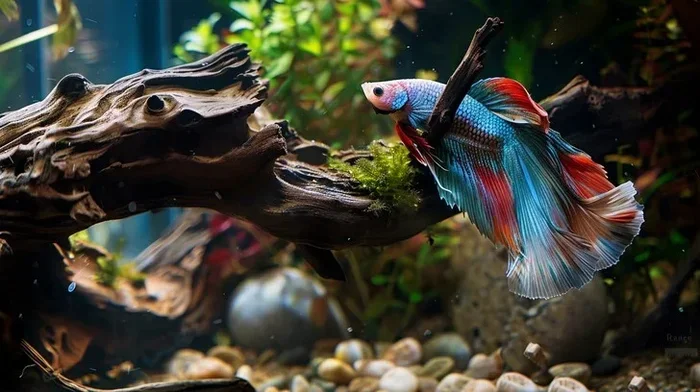
Do Betta Fish Sleep at Night Discover Their Resting Habits

Yes, betta fish do sleep at night. They rest quietly, often near the bottom or among leaves, with their eyes open. You can help them rest better by keeping the tank dark and calm. Understanding their sleep habits leads to a healthier, happier fish.
If you keep a betta fish, you may wonder what happens when the lights go out. Do they drift off like us? Do they rest in a special way? The short answer is yes, they do rest, and they usually do it at night. In this guide, we will walk through what betta sleep looks like, why it matters, and how you can help your fish get the quiet time it needs.
Many new owners worry when they see their fish sitting still. That concern is normal. A calm, resting betta can look very different from an active one. The good news is that stillness is often a healthy sign. We will explain what to expect, what is normal, and when you should pay closer attention.
Key Takeaways
- Bettas need rest: Like most animals, they require quiet periods to recover energy.
- Eyes stay open: They do not have eyelids, so they sleep with eyes open.
- Nighttime is best: They usually rest when the lights go out and the tank is calm.
- Look for stillness: A sleeping betta may hover, sink slightly, or tuck behind plants.
- Keep it dark: A consistent light cycle helps them follow a natural rhythm.
- Watch for stress: Too much noise, bright lights, or poor water can disrupt rest.
- Healthy sleep supports health: Good rest helps their immune system and overall vitality.
📑 Table of Contents
- Do Betta Fish Sleep at Night and How It Works
- Do Betta Fish Sleep at Night and What Signs to Watch For
- Do Betta Fish Sleep at Night and Why Environment Matters
- Do Betta Fish Sleep at Night and How Long They Rest
- Do Betta Fish Sleep at Night and Common Mistakes Owners Make
- Do Betta Fish Sleep at Night and Quick Tips for Better Rest
- Do Betta Fish Sleep at Night and When to Worry
- Do Betta Fish Sleep at Night and Final Thoughts
Do Betta Fish Sleep at Night and How It Works
Bettas do not sleep the same way people do. They do not close their eyes or lie down in a bed. Instead, they enter a quiet rest mode. During this time, their body slows down, their gills move more gently, and they become less reactive. This rest usually happens when the tank is dark and calm, which is why night is the most common rest period.
You can think of it as a light sleep. The fish stays aware enough to notice danger, but it saves energy by resting. This is very useful for a fish that spends much of the day exploring, flaring, or waiting for food. A good rest cycle helps them stay alert when they need to be.
If you want to know more about how bettas rest in general, you can read our guide on do betta fish ever sleep for a broader look at their daily rhythm.
What Rest Looks Like in a Betta Tank
A resting betta may hover in one spot. It may drift near the bottom, settle beside a leaf, or tuck into a quiet corner. Some bettas rest near the surface, while others prefer lower areas. The key sign is calm, steady breathing and very little movement. They may also pause their usual patrolling and stop reacting to small shadows.
It helps to learn your fish normal habits. Once you know where it likes to rest, you can tell the difference between sleep and something that needs attention. A healthy resting betta should still look alert if you gently approach the tank or tap lightly on the glass.
Why Nighttime Is the Best Rest Period
Darkness gives bettas a clear signal that it is time to slow down. In the wild, night brings fewer disturbances and less activity. In a tank, a steady dark period mimics that natural pattern. When the room is quiet and the lights are off, your fish can settle in without constant stimulation.
A predictable light schedule also helps. If the tank lights turn off at about the same time each evening, your betta can settle into a routine. That routine supports better rest and a calmer mood during the day.
Do Betta Fish Sleep at Night and What Signs to Watch For
It is easy to miss betta sleep because it looks subtle. The fish does not snuggle into a bed or close its eyes. So you need to watch for small changes in behavior. The best signs are calm posture, slow breathing, and a clear drop in activity once the lights go out.
A resting betta may also choose a favorite spot. Some like broad leaves. Some prefer the lower part of the tank. Others rest near the substrate. As long as the fish is breathing normally and can respond when needed, these choices are usually fine.
How to Tell Sleep From Sickness
Stillness alone does not always mean sleep. You should compare the fish current behavior with its usual pattern. A healthy resting betta will still move its gills steadily and react a little if the tank is disturbed. A sick fish may look weak, lose balance, or stay hidden for too long.
If you notice unusual positioning, check the water quality first. Poor water can make fish lethargic. If you want help reading those signs, see our article on do betta fish lay sideways and our piece on do betta fish lay on their sides.
Common Resting Positions
Bettas can rest in several ways. The most common are:
- Hovering quietly: The fish stays in one place with slow gill movement.
- Resting near the bottom: Some bettas sink a little and settle on the substrate or near decorations.
- Hiding among plants: Leaves and soft plants offer a secure feeling.
- Leaning against a surface: A betta may rest beside a rock, wood, or tank wall.
If your fish often rests on the bottom, it may simply prefer that spot. Still, it is smart to rule out stress or water issues. For more on bottom behavior, check do betta fish die at the bottom.
Do Betta Fish Sleep at Night and Why Environment Matters
The tank setup plays a big role in how well a betta rests. A noisy room, bright lights, or constant movement can make it hard for the fish to settle. On the other hand, a calm setup with gentle hiding places can make rest easier. Think of the tank as your fish bedroom. It should feel safe and predictable.
Plants, leaves, and smooth decorations give bettas places to settle. These spots reduce exposure and help the fish feel secure. A simple, uncluttered layout can also make it easier for the fish to find a comfortable place without getting startled.
Lighting and the Rest Cycle
Lighting is one of the biggest factors in betta rest. A clear day and night cycle helps the fish understand when to be active and when to slow down. Leaving lights on all night can confuse that rhythm. It may also make the fish stay alert longer than it should.
A good practice is to use a timer. Set the tank light to turn off in the evening and come back on in the morning. This creates a steady routine. If you want more detail on betta activity after dark, see do betta fish eat at night.
Noise, Movement, and Stress
Bettas can notice vibrations and sudden changes around the tank. Loud sounds, frequent tapping, or constant reaching into the water can interrupt rest. Even playful activity near the tank may keep a sensitive fish on edge. A quieter room helps the fish relax at night.
If your betta seems jumpy, try moving the tank to a calmer spot. Reduce bright reflections on the glass. Keep the area around the tank peaceful during the evening. These small changes can make a big difference.
Filtration and Water Flow
Strong currents can make resting harder. Bettas prefer calm water, so a filter that pushes too much flow may keep them from settling. If your fish constantly fights the current, it may not rest well. Gentle filtration is usually a better fit.
If you are curious about filter use after dark, read can i turn off betta fish filter at night. You may also want to learn more in do betta fish like air pump circulation and do betta fish like air filters.
Do Betta Fish Sleep at Night and How Long They Rest
There is no single perfect number for betta rest. What matters most is that the fish gets enough quiet time to recover. Many bettas rest for several hours during the dark period. Some take short breaks throughout the evening. Others settle once the room gets quiet and stay still until morning.
The amount of rest can vary based on age, health, tank conditions, and routine. Younger fish may be more active. Older fish may rest more. A fish that feels safe and has a stable routine usually settles more easily.
Do Baby Bettas Rest Differently
Baby bettas can sleep a lot because they are growing quickly. They may also be more sensitive to changes in light and noise. A calm tank helps them develop better habits early on. If you are raising young bettas, keep the environment steady and gentle.
For more on young fish rest patterns, see do baby betta fish sleep a lot.
Do Bettas Build Nests at Night
Male bettas sometimes build bubble nests, and this behavior can be linked to their daily rhythm. Nest building is not the same as sleep, but it often happens when the fish feels settled. If you notice nest activity, it may mean your betta is comfortable in its environment.
If you want to compare timing and behavior, read do betta fish build nests at day or night.
Do Betta Fish Sleep at Night and Common Mistakes Owners Make
A few simple mistakes can make betta rest harder. The good news is that most of them are easy to fix. Once you adjust the routine, many bettas settle much better.
Mistake One: Leaving Lights On Too Long
Constant light can confuse the fish and reduce rest quality. A tank that stays bright all night may keep your betta alert when it should be winding down. Use a regular light schedule instead.
Mistake Two: Too Much Flow or Disturbance
Strong filters, bubbling that is too intense, or a high-traffic room can keep the fish on edge. Lower the flow if needed and choose a calmer location for the tank.
Mistake Three: Ignoring Water Quality
Dirty or unstable water can make a betta tired and uneasy. Regular water changes and good maintenance support better health and better rest. If you want to know whether special water is needed, see do betta fish have to have special water and do betta fish have to have water changes.
Mistake Four: Not Giving Enough Space
A cramped setup can limit movement and make the fish feel exposed. A roomy tank with gentle places to hide usually supports better behavior. For tank size guidance, read do betta fish like a lot of space and do betta fish like 10 gallon tank.
Do Betta Fish Sleep at Night and Quick Tips for Better Rest
If you want your betta to rest well, start with a simple routine. Small changes often help more than big overhauls. Here are practical steps you can try right away.
- Use a timer: Keep lights on and off at consistent times.
- Lower the flow: Make sure the current is gentle, not harsh.
- Add cover: Use plants, leaves, or smooth decorations for secure resting spots.
- Reduce noise: Place the tank in a calmer area if possible.
- Watch the water: Keep temperature and quality stable.
- Keep a routine: Feed, light, and maintenance at similar times each day.
- Observe daily: Learn your fish normal behavior so you can spot changes early.
If your betta often hangs near the top, it may be resting there or looking for air. For more on that behavior, see do betta fish hanging at top of tank. If your fish seems to rest in odd positions, compare those signs with do betta fish lay down when they sleep.
Expert Insight: Build a Predictable Routine
A steady routine is one of the best gifts you can give a betta. Fish do well when they know what to expect. A calm evening, a dark period, and a peaceful morning help the fish move between activity and rest more smoothly. Over time, this can support a steadier mood and a healthier appearance.
Expert Insight: Learn Your Fish Normal Behavior
Every betta has its own personality. Some are bold. Some are shy. Some rest high, and some rest low. When you learn what is normal for your fish, you will notice problems sooner. That awareness is one of the simplest ways to protect your betta well-being.
Do Betta Fish Sleep at Night and When to Worry
Most of the time, a quiet betta at night is a normal betta. But there are moments when stillness may signal a problem. If your fish stays hidden all day, struggles to swim, loses balance, or shows faded color, take a closer look. Those signs may point to stress, illness, or poor water conditions.
Start with the basics. Check the temperature. Test the water if you can. Look for signs of irritation, spots, or damage. If the fish is not eating or seems weak, act quickly. Early attention often prevents bigger issues.
Checklist for Concern
- Breathing: Is it steady and calm, or rapid and labored?
- Posture: Is the fish upright and stable, or leaning and sinking oddly?
- Response: Does it react a little when the tank is approached?
- Appetite: Is it still interested in food at normal times?
- Water: Are temperature and quality within a healthy range?
If you want a broader view of betta rest behavior, you can also read do betta fish go to sleep and do betta fish leave there eyes open when the sleep.
Do Betta Fish Sleep at Night and Final Thoughts
So, do betta fish sleep at night? Yes, they do, though their sleep looks different from ours. They enter a quiet rest state, usually when the tank is dark and calm. They may hover, settle near plants, or rest low in the tank. Their eyes stay open because they do not have eyelids, but that does not mean they are fully alert all night.
The best thing you can do is create a stable, peaceful environment. Give your betta a clear light cycle, gentle water flow, and a few secure places to settle. Keep the routine predictable. Watch your fish normal behavior so you can tell the difference between healthy rest and a problem that needs attention.
When your betta gets the rest it needs, you will usually see a calmer, more active fish during the day. Good rest supports overall health, and it helps your betta feel safe in its home. With a little care, your fish can settle in comfortably and rest well after the lights go out.
Frequently Asked Questions
Do betta fish sleep with their eyes open?
Yes, betta fish sleep with their eyes open because they do not have eyelids. You can usually tell they are resting by their calm behavior and slow breathing.
How can I tell if my betta fish is sleeping or sick?
A sleeping betta usually stays still but still breathes steadily and reacts a little when disturbed. A sick fish may look weak, lose balance, hide too much, or show other signs of distress.
Should I turn off the tank light at night for my betta?
Yes, a regular dark period helps your betta rest better. Using a timer for the tank light is an easy way to keep a steady day and night cycle.
Where do betta fish usually rest at night?
Bettas may rest near the bottom, beside plants, under leaves, or in quiet corners of the tank. Some also hover calmly in one spot. The best spot depends on the fish personality and tank setup.
Can loud noise or movement disturb betta sleep?
Yes, sudden noise and constant activity near the tank can make it harder for a betta to settle. A quieter room and less movement around the tank can help your fish rest more comfortably.
Do betta fish need a dark period every night?
They do best with a predictable dark period each night. Consistent lighting helps them follow a natural rhythm and supports better rest and daytime activity.