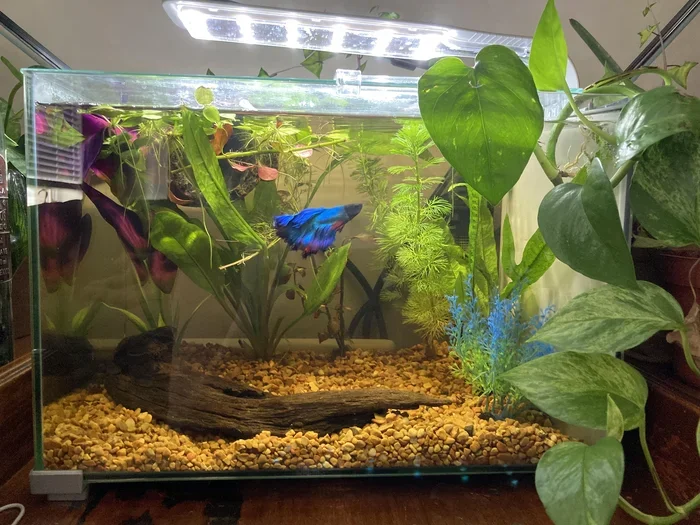
Can I Use Tap Water for Betta Fish Safe Setup Tips

Can I use tap water for betta fish? Yes, you can, but only after removing harmful chemicals like chlorine and chloramine. Untreated tap water can burn your betta gills and cause stress. This guide shows you exactly how to make tap water safe with simple steps. You will learn about water conditioners, temperature matching, and regular testing. Follow these tips to build a healthy home for your fish.
Owning a betta fish is a joy. These bright little swimmers bring color and life to any room. But keeping them healthy starts with one simple question: can I use tap water for betta fish? The short answer is yes. Tap water works well when you treat it right. The long answer matters more. Water quality affects everything from breathing to growth. A safe setup protects your fish from stress and illness.
Many new owners feel unsure about water sources. Some hear mixed advice from friends or online posts. The truth is simple. Tap water contains chemicals that keep it safe for people. Those same chemicals can hurt fish. Chlorine and chloramine are the main culprits. They damage delicate gills and upset the tank balance. With the right steps, you can fix this fast. You do not need fancy water or expensive gear. You just need a clear plan.
This guide walks you through a safe setup. You will learn how to prep tap water, what products to use, and how to avoid common mistakes. We will also cover temperature, testing, and water changes. By the end, you will feel confident every time you fill a bucket. Your betta will thank you with better color, active swimming, and a longer life.
Key Takeaways
- Tap water is safe for bettas when treated properly. Always remove chlorine and chloramine before adding water to the tank.
- Use a reliable water conditioner. Products that neutralize toxins work fast and keep your fish safe during water changes.
- Match the temperature every time. Sudden temperature shifts cause stress and weaken your betta immune system.
- Test your water regularly. Check pH, ammonia, nitrite, and nitrate levels to catch problems early.
- Avoid distilled or pure RO water alone. These lack essential minerals that bettas need to stay healthy.
- Change water gradually. Small, consistent water changes keep the tank stable and reduce stress.
- Let new water sit only if it is chlorine-only. If your city uses chloramine, sitting does not remove it, so use a conditioner instead.
📑 Table of Contents
Can I Use Tap Water for Betta Fish Safely?
Yes, you can use tap water for betta fish when you remove harmful additives first. Tap water is easy to find and cost-effective. It also contains minerals that support fish health. The key is treatment. Municipal water often includes chlorine to kill bacteria. Some cities add chloramine, which is chlorine mixed with ammonia. Both are tough on fish. A good conditioner breaks these chemicals down quickly.
Think of water treatment like preparing a safe room for your fish. You would not invite a guest into a dusty room. The same idea applies here. Clean, treated water creates a calm environment. Your betta breathes easier. The scales stay bright. The fins look full. Small steps make a big difference.
Why Tap Water Needs Treatment
Tap water looks clear, but it can hold invisible risks. Chlorine burns fish tissue on contact. Chloramine stays in the water longer and releases ammonia slowly. Heavy metals may also appear in old pipes. These elements stress your betta and harm beneficial bacteria. That bacteria keeps the tank stable. When the balance breaks, ammonia spikes can follow.
You do not need to fear tap water. You just need to respect it. A few simple habits remove the risk. Test your source when you can. Use a trusted conditioner every time. Rinse new decor before adding it. These habits keep the tank steady and your fish comfortable.
Quick Tips for Safe Tap Water
- Always treat water before it enters the tank. Never add raw tap water directly to your betta setup.
- Read the label on your conditioner. Some products neutralize chlorine only. Others handle chloramine and heavy metals too.
- Keep a separate bucket for fish care. This prevents soap residue from contaminating your water.
- Store treated water in a clean container. Cover it to keep dust out and use it for your next water change.
How to Dechlorinate Tap Water for Betta Fish
Dechlorination is the first step in any safe setup. You have two main options. You can let water sit, or you can use a conditioner. Sitting works only for chlorine. If your water has chloramine, sitting will not remove the ammonia part. A conditioner is faster and more reliable. It also helps bind heavy metals in many cases.
Many owners ask, can I use tap water conditioner for betta fish? The answer is yes. Conditioners are made for this exact job. They work quickly, often within minutes. Some brands also support the slime coat that protects fish skin. That extra layer matters during water changes. It helps your betta stay calm and healthy.
Conditioner vs. Sitting: Which Is Better?
Sitting is simple. You fill a bucket and wait. Chlorine slowly escapes into the air over time. This method is free, but it takes patience. It also fails with chloramine. Conditioner is quick. You add a few drops, mix, and the water is ready. It saves time and gives consistent results. For most keepers, conditioner is the better choice.
If you want to compare both methods, this table helps.
| Method | Best For | Time Needed | Removes Chloramine? |
|---|---|---|---|
| Letting water sit | Chlorine-only tap water | 24 to 48 hours | No |
| Water conditioner | Chlorine and chloramine | A few minutes | Yes, when labeled for chloramine |
| Boiling water | Chlorine reduction only | Varies, then cool | No, not for chloramine |
Step-by-Step Water Prep
Follow this simple routine each time you change water. It keeps your tank stable and your betta safe.
- Fill a clean bucket with tap water. Use a bucket only for fish care.
- Add the correct dose of conditioner. Follow the bottle instructions for your water volume.
- Stir gently and wait the recommended time. Most products work fast, but a short wait helps.
- Check the temperature. Match it to the tank water within a degree or two.
- Slowly add the treated water to the tank. Pour near a filter output or use a plate to soften the flow.
If you wonder can I boil water for my betta fish, boiling can reduce some chlorine, but it does not fix chloramine or heavy metals. It also takes extra time to cool down. A conditioner remains the easiest and most reliable option for daily care.
Temperature and Water Quality Basics
Temperature matters as much as chemistry. Bettas come from warm, steady environments. Sudden changes shock their system. A safe range sits around 78 to 80 degrees Fahrenheit. Keep the new water close to the tank temperature before adding it. A small thermometer helps you check quickly.
Water quality also includes pH and hardness. Bettas prefer a stable pH near neutral. Big swings cause stress more than a perfect number. Hardness affects how conditioners work and how minerals behave. You do not need to chase exact numbers every day. Focus on stability. Consistent care beats constant tweaking.
Common Mistakes With Temperature and Quality
- Adding cold water straight to the tank. This causes temperature shock and slows your fish down.
- Ignoring the thermometer. Guessing leads to errors. A simple tool prevents problems.
- Changing too much water at once. Large changes can swing pH and stress your betta.
- Overcleaning the filter. Beneficial bacteria live in the filter. Rinse media in treated water, not tap water.
Quick Tips for Stable Water
- Warm new water before adding it. Use a separate container and match the tank temp.
- Test weekly. Check ammonia, nitrite, nitrate, and pH to stay ahead of issues.
- Keep a routine. Same day, same amount, same process. Routines reduce mistakes.
- Watch your fish. Lethargy, clamped fins, or fading color can signal water stress.
Choosing the Right Water Conditioner
Not all conditioners work the same way. Some focus on chlorine only. Others target chloramine and heavy metals too. Some add stress coat benefits. Read the label before you buy. Look for clear directions and a broad spectrum of protection. If your city uses chloramine, choose a product that mentions it clearly.
Many keepers also ask, can I use betta water conditioner for tropical fish? Yes, most betta conditioners work for other tropical fish too. The ingredients target common tap water hazards. That means you can often use one bottle for several tanks. Just follow the dosage for the total water volume. If you ever need to treat a different species, check whether the product suits their needs.
What to Look For
- Chloramine neutralization. Essential if your municipal water uses chloramine.
- Heavy metal binding. Helpful for older pipes or unknown water sources.
- Slime coat support. Adds a protective layer during handling and water changes.
- Clear dosing instructions. Easy measurement prevents under- or over-treating.
Expert Insight
A good conditioner is your best daily tool. It removes the guesswork from water changes. Keep one bottle near your tank supplies. Use the same trusted product so you know what to expect. If you switch brands, test carefully and watch your fish for a few days. Consistency helps you spot real problems faster.
Water Change Routine and Tank Stability
A steady routine keeps your betta tank healthy. Small, regular water changes remove waste and refresh minerals. They also prevent nitrate buildup. Most tanks do well with a partial change each week. The exact amount depends on tank size and filter strength. Start modest and adjust based on your test results.
When you change water, treat every drop. Even a small amount of raw tap water can add chlorine. That can harm fish and bacteria. Use treated water for the full volume you plan to add. Move slowly. Pour gently. Give your betta time to adjust. A calm change is a safe change.
How Much Water to Change
There is no single rule for every tank. Small bowls need careful handling because they shift faster. Larger tanks with filters stay stable longer. Use testing to guide you. If nitrates climb, increase the change slightly. If the tank stays clean, keep your routine steady. The goal is balance, not perfection.
Common Mistakes During Water Changes
- Skipping conditioner on partial changes. Every drop counts, even if it is only a portion of the tank.
- Cleaning everything at once. Replace filter media and substrate carefully to save beneficial bacteria.
- Forgetting to match temperature. Even a few degrees off can stress your fish.
- Using soap or scented cleaners. Residue harms fish. Rinse gear with treated water only.
When Tap Water Might Not Be the Best Choice
Tap water works for most homes, but some situations call for extra care. Old pipes can add metals to the water. Some regions have very high pH or unusual mineral levels. In these cases, testing becomes more important. You may need a conditioner that targets metals or a different water source for mixing.
Some owners ask about bottled or purified water. These can work in certain setups, but they are not always better. Pure distilled water lacks minerals that fish need. Bottled spring water varies by brand. If you ever consider these options, compare them with your tap water first. For many keepers, treated tap water remains the simplest and most balanced choice. If you want to explore purified drinking water as an option, you can read more about using purified drinking water for betta fish.
Quick Comparison of Water Options
| Water Type | Pros | Cons | Best Use |
|---|---|---|---|
| Treated tap water | Easy, affordable, mineral-rich | Needs conditioning | Daily care and water changes |
| Distilled water | Very pure | Lacks minerals, needs remineralization | Special setups with added salts |
| Bottled spring water | Consistent taste, often low chlorine | Costly, mineral content varies | Backup source or mixing |
| RO water | Very clean, controllable | Removes beneficial minerals | Advanced setups with remineralization |
Expert Insight
Choose the water source that fits your tank and your routine. Tap water wins for convenience when treated correctly. If your local water is unusual, test it first. Then decide if you need a supplement or a different source. The best water is the one you can use safely and consistently.
Conclusion
So, can I use tap water for betta fish? Yes, you can, and it is a practical choice for most owners. The secret is simple. Treat the water before it enters the tank. Match the temperature. Test regularly. Keep your changes steady and gentle. These habits protect your betta from stress and help the tank stay balanced.
A safe setup does not need to be complicated. A clean bucket, a trusted conditioner, and a thermometer go a long way. Add a simple testing routine, and you will catch issues early. Your betta will show the results through brighter color, steady swimming, and better health. With a little care, tap water becomes a reliable part of your fish-keeping routine.
Frequently Asked Questions
Can I use tap water for betta fish without a conditioner?
Only if your tap water contains chlorine and you let it sit for 24 to 48 hours. If your city uses chloramine, sitting will not make it safe, so a conditioner is the better choice.
How long should I let tap water sit before adding it to the tank?
Let it sit for at least 24 hours if you are relying on chlorine evaporation. Cover the bucket to keep dust out, and still use a conditioner if chloramine is present.
Can I use tap water conditioner for betta fish every water change?
Yes, you should use a conditioner during every water change. It neutralizes chlorine and chloramine quickly and helps protect your fish during the process.
What temperature should tap water be before I add it?
Match the new water to the tank temperature, ideally around 78 to 80 degrees Fahrenheit. Even a small difference can stress your betta, so check with a thermometer.
Can I use distilled water instead of tap water for my betta?
Distilled water lacks essential minerals, so it is not ideal on its own. If you use it, you usually need to remineralize it first, which makes treated tap water a simpler option for most owners.
How often should I change the water in a betta tank?
Most tanks do well with a partial water change once a week. The exact amount depends on tank size, filter strength, and your test results, so adjust based on nitrate levels and fish behavior.