Can Betta Fish Live with Sand
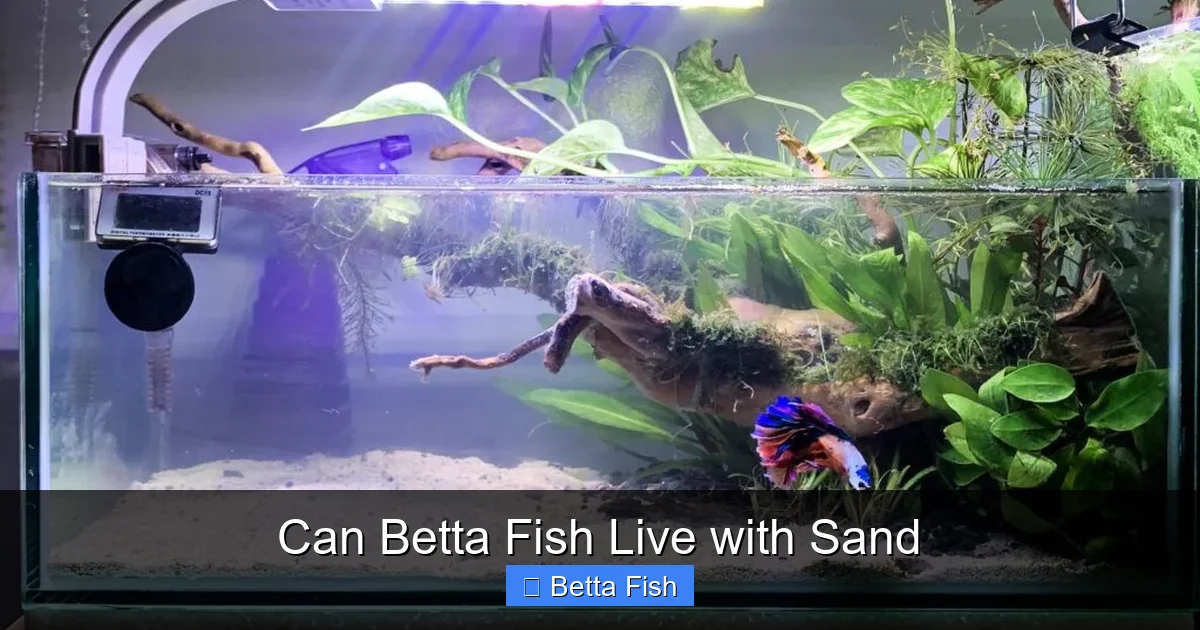
Yes, betta fish can absolutely live with sand! Sand is one of the safest and most natural substrates you can use in a betta tank. It mimics their native habitat, is gentle on their delicate fins, and creates a beautiful, clean-looking aquarium. With proper setup and maintenance, sand can be an excellent choice for your betta fish.
Key Takeaways
- Sand is safe for betta fish: It is one of the most betta-friendly substrates available, posing no risk to their delicate fins or barbels.
- Choose the right type of sand: Pool filter sand, aquarium-specific sand, and play sand (properly rinsed) are the best options for betta tanks.
- Sand is easy to clean: Use a gravel vacuum or siphon held just above the sand surface to remove debris without disturbing the substrate.
- Sand mimics natural habitat: In the wild, bettas live in shallow waters with sandy or muddy bottoms, making sand a natural choice.
- Avoid sharp or coarse sand: Always choose fine-grained, smooth sand to prevent injury to your betta’s sensitive body parts.
- Sand works well with live plants: Many aquatic plants thrive in sand, especially when supplemented with root tabs or a nutrient-rich base layer.
- Regular maintenance is key: Stir the sand occasionally during water changes to prevent harmful gas pockets from forming.
📑 Table of Contents
- Can Betta Fish Live with Sand? Everything You Need to Know
- Why Sand Is a Great Choice for Betta Fish
- Best Types of Sand for Betta Fish Tanks
- How to Set Up Sand in a Betta Fish Tank
- Maintaining Sand in a Betta Tank
- Sand and Live Plants in a Betta Tank
- Common Concerns About Sand in Betta Tanks
- Sand vs. Gravel: Which Is Better for Betta Fish?
- Conclusion
Can Betta Fish Live with Sand? Everything You Need to Know
If you are setting up a new home for your betta fish, one of the first decisions you will face is what substrate to use. Gravel is the most common choice, but have you ever wondered if sand could work just as well? The short answer is yes, betta fish can live with sand, and many experienced betta keepers actually prefer it over other options.
Sand has become increasingly popular in the aquarium hobby, and for good reason. It looks natural, it is gentle on your fish, and it can even benefit live plants in your tank. But like any substrate, sand comes with its own set of considerations. In this article, we will explore everything you need to know about using sand in a betta fish tank, from the best types of sand to how to maintain it properly.
Whether you are a beginner setting up your first betta tank or a seasoned aquarist looking to switch things up, this guide will help you make an informed decision. Let’s dive in and find out why sand might be the perfect choice for your betta fish.
Why Sand Is a Great Choice for Betta Fish
It Mimics Their Natural Environment
Betta fish are native to Southeast Asia, where they inhabit shallow rice paddies, slow-moving streams, and floodplains. The bottom of these natural environments is typically made up of soft sand, mud, and decomposing plant matter. When you use sand in your betta tank, you are recreating a piece of their natural world. This can help your betta feel more comfortable and secure, which in turn reduces stress and promotes overall health.
Fish that feel at home in their environment tend to display more vibrant colors and more active, natural behaviors. If you have ever noticed your betta seeming dull or lethargic, the substrate could be one of many factors worth evaluating. A natural-looking sand bottom can make a real difference in how your betta behaves day to day.
It Is Gentle on Delicate Fins and Barbels
One of the biggest concerns with any substrate in a betta tank is the risk of injury. Bettas have long, flowing fins that are incredibly delicate. Rough or sharp-edged gravel can easily tear these fins, leading to infections or fin rot. Sand, on the other hand, is smooth and soft, making it virtually impossible for your betta to injure themselves.
Bettas also have small whisker-like organs called barbels near their mouths. These are sensory tools they use to explore their environment and find food. Coarse substrates can damage these sensitive barbels over time. With sand, you do not have to worry about this at all. Your betta can dig, sift, and explore to their heart’s content without any risk of harm.
It Creates a Beautiful, Natural Look
Let’s be honest, aesthetics matter when it comes to aquariums. Sand gives your tank a clean, elegant, and natural appearance that gravel simply cannot match. Whether you choose a light tan sand that mimics a riverbed or a dramatic black sand that makes your betta’s colors pop, the visual impact is undeniable.
Many betta keepers find that lighter-colored sand makes their betta’s vibrant reds, blues, and purples stand out beautifully. Darker sand, like black blasting sand, creates a stunning contrast that can make your tank look like a professional aquascape. No matter what color you choose, sand adds a level of sophistication to any betta setup.
Best Types of Sand for Betta Fish Tanks
Pool Filter Sand
Pool filter sand is one of the most popular and affordable options for aquarium use. It is fine-grained, uniformly sized, and naturally beige or tan in color. You can find it at most hardware stores for a fraction of the cost of aquarium-specific sand. Before using it, make sure to rinse it thoroughly until the water runs clear. This removes any dust or fine particles that could cloud your tank water.
One of the advantages of pool filter sand is that it is heavy enough to stay in place but light enough for plant roots to grow through easily. It also does not alter your water chemistry, which is important for maintaining stable conditions for your betta.
Aquarium-Specific Sand
If you want a hassle-free option, sand specifically designed for aquariums is your best bet. Brands like CaribSea and Seachem offer a variety of colors and grain sizes that are pre-washed and safe for fish. Aquarium sand is typically more expensive than pool filter sand, but the convenience and peace of mind can be worth the extra cost.
Some aquarium sands are also enriched with minerals that can benefit live plants. If you are planning a planted betta tank, this type of sand can give your plants a head start. Just make sure to read the label and confirm that the sand is safe for freshwater aquariums before purchasing.
Play Sand
Play sand, the kind you find in the children’s toy section of hardware stores, is another budget-friendly option. It is very fine and soft, which is great for bettas. However, play sand requires extensive rinsing before it can be used in an aquarium. It tends to produce a lot of dust and fine particles that can take many rinses to fully remove.
Once properly cleaned, play sand works well in betta tanks. It has a light, natural color that looks great and is completely safe for fish. Just be prepared to spend some time rinsing it before adding it to your tank.
Blasting Sand
Blasting sand, available at hardware stores, comes in various colors including black. It is a favorite among aquascapers for its bold, dramatic appearance. Black blasting sand, in particular, creates a stunning backdrop that makes betta colors absolutely glow.
Before using blasting sand in your aquarium, make sure it is specifically labeled as silica sand and does not contain any toxic coatings or additives. Rinse it thoroughly, just as you would with any other sand substrate. Once it is clean, it is perfectly safe for betta fish.
How to Set Up Sand in a Betta Fish Tank
Rinse the Sand Thoroughly
This step cannot be stressed enough. No matter what type of sand you choose, you must rinse it before adding it to your tank. Unrinsed sand will turn your water into a cloudy mess that can take days to clear up. Place the sand in a bucket, fill it with water, stir it around, and pour out the cloudy water. Repeat this process five to ten times until the water stays relatively clear.
Some keepers like to rinse their sand directly in the tank before adding water. This works too, but it can be a bit messy. Either way, patience during the rinsing process will save you a lot of frustration later.
Add a Thin, Even Layer
For a betta tank, you only need about one to two inches of sand. Spread it evenly across the bottom of the tank. A thinner layer is actually better than a thick one because it reduces the chance of anaerobic gas pockets forming deep within the substrate. These pockets can produce harmful hydrogen sulfide gas, which is dangerous for your fish.
If you are planning to keep live plants, you can add root tabs beneath the sand to provide nutrients. Some aquarists also place a thin layer of nutrient-rich substrate underneath the sand for even better plant growth. This technique is especially useful if you want to grow root-heavy plants like swords or crypts.
Fill the Tank Carefully
When adding water to a sand-bottom tank, pour slowly to avoid disturbing the sand. Place a small plate or bowl on the surface of the sand and pour the water onto it. This disperses the flow and prevents the sand from being kicked up everywhere. If some sand does get stirred up, do not worry. It will settle within a few hours.
Using a dechlorinated water conditioner is essential, as chlorine and chloramines in tap water can harm your betta. Let the tank cycle for at least a few days before introducing your fish. This allows beneficial bacteria to establish and creates a safe environment for your betta.
Maintaining Sand in a Betta Tank
Regular Cleaning with a Gravel Vacuum
One of the great things about sand is that debris sits on top of it rather than sinking down between the grains like it does with gravel. This makes it very easy to clean. During your regular water changes, simply hover the gravel vacuum just above the sand surface to suck up any uneaten food, fish waste, or plant debris.
Be careful not to plunge the vacuum deep into the sand, as this can remove too much sand and create uneven spots. A gentle hover is all you need to keep the surface clean. Most betta keepers find that sand actually requires less effort to maintain than gravel once they get the hang of it.
Stirring the Sand Occasionally
Over time, sand can become compacted, especially in areas with low water flow. Compacted sand can develop anaerobic pockets where harmful gases build up. To prevent this, gently stir the sand with your fingers or a thin stick during water changes. You do not need to do this every week, but once every couple of weeks is a good practice.
If you notice black spots in your sand or a rotten egg smell when you stir it, that is a sign of hydrogen sulfide buildup. In this case, stir the affected area more thoroughly and consider reducing the depth of your sand layer. Adding Malaysian trumpet snails can also help, as they burrow through the sand and keep it aerated naturally.
Controlling Algae on Sand
Algae can sometimes grow on the surface of sand, especially in tanks with high lighting. This is usually not a serious problem and can be managed with regular maintenance and proper lighting schedules. Keep your tank lights on for no more than eight to ten hours per day, and perform regular water changes to keep nutrient levels in check.
If algae becomes persistent, you can gently stir the top layer of sand during water changes to bury the algae and expose clean sand. Adding algae-eating tank mates like snails or shrimp can also help keep algae under control. Just make sure any tank mates you choose are compatible with bettas.
Sand and Live Plants in a Betta Tank
Why Sand Works Well for Planted Tanks
If you are interested in creating a planted betta tank, sand is an excellent substrate choice. Many popular aquarium plants, including Java fern, Anubias, Amazon swords, and Cryptocoryne, do very well in sand. While sand itself is inert and does not contain nutrients, you can easily supplement it with root tabs or liquid fertilizers.
Live plants provide numerous benefits for betta fish. They help oxygenate the water, absorb harmful nitrates, and provide hiding spots that reduce stress. A well-planted sand-bottom tank can be a stunning and healthy environment for your betta.
Tips for Planting in Sand
When planting in sand, push the roots down gently and make sure the crown of the plant (where the roots meet the stem) is not buried too deep. For plants that attach to surfaces, like Java fern and Anubias, you can tie them to rocks or driftwood instead of planting them in the sand. This prevents the rhizome from rotting.
Adding root tabs every few months will ensure your plants get the nutrients they need. If you notice your plants looking pale or struggling, it may be a sign that they need more fertilization. Liquid fertilizers added during water changes can also help keep your plants thriving.
Common Concerns About Sand in Betta Tanks
Will Sand Cloud My Water?
Properly rinsed sand should not cloud your water. If you experience cloudiness after adding sand, it usually means the sand was not rinsed enough. In most cases, the cloudiness will clear up on its own within 24 to 48 hours as the particles settle. You can also use a water clarifier or let your filter run to speed up the process.
Once the initial cloudiness clears, sand-bottom tanks tend to have crystal clear water. Fine particles that do get stirred up settle quickly because sand is heavier than dust or silt. Many betta keepers actually prefer sand for this reason.
Can Sand Harm My Betta’s Digestive System?
Bettas may occasionally pick up sand while foraging for food on the tank bottom. This is completely normal and not harmful. The small amounts of sand they ingest will pass through their digestive system without any issues. In the wild, bettas regularly consume small amounts of substrate along with their food.
To minimize sand ingestion, try feeding your betta in a specific area of the tank or using a feeding ring. This keeps the food in one place and reduces the chance of your betta scooping up sand along with their meal. However, even if they do ingest some sand, there is no cause for concern.
Does Sand Affect Water Parameters?
Most types of sand used in aquariums are inert, meaning they do not alter the pH, hardness, or other water parameters. Pool filter sand, play sand, and blasting sand are all silica-based and will not affect your water chemistry. This makes them safe and predictable choices for betta tanks.
However, some specialty sands, like aragonite or crushed coral, can raise pH and hardness. These are designed for saltwater or African cichlid tanks and are not appropriate for bettas. Always check the product description to make sure the sand you are buying is inert and safe for freshwater aquariums.
Sand vs. Gravel: Which Is Better for Betta Fish?
Both sand and gravel can work in a betta tank, but each has its pros and cons. Gravel is easier to find and comes in a wide variety of colors. However, food and waste can sink between gravel crevices, making it harder to clean and potentially leading to water quality issues over time.
Sand, on the other hand, keeps debris on the surface where it is easy to remove. It is also much gentler on your betta’s fins and barbels. The main downside of sand is that it can compact and develop gas pockets if not maintained properly. With regular stirring and proper depth, this is rarely a problem.
Ultimately, the choice between sand and gravel comes down to personal preference. If you want a natural look, easy surface cleaning, and a gentle substrate for your betta, sand is the way to go. If you prefer the look of gravel and do not mind a bit more maintenance, that works too.
Conclusion
So, can betta fish live with sand? Absolutely yes! Sand is one of the best substrates you can choose for a betta tank. It is safe, natural, beautiful, and easy to maintain. Whether you go with pool filter sand, aquarium-specific sand, or play sand, your betta will thrive on a sandy bottom.
Just remember to rinse the sand thoroughly before adding it to your tank, keep the layer thin, and maintain it with regular cleaning and occasional stirring. If you add live plants, supplement the sand with root tabs for the best results. With a little care and attention, a sand-bottom betta tank can be a stunning and healthy home for your fish.
Your betta deserves the best, and sand is a simple upgrade that can make a big difference. Give it a try and see how much your betta enjoys their new natural-looking habitat!
Frequently Asked Questions
Is sand safe for betta fish?
Yes, sand is completely safe for betta fish. It is soft and smooth, which means it will not tear their delicate fins or damage their barbels. In fact, sand closely mimics the natural environment bettas come from in the wild.
What is the best type of sand for a betta tank?
Pool filter sand and aquarium-specific sand are the best options. Pool filter sand is affordable and widely available, while aquarium sand comes pre-washed and in a variety of colors. Both are safe and inert, meaning they will not affect your water chemistry.
How deep should sand be in a betta tank?
A sand layer of one to two inches is ideal for a betta tank. Keeping it on the thinner side helps prevent anaerobic gas pockets from forming. If you have live plants, you can supplement with root tabs to help them grow.
Do I need to clean sand in a betta tank?
Yes, but it is very easy to clean. During water changes, hover a gravel vacuum just above the sand surface to remove debris. Stir the sand occasionally to prevent compaction and gas buildup. Sand is actually easier to maintain than gravel in many ways.
Can I use regular beach sand in my betta tank?
It is not recommended to use beach sand in an aquarium. Beach sand may contain salt, pollutants, parasites, or other contaminants that could harm your betta. Stick with sand specifically sold for aquarium use, pool filter sand, or thoroughly rinsed play sand.
Will sand work with live plants in a betta tank?
Yes, sand works very well with live plants. While sand itself does not contain nutrients, you can add root tabs or liquid fertilizers to feed your plants. Many popular aquarium plants, including Java fern, Anubias, and Amazon swords, thrive in sand-bottom tanks.