How Long Is a Betta Fish Life Span

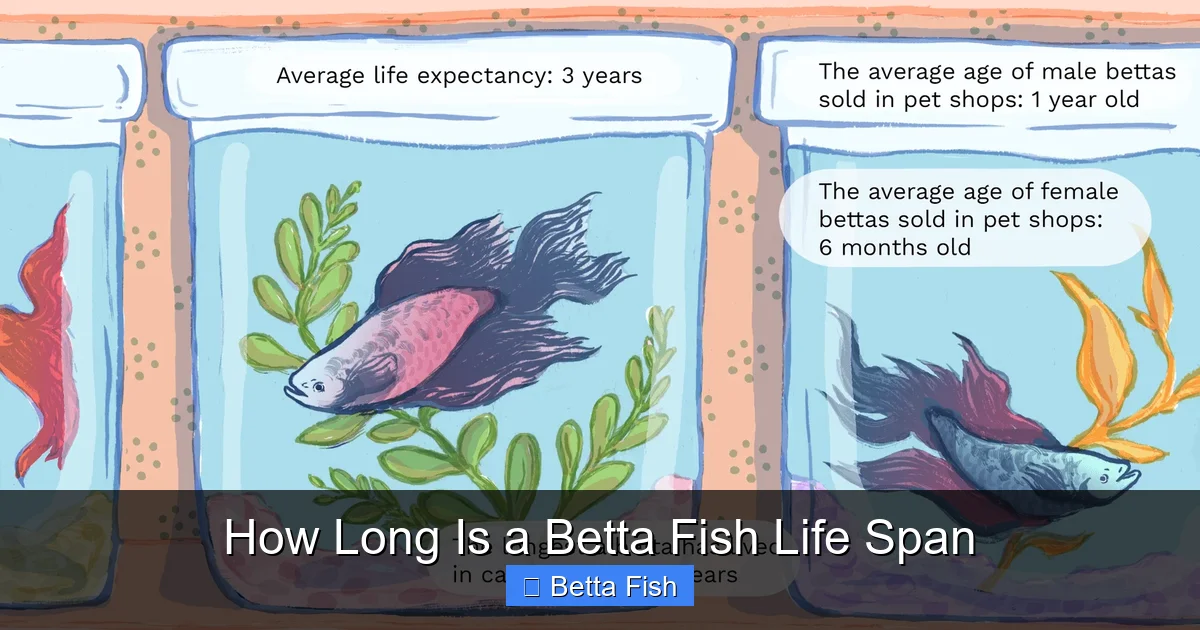
Betta fish typically live 2‑5 years, but with optimal care they can reach 7 years or more. Understanding water quality, diet, and stress‑free environments is key to extending their life span.
Key Takeaways
- Typical range: Most bettas live 2‑5 years; exceptional care can push it to 7‑8 years.
- Water matters: Stable temperature (78‑80°F) and clean, filtered water are the biggest longevity boosters.
- Nutrition counts: High‑protein, varied diets prevent disease and support growth.
- Stress reduction: Proper tank size, hiding spots, and compatible tank mates lower mortality.
- Health monitoring: Spotting early signs of illness can add precious months to a betta’s life.
- Genetics play a role: Some strains are hardier than others; research before buying.
- Regular maintenance: Weekly water changes and routine tank checks keep the environment safe.
📑 Table of Contents
- Introduction: Why Knowing the Betta Life Span Matters
- 1. The Baseline: Average Life Expectancy
- 2. Extending the Years: Best Practices for a Long‑Lived Betta
- 3. Recognizing Early Warning Signs
- 4. Genetics and Breed Considerations
- 5. Common Myths About Betta Longevity
- 6. Putting It All Together: A Sample Weekly Care Schedule
- Conclusion: Your Betta’s Future Is In Your Hands
Introduction: Why Knowing the Betta Life Span Matters
When you bring home a bright, flowing‑fin betta, you’re not just getting a pretty pet—you’re starting a relationship that can last several years. Many new owners think bettas are short‑lived “one‑off” fish, but the truth is far more encouraging. By understanding how long is a betta fish life span under different conditions, you can set realistic expectations and give your fish the best chance to thrive.
In this guide we’ll break down the average numbers, the science behind longevity, and practical steps you can take today. Think of it as a friendly chat over coffee, with plenty of tips you can copy‑paste into your daily routine.
1. The Baseline: Average Life Expectancy
What the experts say
Most reputable sources agree that a healthy betta lives between 2 and 5 years. This range appears in articles such as What Is The Average Life Of A Betta Fish and is backed by decades of hobbyist data.
Visual guide about How Long Is a Betta Fish Life Span
Image source: thesprucepets.com
Factors that pull the average up or down
- Genetics: Wild‑type and “fighter” strains often live longer than heavily bred show varieties.
- Water quality: Poor parameters (high ammonia, low temperature) can cut life expectancy in half.
- Diet: Low‑protein or over‑feeding leads to obesity and organ strain.
- Stress: Overcrowding, bright lights, and aggressive tank mates raise cortisol and shorten life.
2. Extending the Years: Best Practices for a Long‑Lived Betta
Water is the foundation
Betta fish are tropical and love stable, warm water. Keep the tank at 78‑80°F (25‑27°C) with a reliable heater. Use a gentle filter; bettas prefer low flow but still need water movement to prevent waste buildup.

Visual guide about How Long Is a Betta Fish Life Span
Image source: theartofmovieposters.com
Test the water weekly for ammonia, nitrite, and nitrate. Aim for ammonia = 0 ppm, nitrite = 0 ppm, nitrate < 20 ppm. A partial water change of 25‑30% every week keeps parameters in check.
Feeding for longevity
High‑quality betta pellets or frozen bloodworms should make up the bulk of the diet. Feed 2‑3 small portions daily, amounting to what the fish can eat in 2 minutes. Overfeeding leads to fatty liver disease, a common cause of early death.
Rotate protein sources: include daphnia, brine shrimp, and occasional microworms. This variety supplies essential fatty acids and vitamins.
Tank size and enrichment
While bettas can survive in a 2‑gallon bowl, a 5‑gallon tank dramatically improves water stability and gives room for plants and hiding spots. Live plants like Java fern or Anubias absorb nitrates and provide natural cover.
Provide a silk or plastic “coconut” leaf and a few driftwood roots. These structures let the betta rest and display natural flaring behavior, reducing stress.
3. Recognizing Early Warning Signs
What illness looks like
Spotting trouble early can add months to a betta’s life. Common red flags include:

Visual guide about How Long Is a Betta Fish Life Span
Image source: i.ytimg.com
- Loss of appetite for more than 48 hours.
- Faded or ragged fins.
- Clamped gill covers (breathing looks shallow).
- White spots or cotton‑like growths.
For a deeper dive, see our guide on How To Know If A Betta Fish Is Dying. Prompt treatment with a suitable medication (often a broad‑spectrum antibiotic) can turn a fatal case into a recovery.
Daily health checks
Spend a minute each day observing your fish. Note swimming patterns, color vibrancy, and any unusual behavior. A quick visual scan is a low‑effort habit that pays huge dividends.
4. Genetics and Breed Considerations
Hardy vs. showy varieties
Traditional “crowntail” and “veiltail” bettas are often more robust than the ultra‑long‑fin “doublesword” or “halfmoon” types. The latter have delicate fins that are prone to tearing and infection.
Choosing a healthy starter
Buy from reputable breeders who can show you the parent fish and a health certificate. Avoid fish that look lethargic, have torn fins, or display white spots.
5. Common Myths About Betta Longevity
Myth: Betta fish only live a few months.
While some owners report short lives due to neglect, a well‑cared betta regularly reaches 3‑4 years. The myth persists because many bettas are kept in unsuitable conditions (tiny bowls, cold water).
Myth: You don’t need a filter.
Even a small sponge filter improves water quality and oxygenation. It also mimics the gentle currents bettas experience in their natural habitats.
6. Putting It All Together: A Sample Weekly Care Schedule
Monday – Water test & partial change
Test temperature, pH (6.5‑7.5), ammonia, nitrite, nitrate. Replace 25% water with conditioned water at the same temperature.
Tuesday – Feeding rotation
Morning: high‑protein pellets. Evening: a few frozen bloodworms.
Wednesday – Tank cleaning
Scrub algae from glass, prune dead plant leaves, rinse filter media in old tank water.
Thursday – Observation day
Note any changes in behavior or appearance. Record in a simple log.
Friday – Enrichment
Add a new leaf or rearrange décor to stimulate exploration.
Weekend – Rest & enjoy
Watch your betta do its beautiful fin displays. A happy fish is often a healthy fish.
Conclusion: Your Betta’s Future Is In Your Hands
Understanding how long is a betta fish life span isn’t just a trivia question—it’s the foundation for responsible pet ownership. By controlling water quality, feeding a balanced diet, providing a spacious and enriched environment, and staying vigilant for health issues, you can push the average 2‑5‑year range toward the upper end, sometimes reaching 7 years.
Remember, each betta is an individual. Some will surprise you with longevity; others may face challenges despite your best efforts. The key is consistency and love. Treat your betta like a family member, and you’ll share many vibrant moments together.
Frequently Asked Questions
How many years can a betta fish live with perfect care?
With optimal water conditions, a varied high‑protein diet, and a stress‑free environment, many bettas live 5‑7 years, and a few even reach 8 years.
Does tank size affect a betta’s life span?
Yes. Larger tanks provide more stable water parameters and room for natural behaviors, which can add months or even years to a betta’s life.
Can poor diet shorten a betta’s life?
Absolutely. Overfeeding or feeding low‑quality food leads to obesity, fatty liver disease, and a weakened immune system, all of which reduce lifespan.
What are the first signs that a betta is getting sick?
Loss of appetite, faded colors, clamped fins, and ragged or torn fins are early warning signs. Quick action can improve outcomes.
Is a filter necessary for a betta tank?
While bettas can survive without one, a gentle filter greatly improves water quality and oxygen levels, supporting a longer, healthier life.
How often should I change the water for a betta?
Changing 25‑30% of the water weekly keeps ammonia and nitrate low, which is essential for extending your betta’s life span.