Betta fish are opportunistic carnivores that may bite an ant if it lands in the water, but ants are not a nutritious or recommended food. Providing a balanced diet of quality betta pellets, frozen or live foods, and monitoring tank conditions keeps your fish healthy and happy.
Key Takeaways
- Natural diet: Betta fish thrive on protein‑rich foods like brine shrimp, bloodworms, and high‑quality pellets.
- Ants are not ideal: An ant may be eaten out of curiosity, but it offers little nutrition and can carry pesticides.
- Safety first: Never rely on insects from the wild; use clean, store‑bought live or frozen foods.
- Feeding frequency: Feed adult bettas 2‑3 times daily, offering only what they can consume in 2‑3 minutes.
- Tank hygiene: Prevent stray insects by covering the tank and keeping the room clean.
- Observe behavior: If your betta snaps at ants, it’s displaying its natural hunting instinct—not a dietary need.
- Seek alternatives: Offer varied protein sources to satisfy the betta’s predatory drive without risking health.
📑 Table of Contents
- Introduction: The Curious Case of Ants in the Betta Bowl
- 1. What Betta Fish Naturally Eat
- 2. Why an Ant Might End Up in the Tank
- 3. Betta’s Reaction to an Ant
- 4. Risks of Feeding (or Accidentally Feeding) Ants
- 5. Safe Feeding Practices to Satisfy the Hunting Instinct
- 6. What to Do If Your Betta Eats an Ant
- Conclusion: Ants Are a One‑Time Curiosity, Not a Meal
Introduction: The Curious Case of Ants in the Betta Bowl
Imagine you’re watching your bright‑red betta glide through the water, and a tiny ant scurries across the tank lid. In a flash, the betta darts forward, mouth open. Did it just eat an ant? Many hobbyists have witnessed this tiny showdown and wonder if ants are a regular part of a betta’s menu.
This article breaks down the science behind a betta’s instinct to bite, explains why ants are not a suitable food, and offers practical tips to keep your fish thriving. We’ll also answer the most common questions, so you can feed your finned companion with confidence.
1. What Betta Fish Naturally Eat
Wild diet basics
In their native Southeast Asian rice paddies, betta fish hunt tiny crustaceans, mosquito larvae, and small insects that fall into the water. Their mouths are built for a quick, suction‑style bite, perfect for snatching moving prey.

Visual guide about Does Betta Fish Eat Ants
Image source: media.fstatic.com
Common captive foods
Today, the safest way to mimic that diet is with high‑quality betta pellets, frozen or live bloodworms, brine shrimp, and daphnia. These foods provide the protein, fat, and micronutrients bettas need for vibrant colors and strong fins.
For a deeper dive into betta nutrition, see our guide on What Does Betta Fish Eat.
2. Why an Ant Might End Up in the Tank
Accidental entry
Ants are excellent climbers and can crawl onto tank lids, décor, or even hitch a ride on your hands. If the tank isn’t covered, they can easily fall in.
Visual guide about Does Betta Fish Eat Ants
Image source: kxan.com
Attraction to food
Betta fish food often releases a scent that draws insects. An ant may mistake the water’s surface for a safe landing spot.
3. Betta’s Reaction to an Ant
Instinctive snap
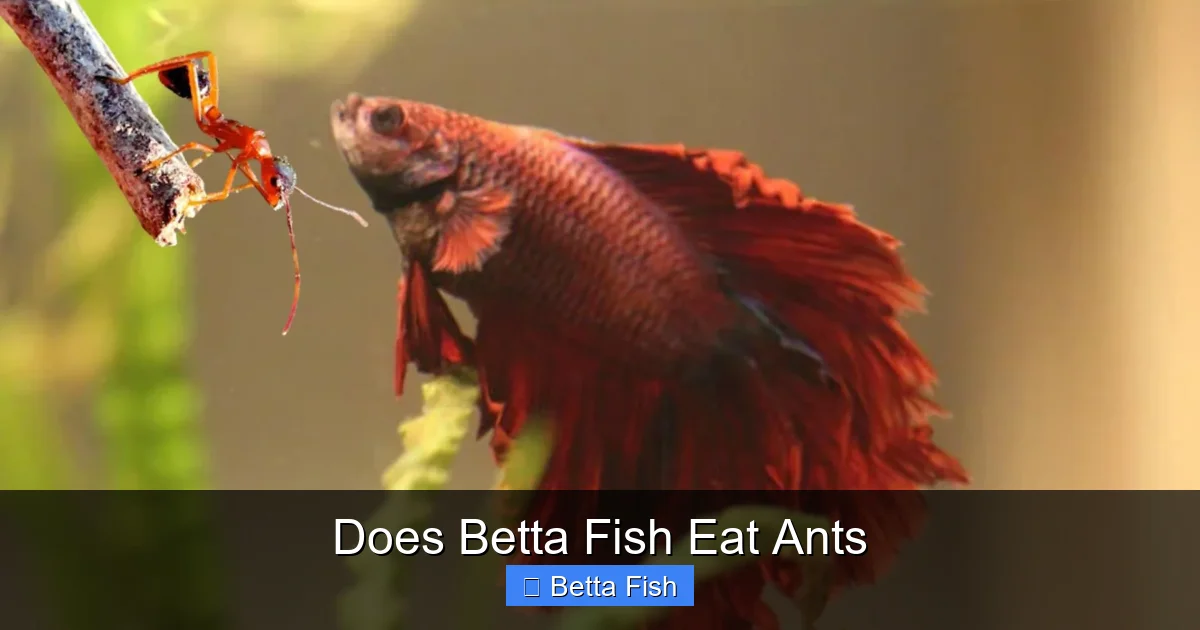
When an ant lands, the betta’s predatory reflex kicks in. The fish may snap at the ant, not because it recognizes it as food, but because the movement triggers a hunting response.
Visual guide about Does Betta Fish Eat Ants
Image source: tamilaquadiary.com
Is it actually eating?
Even if the betta swallows the ant, the nutritional gain is negligible. Ants contain chitin—a hard, indigestible material—that can be hard on a betta’s delicate digestive tract.
4. Risks of Feeding (or Accidentally Feeding) Ants
Pesticide exposure
Many household ants have come into contact with insecticides. Those chemicals can be toxic to fish, leading to stress, loss of appetite, or even death.
Digestive issues
Chitin and the exoskeleton can cause constipation or blockages, especially in smaller bettas.
Disease transmission
Wild insects can carry bacteria or parasites that may infect your tank’s ecosystem.
5. Safe Feeding Practices to Satisfy the Hunting Instinct
Offer live or frozen foods
Providing live or frozen foods that mimic the movement of insects satisfies the betta’s natural drive without the risks associated with wild ants.
Check out our article on Does Betta Fish Eat Snails for more ideas on safe, protein‑rich treats.
Scheduled feeding
Feed adult bettas 2‑3 times a day, offering only what they can consume in a few minutes. Overfeeding leads to water quality problems, which can make your fish more prone to stress and aggression.
For timing specifics, read How Often Does Betta Fish Eat.
Use a tank lid
A snug, mesh‑covered lid prevents insects, dust, and debris from landing in the water.
6. What to Do If Your Betta Eats an Ant
Observe for signs of distress
Watch for abnormal swimming, loss of appetite, or cloudy “fish poop.” If any of these appear, perform a water change and consider a mild, fish‑safe medication.
Do a partial water change
Removing 25‑30% of the water helps dilute any potential toxins the ant might have carried.
Consult a vet or experienced hobbyist
If symptoms persist, reach out to a veterinarian who specializes in fish or a reputable aquarium forum.
Conclusion: Ants Are a One‑Time Curiosity, Not a Meal
Betta fish are natural hunters and will often snap at anything that moves on the water’s surface, including ants. While an occasional ant bite isn’t likely to be fatal, it offers no nutritional benefit and can introduce harmful chemicals or digestive problems. The best approach is to prevent ants from entering the tank and to provide a balanced diet of pellets, frozen, or live foods that satisfy your betta’s predatory instincts safely.
By keeping the tank covered, feeding on a regular schedule, and monitoring water quality, you’ll enjoy a healthy, colorful betta that thrives without the need for accidental insect snacks.
Frequently Asked Questions
Do betta fish eat ants?
Betta fish may bite and even swallow an ant that falls into the water, but ants are not a natural or nutritious food for them.
Can an ant harm my betta fish?
Yes. Ants can carry pesticides or have hard exoskeletons that are difficult for a betta to digest, potentially causing health issues.
What should I feed my betta instead of ants?
Offer high‑quality betta pellets, frozen or live bloodworms, brine shrimp, or daphnia to meet their protein needs.
How often should I feed my betta?
Adult bettas do well with 2‑3 small meals per day, feeding only what they can eat in 2‑3 minutes each time.
Will covering the tank stop ants from getting in?
Yes, a tight‑fitting mesh or glass lid greatly reduces the chance of insects entering the aquarium.
What signs indicate my betta is ill after eating an ant?
Look for lethargy, loss of appetite, abnormal swimming, or unusual feces. If observed, perform a partial water change and monitor closely.

