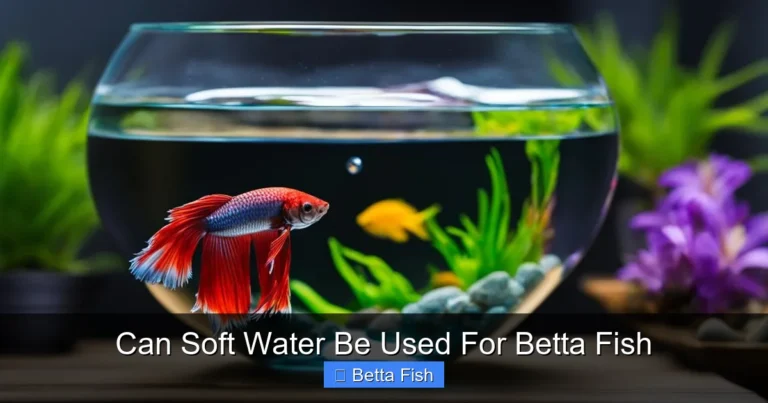
Do Betta Fish and Snails Get Along

Betta fish can share a home with snails, but success depends on tank size, snail species, and the betta’s temperament. By providing plenty of hiding spots, monitoring behavior, and choosing the right snails, you can create a peaceful, low‑maintenance community.
Key Takeaways
- Temperament matters: Not all bettas are aggressive; observe your fish before adding snails.
- Snail species count: Nerite, mystery, and ramshorn snails are generally safe companions.
- Tank setup is crucial: Plants, caves, and driftwood give snails places to hide and reduce stress.
- Feeding strategy: Feed snails separately or provide algae wafers so the betta doesn’t see them as food.
- Monitor health: Check both betta and snails daily for signs of stress or disease.
- Size compatibility: Larger bettas may view small snails as prey; choose snails that outgrow the betta’s gape.
- Water parameters: Keep temperature, pH, and hardness within ranges that suit both species.
📑 Table of Contents
- Introduction: Why the Question Matters
- Understanding Betta Behavior
- Snail Species That Usually Get Along With Bettas
- Setting Up the Tank for Harmony
- Feeding Both Residents Without Conflict
- Monitoring Compatibility and Health
- Frequently Asked Questions About Betta‑Snail Co‑habitation
- Conclusion: Making the Decision
Introduction: Why the Question Matters
If you’re a betta enthusiast, you’ve probably wondered whether those colorful fighters can coexist with peaceful snails. The answer isn’t a simple “yes” or “no.” It depends on the betta’s personality, the type of snail, and how you set up the aquarium.
Many hobbyists add snails for natural algae control and a touch of variety. Snails are low‑maintenance, quiet, and can help keep the tank clean. But bettas are known for their territorial streak, especially males. In this guide we’ll explore the science, share practical tips, and give you a clear roadmap for deciding if do betta fish and snails get along in your specific situation.
Understanding Betta Behavior
Territorial instincts
Bettas (Betta splendens) are native to the shallow rice paddies of Thailand. In the wild they defend a small patch of water that contains food and a breeding site. This instinct carries over to the home aquarium, where a male will often flare his fins at anything that enters his perceived territory.

Visual guide about Do Betta Fish and Snails Get Along
Image source: frontiersin.org
Individual differences
Just like people, not every betta reacts the same way. Some are laid‑back and ignore slow‑moving snails, while others will chase anything that moves. Observing your fish’s reaction to a new object—like a plastic plant—can give clues about how it might react to a snail.
Gender considerations
Male bettas are typically more aggressive than females, but a calm female can still be a good tank mate for snails. If you already have a male, you may need extra hiding places for the snails. For more on gender dynamics, see our article on Can You Get A Male And Female Betta Fish.
Snail Species That Usually Get Along With Bettas
Nerite Snails
Nerites are popular because they won’t reproduce in fresh water and they’re excellent algae eaters. Their shells are hard enough that a curious betta can’t crush them, and they tend to stay on the glass where the betta’s view is limited.

Visual guide about Do Betta Fish and Snails Get Along
Image source: c8.alamy.com
Mystery (Apple) Snails
These larger snails can grow up to 2 inches, making them less likely to be seen as prey. They also help clean up leftover food. Just keep an eye on water quality, as mystery snails produce more waste than smaller snails.
Ramshorn Snails
Ramshorns are small, fast, and can hide in plant foliage. They’re a good starter snail for beginners, but be aware that they breed quickly if you have a lot of algae.
What to avoid
Large apple snails with very soft shells, or tiny pond snails that can fit into a betta’s mouth, should be avoided. If you’re unsure, read our detailed guide on Can You Have Snails With Betta Fish for a full list of compatible species.
Setting Up the Tank for Harmony
Size matters
A 5‑gallon tank is the minimum recommended for a single betta, but when you add snails, a 10‑gallon tank gives everyone more space to claim their own zones. More water also dilutes waste, keeping both betta and snails healthier.

Visual guide about Do Betta Fish and Snails Get Along
Image source: pica.zhimg.com
Plants and décor
Live plants like Java fern, Anubias, and mosses create natural barriers. Snails love to crawl on leaf surfaces, and the foliage gives the betta visual breaks that reduce aggression. Add driftwood or ceramic caves for extra hiding spots.
Substrate choice
Fine sand or smooth gravel works well. Avoid sharp gravel that could injure a snail’s foot. A thin layer of leaf litter can also provide a foraging area for snails.
Water parameters
Bettas thrive at 76‑82°F (24‑28°C) with a pH of 6.5‑7.5. Most freshwater snails tolerate the same range, but keep hardness moderate (4‑12 dGH) to prevent shell problems. Consistent temperature is key; rapid changes stress both parties.
Feeding Both Residents Without Conflict
Separate feeding zones
Place a small piece of algae wafer near the back of the tank where the betta rarely swims. This lets snails graze without competing directly with the betta’s pellets.
Live foods and treats
Occasionally offering a tiny piece of brine shrimp or daphnia can keep the betta satisfied and less likely to chase snails. Remember to remove uneaten food quickly to avoid water quality issues.
Snail diet basics
Snails love algae, but you can supplement with calcium-rich foods like cuttlebone or specialized snail pellets. A well‑fed snail will be less active and less likely to draw the betta’s attention.
Monitoring Compatibility and Health
Behavioral cues
Watch for flaring, nipping, or the betta hovering near a snail for extended periods. A quick chase that ends with the snail retreating to a plant is normal curiosity. Persistent aggression, however, means you may need to separate them.
Health checks
Snails with a soft, cracked shell, or a betta with ragged fins, signal stress. Perform a water change of 25‑30% weekly and test for ammonia, nitrite, and nitrate levels. For more on water changes, see How Do You Change A Betta Fish Water.
When to intervene
If the betta continuously harasses a snail, consider moving the snail to a separate breeding box or a different tank. Some hobbyists keep a “snail sanctuary” with a small sponge filter and a few plants.
Frequently Asked Questions About Betta‑Snail Co‑habitation
Will the betta eat the snail?
Most bettas will not view a fully grown nerite or mystery snail as food, but a very small snail can be mistaken for a snack. Choose larger snails to reduce this risk.
Can snails help keep the tank clean?
Yes. Snails graze on algae, uneaten food, and decaying plant matter, which can reduce the frequency of water changes.
Do snails affect the betta’s water temperature needs?
Snails prefer the same temperature range as bettas, so no special heater adjustments are needed as long as you stay within 76‑82°F.
Is it safe to keep multiple snails with one betta?
Yes, as long as the tank is large enough and there are plenty of hiding spots. Overcrowding can lead to higher waste, so monitor water quality closely.
Can I add snails to an existing betta tank?
Introduce snails slowly, one at a time, and observe the betta’s reaction. A gradual approach lets the betta get used to new movement without feeling threatened.
What if my betta gets bored?
Adding snails can provide gentle activity, but also consider live plants, floating logs, or a small mirror to stimulate natural behaviors. Learn more about betta enrichment in Do Betta Fish Get Lonely.
Conclusion: Making the Decision
So, do betta fish and snails get along? The short answer is: they can, if you set the stage correctly. Choose a compatible snail species, provide a spacious, well‑decorated tank, keep water parameters stable, and watch the personalities play out.
When the environment is right, both betta and snails thrive—your fish enjoys a dynamic, living tank, and the snails keep algae at bay. If you notice persistent aggression, don’t hesitate to give the snails a separate home. With a bit of observation and care, you’ll have a peaceful, eye‑pleasing aquarium that showcases the best of both worlds.
Frequently Asked Questions
Do betta fish eat snails?
Most adult bettas will not eat fully grown snails, but they may nip at very small ones, mistaking them for live food.
Can I keep multiple snail species together?
Yes, as long as each species’ water requirements match the betta’s and you have enough space to prevent overcrowding.
How often should I clean the tank when keeping snails?
Because snails help eat waste, you can usually extend water changes to every 7‑10 days, but always test water parameters first.
Will the snail’s shell get damaged by the betta?
Betta fins are soft compared to a snail’s hard shell, so damage is rare. However, aggressive flaring can cause stress.
Do snails need a heater?
Snails thrive at the same temperature as bettas (76‑82°F), so a standard betta heater works for both.
What signs show that a snail is stressed?
Retreated behavior, a dull shell, or lack of movement are indicators. Adjust décor or remove the betta’s line of sight if needed.