Will a Male and Female Betta Fish Mate
Wondering if a male and female betta fish will mate? With the right tank, timing, and care, they can breed successfully. This guide walks you through identification, preparation, and the actual spawning process so you can watch nature happen in your home aquarium.
Key Takeaways
- Identify the sexes correctly: Males have larger, flowing fins and a broader throat pouch; females are shorter‑tailed and slimmer.
- Provide a proper breeding tank: A 5‑gallon tank with soft, warm water and plenty of hiding spots encourages spawning.
- Condition both fish: High‑quality live foods for 2‑4 weeks boost fertility and egg quality.
- Watch the courtship ritual: Males flare, build bubble nests, and perform a “kiss” before the female releases eggs.
- Separate parents after spawning: The male guards the nest; remove the female to prevent egg‑eating.
- Care for fry carefully: Use infusoria or microworms and keep water parameters stable.
- Patience is key: Not every pair will breed on the first try – keep conditions optimal and try again.
📑 Table of Contents
- Introduction: The Curiosity Behind Betta Breeding
- 1. Understanding Betta Sexes
- 2. Preparing the Perfect Breeding Environment
- 3. The Courtship Dance: Will They Actually Mate?
- 4. After the Eggs: Caring for the Next Generation
- 5. Common Questions and Troubleshooting
- Conclusion: Your Path to Successful Betta Breeding
Introduction: The Curiosity Behind Betta Breeding
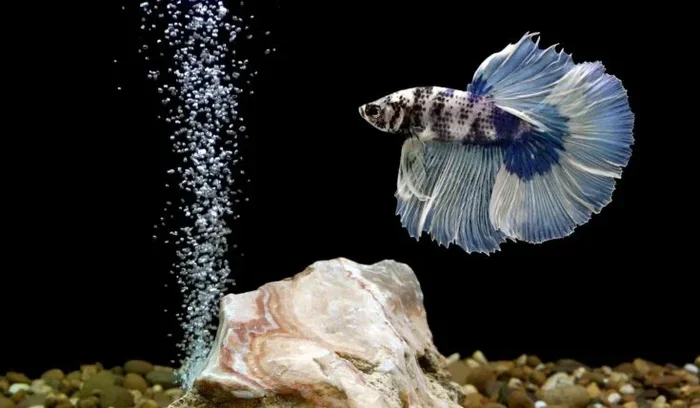
Betta fish, often called Siamese fighting fish, are famous for their dazzling colors and dramatic flares. Many hobbyists ask, “will a male and female betta fish mate?” The answer is a confident yes—provided you give them the right environment and understand their natural behaviors. Breeding bettas can be a rewarding experience, letting you witness tiny fry hatch and grow into the vibrant adults you love.
In this article we’ll break down everything you need to know: how to tell males from females, how to set up a breeding tank, what to feed, the courtship dance, and what to do after the eggs are laid. By the end, you’ll feel ready to answer the question with confidence and maybe even start a new generation of bettas in your home.
1. Understanding Betta Sexes
How to Distinguish Male and Female Betta Fish
Before you can answer “will a male and female betta fish mate?” you must be sure you have one of each. Males are easy to spot:
Visual guide about Will a Male and Female Betta Fish Mate
Image source: anatomysystem.com
- Fin size: Long, flowing fins that look like a veil.
- Body shape: Broad, muscular torso and a pronounced “throat pouch” (or “gular”).
- Color intensity: Brighter, more vivid hues.
Females are more modest:
- Shorter fins: Usually half the length of a male’s.
- Slender body: A slimmer profile with less pronounced throat.
- Egg spot: A small, dark dot near the vent, visible when the fish is calm.
For a deeper dive, see our article on how to distinguish male and female betta fish. Getting the sex right is the first step toward successful breeding.
Why Sex Matters for Breeding
Male bettas build bubble nests and guard the eggs, while females release the eggs and then often become aggressive toward the male. Mixing two males or two females will never result in spawning, and it can lead to stress or fighting. So, confirming that you have a true male and a true female is essential before you ask, “will a male and female betta fish mate?”
2. Preparing the Perfect Breeding Environment
Choosing the Right Tank
A dedicated breeding tank is recommended. Aim for 5‑gallon (19‑liter) capacity; this provides enough space for a bubble nest and easy water maintenance. Use a shallow tank (about 6‑8 inches deep) to make it easier for the male to build a sturdy nest.

Visual guide about Will a Male and Female Betta Fish Mate
Image source: satomuragumi.jp
Line the tank with smooth surface material—like a piece of acrylic or a clean glass plate—so the male can attach bubbles without them sticking to rough surfaces.
Water Parameters
- Temperature: 78‑80°F (25.5‑26.5°C) – warm water encourages spawning.
- pH: 6.5‑7.0 – slightly acidic to neutral.
- Hardness: 3‑5 dGH – soft water mimics their natural habitat.
- Filtration: Gentle sponge filter; strong currents can break bubble nests.
Regular water changes (25% weekly) keep the environment pristine and reduce the risk of fungal infections on eggs.
Creating Hiding Spots and Nest Sites
Place a small piece of Indian leaf or a piece of smooth slate in one corner. The male will use it as a base for his bubble nest. Add a few live plants (Java fern or Anubias) to give the female places to rest during courtship.
Conditioning the Pair
Two weeks before you plan to breed, feed both fish high‑protein live foods such as brine shrimp, daphnia, or microworms daily. This “conditioning” stage improves egg quality and boosts the male’s energy for nest building.
3. The Courtship Dance: Will They Actually Mate?
Recognizing Courtship Signals
When the conditions are right, the male will start flaring his fins and gills, swimming in tight circles around the female. He will also begin to build a bubble nest at the water’s surface. Look for these signs:

Visual guide about Will a Male and Female Betta Fish Mate
Image source: bankbazaar.com
- Bubble nest: A compact cluster of bubbles, often with bits of debris.
- Flaring: The male spreads his fins wide, showing off his colors.
- “Kissing” behavior: The male nudges the female’s vent with his snout—this is the actual “mating” moment.
The Spawning Process
During the “kiss,” the female releases a batch of 10‑30 eggs, which the male immediately fertilizes and scoops into the bubble nest. A single spawning session may involve several batches, totaling 200‑300 eggs. The male will guard the nest fiercely, blowing more bubbles to keep it intact.
Do They Always Mate?
Even with perfect conditions, some pairs may not spawn. Factors that can prevent mating include:
- Improper sex identification.
- Stress from aggressive tank mates or loud vibrations.
- Water parameters outside the ideal range.
- Insufficient conditioning diet.
If you notice the male building a nest but the female never releases eggs, try adjusting the temperature a degree higher or offering more live foods. Patience and fine‑tuning often lead to success.
4. After the Eggs: Caring for the Next Generation
Removing the Female
Once spawning is complete, gently move the female to a separate holding tank. Even a well‑behaved female may nibble at the eggs if left with the male. The male will continue to guard the nest for 2‑3 days, keeping the eggs aerated.
Incubation and Hatching
Betta eggs hatch in 24‑36 hours at 78‑80°F. The fry will remain attached to the nest surface for a few more days, feeding on their yolk sac. During this period, keep the water calm and avoid any sudden temperature changes.
Feeding the Fry
When the yolk sac is absorbed (usually 3‑4 days post‑hatch), start feeding infusoria or commercially prepared liquid fry food. After a week, you can graduate to microworms and newly hatched brine shrimp. Feed small amounts 3‑4 times a day to avoid over‑feeding and water fouling.
Raising Healthy Betta Fry
- Water changes: 30% daily for the first week, then every other day.
- Tank size: Start with a 2‑gallon breeder tank; move to larger tanks as they grow.
- Separation: Keep fry apart from adult fish to prevent predation.
5. Common Questions and Troubleshooting
Will a male and female betta fish fight during breeding?
Usually not. The male protects the nest while the female may become aggressive after laying eggs. If you see excessive fighting, remove the female immediately.
Can I breed bettas in a community tank?
It’s risky. Other fish can disturb the nest or eat eggs. A separate breeding tank is safest. For more on mixing bettas, read will a male and female betta fish fight.
What if the male doesn’t build a bubble nest?
Check water temperature, softness, and ensure the tank is quiet. Adding a few drops of liquid fertilizer can increase surface tension, helping bubble formation.
How many fry can I expect?
From a healthy pair, expect 150‑300 fry per spawning. Survival rates to adulthood are lower—often 20‑30%—due to cannibalism and water quality issues.
Do I need to separate the male after the fry are free?
Yes. Once the fry become free‑swimming (about 5‑7 days after hatching), the male may view them as food. Transfer him to a separate tank to protect the young.
Conclusion: Your Path to Successful Betta Breeding
So, will a male and female betta fish mate? Absolutely—when you provide the right sex identification, a well‑conditioned pair, and a calm, warm breeding tank. By following the steps outlined here—identifying the sexes, setting up a proper environment, recognizing courtship, and caring for the fry—you’ll increase your chances of witnessing a spectacular spawning event.
Remember, breeding bettas is as much about patience as it is about preparation. Even if the first attempt doesn’t result in eggs, adjust one factor at a time and try again. In time, you’ll master the art of betta breeding and enjoy the joy of watching tiny, colorful fry grow into the stunning adults you adore.
Frequently Asked Questions
Will a male and female betta fish mate without a bubble nest?
The male usually needs a bubble nest to fertilize and protect the eggs. Without a nest, spawning is unlikely or the eggs may not survive.
How long does it take for betta eggs to hatch?
At optimal temperatures (78‑80°F), betta eggs hatch in about 24‑36 hours after being fertilized.
Can I use a regular aquarium filter for a breeding tank?
Yes, but choose a gentle sponge filter. Strong currents can break the bubble nest and stress the fish.
Do female bettas lay eggs without a male?
No. Female bettas need a male to fertilize the eggs; otherwise, the eggs will not develop.
What should I feed the fry after they hatch?
Start with infusoria or liquid fry food, then graduate to microworms and newly hatched brine shrimp as they grow.
Is it normal for the male to become aggressive after spawning?
Yes, the male guards the nest fiercely. It’s best to remove the female after spawning to prevent injury.