Why My Betta Fish Is Not Active

Betta fish that seem lazy or still may be signaling stress, illness, or simple tank issues. This guide walks you through the top reasons for inactivity, easy checks you can do at home, and practical steps to restore your betta’s spark. Read on to keep your vibrant companion happy and healthy.
Key Takeaways
- Water quality matters: Poor parameters are the #1 cause of lethargy.
- Temperature is crucial: Betta fish need a stable 78‑80°F (25‑27°C) to stay active.
- Tank size & enrichment: Too small or barren tanks limit movement.
- Health signs: Spotting disease, parasites, or injury can explain low energy.
- Feeding habits: Over‑ or under‑feeding and wrong food affect activity.
- Stress triggers: Loud vibrations, aggressive tank mates, or bright lights can calm a betta down.
- When to act: If inactivity lasts more than a few days, it’s time to test water and consider veterinary help.
📑 Table of Contents
Introduction
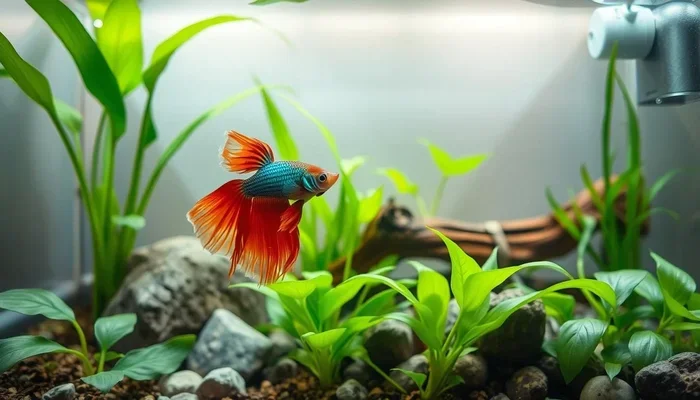
Betta fish, also called Siamese fighting fish, are famous for their dazzling colors and bold personalities. When you first bring a betta home, you expect to see it flare its fins, explore the water, and maybe even build a bubble nest. But sometimes, instead of darting around, your betta just floats lazily or hides at the bottom. It’s easy to worry—“Why my betta fish is not active?”—and wonder if something is seriously wrong.
Don’t panic. In most cases, inactivity is a clue that something in the environment or the fish’s health needs attention. By checking a few simple factors—water quality, temperature, tank setup, diet, and stress—you can often solve the problem yourself. This article breaks down each possible cause, offers practical, step‑by‑step fixes, and tells you when it’s time to call a professional.
1. Water Quality: The Foundation of Betta Health
Why water matters
Betta fish breathe air from the surface and absorb oxygen through their gills. If the water is dirty, cloudy, or has the wrong pH, the fish can become stressed and sluggish. Even a small spike in ammonia or nitrite can make a betta stop moving.
How to test your water
- Use a reliable test kit: Check ammonia, nitrite, nitrate, pH, and hardness at least once a week.
- Look for signs: Cloudy water, strong odor, or a film on the surface are red flags.
- Perform partial water changes: Replace 25‑30% of the water weekly to keep parameters stable.
Quick fix checklist
- Test the water.
- If ammonia > 0 ppm, do an immediate 50% water change.
- Adjust pH to 6.5‑7.5 using a pH buffer if needed.
- Make sure the tank is cycled; a new tank may need 4‑6 weeks to establish beneficial bacteria.
For a deeper dive on feeding problems that often accompany poor water, see our article on why is my betta fish not eating.
2. Temperature: Keep It Cozy
Ideal range
Betta fish are tropical and thrive at 78‑80°F (25‑27°C). Temperatures below 74°F can slow metabolism, making the fish appear lazy. Conversely, water that’s too warm (>86°F) can cause stress and even death.
How to maintain stable temperature
- Invest in a reliable heater: Choose one with an adjustable thermostat and a capacity of 25‑50 watts for a 2‑5 gallon tank.
- Use a thermometer: Digital stick‑on or floating thermometers give accurate readings.
- Avoid drafts: Keep the tank away from windows, air conditioners, or heating vents.
What to do if temperature is off
Raise or lower the heater setting by 1°F and monitor for 30 minutes. If the temperature swings more than 2°F in a short time, check the heater for faults or consider a backup heater.
3. Tank Size, Layout, and Enrichment
Why size matters
Many beginners think a tiny 1‑gallon bowl is fine because bettas can survive there. However, a cramped space reduces swimming area, limits oxygen exchange, and can cause stress, leading to inactivity.
Recommended tank setup
- Minimum size: 5 gallons is ideal; 2‑3 gallons can work if maintained perfectly.
- Filtration: A gentle sponge filter keeps water clean without creating strong currents that bettas dislike.
- Plants and hides: Live or silk plants, caves, and driftwood give the fish places to explore and rest.
Enrichment ideas
Rotate a small floating leaf or add a mirror (briefly) to stimulate natural curiosity. Just be sure not to overcrowd the tank.
4. Health Issues That Cause Lethargy
Common diseases
When a betta feels unwell, it often conserves energy by staying still. Look for these warning signs:
- Fin rot: Frayed, discolored fins that may fall apart.
- Ich (white spot disease): Tiny white dots on the body.
- Swim bladder disorder: Fish floats sideways or has trouble staying upright.
- Velvet disease: Gold‑ish dusting on the skin.
When to treat
If you notice any of the above, isolate the fish in a hospital tank, raise the temperature to 82°F (28°C), and begin appropriate medication (e.g., copper‑based for ich, antibiotics for fin rot). For detailed guidance on swim‑related issues, read why is my betta fish floating sideways.
5. Feeding Mistakes and Nutrition
Over‑ and under‑feeding
Too much food can foul the water quickly, while too little leaves the fish weak. Both scenarios can make a betta sluggish.
Best diet practices
- Feed high‑quality betta pellets 2‑3 times daily, offering only what the fish can eat in 2‑3 minutes.
- Supplement with frozen or live foods (brine shrimp, daphnia) 1‑2 times a week.
- Remove uneaten food promptly to keep water clean.
If your betta refuses food, check our guide on why is my betta fish not eating for troubleshooting tips.
6. Stress Triggers in the Environment
Noise, vibration, and lighting
Betta fish are sensitive to sudden movements and bright lights. A TV placed directly above the tank or a loud speaker nearby can cause the fish to hide and become inactive.
Tank mates and aggression
While bettas are often kept alone, some owners house them with peaceful species. Aggressive neighbors can make a betta retreat. If you notice nipping or fin damage, consider re‑homing the other fish.
How to reduce stress
- Cover the tank partially with a background or a piece of fabric to block outside view.
- Keep the room temperature stable and avoid direct sunlight.
- Provide hiding spots and keep the water surface calm.
Conclusion
Seeing your betta fish lie still or hide can be unsettling, but most of the time the cause is something you can fix at home. Start with the basics: test the water, confirm the temperature, and make sure the tank is big enough with plenty of enrichment. Then check for signs of disease, adjust feeding routines, and eliminate stressors.
If you’ve run through this checklist and your betta is still listless after a few days, it may be time to consult a vet who specializes in fish. Early intervention often saves a betta’s life and gets it back to its vibrant, active self.
Frequently Asked Questions
Why is my betta fish lying at the bottom of the tank?
It could be a sign of poor water quality, low temperature, or an underlying health issue like swim bladder disease. Test the water and check the heater first.
Can a betta fish be lazy because it’s bored?
Yes. A barren tank without plants or hiding spots can make a betta seem inactive. Adding live plants or silk decorations encourages natural exploration.
How often should I change the water to keep my betta active?
For a 5‑gallon tank, change 25‑30% of the water weekly. In a smaller tank, you may need to change 30‑40% every few days.
Is it normal for a betta to stop moving after eating?
Betta fish often rest after a meal, but they should still swim a little. If they remain motionless for hours, check for water or health problems.
What temperature should I set my heater to?
Keep the water between 78°F and 80°F (25‑27°C). Use a reliable thermometer and avoid sudden spikes.
When should I seek a veterinarian for my inactive betta?
If the fish shows no improvement after correcting water, temperature, and diet within 48‑72 hours, or if you notice visible disease signs, consult a fish‑health professional.