Seeing a brown tint in your betta’s tank can be alarming, but it’s usually a sign of simple water quality issues. By checking filtration, cleaning habits, and diet, you can restore a clear environment and keep your fish thriving.
Key Takeaways
- Understanding why is my betta fish tank turning brown: Provides essential knowledge
📑 Table of Contents
- Introduction: The Mystery of Brown Water
- 1. Organic Waste Build‑Up: The Main Driver
- 2. Over‑Feeding: More Than Just Waste
- 3. Lighting and Algae: The Brown Algae Trap
- 4. Water Chemistry: Nitrates, pH, and Hardness
- 5. Cleaning Routine: The Long‑Term Solution
- 6. When Brown Water Persists: Red Flags
- Conclusion: Keep It Clear, Keep It Happy
- Related Reading
Introduction: The Mystery of Brown Water
If you’ve ever looked at your betta’s home and noticed a hazy, brown hue, you probably asked yourself, “why is my betta fish tank turning brown?” It’s a common concern for both new and seasoned hobbyists. The good news is that brown water is usually a symptom, not a death sentence. With a few simple checks and a little routine care, you can bring back that sparkling, clear view your betta deserves.
In this article we’ll walk through the most frequent reasons behind brown water, show you how to test and fix each issue, and give you a maintenance plan that keeps the water crystal‑clear for months. Think of it as a friendly chat over a cup of tea, where I share everything I’ve learned from years of keeping bettas happy and healthy.
1. Organic Waste Build‑Up: The Main Driver
What Happens When Waste Accumulates?
Every time you feed your betta, a tiny portion of food never gets eaten. That leftover, along with fish waste, settles on the substrate and decorations. Over time, bacteria break down this organic matter, releasing tannins and other compounds that turn the water brown.

Visual guide about Why Is My Betta Fish Tank Turning Brown
Image source: png.pngtree.com
How to Spot the Problem
- Water looks tea‑colored, especially near the bottom.
- Gravel feels soft or smells “earthy”.
- Visible floating debris after a feeding.
Quick Fixes
1. Partial Water Change: Replace 25‑30% of the water with conditioned, temperature‑matched water. This dilutes the tannins instantly.
2. Vacuum the Substrate: Use a siphon to lift debris from the gravel. Aim for a gentle suction so you don’t disturb the beneficial bacteria too much.
3. Upgrade Filtration: A sponge filter or a small hang‑on‑back (HOB) filter with fine media will trap particles before they decompose.
2. Over‑Feeding: More Than Just Waste
Why Betta Owners Overfeed
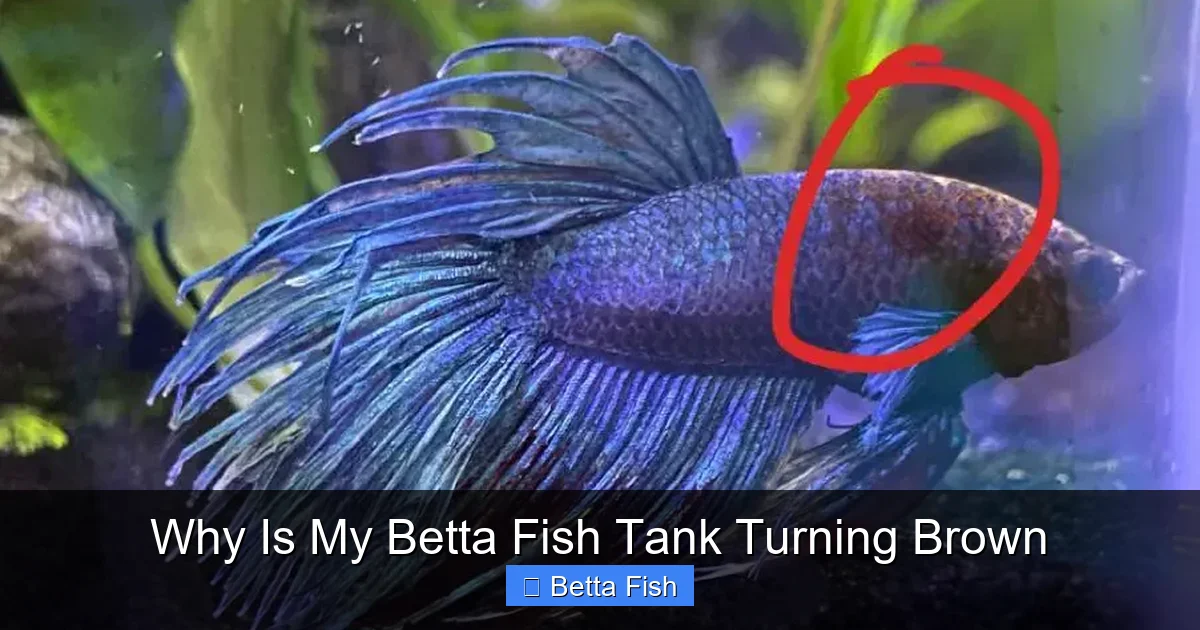
Betta fish have tiny stomachs—roughly the size of their eye. It’s tempting to give a generous handful of pellets, but excess food is a fast track to brown water.
Visual guide about Why Is My Betta Fish Tank Turning Brown
Image source: bettafishworld.com
Feeding Guidelines
- Offer an amount that your betta can consume in 2‑3 minutes, once or twice a day.
- Use high‑quality betta pellets that sink slowly; they are easier to monitor.
- Consider fasting one day per week to clear the gut.
What To Do If You’ve Over‑Fed
Immediately remove any uneaten food with a small net. Then perform a 20% water change and run the filter on high for an hour to flush out excess nutrients.
3. Lighting and Algae: The Brown Algae Trap
How Light Affects Water Color
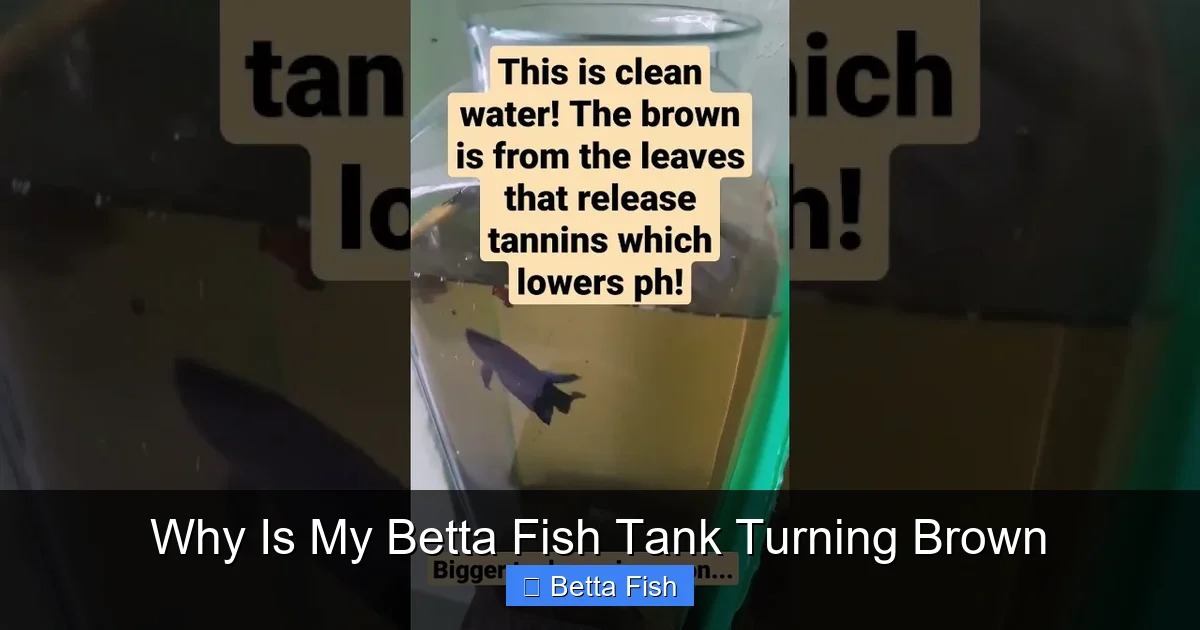
Too much light encourages the growth of brown algae (also called diatoms). These microscopic plants cling to glass, decorations, and even the substrate, giving the water a muddy tint.
Visual guide about Why Is My Betta Fish Tank Turning Brown
Image source: i.ytimg.com
Managing Light
- Provide 8‑10 hours of light per day; use a timer for consistency.
- Avoid direct sunlight on the tank.
- Choose LED lights with a balanced spectrum—avoid high‑intensity blue that fuels algae.
Algae Removal Tips
Scrape the glass with an algae pad, clean decorations in warm water (no soap), and consider adding a few live plants that compete with algae for nutrients.
4. Water Chemistry: Nitrates, pH, and Hardness
Why Chemistry Matters
High nitrate levels (above 40 ppm) and imbalanced pH can stress bettas and promote bacterial blooms that discolor water.
Testing Made Easy
Invest in a liquid test kit or a digital tester. Test weekly for ammonia, nitrite, nitrate, and pH. Record the results in a simple log.
Adjusting Parameters
- Nitrates: Perform a 30% water change weekly; consider adding a nitrate‑absorbing filter media.
- pH: Keep it between 6.5‑7.5. Use driftwood to naturally lower pH if needed.
- Hardness: Use a water conditioner that also softens water for very hard tap supplies.
5. Cleaning Routine: The Long‑Term Solution
Establish a Weekly Schedule
Consistency beats occasional deep cleans. Here’s a simple plan:
- Monday: 20% water change, substrate vacuum.
- Wednesday: Check filter media; rinse if dirty.
- Friday: Test water parameters, adjust as needed.
- Sunday: Light cleaning of glass and decorations.
Monthly Deep Clean
Once a month, dismantle the filter, soak media in old tank water (to preserve beneficial bacteria), and scrub the tank walls thoroughly. Replace only half the filter media to keep the bio‑filter alive.
6. When Brown Water Persists: Red Flags
Signs the Problem Is Bigger Than Staining
- Betta shows lethargy, loss of appetite, or clamped fins.
- Water consistently tests high for ammonia or nitrite.
- Brown tint does not improve after several water changes.
Next Steps
If you notice any of these signs, consider a full tank reset: empty the tank, scrub everything with a diluted vinegar solution, rinse well, and start with fresh, conditioned water. Also, review your feeding and filtration habits to prevent recurrence.
Conclusion: Keep It Clear, Keep It Happy
Understanding why is my betta fish tank turning brown gives you the power to act fast and keep your fish thriving. Most brown water issues stem from simple oversights—over‑feeding, inadequate filtration, or a lighting schedule that’s too generous. By following the practical steps outlined above, you’ll see the water clear up in days, and your betta will thank you with vibrant colors and lively behavior.
Remember, a clean tank isn’t just about looks; it’s a cornerstone of your betta’s health. Keep a routine, test regularly, and enjoy watching your beautiful fish swim in crystal‑clear water for years to come.
Related Reading
- Why Is My Betta Fish Water Cloudy
- Why Are My Betta Fish’s Scales Turning White
- Why Did My Betta Fish Turn White
Frequently Asked Questions
Why does my betta tank turn brown after feeding?
Uneaten food breaks down and releases tannins, which tint the water brown. Removing excess food and doing a partial water change helps.
Can brown water make my betta sick?
Yes, if the brown color is caused by high ammonia or nitrite, it can stress or harm your fish. Test the water and act quickly.
How often should I change the water to prevent browning?
Changing 20‑30% of the water weekly is a good rule. For heavily stocked or heavily fed tanks, increase to 30‑40%.
Is a sponge filter enough to keep the water clear?
A sponge filter works well for bettas because it provides both mechanical and biological filtration while being gentle on fins.
Do live plants help prevent brown water?
Live plants absorb nitrates and compete with algae, reducing the chance of brown discoloration.
What should I do if the water stays brown despite cleaning?
Perform a full tank reset: empty, scrub, rinse all equipment, and start with fresh, conditioned water. Review feeding and filtration habits afterward.

