Why Is My Betta Fish Scared of My Finger

Betta fish often hide or dart away when you touch the glass because they’re naturally shy and can mistake your finger for a threat. Understanding water conditions, tank setup, and gentle handling techniques will help your betta feel safe and eventually enjoy your presence.
Key Takeaways
- Natural instinct: Betta’s wild ancestors are solitary and wary of predators, so they may see your finger as danger.
- Water quality matters: Poor parameters stress bettas, making them more jumpy around humans.
- Tank environment: Lack of hiding spots or too much open space can increase fear.
- Gradual conditioning: Slow, consistent exposure teaches the fish that your finger isn’t a threat.
- Handling tips: Use a soft approach—tap the glass, not the fish, and keep movements calm.
- Check health: Sudden fear can signal illness; watch for other signs like loss of color or appetite.
- Patience pays: Trust builds over weeks, not days. Celebrate small progress.
📑 Table of Contents
- Introduction: Why Your Betta Might Be Freaked Out
- 1. Natural Behavior and Instincts
- 2. Environmental Factors That Heighten Fear
- 3. Health Issues That Can Mimic Fear
- 4. Building Trust: Step‑by‑Step Conditioning
- 5. Practical Tips for Everyday Interaction
- 6. When to Seek Professional Help
- Conclusion: Turning Fear into Friendship
Introduction: Why Your Betta Might Be Freaked Out
Imagine you’re watching your bright‑red betta swim proudly across the tank, then you gently place a finger on the glass and—boom—he darts away like a tiny submarine. It feels disappointing, right? You’re not alone. Many betta owners wonder, “why is my betta fish scared of my finger?” The answer is a mix of natural instincts, tank conditions, and how you interact with your fish.
Betta fish (Betta splendens) are wild‑type fighters from shallow rice paddies in Thailand. In the wild, they learned to hide from predators and to guard their territory fiercely. Those survival skills travel with them into our homes. When you approach the glass, a betta can interpret the sudden shadow or movement as a potential threat.
1. Natural Behavior and Instincts
Territorial Nature
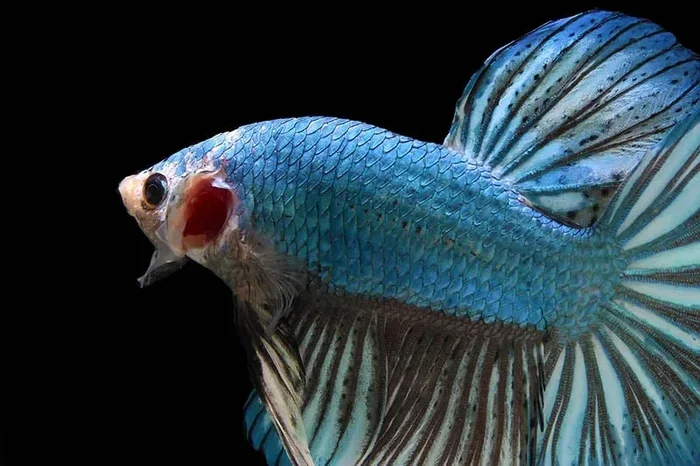
Betta males are especially territorial. Their bright colors and long fins are meant to warn other males away. A finger that suddenly appears can be read as an intruder. This is why you’ll often see a betta flare its gills, puff out its fins, or quickly retreat to a hiding spot.

Visual guide about Why Is My Betta Fish Scared of My Finger
Image source: sitesbay.com
Predator Awareness
In the wild, anything that moves above the water’s surface could be a bird or a larger fish. Over time, bettas have developed a “freeze‑and‑flee” response. Your finger, even though it’s harmless, triggers that same alarm system.
2. Environmental Factors That Heighten Fear
Water Quality and Stress
Stress makes any fish more skittish. High ammonia, nitrite spikes, or low oxygen levels can cause a betta to be on high alert. If the water isn’t clean, the fish may already be on edge, making your finger seem like the final straw.
Check your water parameters regularly. A stable temperature of 76‑82°F (24‑28°C), pH around 6.5‑7.5, and ammonia at 0 ppm are ideal.
Lack of Hiding Places
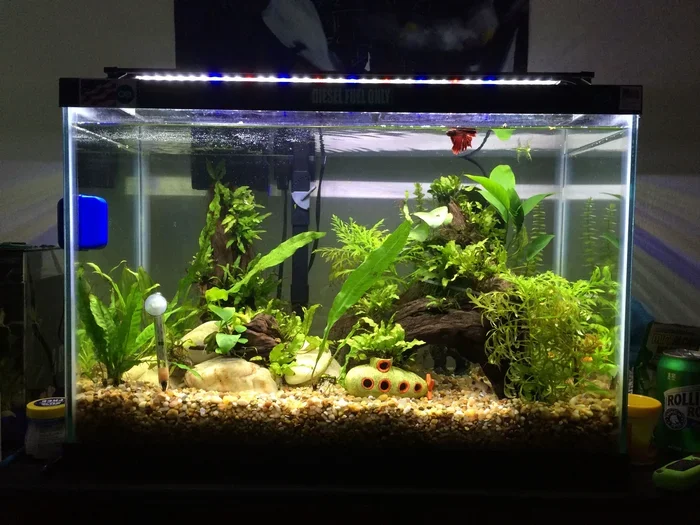
Betta fish love to have a place to retreat—a leaf, a piece of driftwood, or a dense plant. If the tank is bare, the fish feels exposed and will bolt at any movement. Adding live plants like Java fern or silk decorations gives them confidence.
Tank Size and Layout
Even though bettas can live in small bowls, a 5‑gal (or larger) tank with a gentle flow and clear sightlines reduces anxiety. A cramped space amplifies the perception of threat.
3. Health Issues That Can Mimic Fear
Illness Symptoms
Sometimes a betta’s sudden avoidance is a sign of illness rather than pure fear. Look for other clues: white or black patches on the body, loss of color, ragged fins, or a lack of appetite. If you notice these, read more about Is My Betta Fish Dying for a deeper dive.
Physical Discomfort
Sharp edges on decorations, a rough glass surface, or a sudden change in water chemistry can cause discomfort. Your betta may associate your finger with that discomfort if you’re touching the glass near a problematic spot.
4. Building Trust: Step‑by‑Step Conditioning
Start with Observation
Spend a few minutes each day simply watching your betta without touching anything. Let it get used to your presence. Over time, the fish will recognize you as a non‑threatening part of its environment.
Gentle Glass Taps
Instead of placing your finger directly on the glass, try a light tap a few inches away. If the betta flares but doesn’t dart away, you’re on the right track. Gradually move the tap closer over several days.
Use a Feeding Cue
Drop a small amount of food near where your finger will be. The betta will associate your finger with a tasty reward. This classic conditioning trick works wonders.
Introduce a Soft Probe
After the fish seems comfortable with taps, use a soft, clean plastic probe or a clean fingertip to briefly touch the glass. Keep the contact under two seconds and retreat. Reward with a few flakes. Repeat daily.
Patience and Consistency
Trust builds slowly. Some bettas may start to approach the glass within a week; others take a month or more. Celebrate tiny wins—like a brief pause before swimming away.
5. Practical Tips for Everyday Interaction
Maintain Calm Movements
Quick, jerky motions are interpreted as predators. Move your hand slowly, and avoid sudden shadows crossing the tank.
Mind the Lighting
Bright overhead lights can create stark shadows that startle your betta. Use a dimmer or indirect lighting during handling sessions.
Keep Hands Clean
Oils, soaps, or residues can irritate a betta’s delicate skin. Always wash your hands thoroughly and dry them before approaching the tank.
Limit Over‑Handling
Even with a calm fish, too much interaction can become stressful. Aim for short, positive sessions—five minutes max—once or twice a day.
Provide Enrichment
Floating logs, bubble nests, and occasional rearrangement of décor keep the environment interesting and reduce overall stress. For more on bubble behavior, see Why Is My Betta Fish Making Bubbles.
6. When to Seek Professional Help
If your betta continues to hide, refuses to eat, or shows physical signs of disease, it’s time to act. Consult a veterinarian familiar with fish or a reputable aquarium store. Early intervention can prevent a minor issue from becoming fatal.
Remember, a scared betta isn’t always a sick betta, but overlapping symptoms should be investigated. For a broader view on sudden health problems, check out Why Did My Betta Fish Die All Of A Sudden.
Conclusion: Turning Fear into Friendship
Understanding why your betta fish is scared of your finger is the first step toward a calmer, happier aquarium. By addressing water quality, providing hiding spots, and gently conditioning your fish, you can transform a nervous dart‑away into a graceful glide toward you. Patience, consistency, and a watchful eye on health will reward you with a vibrant, confident betta who may even come to the glass for a friendly “high‑five.”
Frequently Asked Questions
Why does my betta hide when I put my finger on the glass?
Betta fish are naturally shy and view sudden movements as potential threats. Hiding is a defensive response to protect themselves.
Can water temperature affect my betta’s fear response?
Yes. Temperatures outside the 76‑82°F range can stress a betta, making it more skittish around anything, including your finger.
How long does it take to condition a betta to accept my finger?
It varies. Some bettas show progress in a week, while others need several weeks of gentle, consistent exposure.
What are signs that my betta’s fear is actually a health issue?
Look for loss of color, ragged fins, lack of appetite, or abnormal swimming. If these appear, consult a fish‑savvy vet.
Should I use a net to handle my betta instead of my finger?
Only if necessary. Nets can cause stress if used roughly. Gentle finger conditioning is usually safer for building trust.
Do female bettas react the same way as males?
Both sexes can be shy, but males are generally more territorial. Females may be less aggressive but still react to sudden shadows.