Why Is My Betta Fish Not Active Anymore

Is your betta lounging on the tank bottom or barely moving? A sudden drop in activity often signals stress, water problems, or health issues. Read on to learn simple checks and fixes that can revive your finned friend’s energy.
Key Takeaways
- Water quality matters: Bad parameters are the top cause of lethargy.
- Temperature is critical: Betta fish need stable, warm water (78‑82°F).
- Stress triggers inactivity: Over‑crowding, bright lights, and sudden changes can calm a normally active betta.
- Health symptoms overlap: Look for loss of appetite, faded colors, or floating issues to spot illness early.
- Routine care helps: Regular water changes, proper diet, and tank cleaning keep bettas energetic.
- Observe behavior daily: Small changes often signal bigger problems.
- Seek help quickly: If you’ve tried basics and the fish is still sluggish, professional advice may be needed.
📑 Table of Contents
Introduction
Betta fish are famous for their bright colors and feisty personalities. When you first bring a new betta home, you expect it to flare its fins, explore the tank, and even build a bubble nest. So it can be worrying when that lively swimmer suddenly becomes a couch‑potato, hovering at the bottom or hiding in a corner.
Before you panic and think the fish is dying, take a step back and run through a simple checklist. Most inactivity stems from something you can fix in minutes—like a temperature dip or a dirty tank. In this guide we’ll walk through the most common reasons why a betta fish stops moving, how to diagnose the problem, and what you can do right now to bring the sparkle back.
1. Water Quality Problems
Why water matters
Betta fish are sensitive to ammonia, nitrite, and nitrate spikes. Even a small amount of ammonia (0.25 ppm) can make a healthy betta sluggish. Poor water also changes pH, making the fish feel uncomfortable and less likely to swim.

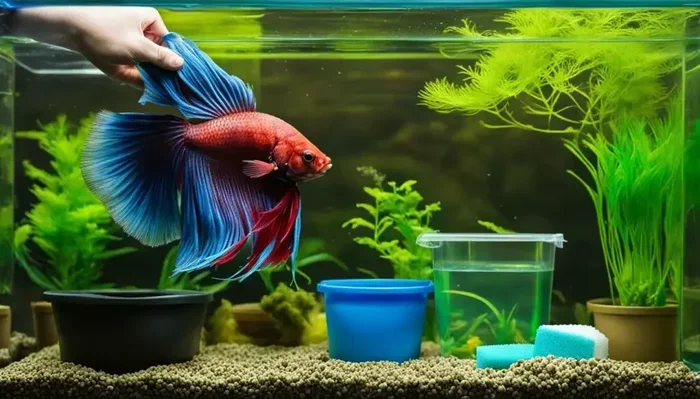
Visual guide about Why Is My Betta Fish Not Active Anymore
Image source: japanesefightingfish.org
Testing the water
Use a liquid test kit or strips to check:
- Ammonia – should be 0 ppm
- Nitrite – should be 0 ppm
- Nitrate – keep under 20 ppm
- pH – ideal range 6.5‑7.5 for most bettas
- Temperature – 78‑82°F (25‑28°C)
If any of these numbers are out of range, perform a partial water change (25‑30 %).
How to prevent future issues
Regular maintenance is key. Change 20‑30 % of the water every week, clean the substrate with a siphon, and never over‑feed. A small, well‑filtered tank (2‑5 gallon) is easier to keep stable than a larger, unfiltered bowl.
2. Temperature Fluctuations
Betta’s sweet spot
Betta fish are tropical; they thrive when the water stays warm. A drop below 75°F can cause lethargy, loss of appetite, and even a weakened immune system.
Checking the heater
Make sure the heater is appropriate for the tank size (typically 25‑50 W for a 5‑gallon tank). Use a reliable aquarium thermometer and place it away from the heater’s heat source to get an accurate reading.
Keeping temperature stable
- Use a thermostat‑controlled heater.
- Avoid placing the tank near windows, air‑condition vents, or drafty doors.
- Consider a heater guard to prevent the fish from getting too close and getting burned.
3. Stress Factors
Environmental stressors
Betta fish can become stressed by bright lights, loud noises, or constant movement around the tank. Stress reduces activity and can lead to illness.
Tank mates and over‑crowding
Although bettas are often called “fighting fish,” they can coexist with peaceful species if the tank is large enough (at least 10 gallons) and there are plenty of hiding spots. A single male betta should never share a small bowl with another male.
How to reduce stress
- Provide plants or silk decorations for hiding.
- Use a dimmable LED light on a 12‑hour cycle.
- Limit sudden changes—add new décor slowly and keep routine feeding times.
4. Health Issues That Cause Lethargy
Common illnesses
When water and temperature are fine, look for signs of disease. A betta that is not active may also be:
- Constipated – shows bloating and reduced movement.
- Infected with velvet or columnaris – appears white or gray and may float sideways.
- Dealing with fin rot – fins become frayed, and the fish may hide.
For more on specific symptoms, see our article on why is my betta fish not eating and another on why is my betta fish turning white.
When to treat
If you notice white patches, loss of color, or abnormal swimming (e.g., floating sideways), start treatment immediately with appropriate medication (salt baths for ich, antibacterial for fin rot). Quarantine the fish in a separate hospital tank to avoid spreading disease.
5. Feeding Mistakes
Over‑feeding or wrong diet
Too much food can pollute the water quickly, leading to ammonia spikes and lethargy. Conversely, feeding low‑quality pellets or only frozen foods can cause nutritional deficiencies.
Best feeding routine
- Feed 2‑3 small meals per day, offering only what the fish can eat in 2‑3 minutes.
- Include a mix of high‑quality betta pellets, occasional frozen bloodworms, and daphnia for variety.
- Remove uneaten food after each feeding.
If you suspect feeding is the issue, try a short fast (24 hours) and then resume with a light, high‑protein diet.
6. Lack of Stimulation
Betta boredom
Even a healthy betta can become lazy if the tank is barren. Betta fish love to explore, chase reflections, and build bubble nests.
Simple enrichment ideas
- Place a small mirror on the outside of the tank for a few minutes each day.
- Introduce floating toys or a floating leaf for the betta to investigate.
- Change the layout occasionally—move a plant or add a new silk leaf.
These changes encourage natural behaviors and can revitalize a sluggish fish.
Conclusion
Seeing your betta fish not active anymore can be unsettling, but most cases have a straightforward fix. Start by testing the water, confirming a stable temperature, and checking for obvious stressors. If those basics are solid, look closer at health signs and feeding habits. Simple adjustments—regular water changes, a reliable heater, and a bit of enrichment—often bring the sparkle back.
Remember, a betta’s inactivity is a signal, not a verdict. By acting quickly and methodically, you give your finned companion the best chance to bounce back to its vibrant, lively self.
Frequently Asked Questions
Why is my betta fish lying on the bottom of the tank?
Often it’s a sign of poor water quality or low temperature. Test the water and check the heater, then perform a partial water change.
Can lighting affect my betta’s activity level?
Yes. Too bright or constant light can stress a betta. Use a dimmable LED on a 12‑hour cycle to mimic natural daylight.
My betta isn’t eating and is also not moving. What should I do?
First, check water parameters. If they’re fine, consider a short fast (24 hours) then offer a high‑protein meal like frozen bloodworms. If inactivity continues, look for signs of disease.
Is it normal for a betta to hide sometimes?
Occasional hiding is natural, especially after a tank change or new décor. Persistent hiding, however, may indicate stress or illness.
How often should I change the water to keep my betta active?
Change 20‑30 % of the water weekly. If you notice a spike in ammonia or nitrate, do a larger change immediately.
Can a bubble nest help a lethargic betta?
Building a bubble nest is a sign of a healthy, active male. If your betta stops making a nest, it could be a stress or health issue worth investigating.