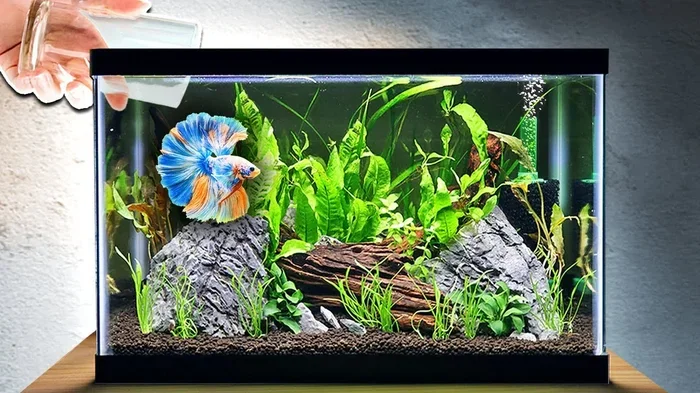
Why Is My Betta Fish Making Bubble Nest

Seeing a bubble nest in your tank? It’s a natural sign your betta is ready to breed or feeling comfortable. This article explains the reasons behind bubble‑nest building, the conditions that encourage it, and practical tips to keep your fish happy and healthy. Learn how to recognize normal behavior versus warning signs and what you can do to help.
Key Takeaways
- Understanding why is my betta fish making bubble nest: Provides essential knowledge
📑 Table of Contents
Introduction: The Mystery of the Bubble Nest
Imagine you’re watching your betta swim gracefully when suddenly the surface of the water becomes dotted with tiny, shimmering bubbles. You might wonder, “why is my betta fish making bubble nest?” The answer is both fascinating and reassuring – it’s a natural behavior rooted in the fish’s wild ancestry.
In the wild, male Siamese fighting fish (Betta splendens) construct bubble nests to protect their future offspring. Even when kept in a modest home aquarium, the same instinct can surface. Understanding this behavior helps you become a better caretaker, ensures a safe environment, and lets you enjoy the spectacular sight without panic.
What Is a Bubble Nest and How Is It Made?
Definition and Appearance
A bubble nest is a floating cluster of air bubbles coated with a thin film of saliva. It often looks like a frothy, white “cotton ball” on the water’s surface. The size can range from a few centimeters to a large, dome‑shaped structure that covers most of the tank top.

Visual guide about Why Is My Betta Fish Making Bubble Nest
Image source: media.nownews.com
The Building Process
Male bettas gulp air from the surface, mix it with mucus from their mouth, and release it in a deliberate pattern. Each bubble sticks to the ones before it, forming a cohesive nest. The process can take anywhere from a few minutes to several hours, depending on the fish’s excitement level and environmental conditions.
Why Do They Do It?
The primary purpose is reproductive. In nature, the nest provides a safe, oxygen‑rich cradle for eggs and, later, for the tiny fry. The male guards the nest, tending to the eggs until they hatch. Even without a female present, the instinct remains, which is why you may see a nest appear “just because.”
Key Triggers Behind the Bubble Nest
Temperature and Season
Betta fish are tropical, thriving at 76‑82°F (24‑28°C). Warmer water mimics the rainy season in their native Thailand, a time when breeding naturally occurs. If you notice a sudden rise in temperature, your betta may interpret it as a cue to start building.
Daylight Length
Longer daylight hours stimulate hormone production linked to spawning. Providing 10‑12 hours of gentle light each day can encourage nest building. Conversely, abrupt changes—like turning lights off early—may halt the activity.
Water Parameters
Soft water (pH 6.0‑7.0, GH 3‑6 dGH) is ideal. Hard or highly alkaline water can make it harder for bubbles to stay together, leading to a weak or nonexistent nest. Regular testing ensures the environment stays within the optimal range.
Tank Conditions
- Calm surface: Strong currents break bubbles apart. A gentle filter or a sponge filter set to low flow is best.
- Lid or cover: Prevents bubbles from escaping and reduces stress from sudden movements.
- Plants and décor: Fine‑leafed plants or a small piece of driftwood can give the male a place to anchor the nest.
Presence of a Female
When a female is introduced, the male’s instinct intensifies. He will display flaring fins, vibrant colors, and rapid bubble‑nest construction to attract a mate. If you’re planning a breeding pair, this is the perfect time to observe the behavior.
Is a Bubble Nest Always a Good Sign?
Healthy Nest = Healthy Fish
Generally, a strong, stable nest indicates that your betta is healthy, well‑fed, and comfortable. The fish is expending energy to create something beneficial, which suggests good overall condition.
When to Be Concerned
If the nest collapses repeatedly, or if you notice the fish gasping, floating upside down, or showing faded colors, it could signal stress, poor water quality, or illness. In such cases, check the following:
- Ammonia or nitrite spikes
- Temperature fluctuations
- Over‑crowding or aggressive tank mates
- Signs of disease (white spots, frayed fins, loss of appetite)
For more on troubleshooting nest issues, see Why Did My Betta Fish Stop Making Bubble Nest.
Practical Tips to Encourage or Manage Bubble Nesting
Setting Up the Perfect Environment
- Maintain warm water: Use an aquarium heater to keep the temperature steady.
- Soft water: Add peat or a commercial softening agent if your tap water is hard.
- Gentle filtration: A sponge filter on low flow reduces surface disturbance.
- Provide a lid: A simple aquarium cover keeps bubbles from escaping and reduces stress.
- Lighting: 10‑12 hours of low‑intensity LED light mimics natural daylight.
Feeding Strategies
High‑quality protein foods boost energy for nest building. Offer a mix of frozen or live foods (brine shrimp, daphnia) a few times a week, supplemented with high‑grade pellets.
Introducing a Female (If You Want to Breed)
Place the female in a separate breeding box within the same tank. This lets the male see her without direct contact, reducing aggression. Once the nest is complete, gently release the female for spawning. After eggs are laid, remove the female to prevent the male from eating the eggs.
What to Do If the Nest Falls Apart
- Check water flow – reduce filter speed.
- Inspect water parameters – adjust pH or hardness if needed.
- Make sure the tank isn’t over‑crowded.
- Observe for signs of disease; treat promptly if needed.
Common Misconceptions About Bubble Nests
“My betta is building a nest to hide because it’s sick.”
While stress can affect behavior, a nest is typically a sign of normal breeding instinct, not illness. If the fish shows other symptoms (loss of appetite, ragged fins), then investigate health issues separately.
“Only males make nests.”
Correct – females rarely, if ever, build nests. Their role is to lay eggs and then be removed to protect the brood.
“A larger nest means a bigger clutch of eggs.”
Not necessarily. Nest size can be influenced by the male’s vigor, water conditions, and whether a female is present, but it doesn’t guarantee more eggs.
Conclusion: Embrace the Bubble‑Nest Behavior
Seeing a bubble nest can feel mysterious, but now you know that it’s a natural, often healthy sign that your betta is thriving or ready to breed. By maintaining optimal water conditions, providing a calm surface, and monitoring your fish’s overall health, you can enjoy this fascinating display for years to come. If you ever notice the nest disappearing or your fish acting oddly, a quick check of water parameters and a glance at our guide on why betta fish stop making bubble nests will set you on the right path.
Remember, a happy betta is a bubble‑nesting betta. Keep the environment stable, feed well, and watch nature’s little marvel unfold right in your living room.
Frequently Asked Questions
Why does my betta fish make a bubble nest without a female?
Male bettas have an innate instinct to build nests as part of their breeding cycle. Even without a mate, they will create a nest to be ready for potential spawning.
Can a bubble nest indicate that my betta is sick?
Usually not. A healthy nest is a sign of a healthy fish. However, if the nest keeps collapsing and the fish shows other signs of distress, check water quality and health.
How long does it take for a betta to finish a bubble nest?
Construction can range from 10 minutes to several hours, depending on temperature, water conditions, and the fish’s excitement level.
What should I do if my betta’s bubble nest falls apart?
Reduce surface turbulence, verify proper temperature (76‑82°F), and ensure the water is soft and slightly acidic. Adjust the filter flow if needed.
Do female bettas ever build bubble nests?
No. Nest building is a male‑specific behavior linked to protecting eggs and fry after spawning.
Is it safe to keep a breeding pair together long term?
Male bettas can become aggressive after spawning. It’s best to separate the female once eggs are laid to prevent stress or injury.