Why Is My Betta Fish Leaning to the Side

Seeing your betta tilt or lean to one side can be alarming, but most of the time it’s a sign of something fixable. Common culprits include water quality, swim‑bladder issues, and infections. Identify the cause quickly, adjust the tank, and your finned friend can return to swimming upright.
Key Takeaways
- Water quality matters: Poor parameters are the #1 reason bettas lean.
- Swim‑bladder problems are common: Overfeeding, constipation, or injury can cause imbalance.
- Infections show other signs: Look for spots, frayed fins, or cloudy eyes.
- Tank setup fixes many issues: Proper size, heating, and décor reduce stress.
- Quick home remedies work: Fasting, EPS water, or a pea can often resolve constipation.
- When to act fast: Sudden leaning with rapid breathing signals a serious problem.
- Regular checks prevent relapse: Routine water tests and observation keep your betta thriving.
📑 Table of Contents
- Introduction: The Worry‑Worthy Tilt
- 1. Water Quality – The Silent Saboteur
- 2. Swim‑Bladder Disorders – The Most Common Physical Cause
- 3. Infections and Disease – Look Beyond the Tilt
- 4. Tank Environment and Stress Factors
- 5. When Leaning Means “Floating Sideways” – A Related Issue
- 6. Preventive Care – Keeping Your Betta Upright for Life
- Conclusion: Tilt Is a Signal, Not a Sentence
Introduction: The Worry‑Worthy Tilt
Imagine you’re watching your bright‑red betta glide across the water and, suddenly, it starts to lean to one side. Your heart skips a beat. Is it sick? Is it dying? The good news is that a sideways tilt is often a symptom, not a diagnosis. By understanding the why behind the lean, you can act fast and often save your fish.
This guide breaks down the most common reasons a betta fish leans, how to spot the subtle clues, and step‑by‑step fixes you can try at home. It’s written like a chat with a friend, so you’ll feel confident making the right moves.
1. Water Quality – The Silent Saboteur
Why water matters
Betta fish are native to shallow, warm pools in Southeast Asia. In the wild, the water is clean, slightly acidic, and stable. In a home tank, any drift in temperature, pH, or ammonia can stress the fish and affect its buoyancy.

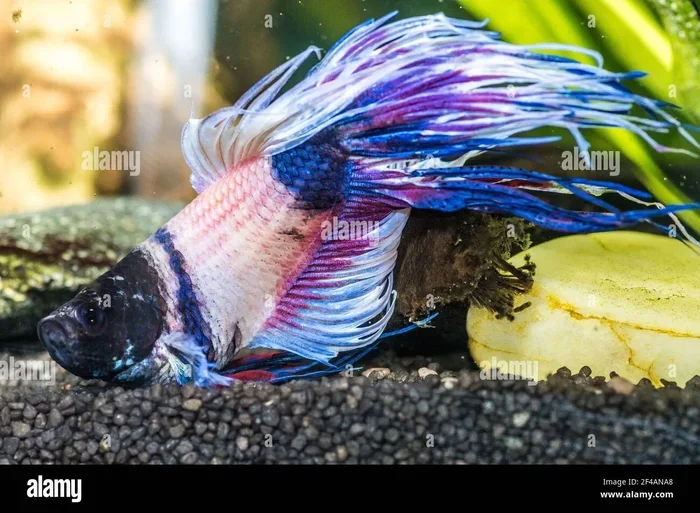
Visual guide about Why Is My Betta Fish Leaning to the Side
Image source: 1.bp.blogspot.com
Key parameters to test
- Ammonia (NH₃): Anything above 0 ppm is a red flag.
- Nitrite (NO₂⁻): Should be 0 ppm; even small amounts irritate gills.
- Nitrate (NO₃⁻): Keep under 20 ppm for bettas.
- pH: Ideal range 6.5‑7.5.
- Temperature: 78‑80 °F (25‑27 °C) is optimal.
Quick water fix
If a test shows high ammonia or nitrite, perform a 25‑30 % water change with dechlorinated water at the same temperature. Repeat daily until levels drop.
When to seek help
Persistent water problems despite regular changes suggest a filtration issue. Consider upgrading the filter or switching to a larger tank.
2. Swim‑Bladder Disorders – The Most Common Physical Cause
What is the swim bladder?
The swim bladder is a gas‑filled organ that lets a fish control its depth. If it fills unevenly or becomes inflamed, the fish may tilt, float upside‑down, or sink.
Common triggers
- Overfeeding: Too much food creates excess gas.
- Constipation: A packed intestine presses on the bladder.
- Injuries: Rough décor or aggressive tank mates can bruise the organ.
- Temperature shock: Sudden drops affect gas regulation.
Home remedies
- Fast for 24‑48 hours: Stop feeding to let the gut clear.
- Pea treatment: Cook a plain green pea, remove the skin, mash it, and feed a tiny piece. The fiber helps clear constipation.
- EPS water: Add a few drops of Epsom salt (magnesium sulfate) – 1 tsp per 5 gal – to the tank. It can reduce swelling and aid gas release.
When to call a vet
If the tilt persists after fasting and a pea, or if you see bloating, redness, or bleeding, a veterinarian experienced with fish should examine the betta.
3. Infections and Disease – Look Beyond the Tilt
Bacterial or fungal infections
Infections often start with a small wound or poor water, then spread. Signs include white or fuzzy patches, ragged fins, and cloudy eyes. A leaning fish may be struggling to keep balance because of weakened muscles.
Parasites
Protozoan parasites like Ich cause flashing and lethargy. While they don’t directly cause a lean, the added stress can make the swim bladder act up.
Diagnosis tips
- Check for external spots or discoloration.
- Observe breathing – rapid gill movement suggests infection.
- Note appetite – a sick betta often refuses food.
Treatment basics
For bacterial infections, a broad‑spectrum aquarium antibiotic (e.g., Maracyn) used per label can help. Fungal issues respond to antifungal dips such as formalin (follow dosage carefully).
For a deeper dive on spotting illness, see our guide on how to tell if my betta fish is sick.
4. Tank Environment and Stress Factors
Tank size and décor
Betas need room to swim. A 2.5‑gal minimum is recommended; smaller containers limit water stability and can cause chronic stress, leading to leaning.
Temperature fluctuations
Rapid changes of more than 2‑3 °F in a few hours shock the fish’s metabolism. Use a reliable heater with a thermostat and avoid placing the tank near drafts or direct sunlight.
Compatibility issues
While male bettas are solitary, some owners keep them with peaceful species. Aggressive tank mates can nip fins, causing injury to the swim bladder. If you notice fin damage, consider rehoming the betta.
Helpful checklist
- Check heater is set to 79 °F.
- Ensure tank has a lid to prevent jumps (why did my betta fish jump out of the tank).
- Remove sharp décor and replace with smooth plants or silk leaves.
5. When Leaning Means “Floating Sideways” – A Related Issue
Sometimes a betta that leans also floats on its side. The underlying causes overlap—water quality, swim‑bladder trouble, and infection—but the presentation is slightly different.
Read more about the nuances in our article why is my betta fish floating sideways. It offers a quick checklist that complements the steps above.
6. Preventive Care – Keeping Your Betta Upright for Life
Routine water testing
Test the water weekly for the first month after setup, then bi‑weekly. A simple liquid test kit works fine.
Balanced diet
Feed high‑quality betta pellets once or twice a day, no more than the size of the fish’s eye. Supplement with frozen or live foods (brine shrimp, daphnia) once a week.
Regular health checks
Spend a few minutes each day watching your betta’s posture, color, and fin condition. Early detection is the best cure.
Seasonal adjustments
In winter, room temperature may drop. Use a thermometer and adjust the heater accordingly to avoid cold stress.
Conclusion: Tilt Is a Signal, Not a Sentence
A betta leaning to the side is usually a sign that something in its environment or body needs attention. By checking water quality, addressing swim‑bladder issues, watching for infections, and providing a stress‑free tank, you can often correct the problem within a few days.
If you’ve tried the quick fixes and your fish is still tilting, it’s time to consult a specialist. Remember, a healthy betta is a happy betta, and a little vigilance goes a long way.
Frequently Asked Questions
Why is my betta fish leaning to one side?
Most often it’s caused by swim‑bladder problems, poor water quality, or an infection. Checking the tank parameters and trying a short fast usually helps.
Can a betta recover from a swim‑bladder issue?
Yes. Many cases improve with fasting, a pea treatment, or EPS water. If there’s no improvement after 48 hours, seek veterinary advice.
What does it mean if my betta is both leaning and breathing fast?
Rapid breathing indicates a possible infection or low oxygen. Test the water, perform a partial change, and consider a broad‑spectrum antibiotic.
Is a small tank the reason my betta is tilting?
Small tanks are harder to keep stable, leading to spikes in ammonia and temperature. Upgrading to at least a 2.5‑gallon tank can reduce stress.
How long should I fast my betta before trying a pea?
Fast for 24‑48 hours. If the fish still looks bloated after the fast, give a small pea and monitor for improvement over the next 24 hours.
When should I consider that my betta is dying?
If the tilt is accompanied by loss of color, frayed fins, loss of appetite, and rapid breathing, the fish may be close to death. Consult a vet immediately.