Why Is My Betta Fish Flaring at Me

Betta flaring is a natural communication tool, but it can also signal stress, aggression, or health issues. Understanding the triggers—like territory disputes, water problems, or excitement—helps you respond correctly and keep your fish thriving. Follow our practical tips to calm a flaring betta and create a happier aquarium.
Key Takeaways
- Flaring is communication: Betta fish flare to claim territory, attract mates, or show excitement.
- Water quality matters: Poor parameters (pH, ammonia, temperature) can cause chronic flaring.
- Tank setup influences behavior: Small spaces, mirrors, and aggressive tank mates provoke flaring.
- Health issues trigger flaring: Parasites, fin rot, or injuries may make a betta display its fins more often.
- Calming techniques work: Adding plants, hiding spots, and reducing reflections can lower stress.
- Watch for other signs: Changes in appetite, color, or swimming patterns often accompany flaring.
- Regular monitoring prevents problems: Test water weekly and observe behavior to catch issues early.
📑 Table of Contents
Introduction: The Drama of a Flaring Betta
Imagine you’re sitting by the aquarium and your betta suddenly expands its gills, spreads its fins wide, and looks straight at you as if saying, “Hey, that’s my space!” This dramatic display is called flaring, and it’s one of the most recognizable behaviors in the betta world. While it can be entertaining, many owners wonder if the flaring is a sign of trouble.
In this article we’ll walk through the most common reasons why a betta fish flares at you, how to tell a healthy flare from a stressed one, and what you can do to keep the drama to a minimum. By the end, you’ll feel confident that you’re reading your betta’s body language correctly and providing a calm, thriving home.
1. The Natural Language of Flaring
Why bettas flare: territory, courtship, and warning
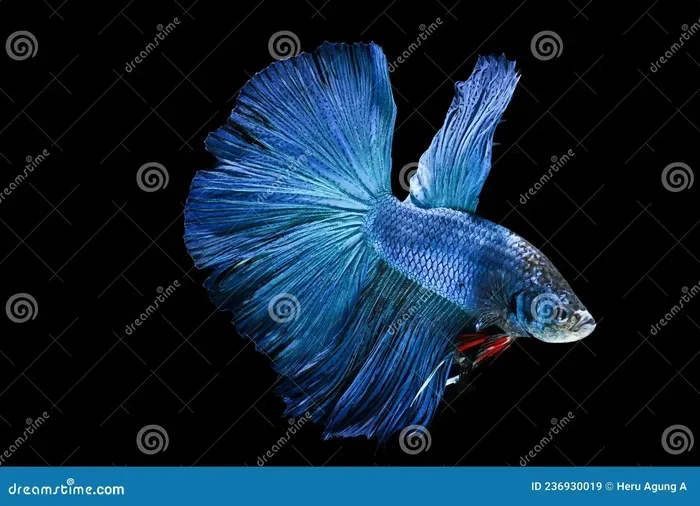
Betta fish are solitary by nature. In the wild they live in shallow rice paddies and slow‑moving streams where each male defends a small patch of territory. When another male or a perceived intruder gets too close, the resident betta flares to say, “Back off!” The same display is used during courtship to attract a female, and even when a betta is simply excited by a new object.

Visual guide about Why Is My Betta Fish Flaring at Me
Image source: png.pngtree.com
What a healthy flare looks like
A healthy flare is brief (a few seconds to a minute), the fish’s colors are bright, and the fins are fully extended without ragged edges. The fish will quickly return to normal swimming once the “intruder” is gone. If you notice these signs, the flare is most likely a normal communication tool.
2. Environmental Triggers That Cause Stress Flaring
Tank size and shape
Betta fish need room to swim—at least a 5‑gallon tank is recommended. A cramped bowl or a narrow “pencil” tank can make a betta feel trapped, prompting frequent flaring. If you see your betta constantly puffing out its fins, consider upgrading to a larger, wider tank.
Reflections and mirrors
Betas are easily fooled by their own reflection. A mirror on the opposite side of the tank looks like a rival male, leading to endless flaring battles. If you notice your fish flaring at the glass, try turning the tank away from direct light or covering the reflective surface temporarily.
Tank mates
While some owners keep multiple bettas together, it’s risky. Even peaceful community fish can trigger a flare if they swim too close to the betta’s “front line.” If you keep other species, make sure they are slow‑moving and stay near the bottom, and provide plenty of plants or décor for the betta to hide behind.
Water quality
Bad water is a silent stressor. High ammonia, nitrite, or incorrect pH can irritate a betta’s gills, causing it to flare more often. Test the water weekly and keep the temperature between 76‑82°F (24‑28°C). A stable environment reduces the need for defensive flaring.
3. Health Issues That Show Up as Flaring
Parasites and infections
External parasites (like Ich) or bacterial infections can make a betta’s skin itchy. The fish may flare to relieve discomfort. Look for white spots, fuzzy growths, or frayed fins. If you suspect disease, isolate the fish and treat with a suitable medication.

Visual guide about Why Is My Betta Fish Flaring at Me
Image source: i.ytimg.com
Fin rot and injuries
Fin rot causes the edges of the fins to turn ragged and brown. A betta with damaged fins may flare to protect the vulnerable area. Keep the water clean and consider a water change with a mild antibacterial remedy.
Stress from sudden changes
Moving the tank, changing décor, or a power outage can shock a betta. The stress response often includes flaring, rapid breathing, and darting. Give your fish a few days to adjust, and avoid making multiple changes at once.
4. How to Calm a Flaring Betta
Modify the environment
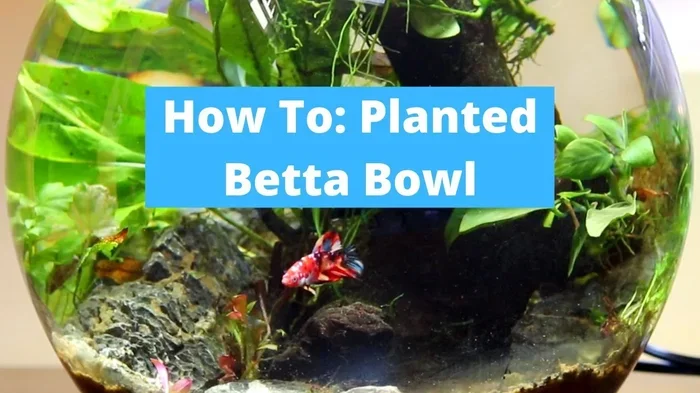
- Add live or silk plants: They break up sight lines and give the betta places to hide.
- Use background décor: A dark, non‑reflective background reduces glare and perceived threats.
- Cover the tank: A simple piece of cardboard can block a mirror view for a few hours, calming the fish.
Improve water conditions
Perform a 25‑30% water change with conditioned water if parameters are off. Use a gentle filter that creates a soft flow—betas dislike strong currents.
Adjust feeding and routine
Feed high‑quality pellets or frozen foods twice a day. Over‑feeding can foul the water, while under‑feeding can cause stress. Consistency in feeding time helps the fish feel secure.
Consider a “quiet” tank setup
If you enjoy watching flares, create a separate “display” tank for short periods. This lets the betta show off without permanent stress.
5. When Flaring Signals a Bigger Problem
Accompanied by loss of color
If the bright hues fade while flaring continues, it may indicate illness. Check out our guide on why is my betta fish turning white for more details.
Changes in swimming behavior
Floating sideways, staying at the top, or lying at the bottom are red flags. Read about why is my betta fish floating sideways to spot these signs early.
Loss of appetite
A betta that stops eating and keeps flaring may be battling an internal issue. See our article on why is my betta fish not eating for troubleshooting steps.
Rapid, labored breathing
Heavy breathing combined with flaring can be a sign of gill disease or poor water quality. Immediate water change and a test are essential.
Conclusion: Turning Flares into Friendly Signals
Flaring is a betta’s way of talking, but constant or frantic flaring often means something is off. By checking water quality, providing a spacious and well‑decorated tank, and watching for other health clues, you can help your betta feel safe and reduce unnecessary drama. Remember, a calm betta displays vibrant colors, swims confidently, and flares only when truly needed—like a proud performer taking a bow.
Keep an eye on the environment, act quickly if you notice other warning signs, and enjoy the beautiful display of a healthy, happy betta.
Frequently Asked Questions
Why does my betta flare when I look at the tank?
Betta fish see their reflection as another male. The flare is a territorial warning. Covering the glass or moving the tank reduces the reflection.
Can a betta flare because it’s excited?
Yes. New décor, a live plant, or a favorite treat can trigger an excited flare. This type is usually brief and followed by normal swimming.
Is flaring a sign that my betta is sick?
Flaring alone isn’t always illness, but if it’s constant and paired with color loss, fin damage, or loss of appetite, it could indicate health problems.
How often should I expect my betta to flare?
Occasional flares are normal—once or twice a week is typical. Frequent flaring (multiple times a day) suggests stress or an environmental issue.
Will adding plants stop my betta from flaring?
Plants give the betta places to hide and break up sight lines, which often reduces stress‑induced flaring. Live or silk plants work best.
What water parameters help prevent stress flaring?
Keep temperature at 76‑82°F (24‑28°C), pH between 6.5‑7.5, ammonia and nitrite at 0 ppm, and nitrate below 20 ppm. Regular testing and partial water changes are key.