Betta fish can display odd behavior for many reasons, from water problems to health issues. This guide explains the most common causes, how to spot warning signs, and practical steps to restore your betta’s normal, vibrant self.
Key Takeaways
- Water quality matters: Poor parameters are the top cause of strange betta behavior.
- Temperature is critical: Betta fish need stable warmth between 76‑82°F (24‑28°C).
- Diet and feeding habits: Over‑ or under‑feeding, and spoiled food, can lead to lethargy or spitting out food.
- Health signs: Look for clamped fins, white spots, swollen eyes, or abnormal swimming.
- Tank setup: Too small, lack of hiding spots, or strong currents stress bettas.
- Stress triggers: Aggressive tank mates, sudden lighting changes, and loud vibrations upset these fish.
- Quick fixes: Routine water changes, proper heating, and a balanced diet often solve the problem.
📑 Table of Contents
- Introduction
- 1. Water Quality – The Silent Culprit
- 2. Temperature Troubles
- 3. Feeding Issues – When Food Becomes a Problem
- 4. Health Problems – Recognizing Illness Early
- 5. Tank Environment – Size, Décor, and Stressors
- 6. Behavioral Changes Linked to Breeding
- Putting It All Together – A Quick Troubleshooting Checklist
- Conclusion
Introduction
Betta fish are famous for their bright colors and flamboyant fins, but they can also be a bit dramatic. One day they’re flaring their gills, the next they’re hiding at the bottom or floating sideways. If you’ve ever wondered, “why is my betta fish acting weird?” you’re not alone. Many hobbyists notice odd behavior and panic, fearing the worst.
Before you rush to the pet store, take a breath and read on. This article breaks down the most common reasons a betta might act out of the ordinary, shows you how to spot the subtle clues, and gives you simple, actionable steps to get your fish back to its happy, healthy self.
1. Water Quality – The Silent Culprit
Why water matters
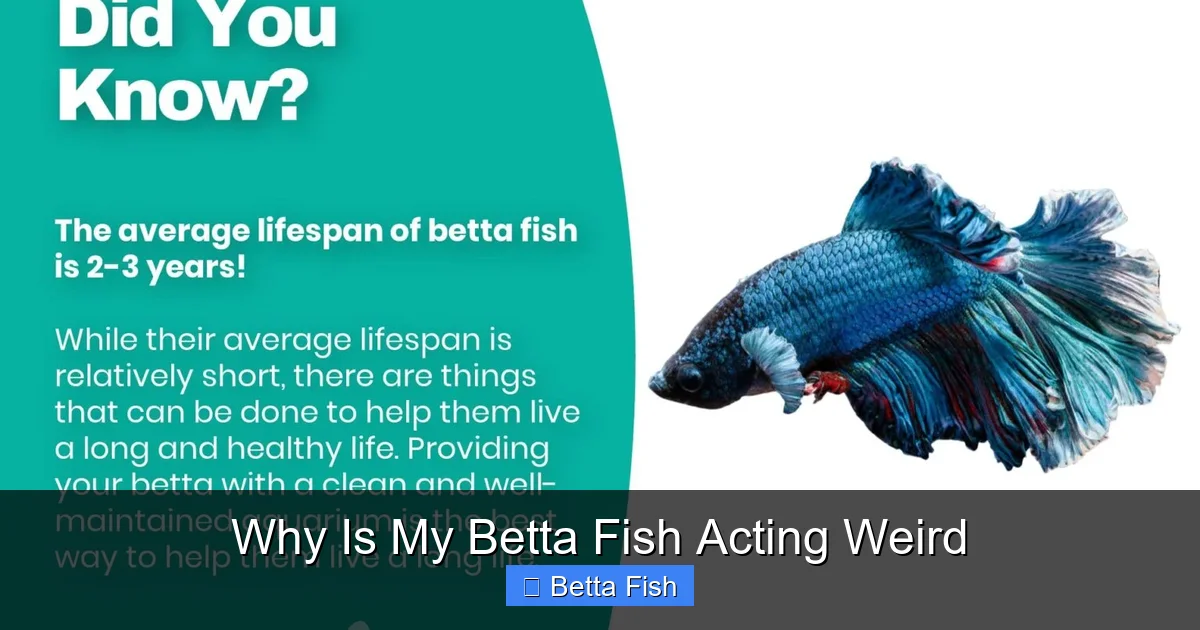
Betta fish are especially sensitive to the chemistry of their environment. Ammonia, nitrite, and high nitrate levels can irritate gills, cause lethargy, and even lead to death. Even if the water looks clear, hidden toxins can be at work.
Visual guide about Why Is My Betta Fish Acting Weird
Image source: majesticfins.com
Key parameters to check
- Ammonia: Should be 0 ppm. Any amount can cause gill damage.
- Nitrite: Also 0 ppm. Even low levels are stressful.
- Nitrate: Keep under 20 ppm; lower is better for bettas.
- pH: Aim for 6.5‑7.5. Sudden swings are a red flag.
- Hardness: 3‑4 dGH is ideal.
Practical tip
Test your water weekly with a reliable test kit. If any value is off, perform a 25‑30 % water change and re‑test after a few hours. Consistent testing prevents many “weird” episodes.
2. Temperature Troubles
Betta’s comfort zone
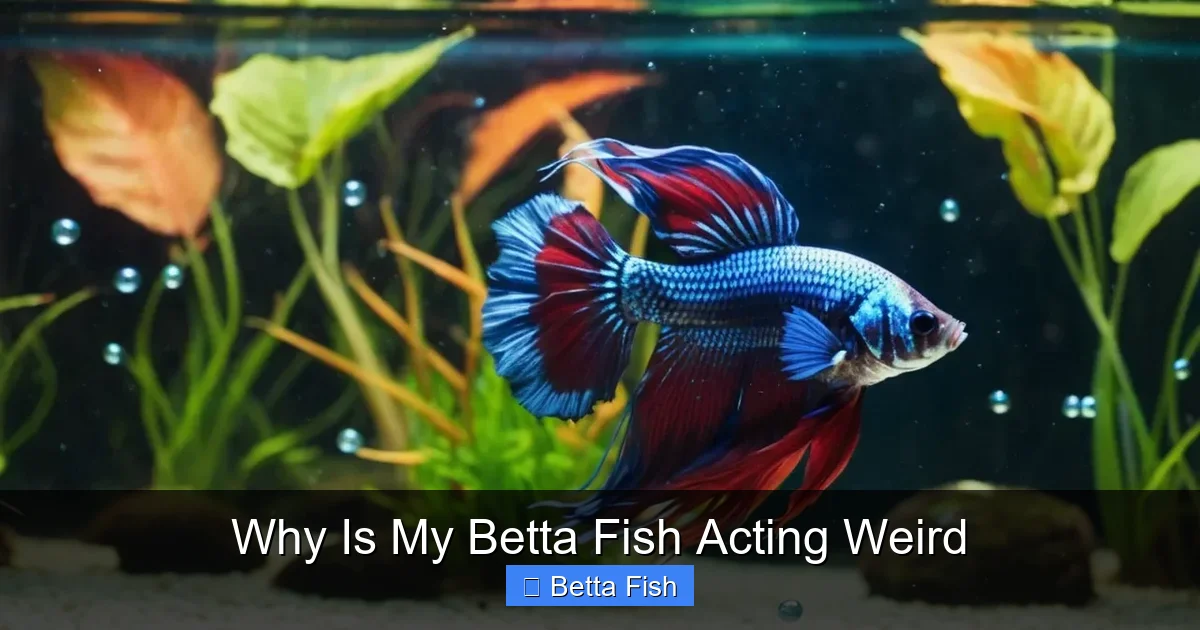
Betta fish are tropical; they thrive at 76‑82°F (24‑28°C). Temperatures below 74°F cause sluggish swimming, while spikes above 84°F can lead to rapid breathing and loss of appetite.
Visual guide about Why Is My Betta Fish Acting Weird
Image source: berrypatchfarms.net
How to maintain stable heat
- Use a reliable aquarium heater rated for the tank size.
- Place the heater near a water flow to distribute heat evenly.
- Check the temperature twice daily with a calibrated thermometer.
Example
Emma noticed her betta floating just below the surface, looking “floppy.” A quick check revealed the tank was at 70°F. After raising the temperature to 78°F, the fish resumed normal activity within an hour.
3. Feeding Issues – When Food Becomes a Problem
Over‑feeding and spoiled food
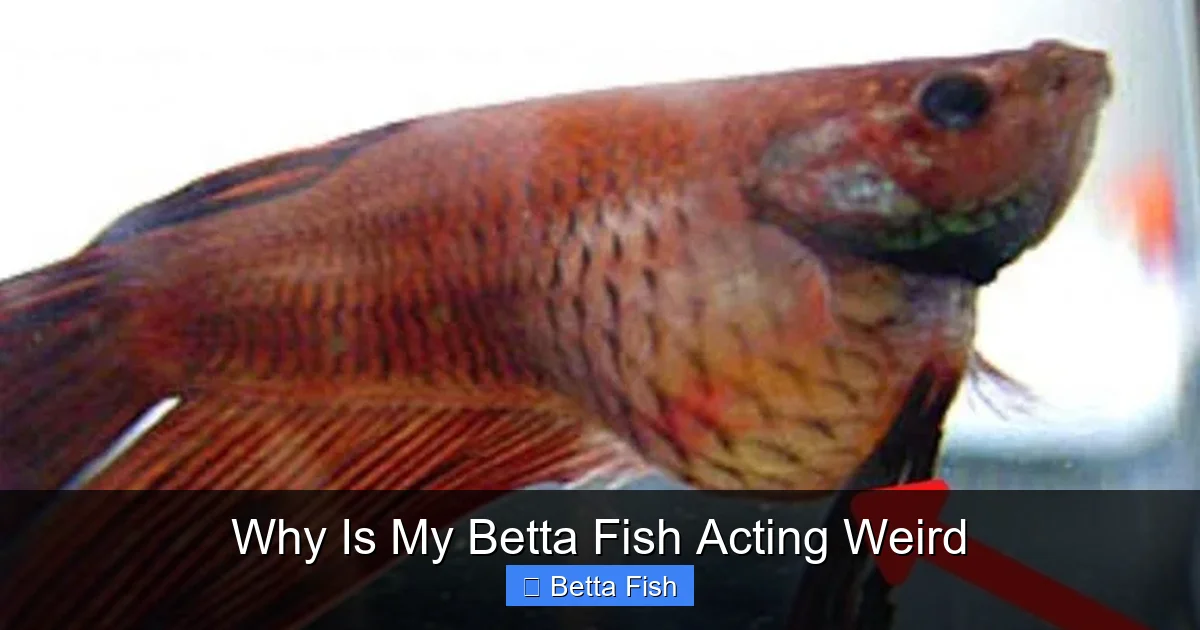
Betta fish have tiny stomachs. Feeding more than they can eat in two minutes leads to bloating and constipation, which can make them act “weird.” Likewise, old or contaminated pellets develop mold, causing loss of appetite or spitting out food.
Visual guide about Why Is My Betta Fish Acting Weird
Image source: infishtank.com
Signs of feeding trouble
- Food floating untouched for more than 5 minutes.
- Betta spitting out pellets (see our article on Why Is My Betta Fish Spitting Out Food).
- Visible swelling around the abdomen.
Feeding schedule
Offer high‑quality betta pellets or frozen bloodworms once or twice daily. Only give what your fish can consume in two minutes. Rotate protein sources to keep nutrition balanced.
4. Health Problems – Recognizing Illness Early
Common diseases that cause odd behavior
- Ich (White Spot Disease): Small white dots on fins and body; fish may dart and rub against objects.
- Fin rot: Frayed, ragged fins; fish may hide and stop swimming.
- Swim bladder disorder: Causes floating sideways or upside down (read more in Why Is My Betta Fish Floating Sideways).
- Velvet disease: Gold‑shimmering dust on skin; fish become lethargic.
When to act
If you see clamped fins, loss of color, or abnormal swimming, isolate the fish in a hospital tank and begin treatment with appropriate medication (e.g., copper-based meds for ich). Early intervention often saves the fish.
5. Tank Environment – Size, Décor, and Stressors
Tank size matters
Although bettas can live in small bowls, a 5‑gal (19‑L) tank provides stable water parameters and room to swim. Smaller spaces lead to rapid swings in temperature and ammonia, which trigger weird behavior.
Hiding places and flow
Betta fish love to explore. Provide live plants or silk decorations where they can rest. Strong currents from power filters can stress them; a gentle sponge filter or a filter with a flow adjuster works best.
Lighting and noise
Sudden bright lights or loud vibrations (e.g., a TV on a nearby shelf) can cause a betta to hide. Use a dimmable LED and keep the tank in a quiet area.
6. Behavioral Changes Linked to Breeding
Bubble nests and courtship
Male bettas build bubble nests when ready to breed. If a male stops making a nest, it could signal stress, poor water, or health issues. Learn more about nesting in Why Did My Betta Fish Stop Making Bubble Nest.
Color changes
During courtship, a male’s colors become brighter. Conversely, a faded hue often means the fish is ill or stressed. If you notice a sudden loss of vibrancy, re‑check water parameters and temperature.
Putting It All Together – A Quick Troubleshooting Checklist
- Check temperature – is it within 76‑82°F?
- Test water – ammonia, nitrite, nitrate, pH.
- Inspect for visible disease – spots, frayed fins, white eyes.
- Review feeding – amount, freshness, type.
- Assess tank size, décor, and flow.
- Observe behavior for 24 hours after any change.
Follow the list step‑by‑step. Most “weird” behaviors are resolved after correcting one or two items.
Conclusion
Seeing your betta act out of character can be unsettling, but remember that most issues have simple solutions. By keeping the water clean, temperature stable, and diet appropriate, you create a safe haven where your fish can thrive. Regular observation and quick action at the first sign of trouble will keep your betta bright, active, and, most importantly, happy.
Take a moment each week to test the water, check the heater, and watch your finned friend’s behavior. A little preventive care goes a long way in preventing those “weird” moments and ensuring a long, colorful life for your betta.
Frequently Asked Questions
Why is my betta fish floating sideways?
This is often a sign of swim bladder disorder, which can be caused by over‑feeding, constipation, or infection. Check water quality and consider a light fast for a day.
Why does my betta hide all the time?
Hiding can indicate stress from poor water conditions, aggressive tank mates, or inadequate hiding spots. Provide plants or caves and ensure the water parameters are stable.
Why is my betta spitting out food?
Spitting out food usually means the pellets are old, moldy, or the fish has a mouth infection. Switch to fresh food and monitor for any signs of illness.
Why did my betta stop making a bubble nest?
A male stops building a nest when stressed, sick, or when water conditions aren’t right. Check temperature, ammonia levels, and look for signs of disease.
Why is my betta’s color fading?
Faded color often signals stress, poor diet, or illness. Improve water quality, feed a varied diet, and watch for other health symptoms.
How can I tell if my betta is dying?
Signs include loss of appetite, clamped fins, lethargy, and rapid breathing. If several of these appear together, isolate the fish and seek treatment immediately.

