Seeing a betta fish lying on its side can be alarming, but it’s often a clue about water quality, health issues, or stress. Learn the common causes, how to spot red flags, and simple steps to restore your betta’s vitality.
Key Takeaways
- Water quality matters: Poor parameters are the top reason a betta ends up on its side.
- Health signs: Swim bladder disease, parasites, and infections can all cause side‑lying.
- Stress triggers: Over‑heating, aggressive tank mates, and improper diet contribute to the problem.
- Quick fixes: Adjust temperature, perform water changes, and feed a balanced diet to help most cases.
- When to act fast: Sudden side‑lying with bloating or loss of color signals an emergency.
- Preventive care: Regular testing, proper tank setup, and routine observation keep side‑lying at bay.
- Helpful resources: Use related guides on floating, bubble nests, and water clarity for deeper insight.
📑 Table of Contents
- Introduction: The Panic Moment
- 1. Water Quality – The Hidden Culprit
- 2. Swim Bladder Disorder – The Most Common Health Issue
- 3. Infections and Parasites – Hidden Enemies
- 4. Stress Factors – The Everyday Triggers
- 5. Environmental Signs – When the Tank Itself Is the Problem
- 6. When to Seek Professional Help
- 7. Preventive Care – Keeping Your Betta Upright for Life
- Conclusion
Introduction: The Panic Moment
Imagine you’re checking your betta’s tank after a busy day. Your vibrant fighter is lying flat on its side, barely moving. Your heart skips a beat. “Why does my betta fish lay on its side?” you wonder. It’s a common sight for new owners, and the good news is that most of the time you can fix it with a few simple steps.
In this article we’ll walk through the most common reasons, how to spot the dangerous signs, and what you can do right now to help your fish. Think of it as a friendly chat over a cup of tea—no jargon, just clear advice you can act on today.
1. Water Quality – The Hidden Culprit
Why bad water makes a betta flop
Betta fish are hardy, but they still need clean, stable water. High ammonia, nitrite spikes, or a pH far from 6.5‑7.5 can stress a betta enough to lose buoyancy. When the gills can’t extract oxygen efficiently, the fish may drift to the surface and flop over.
Visual guide about Why Does My Betta Fish Lay on Its Side
Image source: bettafishworld.com
How to test and fix
- Use a liquid test kit to check ammonia, nitrite, nitrate, and pH weekly.
- If ammonia or nitrite is above 0 ppm, perform a 25‑30 % water change immediately.
- Maintain a temperature of 78‑80°F (25‑27°C) – too cold or too hot can also cause side‑lying.
- Consider a gentle filter or a sponge filter to keep the water moving without creating strong currents.
For a deeper dive on floating issues, see our guide on why betta fish float on their side.
2. Swim Bladder Disorder – The Most Common Health Issue
What is the swim bladder?
The swim bladder is a gas‑filled organ that helps the fish stay upright. If it becomes infected, inflamed, or filled with excess fluid, the fish can’t control its position and may lie on its side.
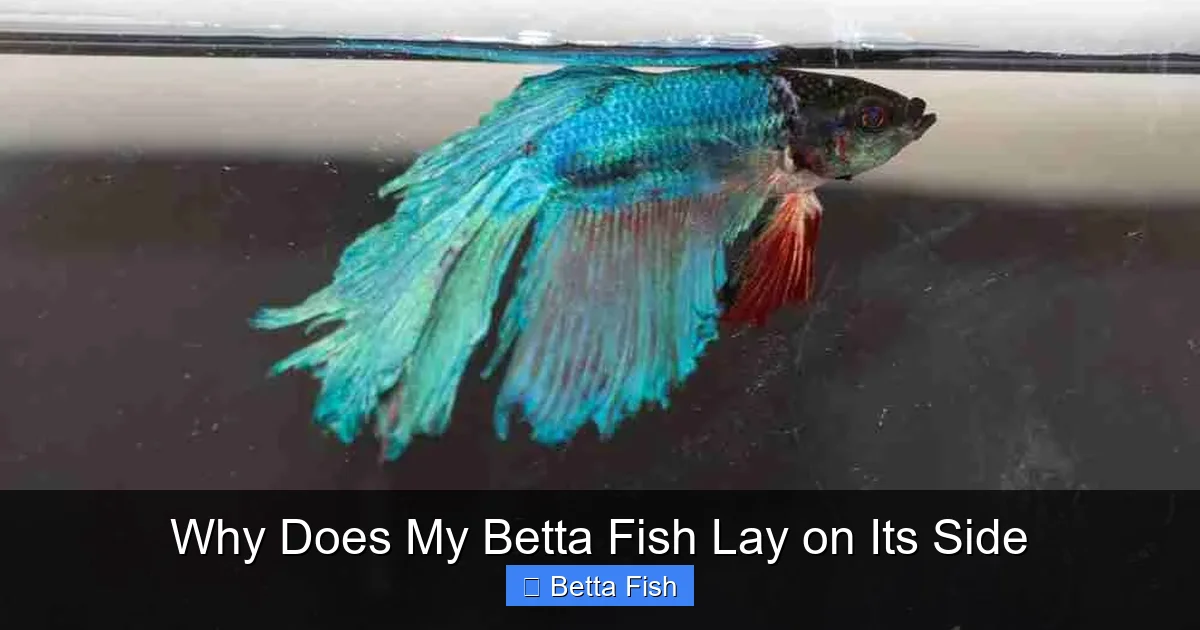
Visual guide about Why Does My Betta Fish Lay on Its Side
Image source: fishkeepingwisdom.com
Symptoms to watch
- Fish floats upside down or tilts to one side.
- Difficulty swimming to the surface for air.
- Loss of appetite or slow, labored movements.
Home remedies
Often over‑feeding or feeding dry pellets that swell in the gut can cause swim bladder problems. Try these steps:
- Fast the fish for 24‑48 hours to clear the gut.
- Offer a small portion of peeled, boiled pea (just the soft interior) once a day for three days.
- Return to a normal diet of high‑quality betta pellets, feeding only 2‑3 times per week.
If the condition persists after a week, seek veterinary advice.
3. Infections and Parasites – Hidden Enemies
Bacterial and fungal infections
Open wounds, cloudy eyes, or white patches can indicate an infection. Bacteria often enter through damaged fins or a compromised swim bladder, causing the fish to lose buoyancy.
Protozoan parasites
Parasites like Ichthyophthirius multifiliis (Ich) or Costia can stress the fish enough to affect its balance. Look for white spots, scratching against decorations, or frayed fins.
Treatment basics
- Increase water temperature to 82°F (28°C) for 3‑5 days to speed up parasite life cycles.
- Use a betta‑safe medication such as a copper‑based treatment for parasites, or a broad‑spectrum antibiotic for bacterial infections (follow dosage instructions).
- Maintain impeccable water hygiene during treatment—daily 20 % water changes.
4. Stress Factors – The Everyday Triggers
Temperature swings
Rapid changes of more than 4°F (2°C) in a short period can shock a betta, making it lose control of its buoyancy.
Tank mates and aggression
While many bettas thrive alone, a curious or aggressive tank mate can cause chronic stress. A stressed betta may rest on its side to hide.
Improper diet
Feeding too many frozen foods, live prey, or low‑quality pellets can lead to constipation, which directly impacts the swim bladder.
Quick stress‑reduction tips
- Use a reliable aquarium heater to keep temperature stable.
- Provide plenty of hiding places—plants, caves, or silk nets.
- Stick to a balanced diet: high‑protein pellets, occasional frozen bloodworms, and a pea treat as needed.
5. Environmental Signs – When the Tank Itself Is the Problem
Cloudy water and excess waste
Cloudy water often means a bacterial bloom or over‑feeding. Both can reduce oxygen levels, making a betta sluggish and prone to lying on its side.
Improper filtration
A filter that creates strong currents can exhaust a betta, especially if it’s already weak.
Fixing the environment
Perform a 30 % water change, vacuum the substrate, and clean any algae buildup. If you use a filter, adjust the flow to a gentle setting or add a pre‑filter sponge.
For more on water clarity, check out our article on why is my betta fish water cloudy.
6. When to Seek Professional Help
Red‑flag symptoms
- Sudden side‑lying with rapid bloating.
- Loss of color, especially turning white or black.
- Fins looking shredded or falling off.
- Persistent lack of appetite after 48 hours.
Finding a vet
Not all vets treat fish, but many aquarium‑specialized clinics do. Bring a water sample, a photo of the fish, and a note of recent changes in care.
7. Preventive Care – Keeping Your Betta Upright for Life
Routine water testing
Test weekly for ammonia, nitrite, nitrate, and pH. Keep nitrate below 20 ppm.
Regular tank maintenance
Change 20‑30 % of water every week, clean the substrate, and replace filter media as recommended.
Balanced feeding schedule
Feed 2‑3 times per week, offering only what the fish can eat in 2‑3 minutes.
Observe and record
Keep a simple log of temperature, feed amount, and any odd behavior. Patterns often reveal the root cause before a crisis occurs.
Also, watch your betta’s bubble‑nest behavior. A healthy male will build a nest; a fish that stops making a bubble nest may be stressed or ill. Learn more in our guide on why did my betta fish stop making a bubble nest.
Conclusion
Seeing a betta fish lie on its side is unsettling, but it’s rarely a mystery. Most cases stem from water quality, swim bladder issues, infections, or stress. By testing water, adjusting temperature, feeding correctly, and keeping an eye on behavior, you can often turn the situation around within a few days.
Remember: early detection is key. If your betta shows any red‑flag symptoms, act quickly—change the water, fast the fish, and consider a gentle medication. With consistent care, your betta will be back to dazzling colors and graceful swims in no time.
Frequently Asked Questions
Why is my betta fish lying on its side?
Most often it’s due to poor water quality, swim bladder disorder, or stress. Checking water parameters and observing feeding habits usually reveals the cause.
Can a betta recover from swim bladder disease?
Yes, many bettas improve with a short fast, a pea treat, and a stable environment. If there’s no improvement after a week, seek veterinary help.
Is cloudy water dangerous for bettas?
Cloudy water often indicates bacterial overgrowth or excess waste, which can lower oxygen levels and stress the fish, leading to side‑lying.
Should I increase the temperature if my betta is floating on its side?
Raising the temperature slightly (to about 80‑82°F) can help some parasites, but always keep it within the safe range to avoid additional stress.
Do bubble nests have anything to do with a betta lying on its side?
Yes. A male that stops building a bubble nest may be ill or stressed, which can also affect buoyancy. Monitoring nest activity gives clues about overall health.
When should I call a vet for my betta?
Call a vet if the fish shows sudden bloating, loss of color, shredded fins, or stops eating for more than 48 hours.

