Seeing a white spot on your betta can be alarming, but it’s often a sign of a treatable issue. This guide explains the most common reasons, how to spot the difference between harmless and dangerous conditions, and what steps you can take right now to help your fish recover.
Key Takeaways
- Identify the cause: White spots may signal ich, fungal infection, fin rot, or simply a harmless skin tag.
- Act fast: Early treatment improves survival and prevents spread to other fish.
- Water quality matters: Poor parameters often trigger disease, so regular testing is essential.
- Quarantine new arrivals: Isolating new bettas can stop parasites before they reach your main tank.
- Monitor behavior: Loss of appetite, lethargy, or frantic swimming are red flags that need immediate attention.
- Use proven remedies: Salt baths, antifungal dips, and appropriate medications are effective when used correctly.
- Prevent recurrence: Proper tank maintenance and a balanced diet keep your betta’s immune system strong.
📑 Table of Contents
Introduction: When a White Spot Shows Up
Imagine you’re checking on your prized betta after a busy day and you notice a tiny white dot on its side. Your heart skips a beat. Is it something you can ignore, or does it mean trouble?
Most betta owners face this question at some point. The good news is that a white spot is not automatically a death sentence. It can be a minor skin tag, an early sign of a parasite, or a fungal infection that responds well to treatment.
In this article we’ll walk through the most common reasons behind a white spot, how to tell which one you’re dealing with, and the exact steps you can take to protect your fish. By the end, you’ll feel confident spotting problems early and keeping your betta happy and healthy.
1. Common Causes of White Spots
1.1 Ich (Ichthyophthirius multifiliis)
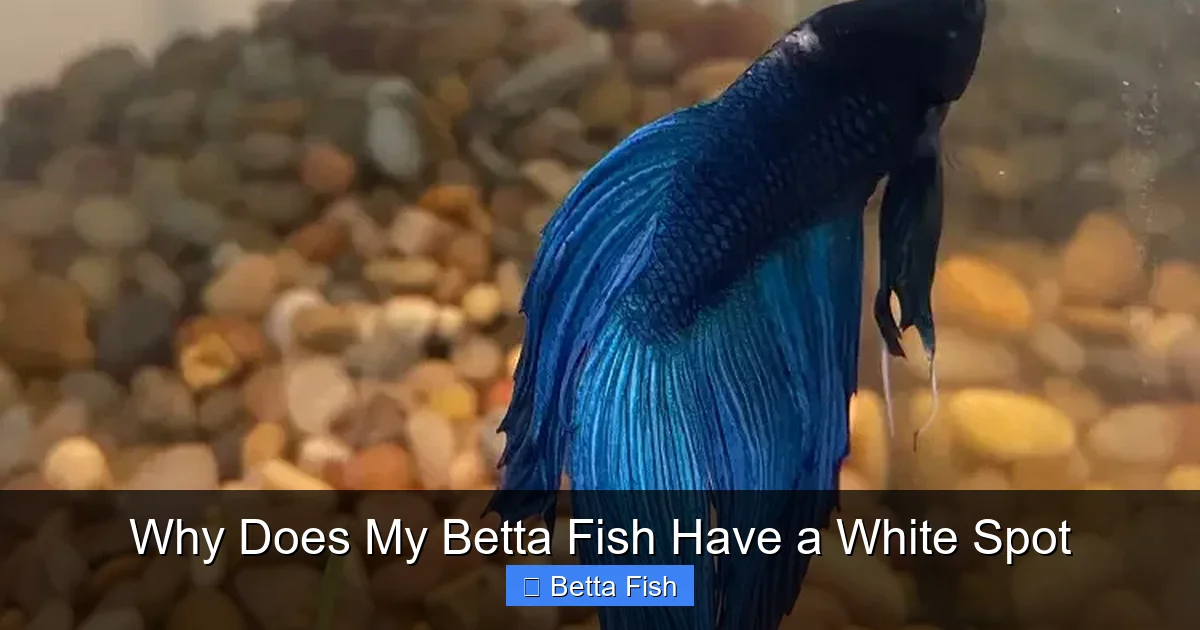
Ich is the most frequent culprit. It appears as tiny, pepper‑grain white spots that look like sand on the fish’s body and fins. The parasite burrows under the skin, causing irritation and loss of appetite.
Visual guide about Why Does My Betta Fish Have a White Spot
Image source: bettafishworld.com
1.2 Fungal Infections
Fungal growth shows up as fluffy, cotton‑like white patches, often after an injury or after a bout of ich. The fungus feeds on dead tissue, so you’ll usually see a white spot that expands into a patch.
1.3 Fin Rot (Bacterial)
Fin rot can begin with a small white or pale spot on the edge of a fin. As the bacteria multiply, the spot turns brown or black and the fin begins to fray.
1.4 Physical Injuries and Skin Tags
Sometimes a white spot is simply a healed wound or a small growth of scar tissue. These are usually flat, non‑fluffy, and don’t spread.
1.5 Other Parasites (Velvet, Anchor Worms)
Velvet disease gives a fine gold‑to‑silver dusting that may look like a white spot under bright light. Anchor worms are visible as tiny black threads, but the area around the attachment can turn pale.
2. How to Diagnose the Problem
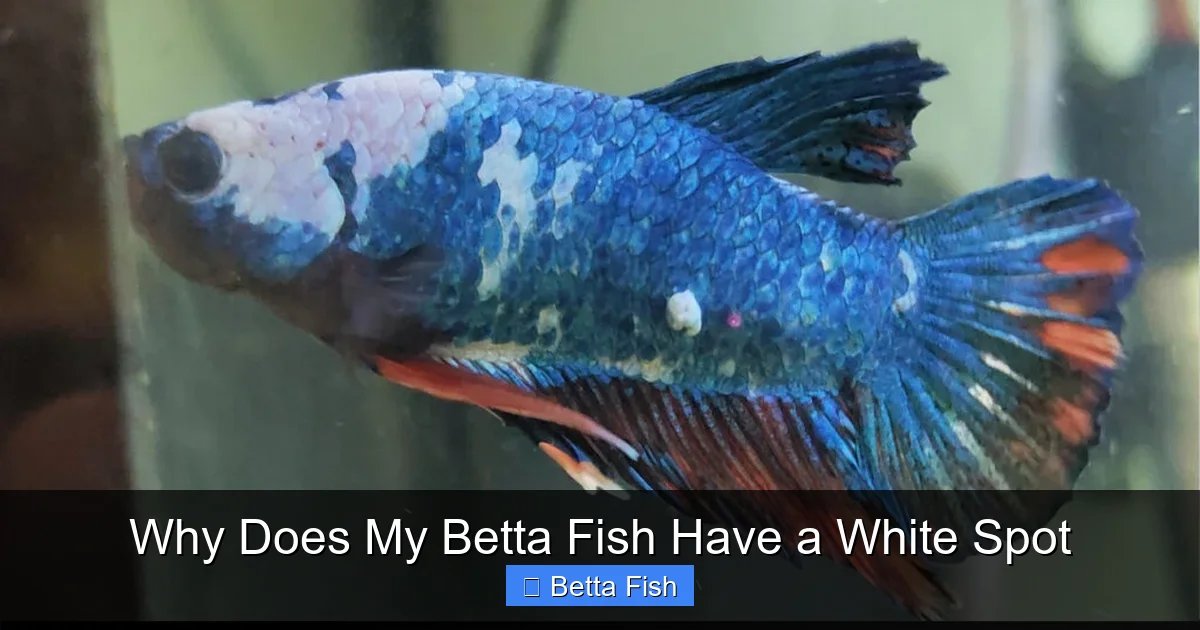
2.1 Observe Size, Texture, and Location
Take a close look with a magnifying glass or a phone camera. Is the spot:
Visual guide about Why Does My Betta Fish Have a White Spot
Image source: buildyouraquarium.com
- Small and pepper‑like (likely ich)
- Fluffy and spreading (fungus)
- At the edge of a fin, with ragged edges (fin rot)
- Flat, smooth, and static (injury or scar)
2.2 Check Water Parameters
Bad water often triggers disease. Test for ammonia, nitrite, nitrate, and pH. Values above 0 ppm ammonia or nitrite, or nitrate over 20 ppm, create stress that lets parasites take hold.
2.3 Watch Behavior
A healthy betta is active, flares its fins, and eats readily. Lethargy, loss of appetite, or rubbing against objects suggests discomfort.
2.4 Use a Reference Guide
Comparing your fish to pictures on reputable sites can help. For example, see the article Why Is My Betta Fish Turning White for visual cues on color loss versus spot issues.
3. Treatment Options
3.1 Salt Baths
Non‑iodized aquarium salt (1 teaspoon per gallon) can ease stress and help with ich and minor fungal patches. Soak your betta for 5‑10 minutes daily for up to a week.
3.2 Medicated Treatments
- Ich: Copper‑based medications or formalin at the recommended dose for 10 days.
- Fungus: Methylene blue or a commercial antifungal dip for 30 minutes.
- Fin Rot: Antibiotic baths containing kanamycin or melafix for 5‑7 days.
3.3 Improving Water Quality
Partial water changes of 25‑30% every 2‑3 days during treatment keep toxin levels low and give medications a clean environment to work.
3.4 Nutrition Boost
Offer high‑protein foods like frozen bloodworms or daphnia. A strong diet supports the immune system.
4. Prevention: Keeping White Spots at Bay
4.1 Regular Tank Maintenance
Change 20% of the water weekly, clean the substrate, and keep the filter running efficiently. Test water weekly with a liquid test kit.
4.2 Quarantine New Fish
Never add a new betta directly to an established tank. Keep it in a separate quarantine tank for at least two weeks and observe for any signs of disease.
4.3 Stable Temperature and pH
Betta fish thrive at 78‑80 °F (25‑27 °C) and a pH of 6.5‑7.5. Sudden swings stress the fish and make them vulnerable.
4.4 Avoid Overcrowding
Betta fish are territorial. A single betta should have at least 2.5 gallons of space. Overcrowding can lead to stress‑related infections.
4.5 Proper Lighting and Aeration
While bettas can live in low‑flow environments, moderate aeration and a regular light cycle (8‑10 hours) help maintain good health. Learn more about lighting in Does A Betta Fish Need Light.
5. When to Seek Professional Help
If the white spot spreads despite treatment, or if your betta stops eating, becomes listless, or the water parameters are out of range, it may be time to consult a veterinarian who specializes in fish. Early professional intervention can save a fish that’s otherwise too far gone for home remedies.
Conclusion
A white spot on a betta fish is a signal—not a sentence. By observing the spot’s characteristics, checking water quality, and acting quickly with the right treatment, you can often restore your fish to full health. Remember, prevention is easier than cure: keep the tank clean, quarantine new arrivals, and feed a balanced diet. With these habits, the only white you’ll see in your aquarium will be the shimmering surface of healthy water.
Frequently Asked Questions
Why does my betta fish have a white spot that looks like sand?
This is typical of ich, a common parasite. It appears as tiny pepper‑grain spots and can be treated with copper‑based medication and salt baths.
Can a white spot be harmless?
Yes. Small, flat, non‑fluffy spots that don’t change size are often scar tissue or a healed injury and usually don’t require treatment.
How long does it take for ich to disappear with treatment?
With proper medication and water changes, ich usually clears in 7‑10 days. Continue treatment for the full course to prevent re‑infection.
Should I increase the temperature to fight ich?
Raising the tank temperature to 80‑82 °F speeds up the parasite’s life cycle, making medication more effective. Do this only for the treatment period.
Is salt safe for bettas?
Yes, when used correctly. Non‑iodized aquarium salt at 1 teaspoon per gallon for short baths helps reduce stress and treat early infections.
What if the white spot turns fuzzy?
A fuzzy appearance indicates fungal growth. Switch to an antifungal dip like methylene blue and improve water quality immediately.


