Why Do Betta Fish Lose Color
Betta fish can fade for many reasons, from stress and water issues to diet and genetics. Understanding these factors helps you act quickly, keeping your finned friend bright and healthy. Follow our guide to spot the signs and bring the color back.
Key Takeaways
- Water quality is critical: Poor parameters cause stress and fading.
- Diet matters: Lack of pigment‑rich foods leads to dull colors.
- Stress triggers loss: Overcrowding, aggressive tank mates, and improper temperature can bleach a betta.
- Health issues are a red flag: Disease, parasites, or fin rot often show up as fading.
- Genetics play a role: Some bettas naturally lose intensity as they age.
- Regular monitoring helps: Testing water and observing behavior prevent color loss.
- Quick fixes work: Simple steps like water changes and diet upgrades can restore vibrancy fast.
📑 Table of Contents
- Introduction: When Your Betta’s Rainbow Fades
- 1. Water Quality – The Silent Color Killer
- 2. Nutrition – Feeding the Palette
- 3. Stress Factors – When the Tank Becomes a Pressure Cooker
- 4. Health Problems – When Illness Shows Up as Fading
- 5. Genetics and Age – The Natural Fade
- 6. How to Restore Lost Color – A Step‑by‑Step Plan
- Conclusion: Keep the Rainbow Alive
Introduction: When Your Betta’s Rainbow Fades
Betta fish are famous for their dazzling fins and bold colors. As a proud betta keeper, it hurts to see those bright shades turn pale or gray. You might wonder, “why do betta fish lose color?” The answer isn’t always simple, but it’s almost always tied to the fish’s environment, diet, or health.
In this article we’ll walk through the most common reasons a betta’s pigment fades, how to spot the early warning signs, and what you can do to bring the sparkle back. Think of it as a friendly chat over a cup of tea – easy, practical, and packed with real‑world tips.
1. Water Quality – The Silent Color Killer
Bad Parameters Cause Stress
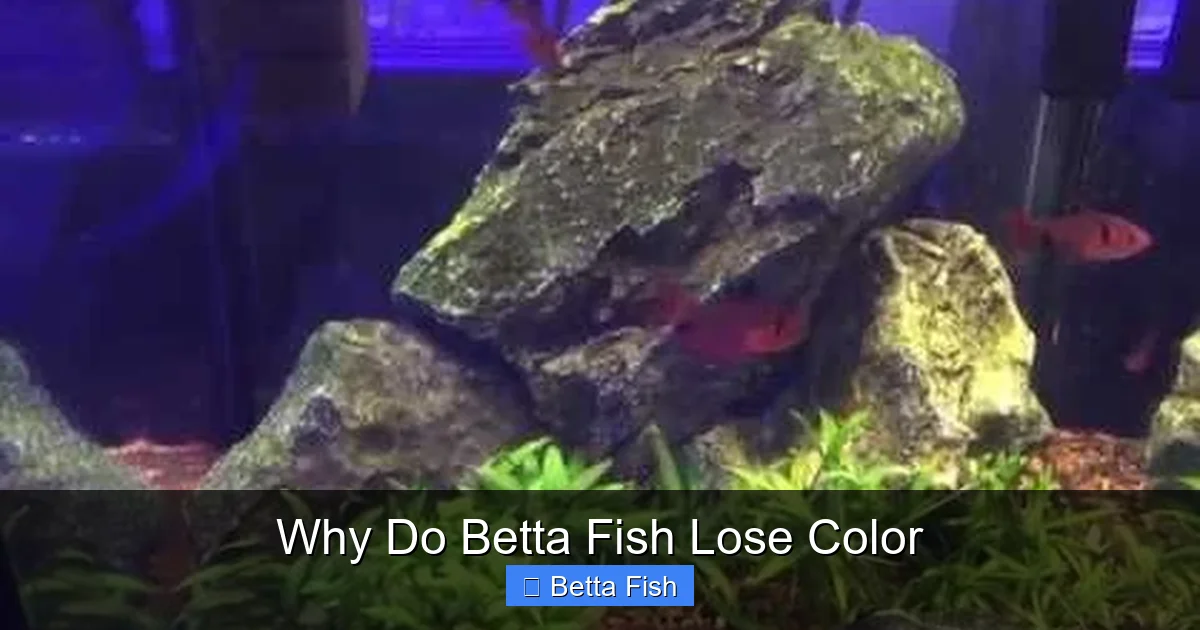
Betta fish are tropical swimmers that love warm, clean water. When ammonia, nitrite, or nitrate levels climb, the fish becomes stressed. Stress triggers a hormonal response that can literally wash out the pigments on the scales and fins.
Visual guide about Why Do Betta Fish Lose Color
Image source: nicebettathailand.com
What to Test
- Ammonia: 0 ppm
- Nitrite: 0 ppm
- Nitrate: < 20 ppm (ideal)
- pH: 6.5‑7.5
- Temperature: 76‑82 °F (24‑28 °C)
Regular testing (once a week for new tanks, bi‑weekly for mature setups) keeps you ahead of problems.
Quick Fixes
Do a partial water change (20‑30 %) with dechlorinated water, and clean the substrate. Adding a high‑quality bio‑filter can also stabilize the nitrogen cycle.
2. Nutrition – Feeding the Palette
Pigment‑Rich Foods
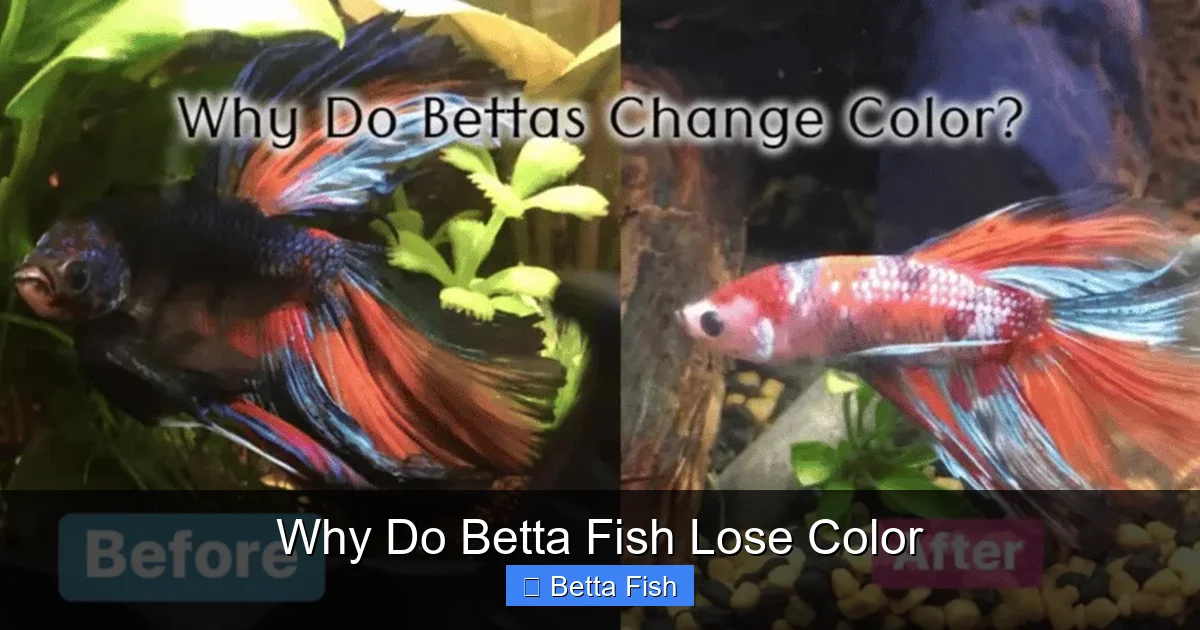
Betta colors come from carotenoids (red, orange) and melanin (black, dark). If the diet lacks these pigments, the fish’s colors will fade. Commercial pellets are convenient but often low in natural pigments.
Visual guide about Why Do Betta Fish Lose Color
Image source: fishkeepingacademy.com
Best Foods for Brightness
- Live or frozen brine shrimp – rich in beta‑carotene.
- Bloodworms – provide both protein and pigments.
- High‑quality betta pellets fortified with astaxanthin.
- Occasional treats like daphnia or microworms.
Feed small amounts 2‑3 times a day, and rotate the foods to give a balanced nutrient profile.
3. Stress Factors – When the Tank Becomes a Pressure Cooker
Overcrowding and Aggressive Mates
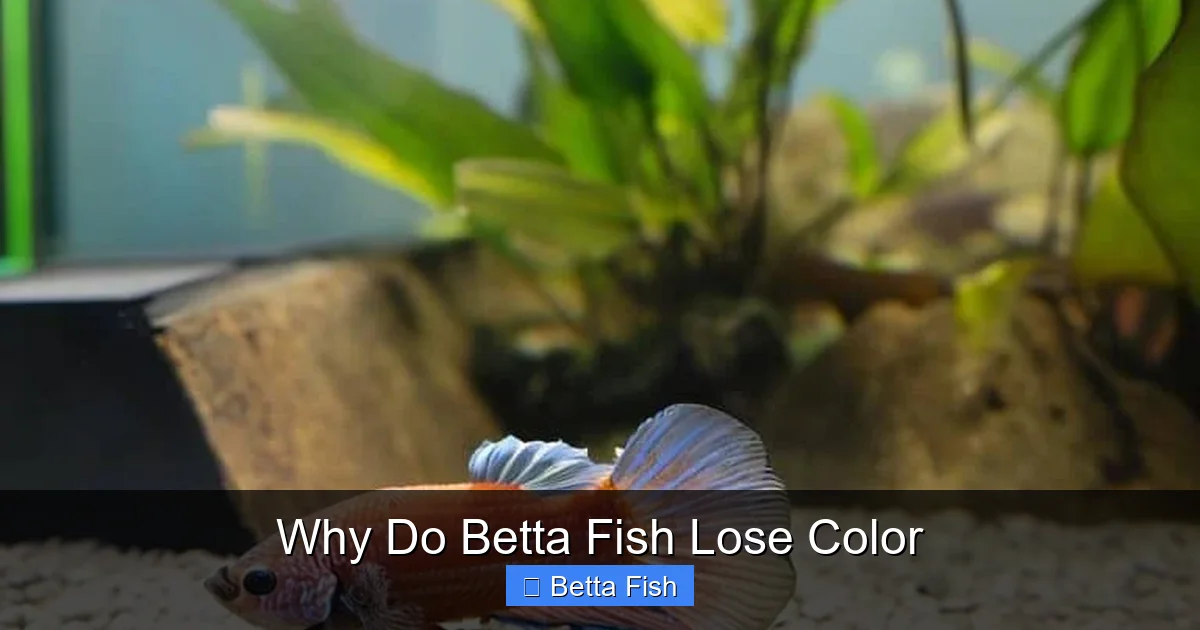
Betta fish are territorial. Adding too many tank mates or placing mirrors nearby can cause constant flare-ups, which drain the fish’s energy and pigment reserves.
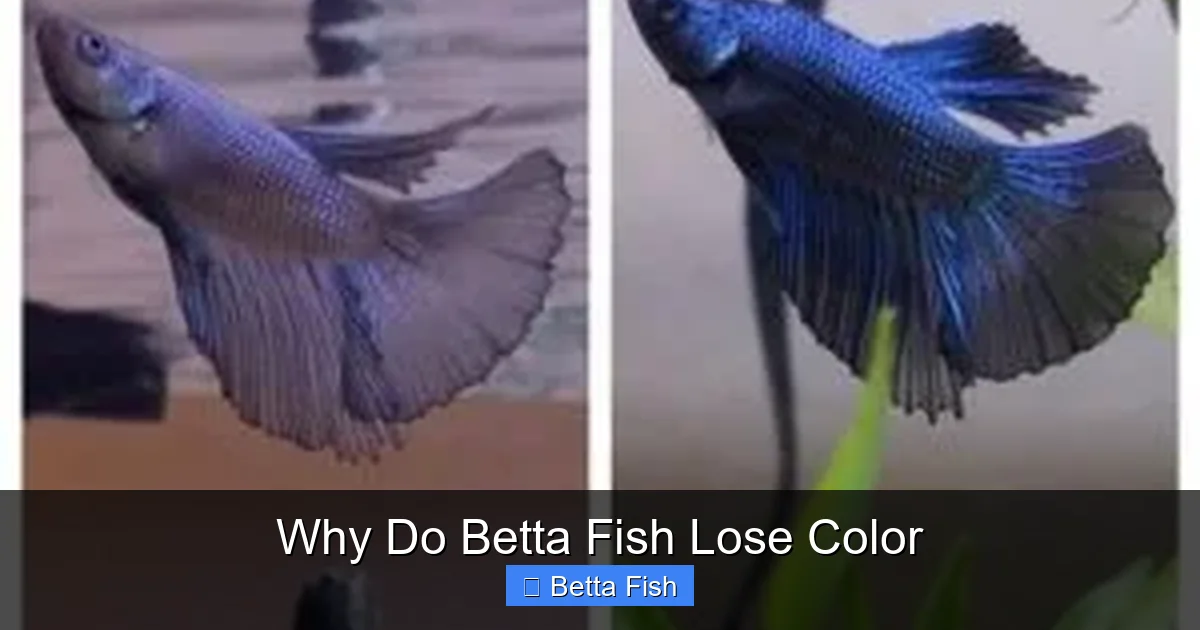
Visual guide about Why Do Betta Fish Lose Color
Image source: aquariumcircle.com
Temperature Swings
Sudden drops or spikes in temperature are stressful. Use a reliable heater and a thermometer to maintain a stable range.
Lighting Issues
Too much direct light can bleach colors, while too little can make them appear dull. Aim for 8‑10 hours of moderate LED lighting per day.
4. Health Problems – When Illness Shows Up as Fading
Common Diseases That Bleach Color
- Ich (white spot disease) – patches of white can mask underlying color.
- Fin rot – infected fins lose their vibrant edges.
- Swim bladder disease – a sick fish often looks pale.
If you notice other symptoms such as loss of appetite, clamped fins, or abnormal swimming, treat the issue promptly. A good reference for health signs is our guide on how to know if your betta fish is dying.
5. Genetics and Age – The Natural Fade
Some Betta Strains Fade Over Time
Just like humans, bettas can lose some vibrancy as they age. Older males may show a softer hue, especially if they have been breeding for several seasons.
Selective Breeding
Many fancy varieties have been bred for extreme colors that are not as stable genetically. These fish may naturally lose intensity after a few months.
6. How to Restore Lost Color – A Step‑by‑Step Plan
Step 1: Test and Treat Water
Perform a full water test, change 25 % of the water, and clean any debris. Add a water conditioner that removes chlorine and heavy metals.
Step 2: Upgrade the Diet
Introduce a daily dose of live brine shrimp or bloodworms for at least two weeks. Combine with high‑quality pigment‑enhanced pellets.
Step 3: Reduce Stress
Make sure the tank is appropriately sized (minimum 5 gallons), remove aggressive tank mates, and keep the heater set to a steady 78 °F.
Step 4: Add Natural Color Boosters
Consider a small amount of spirulina or a commercial “color enhancer” that contains astaxanthin. These supplements are safe when used as directed.
Step 5: Monitor and Adjust
Watch your betta for 2‑3 weeks. If color improves, continue the routine. If not, re‑evaluate for hidden health issues.
Conclusion: Keep the Rainbow Alive
Understanding why do betta fish lose color is the first step to preventing it. By maintaining pristine water, feeding a pigment‑rich diet, minimizing stress, and watching for health signs, you give your betta the best chance to stay vivid for years.
Remember, a happy betta is a colorful betta. Keep a weekly checklist, enjoy the bright displays, and don’t hesitate to seek help from a vet or a seasoned hobbyist if something feels off.
Frequently Asked Questions
Why is my betta turning white?
White or pale patches often signal stress, poor water quality, or an early stage of disease like ich. Check parameters and look for other symptoms.
Can a betta recover its original color?
Yes, most bettas bounce back if the underlying issue—whether diet, water, or health—is corrected promptly.
Do bettas change color naturally as they age?
Older bettas can lose some intensity, especially males that have bred many times. This is a natural fading rather than a problem.
How often should I change the water to keep colors bright?
For a 5‑gallon tank, a 20‑30 % water change every week is ideal. Larger tanks can stretch to bi‑weekly changes if parameters stay stable.
Is lighting a major factor in color loss?
Yes. Too much bright light can bleach pigments, while too little can make colors appear dull. Aim for moderate LED lighting 8‑10 hours daily.
What should I feed to boost my betta’s color?
Live or frozen brine shrimp, bloodworms, and high‑quality pellets fortified with astaxanthin are excellent for enhancing reds, oranges, and overall vibrancy.