Betta fish rest on the tank bottom for many reasons—temperature, water quality, stress, or illness. Understanding these cues helps you act fast, prevent problems, and give your betta a thriving home.
Key Takeaways
- Water parameters matter: Poor temperature or pH can make bettas seek the bottom.
- Stress signals: Over‑crowding, aggressive tank mates, or sudden changes push bettas down.
- Health check: Illnesses like swim bladder disorder or parasites often show up as bottom‑dwelling.
- Tank setup basics: Proper size, filtration, and hiding spots reduce bottom‑laying.
- Quick fixes: Adjust temperature, test water, and observe behavior to correct the issue.
- When to seek help: Persistent bottom‑dwelling with other symptoms may need veterinary care.
- Proactive care: Regular maintenance and a balanced diet keep your betta active and vibrant.
📑 Table of Contents
- Introduction: The Mystery of the Bottom‑Dwelling Betta
- 1. Water Quality – The Foundation of Betta Health
- 2. Tank Size and Setup – Give Them Space to Swim
- 3. Stress Triggers – What’s Making Your Betta Nervous?
- 4. Health Issues – When Bottom‑Dwelling Signals Illness
- 5. Feeding Habits – Nutrition Affects Activity
- 6. Practical Steps to Encourage a Healthy, Active Betta
- Conclusion: Turning Bottom‑Dwelling Into Bottom‑Exploring
Introduction: The Mystery of the Bottom‑Dwelling Betta
Imagine you’ve just set up a beautiful 5‑gallon tank, added some live plants, and introduced a bright, flowing‑fin betta. For the first few days, he darts around, flares his gills, and even builds a tiny bubble nest. Then, out of the blue, he starts to linger at the bottom, barely moving. You’re left wondering: why do betta fish lay on the bottom of the tank?
It’s a common question for both new and seasoned hobbyists. The answer isn’t always simple, because bettas are sensitive creatures that react to a range of environmental and health cues. In this guide we’ll break down the most common reasons, show you how to spot early warning signs, and give you practical steps to get your betta back to his lively self.
1. Water Quality – The Foundation of Betta Health
Betta fish are native to the warm, slow‑moving waters of Southeast Asia. In the wild, they experience stable temperature, soft‑acidic water, and low‑flow conditions. Replicating those parameters in your home tank is the first line of defense against bottom‑dwelling.

Visual guide about Why Do Betta Fish Lay on Bottom of Tank
Image source: japanesefightingfish.org
Temperature Too Low or Too High?
Betas thrive at 78‑80°F (25‑27°C). If the water is colder, the fish will become sluggish and seek the warmest part of the tank—often the bottom where the heater’s heat settles. Conversely, overheating can cause stress, leading the betta to hide at the bottom to avoid the surface currents created by temperature gradients.
Quick tip: Use a reliable aquarium heater with an adjustable thermostat and a digital thermometer to keep the temperature steady.
pH, Ammonia, Nitrite, and Nitrate Levels
Betta fish prefer a pH of 6.5‑7.5. Sudden spikes in ammonia (0 ppm) or nitrite (0 ppm) are toxic and will make a betta retreat to the bottom, where the water is often less turbulent. High nitrate (> 40 ppm) can also cause chronic stress.
Test your water weekly with a liquid test kit. If you notice any out‑of‑range values, perform a partial water change (25‑30%) and clean the substrate.
Hard Water vs. Soft Water
Hard water (high GH) can raise pH and make the environment less comfortable for bettas. Soft water, on the other hand, mimics their natural habitats. If you have very hard tap water, consider using a water conditioner or mixing in reverse‑osmosis water to lower hardness.
2. Tank Size and Setup – Give Them Space to Swim
Many beginners think a tiny bowl is enough for a betta, but a cramped environment can cause the fish to stay at the bottom out of frustration or lack of oxygen.

Visual guide about Why Do Betta Fish Lay on Bottom of Tank
Image source: i.ytimg.com
How Big Should a Betta Tank Be?
The ideal minimum is 5 gallons for a single male betta. Larger tanks provide more stable water parameters and allow the fish to exhibit natural swimming behavior. For detailed guidelines, see our article on how big of a tank do betta fish need.
Filtration and Flow
Betas prefer gentle water movement. A strong filter can create currents that push the fish to the bottom. Choose a low‑flow hang‑on‑back filter or a sponge filter, and adjust the output to a gentle stream.
Decor and Hiding Spots
Live plants, silk plants, and smooth rocks give bettas places to rest above the substrate. If the bottom is the only flat surface, the fish may simply use it as a “floor.” Adding floating leaves or a small piece of driftwood can encourage more vertical movement.
3. Stress Triggers – What’s Making Your Betta Nervous?
Stress is a silent killer in the aquarium world. Even subtle changes can push a betta to the bottom as a coping mechanism.
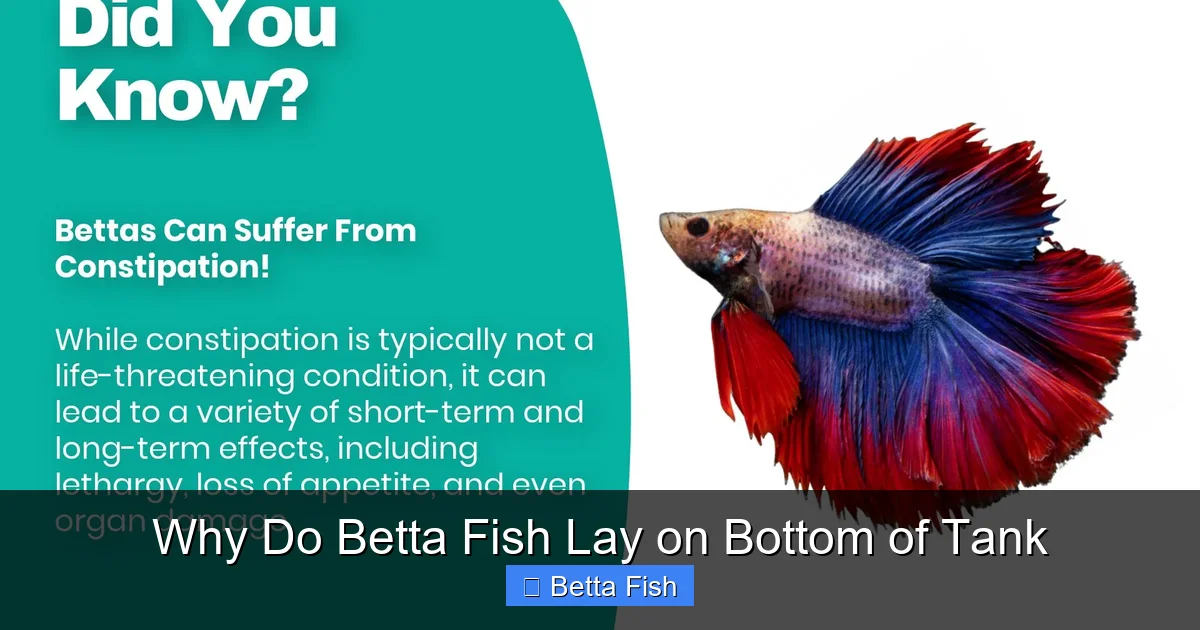
Visual guide about Why Do Betta Fish Lay on Bottom of Tank
Image source: majesticfins.com
Sudden Changes in Environment
Moving the tank, changing décor, or even a loud noise can startle a betta. Give the fish a few days to acclimate before making additional adjustments.
Tank Mates and Aggression
Betta fish are famously territorial. If you keep other fish, especially fin‑nipping species, the betta may retreat to the bottom to avoid confrontation. For more on betta behavior, read why do betta fish fight.
Lighting
Bright, direct lighting can be stressful. Use a dimmable LED or a floating plant to create shaded areas.
4. Health Issues – When Bottom‑Dwelling Signals Illness
Not every case of bottom‑laying is about the environment. Some medical conditions manifest as a reluctance to swim.
Swim Bladder Disorder
The swim bladder helps fish control buoyancy. If it’s infected, inflamed, or damaged, the betta may float on its side or sink to the bottom. Feeding a diet of boiled peas (skin removed) can help relieve constipation‑related swim bladder problems.
Internal Parasites or Bacterial Infections
Parasites like Costia or bacterial infections cause lethargy and loss of appetite, leading the fish to rest on the substrate. Look for other signs: white spots, frayed fins, or cloudy eyes. If you suspect disease, isolate the betta and treat with a suitable medication.
Fungal or Velvet Infections
These appear as cotton‑like growths or a dusty sheen on the body. A sick betta will often stay low to avoid the surface where oxygen is richest.
Reference Article
For a deeper dive into health concerns, see why betta fish laying at bottom, which outlines additional symptoms and treatment steps.
5. Feeding Habits – Nutrition Affects Activity
What and how often you feed can influence a betta’s energy levels.
Overfeeding
Uneaten food settles at the bottom, decaying and polluting the water. This creates a toxic environment that drives the fish down. Feed small portions twice a day, only what the betta can consume in 2‑3 minutes.
Underfeeding
Malnutrition leads to weakness. A starved betta may become lethargic and spend long periods on the substrate.
Best Food Choices
High‑quality betta pellets, occasional frozen or live brine shrimp, and the occasional bloodworm provide balanced nutrition. Rotate foods to avoid boredom.
6. Practical Steps to Encourage a Healthy, Active Betta
Now that we’ve explored the why, let’s focus on the how. Below is a checklist you can follow each week.
Weekly Water Check
- Test temperature, pH, ammonia, nitrite, nitrate.
- Perform a 25% water change if any parameter is out of range.
- Clean the substrate with a gravel vacuum.
Tank Environment Tweaks
- Ensure the heater is set to 78‑80°F.
- Adjust filter flow to a gentle ripple.
- Add floating plants or a piece of driftwood for cover.
- Check for any aggressive tank mates.
Health Monitoring
- Observe for abnormal swimming, discoloration, or fin rot.
- If symptoms persist for more than 48 hours, isolate and treat.
- Consider a probiotic supplement to boost gut health.
Feeding Routine
- Feed 2‑3 pellets twice daily.
- Offer a frozen or live treat once a week.
- Remove any uneaten food after a few minutes.
Conclusion: Turning Bottom‑Dwelling Into Bottom‑Exploring
Betta fish lay on the bottom of the tank for a variety of reasons—most of which are fixable with a little attention to water quality, tank setup, stress management, and health care. By regularly testing your water, providing a spacious and gently flowing environment, and watching for signs of illness, you can keep your betta active, vibrant, and less likely to hide at the bottom.
Remember, a happy betta is a sign of a well‑maintained tank. Keep a close eye on his behavior, act quickly when something seems off, and you’ll enjoy years of colorful displays and fascinating bubble‑nest building. Happy fishkeeping!
Frequently Asked Questions
Why is my betta fish suddenly staying at the bottom of the tank?
This can be caused by poor water quality, temperature fluctuations, stress, or an underlying health issue such as swim bladder disorder.
Can a low temperature make my betta rest on the tank bottom?
Yes. Betta fish need warm water (78‑80°F). If the water is too cold, they become sluggish and often stay at the bottom where the heater’s heat pools.
How often should I change the water to prevent bottom‑dwelling?
A 25‑30% water change weekly is ideal. Test the water before each change to ensure ammonia, nitrite, and nitrate are within safe limits.
Is it normal for a betta to rest on the bottom after eating?
Occasionally a betta may settle after a meal, but if he stays there for long periods or shows loss of appetite, it could indicate constipation or a health problem.
Should I add a heater if my betta keeps lying on the bottom?
Adding or adjusting a heater to maintain 78‑80°F can resolve temperature‑related bottom‑dwelling. Make sure the heater is properly calibrated.
When should I seek a vet for my betta’s bottom‑dwelling behavior?
If the fish remains at the bottom for more than 48 hours, shows other symptoms (white spots, frayed fins, loss of appetite), or you suspect an infection, isolate and consult a fish‑savvy veterinarian.

