Betta fish may turn on each other when they feel threatened, hungry, or are simply displaying natural territorial instincts. Understanding the triggers—like cramped spaces, improper feeding, and breeding stress—helps you create a peaceful aquarium where cannibalism is rare.
Key Takeaways
- Territorial nature: Betta males view each other as rivals and may attack if space is limited.
- Hunger and competition: Inadequate food can push bettas to bite or eat weaker tank mates.
- Stress factors: Poor water quality, wrong temperature, and sudden changes increase aggression.
- Breeding behavior: Males may eat fry or even the female if the nest is disturbed.
- Prevention is key: Proper tank size, visual barriers, and balanced feeding reduce cannibalistic incidents.
- Observation matters: Early signs of flare, chase, or fin nipping signal a problem that needs fixing.
- Know the signs of injury: Bleeding, torn fins, or missing fish often point to betta aggression.
📑 Table of Contents
- Introduction: The Surprising Reality of Betta Aggression
- 1. The Natural Instincts Behind Betta Aggression
- 2. Environmental Triggers That Push Betta Fish to Eat Each Other
- 3. Feeding Practices That Can Prevent Cannibalism
- 4. Recognizing Early Warning Signs of Aggression
- 5. Practical Steps to Prevent Betta Cannibalism
- 6. What to Do If Cannibalism Has Already Occurred
- Conclusion: Keeping Your Betta Family Safe
Introduction: The Surprising Reality of Betta Aggression
Betta fish—often called Siamese fighting fish—are famous for their vivid colors and dramatic flares. Most hobbyists love them for their personality, but many are shocked when they discover that bettas can actually eat each other. If you’ve ever wondered why do betta fish eat each other, you’re not alone. The answer lies in a mix of instinct, environment, and simple mistakes that even seasoned keepers make.
In this article we’ll break down the science behind betta cannibalism, share real‑world examples, and give you step‑by‑step tips to keep every fish in your tank safe and healthy. Think of it as a friendly chat over a cup of coffee—simple, clear, and packed with useful advice.
1. The Natural Instincts Behind Betta Aggression
Territorial DNA
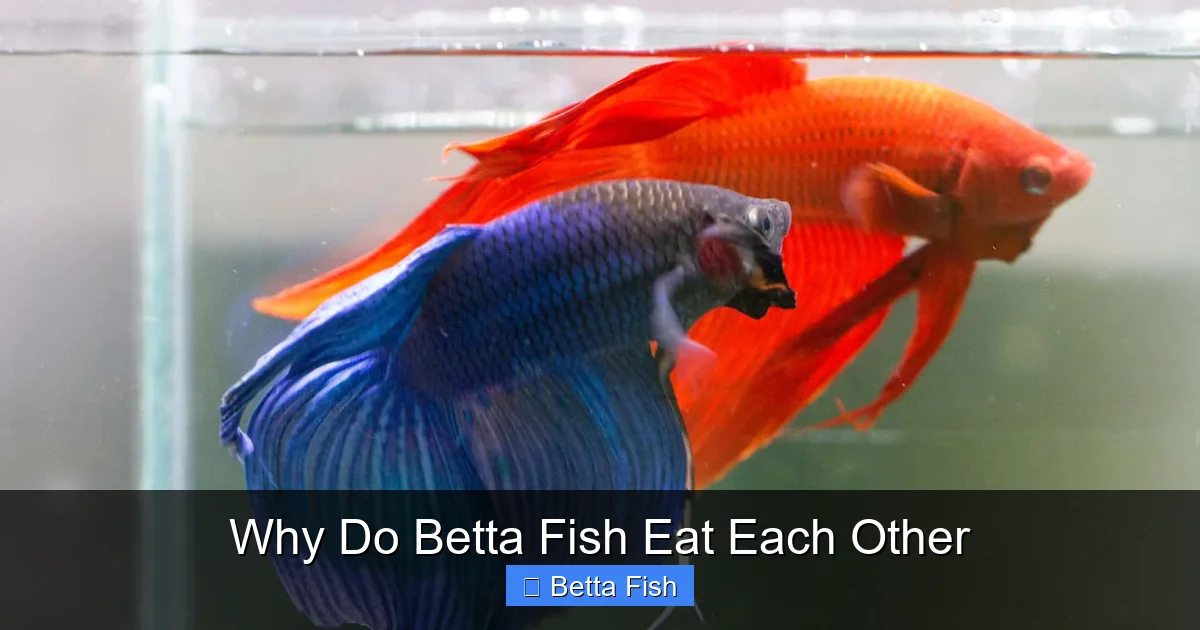
Betta males are born with a strong urge to protect their space. In the wild, they guard small puddles or rice paddies, chasing away any intruder that threatens their food or mates. When you place two males in a tank that’s too small, you’re essentially forcing a natural showdown.
Visual guide about Why Do Betta Fish Eat Each Other
Image source: bettasource.com
Breeding Instincts
During the breeding season, a male builds a bubble nest and becomes hyper‑protective. If a female or a fry gets too close, the male may bite or even swallow them. This is why you sometimes see a male “eating” his own offspring—an instinctual act to eliminate weak genes.
Hunger‑Driven Cannibalism
Betta fish have a high metabolism and need frequent, protein‑rich meals. When food is scarce, a dominant betta may turn on a weaker tank mate, especially if that mate looks like an easy snack. Proper feeding schedules are essential to prevent this.
2. Environmental Triggers That Push Betta Fish to Eat Each Other
Tank Size and Layout
The most common mistake is a tank that’s under 5 gallons for two males. A cramped environment removes visual barriers and leaves no “personal space.” Adding plants, driftwood, or acrylic dividers creates hiding spots and reduces direct line‑of‑sight aggression.
Visual guide about Why Do Betta Fish Eat Each Other
Image source: theaquaadvisor.com
Water Quality and Temperature
Betta fish love warm water—ideally 76‑82°F (24‑28°C). Fluctuations or poor water quality increase stress, making fish more likely to act aggressively. A simple weekly water change and a reliable heater can keep stress levels low.
Lighting and Day‑Night Cycle
Constant bright light can overstimulate bettas, leading to heightened flare and chase behavior. A 10‑hour light/14‑hour dark schedule mimics their natural environment and helps them settle down.
3. Feeding Practices That Can Prevent Cannibalism
Balanced Diet and Frequency
Betta fish thrive on high‑protein foods like frozen or live brine shrimp, daphnia, and specially formulated betta pellets. Feeding 2‑3 small meals a day keeps them satisfied without overfeeding. Check out our guide on how much do betta fish eat for exact portion sizes.

Visual guide about Why Do Betta Fish Eat Each Other
Image source: theaquaadvisor.com
Feeding Strategies for Multiple Betta
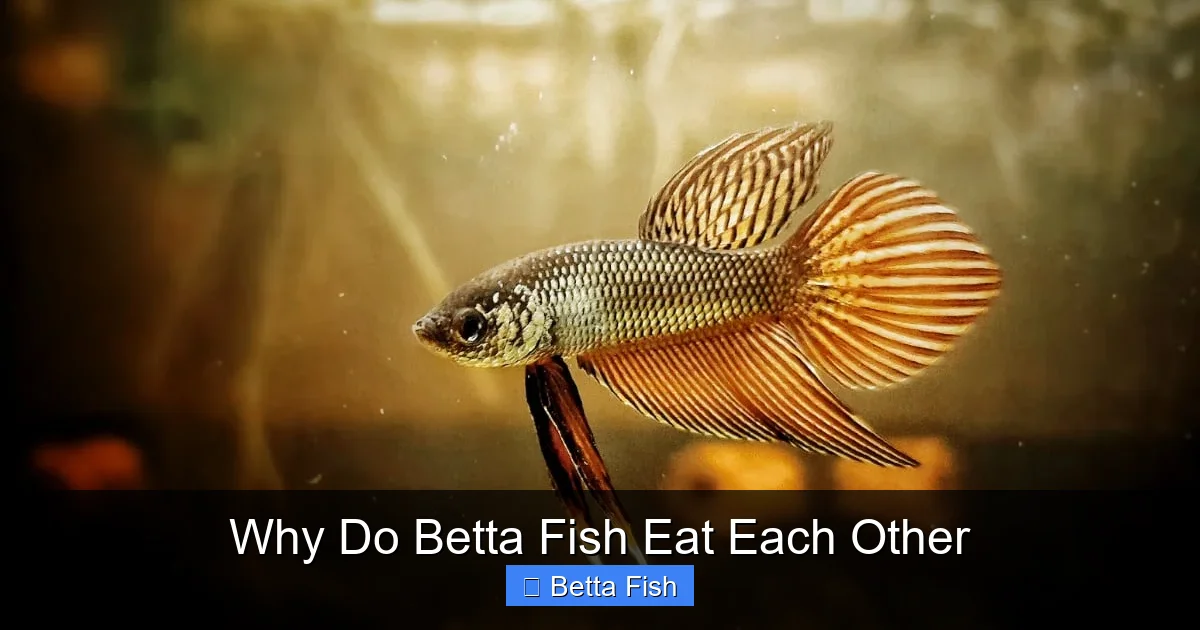
If you keep more than one betta, feed them in separate corners of the tank or use a feeding cup. This prevents dominant fish from monopolizing the food and reduces the chance of a hungry betta snapping at a weaker companion.
Avoiding Overcrowded Food Sources
Uneaten food can rot, polluting the water and creating a stressful environment. Remove excess food after a few minutes and keep the tank clean.
4. Recognizing Early Warning Signs of Aggression
Flare and Gape
A flaring betta spreads its fins and gills to look larger. While it’s a natural display, repeated flaring toward another fish signals potential conflict. Learn more about why bettas flare in our article why do betta fish flare.
Chasing and Nipping
If you see one betta constantly following another, or small bites on fins, intervene quickly. Separate the fish, adjust the tank layout, and reassess feeding.
Physical Injuries
Bleeding, torn fins, or missing scales are clear signs of aggression. Treat injuries with a mild antiseptic and improve tank conditions to stop further attacks.
5. Practical Steps to Prevent Betta Cannibalism
Choose the Right Tank Setup
- Provide at least 5 gallons per male betta.
- Use live plants like Java fern or Anubias for cover.
- Install a transparent divider if you must keep two males together for short periods.
Maintain Optimal Water Conditions
- Test water weekly for ammonia, nitrite, and nitrate.
- Keep temperature steady with a reliable heater.
- Do a 25‑30% water change every week.
Implement Smart Feeding Routines
- Feed small amounts 2‑3 times daily.
- Use a feeding cup to separate individuals.
- Offer occasional live foods to stimulate natural hunting behavior.
Monitor and Adjust Social Dynamics
Even with perfect conditions, some bettas simply won’t get along. If aggression persists, consider moving one fish to a separate tank or a community tank with compatible species. Read more about do betta fish live with other fish for compatible tank mates.
6. What to Do If Cannibalism Has Already Occurred
Immediate Separation
Move the surviving fish to a clean, quarantine tank to reduce stress and monitor for injuries.
Treatment of Injuries
Rinse the wound with a mild salt solution (1 g salt per liter of water) and watch for signs of infection. If the fin continues to deteriorate, consider a short course of aquarium‑safe antibiotics.
Review and Revise Tank Conditions
Check every aspect—size, water parameters, feeding, and décor. Make adjustments based on the triggers identified earlier.
Future Prevention
Consider keeping only one male per tank or using a larger community setup with plenty of hiding places. Remember, a well‑balanced environment is the best defense against cannibalism.
Conclusion: Keeping Your Betta Family Safe
Understanding why do betta fish eat each other boils down to respecting their natural instincts and providing a stress‑free habitat. By giving each fish enough space, feeding them properly, and watching for early warning signs, you can enjoy the beauty of multiple bettas without the drama of fighting or cannibalism. A happy betta is a healthy betta, and with the right care, your aquarium will be a thriving, colorful showcase for years to come.
Frequently Asked Questions
Why do betta fish sometimes bite each other?
Betta fish bite when they feel their territory is threatened, when they’re hungry, or during breeding when a male protects his bubble nest.
Can female bettas eat each other?
Females are less aggressive than males, but they can still bite if the tank is overcrowded or if food is scarce.
Is it normal for a betta to eat its own fry?
Yes, in the wild male bettas often eat weak or stray fry to keep the nest clean and protect stronger offspring.
How can I tell if my betta is stressed?
Signs include constant flaring, loss of color, rapid breathing, and frequent hiding. Stress often leads to aggression.
What tank size is safe for two male bettas?
At least 10 gallons total (5 gallons per fish) with plenty of plants or decorations to break the line of sight.
Will adding more plants stop bettas from fighting?
Plants create visual barriers and hiding spots, which can reduce aggression, but they don’t replace the need for adequate space.