Do Betta Fish Sleep on the Bottom of the Tank

Betta fish often rest near the bottom of the tank, especially when they feel safe and the water conditions are right. This behavior is normal and can tell you a lot about your fish’s health, lighting, and tank setup. Understanding where and how bettas sleep helps you create a stress‑free environment and avoid common mistakes.
Key Takeaways
- Bottom‑level resting is normal: Bettas may pause on the substrate or decorations when they’re relaxed.
- Lighting matters: Dimmer lighting encourages bottom‑level sleep, while bright lights keep them near the surface.
- Water quality is a clue: Poor parameters can cause a betta to hide at the bottom, indicating stress.
- Tank size and décor influence position: A properly sized tank with plants and caves gives safe spots at all levels.
- Sleep duration is short: Bettas nap for 6‑8 hours a day, often in short bursts.
- Watch for warning signs: Constant bottom‑dwelling, loss of color, or lethargy may signal illness.
- Simple adjustments help: Adjust lighting, add floating plants, or raise water temperature slightly to improve sleep habits.
📑 Table of Contents
- Introduction: Why the Question Matters
- 1. How Betta Fish Sleep: The Basics
- 2. Factors That Influence Bottom‑Level Sleeping
- 3. Recognizing Healthy vs. Unhealthy Bottom Behavior
- 4. Practical Tips to Encourage Safe Sleep Spots
- 5. Common Myths About Betta Sleeping Habits
- 6. When to Seek Professional Help
- Conclusion
Introduction: Why the Question Matters
If you’ve ever watched your betta glide lazily across the water, you might wonder where it goes when the lights go out. Many new owners assume bettas always stay at the top because they love to breathe air from the surface. In reality, bettas are quite adaptable and often choose the bottom of the tank for a quick rest. Understanding this behavior helps you spot health issues early and fine‑tune your tank for optimal comfort.
In this guide we’ll explore the science behind betta sleep, the signs that indicate a healthy rest spot, and practical steps you can take if your fish seems to be sleeping too much—or not enough—on the tank bottom.
1. How Betta Fish Sleep: The Basics
Do bettas really “sleep”?
Yes. Betta fish experience periods of reduced activity that are comparable to sleep in mammals. They don’t close their eyes—fish lack eyelids—but they enter a state of low metabolic activity, reduced responsiveness, and slower breathing. This is why you’ll often see them hovering motionless for several minutes at a time.

Visual guide about Do Betta Fish Sleep on the Bottom of the Tank
Image source: fishtanksetups.com
Where do they prefer to rest?
In the wild, Siamese fighting fish (Betta splendens) live in shallow rice paddies and slow‑moving streams where plants, roots, and leaf litter provide cover. Those natural hiding spots are usually close to the substrate. In a home aquarium, bettas mimic this by seeking the bottom, especially if there are plants, caves, or smooth stones.
How long do they nap?
Typical sleep cycles last 6‑8 hours per 24‑hour period, broken into multiple short bouts. You might notice a betta drifting near the bottom for 10‑15 minutes, then resurfacing to explore. For more details on sleep length, see our article How Long Do Betta Fish Sleep.
2. Factors That Influence Bottom‑Level Sleeping
Lighting conditions
Bright, direct lighting encourages bettas to stay near the surface where they can see better. Dimmer or shaded lighting mimics dusk and prompts them to settle near the bottom. Using a timer to create a natural day/night rhythm can help your betta find a comfortable spot each night.

Visual guide about Do Betta Fish Sleep on the Bottom of the Tank
Image source: wellnessvoice.com
Water temperature
Bettas are tropical fish that thrive at 76‑82 °F (24‑28 °C). If the water is too cool, they become sluggish and may linger at the bottom to conserve energy. Slightly raising the temperature (within the safe range) often encourages more active swimming.
Tank size and décor
A cramped 2‑gallon bowl leaves little room for vertical movement, so a betta may default to the bottom. A 5‑gallon or larger tank with live plants, driftwood, and caves offers multiple layers to explore. Check out How Big Of A Tank Do Betta Fish Need for sizing guidelines.
Water quality
Ammonia spikes, high nitrite, or low pH can stress a betta, causing it to hide at the bottom. Regular water changes and a reliable filter keep parameters stable, reducing the need for bottom‑dwelling as a stress response.
3. Recognizing Healthy vs. Unhealthy Bottom Behavior
Normal resting signs
- Fish is still but upright, not lying on its side.
- Fins are relaxed, not clamped tightly to the body.
- Color remains vibrant; no noticeable fading.
- Fish resumes normal activity after a short rest.
Warning signs of distress
- Constantly lying on the side or bottom for hours.
- Loss of appetite or failure to respond to food.
- White spots, frayed fins, or excessive mucus.
- Rapid, frantic swimming after a rest, indicating panic.
If you notice these red flags, consult our When Betta Fish Staying At Bottom Of Tank guide for troubleshooting steps.
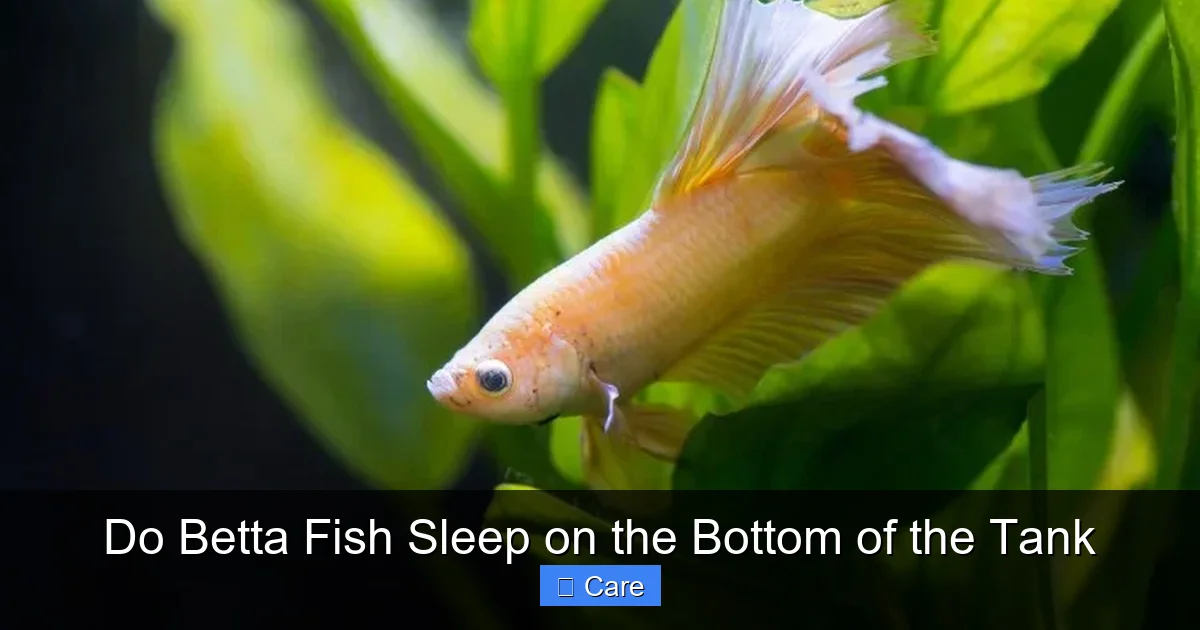
Visual guide about Do Betta Fish Sleep on the Bottom of the Tank
Image source: modestfish.b-cdn.net
4. Practical Tips to Encourage Safe Sleep Spots
Provide varied hiding places
Place a small piece of smooth slate, a live plant like Java moss, or a ceramic cave near the bottom. Bettas love to tuck their heads into tight spaces when they feel safe.
Use floating plants or leaf hammocks
Floating greenery creates shade and gives your betta a choice: rest near the surface or drift down to the bottom. This mimics the mixed‑level environment of their natural habitat.
Adjust lighting schedule
Set a 10‑hour light/14‑hour dark cycle with a gentle dimmer for the last hour of light. This signals to the fish that it’s time to settle down.
Maintain optimal water parameters
Test weekly for ammonia, nitrite, nitrate, and pH. Aim for ammonia = 0 ppm, nitrite = 0 ppm, nitrate < 20 ppm, and pH = 6.5‑7.5. Clean the substrate gently during water changes to avoid disturbing bottom rests.
5. Common Myths About Betta Sleeping Habits
Myth: Bettas only sleep at the surface
While they need access to the surface for air, bettas are not surface‑only sleepers. They often rest near the bottom, especially when the water is calm and the tank is dimly lit.
Myth: A betta that sleeps on the bottom is sick
Not always. Bottom resting can be perfectly normal. The key is to observe other health indicators such as appetite, color, and activity level.
Myth: Adding more heat will stop bottom sleeping
Heat alone won’t change a healthy betta’s preference for the bottom. Over‑heating can actually cause stress. Keep temperature within the recommended range.
6. When to Seek Professional Help
If your betta shows prolonged lethargy, refuses food for more than three days, or develops visible signs of disease (fungus, ulcer, fin rot), it’s time to consult a veterinarian who specializes in fish. Early intervention can prevent serious health declines.
Also, if you notice your betta repeatedly jumping out of the tank—perhaps because it feels trapped at the bottom—review our article Do Betta Fish Jump Out Of The Tank for prevention strategies.
Conclusion
Betta fish sleeping on the bottom of the tank is a natural, often healthy behavior that reflects comfort, proper lighting, and good water quality. By offering varied décor, maintaining stable parameters, and respecting a regular light cycle, you give your betta the choice to rest wherever it feels safest. Keep an eye on the overall health cues—color, appetite, and activity—and you’ll enjoy a vibrant, lively fish that knows exactly where to nap when the lights go down.
Frequently Asked Questions
Do betta fish sleep at the bottom of the tank?
Yes, bettas often rest near the substrate, especially when the tank is dimly lit and they feel secure. Bottom sleeping is a normal part of their daily routine.
How long do betta fish usually sleep?
Betta fish typically sleep for 6‑8 hours per day, broken into several short periods rather than one long slumber.
What signs show my betta is sleeping healthily?
A healthy sleeping betta will be still but upright, with relaxed fins and bright coloration. It will resume normal activity after a short rest.
Can lighting affect where my betta sleeps?
Absolutely. Brighter light encourages surface activity, while dimmer lighting encourages bottom‑level resting. Using a timer to create a natural day/night cycle helps.
What should I do if my betta stays at the bottom all day?
Check water quality, temperature, and tank size. Ensure there are hiding spots and that the lighting isn’t too harsh. Persistent bottom‑dwelling may indicate stress or illness.
Is it safe for my betta to jump out of the tank when it sleeps?
Betas can jump if they feel stressed or if the water surface is too disturbed. Adding a lid and providing plenty of cover reduces the risk. See our guide on Do Betta Fish Jump Out Of The Tank for more tips.