Do Betta Fish Know Their Owners

Betta fish can recognize their owners through sight, sound, and routine, but their “recognition” differs from a dog’s. Consistent interaction, proper tank setup, and attentive care help your betta feel safe and respond positively to you.
Key Takeaways
- Recognition is visual and routine‑based: Bettas learn to associate your face and movements with feeding.
- They respond to sound: A familiar voice or tapping can trigger excitement.
- Stress reduces recognition: Poor water quality or a chaotic tank makes them forget you.
- Interaction matters: Gentle hand‑feeding and tank cleaning build trust.
- Individual personalities vary: Some bettas are shy, others are bold and will approach the glass.
- Proper environment boosts confidence: Adequate heating, space, and hiding spots help them feel secure.
- Watch for signs of happiness or illness: Changes in color or behavior tell you if they’re comfortable.
📑 Table of Contents
Introduction: A Curious Question
When you first bring home a betta, you might wonder, “Do betta fish know their owners?” It’s a question that blends science with a touch of sentiment. Unlike dogs or cats, bettas don’t wag a tail or purr, but they do show subtle signs that they recognize you.
In this article we’ll explore how bettas perceive humans, what behaviors indicate recognition, and practical steps you can take to deepen the bond. By the end, you’ll have a clearer picture of your fish’s mind and feel more confident in your daily interactions.
How Betta Fish Perceive Their World
Vision: The Primary Sense
Bettas have excellent color vision and can see shapes clearly. They use visual cues to spot food, predators, and familiar objects. When you approach the tank, a betta often watches the movement of your hand and may even follow it across the glass.

Visual guide about Do Betta Fish Know Their Owners
Image source: infishtank.com
Hearing and Vibration
While fish lack external ears, they detect vibrations through their lateral line system. A familiar voice or the soft tap of a feeding spoon can become a signal that “food is coming.” Over time, your betta may associate the sound of your voice with a meal.
Smell and Taste
Water carries chemical cues. Bettas can smell food particles, which helps them locate meals. Consistent feeding times create a chemical “memory” that links your presence to nourishment.
Do Betta Fish Recognize Their Owners?
Evidence from Behavior
Many hobbyists report that their bettas swim to the front of the tank when they approach, flare their fins, or even “greet” them with a quick hop. These actions suggest a level of recognition, though it’s based on learned associations rather than emotional attachment.

Visual guide about Do Betta Fish Know Their Owners
Image source: dsflyfishing.com
Scientific Perspective
Research on fish cognition shows that many species can differentiate between familiar and unfamiliar humans. Bettas, being intelligent and territorial, are no exception. They remember patterns and can recall who feeds them, especially if feeding is consistent.
Limits of Recognition
Betta recognition is not the same as a dog’s unconditional love. Their memory spans days to weeks, and they may forget if you’re away for a long period or if tank conditions change dramatically.
Building a Stronger Bond
Consistent Feeding Routine
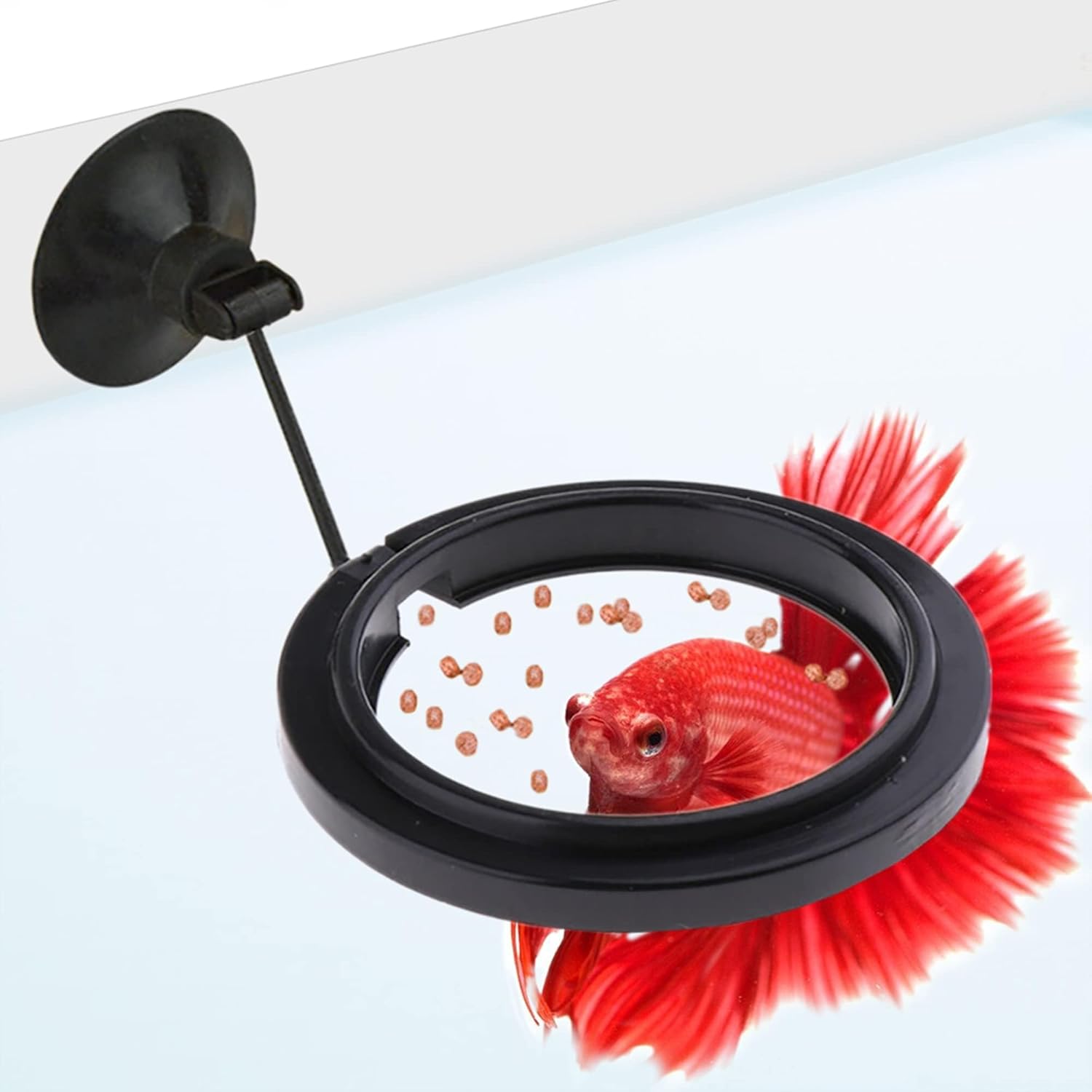
Feed your betta at the same times each day. Use the same spoon or your hand to deliver the food. This routine reinforces the connection between you and the meal.

Visual guide about Do Betta Fish Know Their Owners
Image source: images.petpress.net
Gentle Hand‑Feeding
Place a small amount of food directly into your betta’s mouth with a fingertip or a soft brush. The gentle contact helps the fish associate your presence with safety and nourishment.
Visual Interaction
Spend a few minutes each day watching your betta. Move slowly, avoid sudden shadows, and let the fish become accustomed to your silhouette. Over time, you may notice it swimming closer when you sit near the tank.
Maintain Optimal Tank Conditions
Stressful environments erase learned behaviors. Keep the water clean, maintain a stable temperature (around 78‑80°F), and provide hiding spots. For more on ideal conditions, see What Do Betta Fish Like In Their Tank.
Signs Your Betta Knows You
Excited Swimming
When you approach, a betta that knows you may dart to the front of the tank, swim in circles, or display brighter colors.
Flaring
Flaring is often a defensive behavior, but a betta may flare lightly as a “hello” when it sees you, especially if you’re not threatening.
Relaxed Posture
A calm betta will rest near the surface, rest its fins, or even “hug” a plant. This indicates comfort in your presence.
Common Misunderstandings
“Bettas are aggressive, so they can’t be friendly.”
While male bettas are territorial, they can still recognize and respond positively to a familiar caretaker. Aggression is usually directed at other fish, not humans.
“If my betta doesn’t come to the glass, it doesn’t know me.”
Some bettas are shy by nature. Lack of approach doesn’t mean lack of recognition; it may simply reflect personality.
“Feeding once a day is enough for recognition.”
Regular, multiple small feedings help reinforce the association. Over‑feeding can cause water quality issues, so aim for 2‑3 feedings of a few pellets each.
Practical Tips for Everyday Interaction
- Talk to your betta: A soft voice each feeding session creates an auditory cue.
- Use consistent lighting: Sudden changes can startle the fish and break the routine.
- Rotate tank décor sparingly: New objects can be stimulating but may also cause stress.
- Monitor health: A sick betta may become less responsive. Learn how to spot illness in How Do You Know If Your Betta Fish Is Sick.
- Keep a feeding log: Note dates, times, and behavior changes to track recognition patterns.
Conclusion: A Bond Worth Nurturing
So, do betta fish know their owners? The answer is yes—within the limits of their sensory world. They learn to recognize you through sight, sound, and routine, and they reward consistent, gentle care with bright colors and curious swims.
By providing a stable environment, feeding predictably, and spending a few quiet minutes each day observing and interacting, you can turn a simple aquarium into a meaningful relationship. Your betta may never fetch a ball, but the little “hello” it gives you at the glass is its own special way of saying, “I see you.”
Frequently Asked Questions
Do bettas remember their owners after a long absence?
Bettas can retain memory for weeks, but extended absence combined with changes in water conditions may cause them to forget the association.
Can I train my betta to do tricks?
Simple behaviors like swimming to a target or “high‑five” with a finger can be encouraged with consistent rewards, though training is limited compared to mammals.
Why does my betta flare when I approach?
Flaring can be a sign of excitement or a defensive response. If the fish is otherwise healthy and displays bright colors, it’s likely a friendly greeting.
What should I do if my betta stops responding to me?
Check water parameters, temperature, and signs of illness. Stress often reduces responsiveness, so improving tank conditions may restore the bond.
Is hand‑feeding safe for bettas?
Yes, hand‑feeding is safe if you use clean hands and only a tiny amount of food. It strengthens recognition and trust.
How often should I interact with my betta?
Two to three short sessions per day—during feeding and brief tank cleaning—are enough to maintain recognition without causing stress.