Discover a friendly, step‑by‑step guide on how to draw betta fish that anyone can follow. From basic shapes to vivid coloring, this article breaks down every stage so you can create stunning, lifelike bettas in no time. Grab your pencils and let your imagination swim!
Key Takeaways
- Start with simple shapes: Using circles and ovals makes the complex betta silhouette easy to master.
- Focus on fins and tail: Layered lines and gentle curves give the signature flowing look.
- Use light‑to‑dark shading: Highlights and shadows add depth and a three‑dimensional feel.
- Choose vibrant colors: Betta fish thrive on bold reds, blues, and metallic hues.
- Practice line confidence: Quick, decisive strokes keep the drawing clean and lively.
- Reference real photos: Studying actual bettas helps capture realistic patterns.
- Keep it fun: Treat each step as a playful experiment, not a test.
📑 Table of Contents
Introduction: Why Draw Betta Fish?
Betta fish are tiny works of art that swim in every aquarium. Their long, flowing fins and electric colors make them a favorite subject for artists of all levels. If you’ve ever wondered how to draw betta fish and felt overwhelmed by their intricate patterns, you’re not alone. The good news is that the process can be broken down into simple, manageable steps.
In this guide we’ll walk you through everything you need—from gathering supplies to adding the final sparkle. By the end, you’ll have a beautiful betta illustration you can be proud of, whether you’re sketching for fun, creating a tattoo design, or adding flair to a home‑decor project.
1. Gather Your Materials
Basic drawing tools
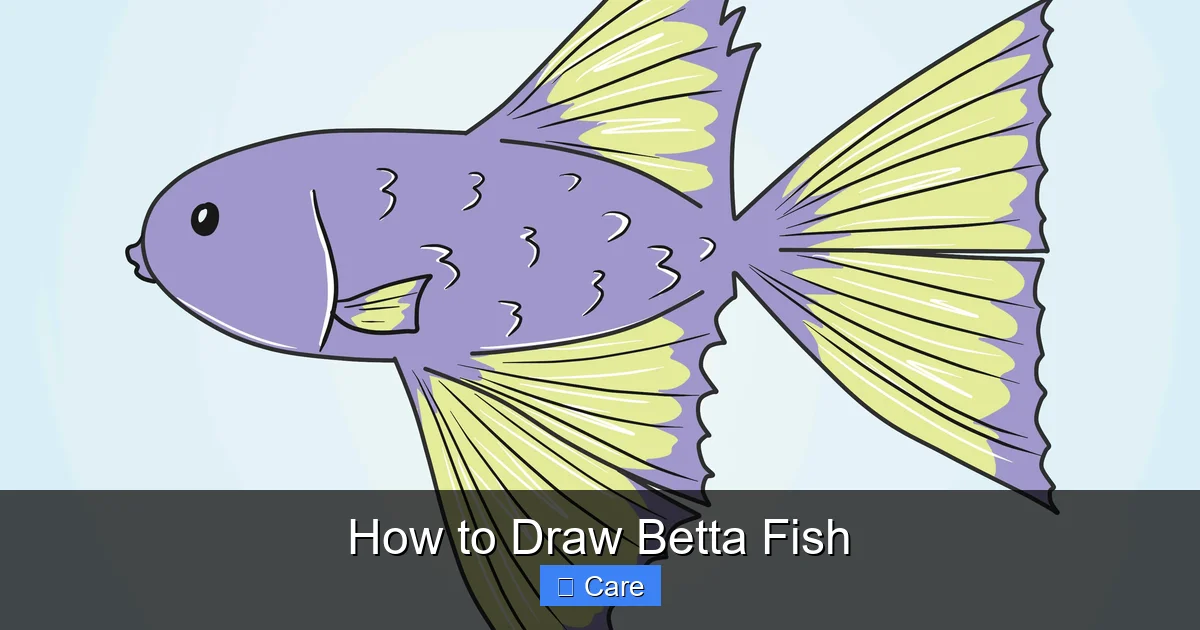
Starting with the right tools makes learning how to draw betta fish smoother. You don’t need expensive gear; these everyday items work perfectly:
Visual guide about How to Draw Betta Fish
Image source: wikihow.com
- Pencil (HB or 2B) – for light sketch lines.
- Eraser (soft rubber) – to lift unwanted marks.
- Fine‑tip pen or ink pen – for final outlines.
- Colored pencils, markers, or watercolors – to bring the betta to life.
- Sketchbook or smooth drawing paper – 140 gsm works well.
Optional but helpful
- Blending stump – for smooth shading.
- Ruler – to keep proportions balanced.
- Reference photos – a quick Google image search will give you dozens of betta angles.
2. Break Down the Shape
Start with basic geometry
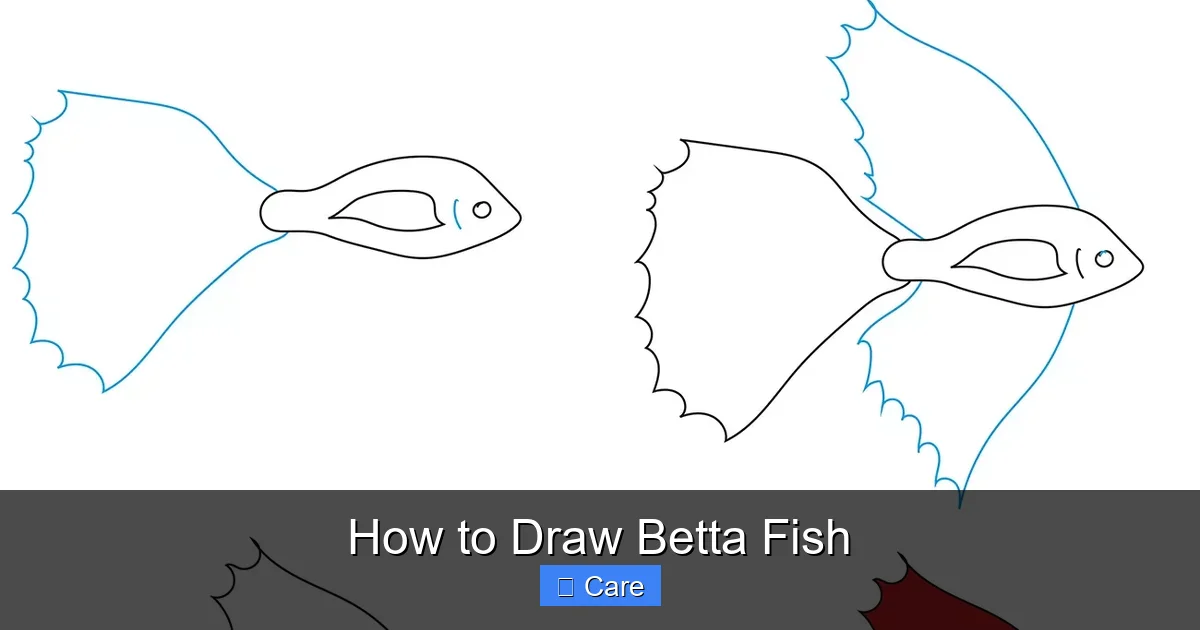
The secret to mastering how to draw betta fish lies in simplifying the subject. Begin with a light oval for the body and a small circle for the head. Add a gentle curve for the dorsal line and a long, sweeping line for the tail.
Visual guide about How to Draw Betta Fish
Image source: howtodraweasy.net
Here’s a quick visual:
- Oval (body) – about the size of a small egg.
- Circle (head) – placed at the front of the oval, overlapping slightly.
- Triangle (tail base) – attached to the rear of the oval.
Map the fins
Betta fins are the star of the show. Sketch them as elongated triangles or ribbons extending from the body:
- Caudal (tail) fin – a fan‑shaped plume that can be round, veil, or delta.
- Dorsal fin – a tall, flowing sail that runs along the back.
- Anal and pelvic fins – smaller, leaf‑like shapes near the belly.
- Labial (mouth) fin – tiny, barely visible, but adds realism.
Keep the lines loose; you’ll refine them later.
3. Refine the Outline
Define the body curve
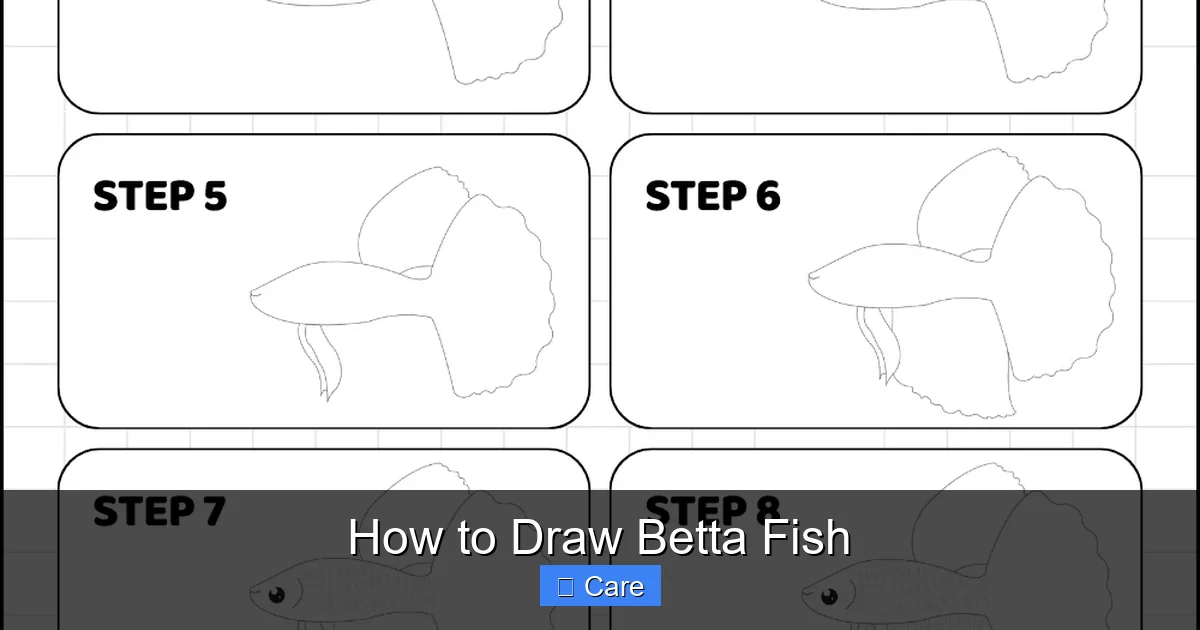
Now that you have a skeleton, darken the outline with a firmer hand. Follow the natural curve of the betta’s body: slightly tapered at the head, bulging in the middle, and narrowing toward the tail. Remember that bettas have a slightly humped back, so the dorsal line should rise gently then dip toward the tail.
Visual guide about How to Draw Betta Fish
Image source: blog.burbankids.com
Shape the fins with confidence
Betta fins are delicate but bold. Use swift, confident strokes to draw each fin layer:
- Start at the base, draw a long, flowing line outward.
- Add a second line parallel to the first, then connect them with a soft curve.
- Repeat for each fin, varying the length and curvature to mimic natural movement.
Don’t worry about perfection; the slight irregularities give the fish personality.
4. Add Details and Texture
Eyes, gills, and scales
Small details make the drawing pop:
- Eyes: Draw a tiny circle near the front of the head, leaving a tiny white highlight for sparkle.
- Gills: Sketch three short, curved lines just behind the eye.
- Scales: Lightly suggest them with short, overlapping strokes along the body. You don’t need to draw each scale; a few hints are enough.
Pattern work
Betta fish often display bold patterns—stripes, spots, or marbled swirls. Look at your reference photo and mimic the major shapes. Use light pencil lines first, then darken the most dominant patterns with your pen.
5. Bring Your Betta to Life with Color
Choosing a color palette
Betta colors are vivid. Classic combos include:
- Deep reds with orange highlights.
- Electric blues paired with turquoise.
- Metallic greens mixed with gold.
Pick 2‑3 main colors and 1‑2 accent shades. This keeps the artwork cohesive.
Layering and shading
Start with a light base wash over the entire body. Then, build up darker tones where shadows naturally fall—under the dorsal fin, behind the tail, and along the belly. Use a blending stump or a soft brush to smooth transitions.
For a realistic shine, add a tiny white highlight on the top of the head and along the fin edges. This mimics the way light reflects off a wet fish.
Fin finishing touches
Fin membranes are semi‑transparent. Color them lightly, then layer a slightly darker hue along the edges to suggest thickness. A gentle feather‑like stroke works well for veil‑type tails.
6. Final Checks and Presentation
Clean up stray lines
Use a clean eraser to lift any remaining construction marks. Make sure the final outlines are crisp; a fine‑tip pen works best for this step.
Signing and framing
Every artist likes a signature. Place a small “‑Your Name‑” in the corner, or add a tiny water droplet effect for extra flair. If you plan to display the piece, consider mounting it on a matte board or scanning it for digital use.
Conclusion: Your Betta, Your Style
Learning how to draw betta fish is less about copying and more about understanding the flow of lines, the play of light, and the boldness of color. By breaking the process into simple steps—shape, outline, detail, color—you can create a stunning illustration in just a few practice sessions.
Remember, each betta you draw will be a little different, just like the real fish. Embrace those variations, enjoy the process, and let your imagination swim free. Happy drawing!
Frequently Asked Questions
What basic shapes should I start with when drawing a betta fish?
Begin with an oval for the body, a small circle for the head, and a triangle for the tail base. These simple forms help you map the fish’s proportions before adding details.
How can I make the fins look realistic?
Draw the fins as layered ribbons using swift, confident strokes. Vary the length and curvature for each fin, and add light shading along the edges to suggest thickness and translucency.
Which colors work best for a vibrant betta illustration?
Bold reds, electric blues, turquoise, metallic greens, and gold are classic betta hues. Choose a primary color, add one or two accent shades, and use lighter washes for highlights.
Do I need to draw every scale on the betta fish?
No. Suggest scales with short, overlapping strokes along the body. A few well‑placed hints give texture without overwhelming the drawing.
How do I add depth to my betta fish drawing?
Use light‑to‑dark shading: apply a light base color, then add darker tones where shadows naturally fall—under fins, along the belly, and behind the tail. Finish with small white highlights for a wet, glossy look.
Can I use digital tools to draw betta fish?
Absolutely! A tablet with a pressure‑sensitive pen lets you mimic traditional strokes, add layers easily, and experiment with vibrant colors without mess.