What Causes Diamond Eye in Betta Fish
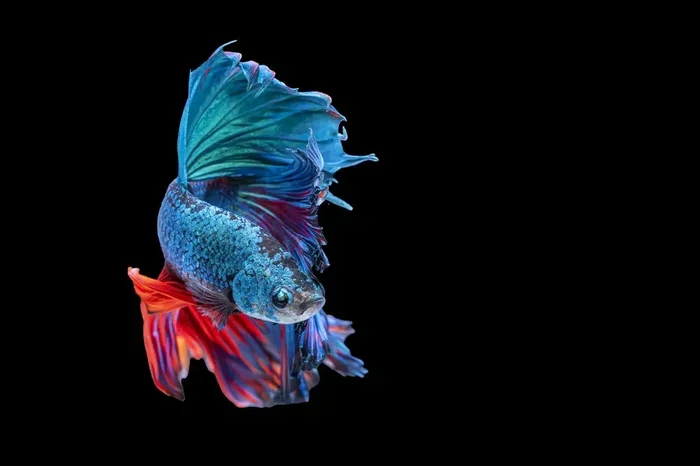
Diamond eye in betta fish is a serious condition that causes cloudiness and swelling in a betta’s eyes. The primary diamond eye causes include poor water quality, bacterial infections, physical injuries, and nutritional deficiencies. Understanding these triggers helps you protect your betta and keep its eyes clear and healthy.
Diamond eye is one of the most worrying conditions a betta fish owner can encounter. If you have noticed that your betta’s eyes look cloudy, bulging, or have taken on a strange diamond-like shape, you are not alone. This condition can affect any betta, regardless of age or tank setup. Understanding what causes diamond eye in betta fish is the first step toward helping your pet recover and staying healthy.
The good news is that diamond eye is often treatable, especially when caught early. Most cases trace back to a few common culprits. Poor water quality tops the list, followed by infections, injuries, and diet issues. In this guide, we will walk through every known cause, how to spot the symptoms, and what you can do to fix the problem. By the end, you will have a clear action plan to protect your betta’s eyes and overall well-being.
Key Takeaways
- Poor water quality is the leading cause of diamond eye in betta fish.
- Bacterial and parasitic infections can directly damage a betta’s eyes.
- Physical injuries from tank decorations or aggressive tank mates contribute to diamond eye.
- Nutritional deficiencies weaken the immune system and eye health.
- Early detection and treatment greatly improve recovery chances.
- Prevention through proper tank maintenance is far easier than treating diamond eye.
📑 Table of Contents
What Is Diamond Eye in Betta Fish?
Diamond eye refers to a condition where a betta fish’s eyes become cloudy, swollen, or develop a raised, crystalline appearance. The name comes from the way the eye surface can look like a rough diamond when viewed up close. This is not a single disease but rather a symptom of an underlying problem affecting the fish.
Healthy betta eyes should be clear, bright, and alert. When diamond eye sets in, one or both eyes may bulge outward. The cloudiness can range from a slight film to a thick, opaque coating. In some cases, the eye may appear to have a strange reflective quality, similar to a gemstone catching the light. This happens because fluid builds up behind or around the eye, pushing it forward and distorting its shape.
Diamond eye can affect one eye or both. A single affected eye often points to a local injury or infection. Both eyes being affected usually signals a broader issue, such as water quality problems or a system-wide infection. Recognizing the difference helps you narrow down the cause faster.
Common Causes of Diamond Eye in Betta Fish
Poor Water Quality
The number one cause of diamond eye in betta fish is dirty or unstable water. Betta fish are sensitive to changes in their environment. When ammonia, nitrite, or nitrate levels spike, the fish experiences stress. Over time, this stress weakens the immune system and makes the eyes vulnerable to damage.
Tap water contains chlorine and chloramine, which are harmful to bettas. If you use tap water without treating it, these chemicals can irritate the eyes and lead to cloudiness. Even small amounts of ammonia from uneaten food or decaying plant matter can trigger problems. A tank that is too small or lacks proper temperature control makes water quality issues worse.
Here are the most common water-related mistakes that lead to diamond eye:
- Skipping regular water changes
- Overfeeding, which increases ammonia levels
- Using an inadequate filter or no filter at all
- Not testing water parameters regularly
- Placing the tank in direct sunlight, which promotes algae and bacteria growth
Keeping a consistent maintenance schedule is the best defense. Test your water at least once a week. Perform partial water changes of 25 to 30 percent every week. These simple habits go a long way in preventing diamond eye and many other health issues.
Bacterial Infections
Bacterial infections are a leading cause of cloudy and swollen eyes in bettas. Bacteria like Columnaris and Aeromonas thrive in poor water conditions. Once they take hold, they can attack the delicate tissue around the eyes. This causes inflammation, cloudiness, and the characteristic diamond-like appearance.
Bacterial infections often spread when a betta is already stressed or weakened. A fish with a compromised immune system has a much harder time fighting off invaders. Signs of a bacterial eye infection include redness around the eye, pus-like discharge, and the eye appearing milky or filmy. In advanced cases, the eye may protrude significantly from the socket.
Treating bacterial infections early is critical. Broad-spectrum fish antibiotics can be effective, but you should also address the root cause. Improving water quality and reducing stress give the medication a better chance to work. Quarantine any fish showing symptoms to prevent the infection from spreading to tank mates.
Parasitic Infections
Parasites are another common cause of diamond eye. These tiny organisms can enter the tank through new fish, untreated plants, or contaminated decorations. Once inside, they attach to the delicate eye tissue and cause irritation, swelling, and cloudiness.
Common parasites that affect betta eyes include ich (ichthyophthirius), anchor worms, and flukes. These parasites are often visible as tiny white spots or threads on the body. However, eye-specific parasites may not always be easy to spot without magnification. If your betta is rubbing its eyes against rocks or decorations, this is a strong sign of parasitic irritation.
Treating parasites usually requires a dedicated medication. Many aquarists use formalin or praziquantel-based treatments. Always follow the dosage instructions carefully and remove carbon from your filter during treatment, as carbon can absorb the medication and reduce its effectiveness.
Physical Injury
Betta fish are curious creatures. They explore their surroundings and sometimes bump into things. Sharp decorations, rough rocks, or even plastic plants with rough edges can scratch or injure the eye. Over time, these injuries can become infected and develop into diamond eye.
Another common cause of eye injury is aggression from other fish. If you keep your betta in a community tank, larger or nippy fish may nip at the betta’s fins and eyes. Even a single hard bump against a hard object can cause enough trauma to trigger swelling and cloudiness.
To prevent injuries, choose smooth, rounded decorations for your betta tank. Avoid sharp plastic plants. Live plants are a safer alternative and also help maintain water quality. If you keep other fish with your betta, monitor their behavior closely and separate any aggressive individuals immediately.
Nutritional Deficiencies
A poor diet can weaken your betta from the inside out. Betta fish are carnivores and need a protein-rich diet to thrive. When they do not receive proper nutrition, their immune system weakens and their eyes can suffer. Vitamin A deficiency, in particular, is closely linked to eye problems in fish.
In the wild, bettas eat a varied diet of insects, larvae, and small crustaceans. A captive betta’s diet should mimic this as closely as possible. Freeze-dried bloodworms, brine shrimp, and high-quality betta pellets provide essential nutrients. Adding variety to the diet helps prevent nutritional gaps that could lead to eye issues.
Overfeeding is just as dangerous as underfeeding. Excess food rots in the tank, fouling the water and creating the same ammonia problems that cause diamond eye. Feed your betta small amounts twice a day, and remove any uneaten food after a few minutes.
How to Identify Diamond Eye Early
Catching diamond eye early gives your betta the best chance of a full recovery. Watch for these warning signs on a daily basis:
- Cloudiness or film over one or both eyes
- Eyes that appear larger or bulging compared to normal
- Reluctance to swim or staying near the surface
- Loss of appetite or refusal to eat
- Rubbing the head against tank decorations
- Clamped fins or lethargic behavior
If you notice any of these signs, test your water immediately. Check ammonia, nitrite, nitrate, and pH levels. Look for any visible injuries on the eye area. If the water parameters are stable and no injury is present, an infection is likely the cause.
Treatment Options for Diamond Eye
Treatment depends on the underlying cause. Here is a breakdown of the most effective approaches for each cause:
- Water quality issues: Perform an immediate 50 percent water change. Test and adjust parameters. Add water conditioner to remove chlorine and heavy metals.
- Bacterial infection: Use a broad-spectrum antibiotic such as kanamycin or erythromycin. Treat in a quarantine tank if possible.
- Parasitic infection: Apply a parasite-specific medication like praziquantel. Raise the tank temperature slightly to speed up the parasite life cycle.
- Physical injury: Move the betta to a bare-bottom hospital tank. Add aquarium salt at a low dose to promote healing and prevent secondary infection.
- Nutritional deficiency: Improve the diet with vitamin-rich foods. Consider adding a betta-specific vitamin supplement to the food.
Most cases of diamond eye respond well to treatment within two to four weeks. The key is to act quickly and address the root cause. Waiting too long can lead to permanent eye damage or even loss of the eye.
Prevention Tips to Keep Your Betta’s Eyes Healthy
Preventing diamond eye is much easier than treating it. A few simple habits can keep your betta’s eyes clear and bright for years. Here is what every betta owner should do:
- Test water parameters weekly. Keep ammonia and nitrite at zero.
- Perform regular water changes of 25 to 30 percent every week.
- Use a gentle filter to maintain water flow without strong currents.
- Feed a balanced, protein-rich diet in small portions.
- Avoid sharp or rough decorations in the tank.
- Quarantine new fish or plants before adding them to the main tank.
- Keep the tank at a stable temperature between 76 and 82 degrees Fahrenheit.
These steps create a healthy environment where your betta can thrive. A well-maintained tank reduces stress, strengthens the immune system, and keeps the eyes clear. Prevention is always better than cure, and a little effort each week saves you from heartache down the road.
Can Diamond Eye Be Reversed?
In many cases, yes. If you catch diamond eye early and treat the cause promptly, the cloudiness can clear up and the eye can return to normal. However, advanced cases where the eye has been damaged for a long time may not fully recover. The eye might remain slightly cloudy or scarred.
Even if the eye does not return to perfect clarity, a betta can live a perfectly happy life with some permanent eye changes. Bettas rely more on their sense of smell and lateral line system than on vision alone. With proper care and a safe tank setup, a betta with partial vision loss can still eat, explore, and enjoy a great quality of life.
When to See a Vet
If home treatments do not show improvement within two weeks, it is time to consult a fish veterinarian. A specialist can perform a detailed examination and identify the exact pathogen causing the problem. They may also recommend targeted medications that are stronger than over-the-counter treatments.
Do not wait too long before seeking professional help. Eye conditions can worsen rapidly, and permanent damage is always a risk. A vet visit is a small investment compared to the life of your beloved betta.
Final Thoughts
Diamond eye in betta fish is a serious but manageable condition. The causes range from simple water quality issues to infections and injuries. By understanding what triggers this condition, you can take proactive steps to prevent it and treat it effectively. Keep your tank clean, feed a quality diet, and watch your betta closely for any early warning signs. A little attention and care go a long way in keeping your betta’s eyes healthy and bright.
Remember, your betta depends on you for its well-being. Every water change, every careful feeding, and every observation session matters. If you notice anything unusual, do not hesitate to act. Your quick response could make all the difference between a full recovery and lasting damage.
Frequently Asked Questions
What is diamond eye in betta fish?
Diamond eye is a condition where a betta fish’s eyes become cloudy, swollen, or develop a raised, crystalline appearance. It is usually a symptom of an underlying issue such as poor water quality, infection, or injury.
Can poor water quality cause diamond eye?
Yes, poor water quality is the most common cause. High levels of ammonia, nitrite, or chlorine irritate the eyes and weaken the fish’s immune system, making it susceptible to eye problems and infections.
Is diamond eye contagious to other fish?
Diamond eye itself is not contagious, but the underlying cause may be. Bacterial or parasitic infections can spread to other fish in the same tank. It is best to quarantine affected fish and treat the root cause promptly.
How long does it take for diamond eye to clear up?
With proper treatment, most cases of diamond eye improve within two to four weeks. Early detection and prompt action greatly speed up the recovery process and reduce the risk of permanent damage.
Can a betta fish recover from diamond eye completely?
Many bettas recover fully if the condition is caught early and treated correctly. In advanced cases, some permanent cloudiness or scarring may remain, but the fish can still live a healthy and happy life.
What should I feed my betta to prevent eye problems?
Feed a protein-rich diet with variety, including high-quality pellets, freeze-dried bloodworms, and brine shrimp. Adding foods rich in vitamin A supports overall eye health and strengthens the immune system. Avoid overfeeding, as excess food pollutes the water.
=== CONCLUSION ===
Diamond eye in betta fish is a condition that demands attention and quick action. Whether the cause is dirty water, an infection, an injury, or a poor diet, understanding the root problem is essential for effective treatment. By maintaining clean water, providing a balanced diet, and monitoring your betta daily, you can prevent most cases of diamond eye before they start. Your betta deserves a healthy, clear-eyed life, and with the knowledge you have gained from this guide, you are well equipped to give it that. Take action today, stay consistent with your tank maintenance, and your betta will reward you with vibrant health and bright, beautiful eyes for years to come.