What Caused My Betta Fish Eyes to Pop Out
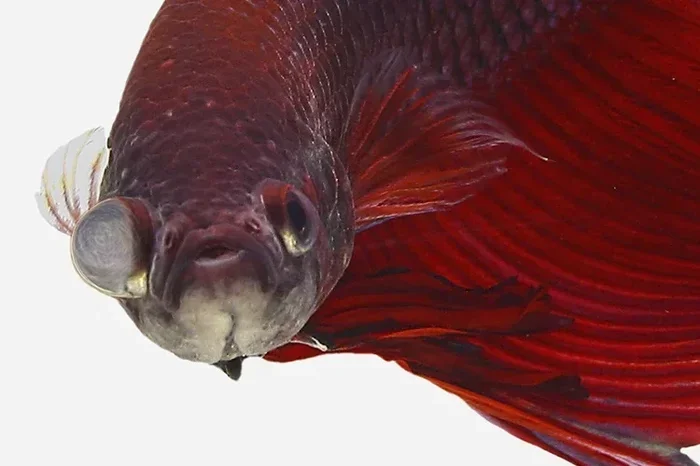
Betta fish eyes can pop out due to several reasons, including poor water quality, bacterial infections, physical injury, and underlying health conditions. Recognizing the early signs is crucial because prompt treatment can save your fish from permanent damage or worse. This guide covers the most common causes, practical treatment steps, and prevention strategies to keep your betta’s eyes healthy and bright.
It is a scary moment when you look into your aquarium and notice that your betta fish eyes are popping out. You might feel panicked, confused, and unsure of what to do next. The good news is that you are not alone in this experience. Many betta fish owners face this exact problem at some point, and most causes are treatable when caught early.
This article will walk you through everything you need to know about betta fish eyes popping out. We will cover the most common causes, how to identify the problem, treatment options, and steps you can take to prevent it from happening again. Whether your fish is showing mild swelling or severe bulging, you will find practical advice here.
Key Takeaways
- Poor water quality is the leading cause of betta fish eyes popping out and should be addressed immediately.
- Bacterial and fungal infections can cause swelling and bulging, requiring targeted medication.
- Physical injuries from tank decorations or aggressive tank mates are common but preventable.
- Overfeeding and diet issues can contribute to systemic health problems that affect the eyes.
- Early detection and treatment dramatically improve recovery outcomes for your betta fish.
- Regular water changes and testing are the best long-term prevention strategies.
- Quarantining new fish helps prevent the spread of infectious diseases that cause eye problems.
📑 Table of Contents
Why Do Betta Fish Eyes Pop Out?
The technical term for eyes popping out in fish is pop-eye or exophthalmia. It happens when fluid builds up behind or around the eye, causing it to swell and sometimes protrude from the socket. In betta fish, this condition can affect one eye or both eyes. It is not a disease itself but rather a symptom of an underlying problem.
When you notice betta fish eye problems, it is important to act quickly. The sooner you identify the cause, the better your chances of saving your fish. Pop-eye can range from mild bulging to severe protrusion where the eye literally pushes outward. In extreme cases, the eye can become damaged beyond repair if left untreated.
Understanding the root cause is the first step toward effective treatment. Some causes are easy to fix with simple changes, while others require medication or veterinary care. Let us explore the most common reasons your betta fish eyes might be popping out.
Poor Water Quality
The number one cause of betta fish eyes popping out is poor water quality. Betta fish are sensitive creatures that need clean, stable water to thrive. When ammonia, nitrite, or nitrate levels spike in the tank, the fish experiences stress and physical damage. The eyes are particularly vulnerable because they are delicate tissues that react quickly to toxins in the water.
Overcrowded tanks, overfeeding, and infrequent water changes all contribute to toxic buildup. Even if your tank has a filter, it cannot replace the need for regular maintenance. Dirty water weakens your betta’s immune system, making it easier for infections to take hold and cause eye swelling in betta fish.
Here are some signs that water quality might be the culprit:
- Your betta is gasping at the surface more than usual.
- The water looks cloudy or has an unusual odor.
- You have not performed a water change in over a week.
- Your betta seems lethargic or refuses to eat.
- Other fish in the tank show similar symptoms.
If you suspect water quality issues, test your water immediately using an aquarium test kit. Ammonia and nitrite should always read zero, while nitrates should stay below 20 parts per million. Regular water changes of 25 to 30 percent per week make a huge difference in keeping your betta healthy.
Bacterial and Fungal Infections
Infections are another major cause of popped out eyes in betta fish. Bacteria like Mycobacterium or Aeromonas can enter through tiny injuries around the eye area. Once inside, they cause inflammation, pus buildup, and swelling that pushes the eye outward. Fungal infections can also affect the eyes, especially in fish with weakened immune systems.
Bacterial eye infections often show visible symptoms like redness, cloudiness, or a white film over the eye. Your betta may rub its eye against decorations or the tank substrate in an attempt to relieve the discomfort. In some cases, the eye itself becomes cloudy or develops a milky appearance.
Fungal infections tend to look like cotton-like growths around the eye area. They usually appear when a fish is already stressed or recovering from another illness. Both types of infections require prompt treatment to prevent permanent damage.
Common medications for treating betta fish eye disease include:
- API Melafix for mild bacterial infections.
- Seachem Kanaplex for more serious bacterial issues.
- Fungal treatments containing methylene blue.
- Broad-spectrum antibiotics for severe cases.
Always follow dosage instructions carefully and remove carbon from your filter during treatment, as it can absorb the medication before it has a chance to work.
Common Causes of Betta Fish Eye Pop-Out
Beyond water quality and infections, several other factors can cause your betta fish eyes to pop out. Understanding these causes helps you pinpoint the problem faster and choose the right treatment.
Physical Injury
Betta fish are curious creatures that like to explore their surroundings. Sometimes they accidentally bump into sharp decorations, rough rocks, or plastic plants with jagged edges. These collisions can bruise or puncture the delicate tissues around the eye, leading to swelling and popping.
Even the gravel at the bottom of your tank can cause injury if it is too coarse or sharp. Betta fish sometimes dig or push around the substrate, and small particles can scratch the eye area. Aggressive tank mates can also cause physical harm during chasing or fighting.
To prevent injuries, choose smooth decorations and soft substrates for your betta tank. Avoid sharp plastic plants and opt for silk alternatives instead. A well-planned tank setup goes a long way in protecting your fish’s eyes and overall health.
Overfeeding and Diet Issues
Overfeeding might seem harmless, but it can cause serious health problems for your betta fish. When your betta eats more than it needs, the excess food decomposes in the water, worsening water quality. This creates a cycle where poor water leads to stress, and stress leads to illness, including eye swelling in betta fish.
Certain foods can also cause digestive issues that affect the entire body, including the eyes. High-fat foods or low-quality commercial pellets may lead to internal inflammation. A poor diet weakens the immune system, making your betta more susceptible to infections that target the eyes.
Feed your betta small amounts twice a day, and only give it what it can consume within two to three minutes. A balanced diet of high-quality pellets, frozen foods, and occasional live foods supports overall health, including eye health. For more feeding guidance, check out our article on what to feed a betta fish.
Swim Bladder Disorders
Swim bladder problems are common in betta fish and can indirectly cause eye issues. The swim bladder controls buoyancy, and when it malfunctions, the fish may struggle to maintain its position in the water. This stress and physical strain can sometimes manifest as eye swelling or bulging.
Swim bladder disorders often result from overfeeding, constipation, or sudden temperature changes. If your betta is floating sideways or struggling to swim, the eye problems might be connected to this underlying issue. Addressing the swim bladder problem often helps resolve eye symptoms as well.
How to Diagnose the Problem
Diagnosing the cause of betta fish eyes popping out requires careful observation. You need to look at the full picture, including water parameters, tank conditions, diet, and your fish’s behavior. A systematic approach helps you narrow down the cause and choose the right treatment.
Check Your Water Parameters
Start by testing your aquarium water for ammonia, nitrite, nitrate, and pH levels. Use a reliable test kit rather than test strips, as they tend to be more accurate. Record the results and compare them to safe levels for betta fish:
- Ammonia: 0 ppm
- Nitrite: 0 ppm
- Nitrate: below 20 ppm
- pH: 6.5 to 7.5
- Temperature: 78 to 80 degrees Fahrenheit
If any of these parameters are off, water changes and adjustments should be your first priority. Clean water is the foundation of good fish eye health.
Observe Your Fish’s Behavior
Watch your betta closely for changes in behavior that might point to the cause of the eye problem. Is your fish rubbing its eye against objects? Is it hiding more than usual? Has it stopped eating? These behavioral clues help you understand what is happening inside your fish’s body.
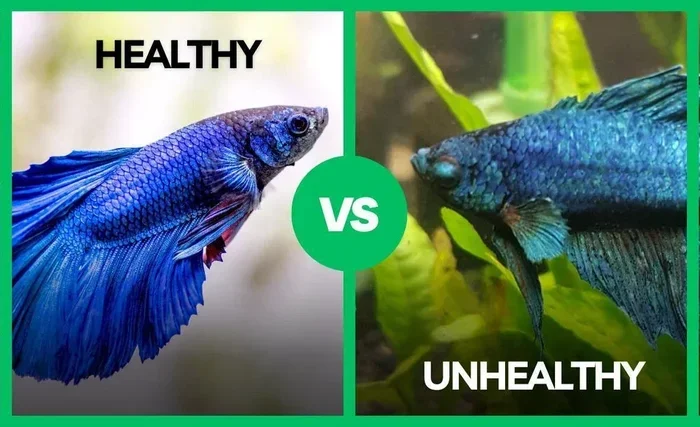
Also examine the affected eye itself. Is it cloudy, red, swollen, or visibly protruding? One eye affected might suggest a local injury, while both eyes affected could indicate a systemic issue like infection or water quality problems. Take clear photos to track the progression over time.
Review Recent Changes
Think about any recent changes to your tank setup or routine. Did you add new decorations, change the substrate, or introduce new fish? Did you switch foods or change your feeding schedule? Sometimes a simple change triggers a reaction that leads to eye problems. Identifying triggers helps you avoid repeating the same mistake.
Treatment Options for Pop-Eye in Betta Fish
Once you have identified the likely cause, you can begin treatment. The approach depends on the severity of the condition and the underlying reason for the eye pop-out. Here are the most effective treatment strategies.
Improving Water Quality
If poor water quality is the cause, the first step is a large water change of 50 percent or more. Use dechlorinated water at the same temperature as your tank. Remove any uneaten food and debris from the substrate during this process.
Continue with daily water changes of 20 to 25 percent for the next week. This helps flush out toxins and gives your betta’s immune system a chance to recover. Add aquarium salt at a dose of one teaspoon per five gallons to support healing and reduce stress.
After the water quality improves, monitor your betta closely. Mild cases of eye swelling often resolve on their own within a week or two once the water is clean and stable. For ongoing maintenance tips, our article on what water to use for a betta fish provides helpful guidance.
Medication and Treatment
If the cause is bacterial or fungal, you will need to treat the infection directly. Maracyn II or similar antibiotics are effective against many common fish bacteria. For fungal infections, methylene blue added to a quarantine tank can help clear the growth.
Set up a quarantine tank for treating your betta. This prevents medication from affecting your main tank’s biological filter and keeps the medication concentrated around your fish. Follow the medication instructions precisely and complete the full course, even if symptoms improve before the treatment ends.
For severe cases where the eye has already protruded significantly, there is no guaranteed cure. However, prompt treatment can prevent the condition from worsening and may save the eye if caught early. Some fish recover partial vision even after significant swelling subsides.
Supportive Care During Recovery
While your betta heals, provide supportive care to speed up the process. Keep the water temperature stable at around 80 degrees Fahrenheit, as warmth boosts the immune system. Feed high-quality, easily digestible foods in small amounts to maintain nutrition without overloading the system.
Reduce stress by dimming the lights and keeping the tank in a quiet location. Avoid handling your fish or making loud noises near the tank. A calm, stable environment gives your betta the best chance of recovering from eye pop-out problems.
Preventing Eye Problems in Your Betta Fish
Prevention is always better than cure. By maintaining good tank habits and staying proactive, you can significantly reduce the risk of betta fish eye problems. Here are the most effective prevention strategies.
- Perform regular water changes: Change 20 to 30 percent of your tank water every week to keep toxins at bay.
- Test water parameters regularly: Use a test kit weekly to catch any imbalances before they harm your fish.
- Feed a balanced diet: Provide variety and avoid overfeeding to keep your betta healthy and strong.
- Choose safe tank decorations: Use smooth rocks, silk plants, and soft substrates to prevent injuries.
- Quarantine new additions: Isolate new fish for two weeks before adding them to your main tank to prevent disease spread.
- Maintain stable temperatures: Use a reliable heater to keep the water between 78 and 80 degrees Fahrenheit.
- Clean your filter regularly: Rinse filter media in tank water (not tap water) to preserve beneficial bacteria.
Consistent care and attention create a healthy environment where your betta can thrive. Prevention requires effort, but it pays off with a happy, healthy fish that lives a long and vibrant life.
When to See a Vet for Your Betta Fish
Most cases of betta fish eyes popping out can be managed at home with proper care. However, some situations require professional help. If your betta’s eye has been protruding for more than a week without improvement, it is time to consult a veterinarian who specializes in fish health.
Emergency vet visits become necessary when the eye shows signs of severe infection, such as pus, visible parasites, or a ruptured eye surface. If your betta stops eating entirely or shows signs of extreme distress, do not wait. Early veterinary intervention can make the difference between saving and losing your fish.
Petco and some local fish stores offer basic fish health consultations. For more serious conditions, look for an aquatic veterinarian near you. You can also find guidance on finding professional help in our article about taking your betta fish to the vet.
Remember that you know your fish best. If something feels wrong, trust your instincts and seek help sooner rather than later. Your betta depends on you for its health and well-being.
Conclusion
Seeing your betta fish eyes pop out is alarming, but it is a manageable condition with the right knowledge and quick action. The most common causes include poor water quality, bacterial or fungal infections, physical injuries, and diet-related health issues. By understanding these causes, you can take targeted steps to treat the problem and prevent it from recurring.
Regular maintenance, clean water, and a balanced diet form the foundation of good betta fish care. Monitor your fish daily, watch for early warning signs, and act promptly when something looks wrong. Your betta fish relies on you for its health, and your attention makes all the difference.
With patience, proper care, and the information in this guide, you are well equipped to handle pop-eye and other eye problems. Your betta deserves a healthy, comfortable life, and you now have the tools to make that happen.
Frequently Asked Questions
Can betta fish eyes pop out from stress alone?
Stress alone rarely causes eyes to pop out, but it can weaken your betta’s immune system and make it vulnerable to infections that lead to eye problems. Chronic stress from poor water, aggressive tank mates, or loud noises contributes to the conditions that cause eye swelling. Addressing the stressor is an important step in preventing and treating eye issues.
Is pop-eye in betta fish contagious to other fish?
Pop-eye itself is not contagious, but the underlying bacterial or fungal infection that causes it can spread to other fish in the tank. If you suspect an infection, isolate your betta in a quarantine tank and treat it separately. This protects your other fish and allows you to medicate more effectively without affecting the main tank’s ecosystem.
How long does it take for a betta fish’s eye to recover from pop-eye?
Mild cases of eye swelling often improve within one to two weeks with proper treatment and clean water. More severe cases may take three to four weeks or longer. Recovery time depends on the cause, how quickly treatment begins, and the overall health of your fish. Patience and consistent care are key during the healing process.
Can a betta fish lose its eye from pop-eye?
In severe or untreated cases, a betta fish can lose an eye permanently. The eye may rupture or become so damaged that it cannot recover. However, many fish adapt well to losing an eye and continue to live happy, healthy lives. Early treatment significantly reduces the risk of permanent vision loss.
What is the best water conditioner for preventing betta fish eye problems?
A quality water conditioner that removes chlorine, chloramine, and heavy metals is essential for preventing eye problems. Products like Seachem Prime or similar conditioners neutralize harmful substances in tap water before adding it to your tank. Always condition new water before adding it to the aquarium, and use it during water changes to maintain a safe environment for your betta.
Should I remove my betta fish from the tank if its eye pops out?
You do not need to remove your betta immediately, but setting up a quarantine tank for treatment is highly recommended. A quarantine tank makes it easier to medicate, monitor progress, and prevent the spread of potential infections. Keep the main tank clean and stable while you focus on treating your betta in the separate setup.