What Can You Feed Your Betta Fish Besides Fish Food
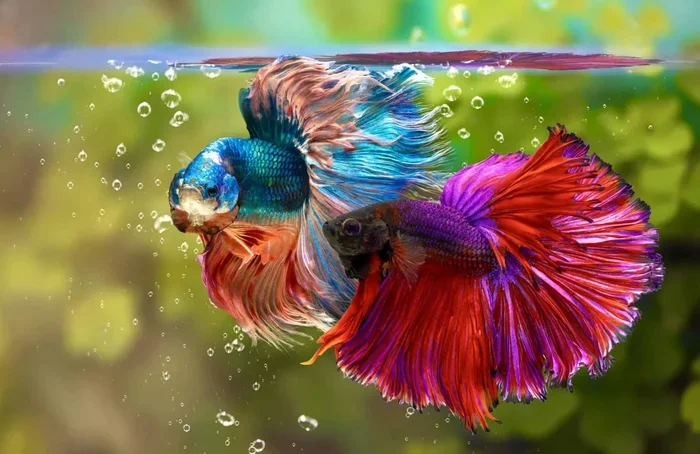
You can feed your betta fish more than just pellets and flakes. From peas and cucumbers to brine shrimp and bloodworms, there are plenty of safe, nutritious alternatives. This guide covers the best human foods, live foods, vegetables, and treats you can safely add to your betta’s diet.
If you own a betta fish, you have probably stood in front of the fish food aisle wondering if there is more you could offer your colorful friend. The truth is, what can you feed your betta fish besides fish food opens up a world of options. From kitchen staples to live treats, bettas enjoy a varied diet that keeps them thriving.
Most betta owners stick to pellets or flakes out of habit. But feeding your betta the same food every day can lead to nutritional gaps. A diverse betta fish diet supports better color, stronger immunity, and a longer life. The good news is, you do not need a fancy fish store to expand your betta’s menu.
In this guide, we will walk through every safe option you can try at home. We will cover vegetables, fruits, proteins, and even some surprising human foods. By the end, you will know exactly how to spice up your betta’s meals the right way.
Key Takeaways
- Variety is key: Adding alternative foods to your betta’s diet improves nutrition and keeps them healthy and active.
- Peas are a superstar: Cooked, shelled peas help with digestion and make a great occasional treat.
- Live foods are natural: Brine shrimp, bloodworms, and daphnia mimic what bettas eat in the wild and boost their appetite.
- Not all human food is safe: Avoid bread, processed foods, and anything high in salt or fat.
- Feed in moderation: Alternative foods should supplement, not replace, your betta’s regular diet.
- Vegetables add fiber: Cucumber, zucchini, and spinach are safe options that support digestion.
- Watch for allergies or reactions: Always introduce new foods slowly and observe your fish’s response.
📑 Table of Contents
- Why You Should Look Beyond Regular Fish Food
- Safe Human Foods You Can Feed Your Betta
- Live and Frozen Foods for Betta Fish
- Vegetables and Plant-Based Options
- Foods You Should Never Feed Your Betta
- How Often Should You Feed Your Betta These Alternatives
- Quick Tips for Feeding Alternatives Safely
- Common Mistakes to Avoid When Feeding Your Betta
- Expert Insights on Betta Nutrition
- Conclusion
Why You Should Look Beyond Regular Fish Food
Betta fish are carnivores by nature. In the wild, they hunt insects, larvae, and small creatures. Most commercial betta fish flakes and pellets are designed to be a complete diet. But even the best brands cannot perfectly replicate what bettas eat in their natural habitat.
Adding variety to your betta’s meals does more than just make feeding time fun. It gives your fish access to different nutrients that processed food may lack. Here is why exploring alternative betta food matters:
- Better nutrition: Different foods provide different vitamins, minerals, and proteins.
- Improved digestion: Fiber-rich foods like peas prevent constipation, a common betta problem.
- Stronger immune system: A varied diet helps bettas fight off disease more effectively.
- Brighter colors: Nutrient-dense foods enhance the vibrant reds, blues, and greens of your betta.
- Mental stimulation: Hunting live food or exploring new textures keeps bettas engaged and active.
That said, you should never replace your betta’s main diet with alternatives entirely. Think of these foods as supplements and treats that round out a solid nutritional base.
Safe Human Foods You Can Feed Your Betta
Many foods from your kitchen are perfectly safe for bettas. The key is knowing which ones to pick and which ones to skip. Let us break it down.
Eggs and Protein-Rich Foods
Cooked eggs are one of the best homemade betta food options. Egg whites are packed with protein without the fat found in yolks. Boil an egg, remove the white, and mash a tiny piece into a paste. Your betta will go crazy for it.
You can also offer small amounts of cooked chicken or fish. Make sure it is plain, unseasoned, and boiled thoroughly. Never give your betta raw meat. The bacteria can harm your fish and dirty the tank water.
Fruits in Moderation
Some fruits make excellent betta fish treats. Mango, for example, is soft, sweet, and full of vitamins. Peel a tiny piece, mash it, and drop it in the water. Your betta will nibble on it happily.
Other safe fruits include:
- Watermelon (seedless, in tiny pieces)
- Strawberries (soft, mashed, and sparingly)
- Cantaloupe (small amounts, remove rind)
Always remove uneaten fruit within a few hours. Rotting fruit can spike ammonia levels in your tank, which is dangerous for your betta.
Rice and Grains
Can you feed your betta rice? Yes, but only in very small amounts. Plain white rice is soft enough for bettas to eat. However, it offers little nutritional value. Think of it as an occasional filler, not a staple. Never season the rice or add any oil or salt.
Live and Frozen Foods for Betta Fish
If you want to give your betta the most natural betta fish diet possible, live and frozen foods are the way to go. These foods trigger a betta’s hunting instincts and provide high-quality protein.
Brine Shrimp
Brine shrimp are a favorite among betta owners. You can buy them frozen or live. Frozen brine shrimp are easy to store and thaw in a cup of tank water before feeding. They are packed with protein and make an excellent betta fish meal a few times a week.
Bloodworms
Bloodworms are another top choice. You can find them frozen, freeze-dried, or live. Frozen bloodworms are the healthiest option. They are rich in iron and protein, which support your betta’s energy and growth. Feed them as a treat, not a daily meal, since they are high in fat.
Daphnia
Daphnia, also called water fleas, are tiny crustaceans that make a great betta fish snack. They are low in fat and high in fiber, which helps with digestion. You can buy frozen daphnia or even culture them at home. Many experienced fish keepers consider daphnia a natural laxative for constipated bettas.
Mosquito Larvae
In the wild, bettas love hunting mosquito larvae. If you can safely collect them from a clean source, your betta will enjoy them. Just make sure they come from a pesticide-free area. Never collect larvae from standing water near roads or gardens.
If you want even more ideas for live and frozen options, check out our guide on what live foods are safe for your betta fish.
Vegetables and Plant-Based Options
You might be surprised to learn that bettas can eat certain vegetables. While they are carnivores, vegetables provide fiber that aids digestion and prevents bloating. Not all vegetables are safe, so stick to these trusted options.
Peas
Peas are the most popular vegetable for bettas. They are excellent for relieving constipation. Here is how to prepare them:
- Take a frozen or fresh pea.
- Remove the shell completely.
- Boil it for one to two minutes until soft.
- Mash it into a small, flat piece.
- Drop it into the tank and let your betta nibble.
Feed peas once or twice a week. Too many can cause loose stools, so keep portions tiny.
Cucumber and Zucchini
These soft vegetables are easy for bettas to eat. Peel the skin, remove the seeds, and blanch the flesh for a few minutes. Then clip a small piece to the side of the tank using a vegetable clip. Your betta will graze on it over several hours.
Spinach
Spinach is rich in iron and vitamins. Blanch a small leaf, squeeze out the excess water, and tear it into tiny pieces. Most bettas enjoy spinach, but offer it sparingly since it can soften tank water quickly if left uneaten.
For a deeper dive into vegetable options, you can read our article on what vegetables are safe for betta fish.
Other Safe Vegetables
- Lettuce (soft varieties like romaine, blanched)
- Carrots (cooked and mashed into small pieces)
- Broccoli (steamed and softened, tiny florets only)
Foods You Should Never Feed Your Betta
Knowing what is safe is only half the battle. You also need to know what is dangerous. Some common foods can seriously harm your betta or even kill it.
Bread and Bakery Products
Bread expands in a betta’s stomach and can cause serious digestive issues. It also contains yeast and preservatives that are toxic to fish. Never throw bread crumbs into your tank, no matter how tempting it seems.
Processed and Salty Foods
Chips, crackers, canned soups, and processed snacks are loaded with sodium and artificial ingredients. Bettas cannot process salt or additives the way humans can. These foods can lead to kidney stress and water quality problems.
Raw Meat and Fatty Foods
Raw chicken, beef, or pork carries harmful bacteria. Even cooked meat should be lean and unseasoned. Avoid anything greasy or fried. Fatty foods can cause swim bladder issues and obesity in bettas.
Citrus and Acidic Fruits
Oranges, lemons, and limes are too acidic for a betta’s sensitive system. They can alter the pH of your tank water and stress your fish. Stick to mild, non-citrus fruits only.
If you are curious about other foods and whether they are safe, our article on what you can feed betta fish from home covers many more options in detail.
How Often Should You Feed Your Betta These Alternatives
Feeding frequency matters just as much as food choice. Overfeeding is one of the most common mistakes betta owners make. It leads to obesity, poor water quality, and health problems.
Here is a simple feeding schedule for alternative betta food:
- Main meals (daily): High-quality betta pellets or flakes. Feed two small portions per day, about three to four pellets each.
- Frozen or live treats: Offer two to three times per week. A small cube of frozen bloodworms or brine shrimp is enough.
- Vegetables: Once or twice a week. A tiny piece of cooked pea or cucumber is sufficient.
- Fruits: Rarely, as a special treat. A pea-sized amount once every two weeks.
A good rule of thumb is to offer only what your betta can eat within two to three minutes. Remove any uneaten food promptly to keep the tank clean.
Want tips on keeping your betta healthy and active? Check out our article on whether you can leave your betta fish in the dark for more betta care insights.
Quick Tips for Feeding Alternatives Safely
- Always wash your hands before handling fish food or putting anything into the tank.
- Use tank water to thaw frozen foods, not tap water with chlorine.
- Cut food into tiny pieces so your betta can eat without choking.
- Observe your betta after introducing any new food. Look for signs of discomfort or refusal.
- Keep a feeding log to track what you have offered and how your betta responded.
- Rotate foods regularly to provide a broad range of nutrients.
Common Mistakes to Avoid When Feeding Your Betta
Even well-meaning betta owners make mistakes when trying new foods. Here are a few to watch out for.
Overfeeding vegetables: Vegetables are healthy but should only be a small part of your betta’s diet. Too much fiber can cause diarrhea and bloating.
Feeding the wrong pellets: Not all pellets are created equal. Cheap pellets are filled with fillers and lack protein. Choose high-quality pellets where fish meal or shrimp meal is the first ingredient.
Ignoring your betta’s appetite: Some days your betta will eat less, and that is normal. Do not force feed. If your betta refuses food for more than two days, check the water quality and temperature before assuming it is a feeding issue.
Skipping fasting days: Giving your betta a fasting day once a week helps prevent bloating and constipation. Many experienced keepers fast their bettas on weekends.
Expert Insights on Betta Nutrition
Veterinarians and experienced fish keepers agree that the best betta fish nutrition comes from a balanced approach. Commercial pellets should form the foundation of the diet, supplemented with live or frozen foods and occasional vegetables. This combination mirrors what bettas would eat in their natural environment.
Dr. Jessie Sanders, a certified aquatic veterinarian, recommends rotating between two or three high-quality pellet brands and offering frozen foods regularly. He emphasizes that variety reduces the risk of nutritional deficiencies and keeps bettas mentally stimulated.
The key is consistency. Stick to a routine, offer small portions, and always monitor your betta’s behavior and appearance. A healthy betta has bright colors, a good appetite, and active swimming behavior.
Conclusion
So, what can you feed your betta fish besides fish food? The answer is a lot more than you might think. From cooked eggs and peas to brine shrimp and bloodworms, there are plenty of safe and nutritious options to explore. Just remember to introduce new foods slowly, feed in moderation, and always prioritize your betta’s health.
A varied diet is one of the simplest ways to improve your betta’s quality of life. Your fish will reward you with vibrant colors, energetic swimming, and a happy, healthy presence in your home. Start small, experiment carefully, and enjoy the process of becoming a better betta owner.
For more tips on betta care and feeding, browse our full collection of betta fish articles to keep your finned friend thriving.
Frequently Asked Questions
Can I feed my betta fish bread?
No, you should never feed your betta fish bread. Bread expands in their stomach and contains yeast and preservatives that are harmful to fish. It can cause serious digestive problems and should be avoided completely.
How often should I feed my betta vegetables?
Vegetables should be offered once or twice a week as a supplement to their regular diet. A small piece of cooked pea or cucumber is enough. Do not overdo it, as too much fiber can cause digestive issues.
Is it safe to feed my betta fish eggs?
Yes, cooked egg whites are safe and nutritious for bettas. They are rich in protein and easy to digest. Just make sure they are fully cooked, unseasoned, and offered in tiny amounts.
Can betta fish eat fruit?
Yes, bettas can eat certain fruits like mango, watermelon, and strawberries in very small amounts. Always remove uneaten fruit within a few hours to prevent it from rotting and polluting the tank water.
What is the best live food for betta fish?
Brine shrimp, bloodworms, and daphnia are among the best live foods for bettas. They provide high-quality protein and mimic what bettas eat in the wild. Frozen versions are convenient and just as nutritious as live foods.
Can I feed my betta fish every day with only alternative foods?
No, alternative foods should supplement your betta’s regular pellet or flake diet, not replace it entirely. Commercial betta food is formulated to meet all their nutritional needs. Use alternatives as treats and variety boosters a few times a week.