What Can I Feed My Male Betta Fish
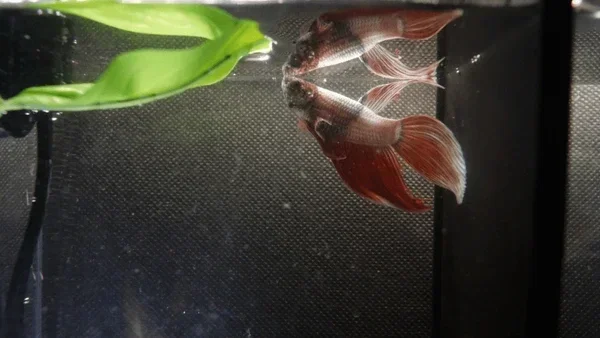
Feeding your male betta fish the right diet is one of the most important things you can do for their health and happiness. Male bettas need a protein-rich diet that includes high-quality pellets, live foods, and occasional vegetables. This guide covers the best foods for male bettas, how often to feed them, common mistakes to avoid, and expert tips to keep your fish thriving.
Owning a male betta fish is a rewarding experience. These colorful creatures are full of personality and can bring life to any aquarium. But one question almost every betta owner asks is: what can i feed my male betta fish? The answer matters more than you might think. A proper diet directly impacts your fish’s color, energy, lifespan, and overall well-being.
Male bettas are carnivorous by nature. In the wild, they eat insects, larvae, and small creatures found near the water’s surface. Captive bettas need a diet that mimics this natural intake as closely as possible. But not all fish food is created equal. Some options are much better than others for keeping your betta healthy and vibrant.
This guide will walk you through the best foods for male bettas, how often to feed them, what to avoid, and tips from experienced aquarists. Whether you are a beginner or have had bettas for years, you will find useful information here. Let us dive right in!
Key Takeaways
- High-quality pellets should be the staple: They provide balanced nutrition and are easy to manage.
- Live and frozen foods are excellent treats: Bloodworms, brine shrimp, and earthworms boost protein intake.
- Feed small amounts 2 times a day: Overfeeding is one of the most common mistakes betta owners make.
- Vegetables like peas can help with digestion: They prevent constipation and keep your betta healthy.
- Avoid bread crumbs, rice, and human food: These offer little nutrition and can harm your fish.
- Variety is key to a healthy diet: Rotating foods keeps your betta interested and well-nourished.
📑 Table of Contents
Best Pellets for Male Betta Fish
High-quality pellets should form the foundation of your male betta’s diet. They are specifically designed to meet the nutritional needs of bettas and are the most convenient option for daily feeding.
Why Pellets Matter
Betta fish pellets are packed with the protein your fish needs. Look for pellets that list fish meal or shrimp as the first ingredient. These contain around 35-45% protein, which is ideal for male bettas. Cheap pellets filled with fillers like corn or wheat can cause digestive problems and offer little nutritional value.
When choosing pellets, consider these factors:
- Protein content: Aim for pellets with at least 35% protein.
- Size: Choose small pellets that are easy for your betta to eat.
- Floating vs. sinking: Most bettas prefer floating pellets since they feed near the surface.
- Brand reputation: Stick with trusted brands known for quality fish food.
How Much to Feed
Feed your male betta 2-3 pellets per meal, twice a day. That is it. Many owners make the mistake of giving too much food at once. Uneaten pellets dissolve in the water and can dirty the tank, leading to poor water quality. Clean water is just as important as good food for your betta’s health.
Live and Frozen Foods for Male Bettas
Live and frozen foods are some of the best treats you can give your male betta. They are rich in protein and closely mimic what bettas eat in the wild. These foods also stimulate natural hunting behavior, which keeps your fish active and engaged.
Can I Feed My Betta Live Fish?
Yes, you can feed your betta live fish, but there are important considerations. Small live fish like guppies or feeder minnows can be offered as an occasional treat. However, live fish can carry diseases and parasites. If you choose to feed live fish, make sure they come from a reputable source. A safer alternative is frozen live fish foods, which are processed to eliminate pathogens while retaining nutritional value.
Many betta owners prefer frozen options because they are safer and just as nutritious. You can find frozen bloodworms, brine shrimp, and daphnia at most pet stores.
Can I Feed My Betta Fish Shrimp?
Absolutely. Shrimp is an excellent food choice for male bettas. You can feed small frozen or freeze-dried shrimp as a protein-rich treat. Shrimp is high in protein and low in fat, making it a healthy addition to your betta’s diet. Just make sure to feed shrimp in moderation, as treats should only make up about 10-20% of the total diet.
Can I Feed My Betta Earthworms?
Earthworms are one of the most natural and nutritious foods you can offer your betta. They are packed with protein and essential nutrients. You can find freeze-dried earthworms at pet stores, or you can collect them from a clean garden. If you collect wild earthworms, rinse them thoroughly and cut them into small pieces before feeding. Your betta will love them!
Vegetables and Plant-Based Foods
You might be surprised to learn that bettas can benefit from plant-based foods too. While they are primarily carnivores, small amounts of vegetables can aid digestion and provide additional nutrients. Vegetables are especially helpful for preventing constipation, which is a common issue in bettas.
Can I Feed My Betta Peas?
Yes, peas are one of the best vegetable options for bettas. Cooked, shelled peas are easy to digest and help relieve constipation. Just make sure to remove the outer skin before feeding. A small piece of pea, offered once or twice a week, can work wonders for your betta’s digestive health.
Can I Feed My Betta Rice?
Rice is not toxic to bettas, but it offers very little nutritional value. Bettas cannot digest rice effectively, and it can expand in their stomach, causing discomfort. It is best to avoid feeding rice to your male betta. There are much better food options available that will actually benefit your fish.
Other Safe Vegetables
Beyond peas, you can occasionally offer your betta small amounts of lettuce or cucumber. These should be blanched first and cut into tiny pieces. Always remove any uneaten vegetables within a few hours to keep the tank water clean.
Foods to Avoid Feeding Your Male Betta
Knowing what not to feed your betta is just as important as knowing what to feed. Some common human foods and fish foods can harm your fish over time.
Bread Crumbs and Human Food
Can you imagine eating bread crumbs as your main meal? Neither can your betta. Bread crumbs expand in water and can cause bloating and digestive blockages. Avoid all human food, including crackers, chips, and processed snacks. These contain additives, salt, and preservatives that are harmful to fish.
Goldfish Flakes
While it might be tempting to use goldfish flakes as a quick option, they are not ideal for bettas. Goldfish flakes are formulated for goldfish nutritional needs, which are very different from bettas. They often lack the protein levels bettas require. If you need a temporary substitute, look for high-quality tropical fish flakes instead.
Overfeeding: The Silent Killer
Overfeeding is the number one mistake betta owners make. Bettas have small stomachs, roughly the size of their eye. Feeding too much leads to obesity, poor water quality, and serious health issues. Uneaten food decays quickly in warm water, releasing ammonia that can poison your fish. Always err on the side of feeding less rather than more.
Feeding Schedule and Best Practices
A consistent feeding schedule helps keep your male betta healthy and stress-free. Here is a simple routine you can follow:
- Morning feeding: Offer 2-3 high-quality pellets. Watch your betta eat them within 2 minutes.
- Evening feeding: Offer another small portion of pellets or a treat like a bloodworm or small piece of shrimp.
- Fasting day: Skip one feeding per week. This helps prevent constipation and keeps the digestive system healthy.
Consistency matters. Try to feed your betta at the same times each day. Bettas thrive on routine, and regular feeding times help reduce stress. A stressed betta is more prone to illness and color loss.
Quick Tips for Better Feeding
- Soak pellets before feeding if they float, to prevent your betta from swallowing air.
- Rotate foods regularly to provide a variety of nutrients.
- Watch for signs of overfeeding: bloating, uneaten food on the tank floor, and cloudy water.
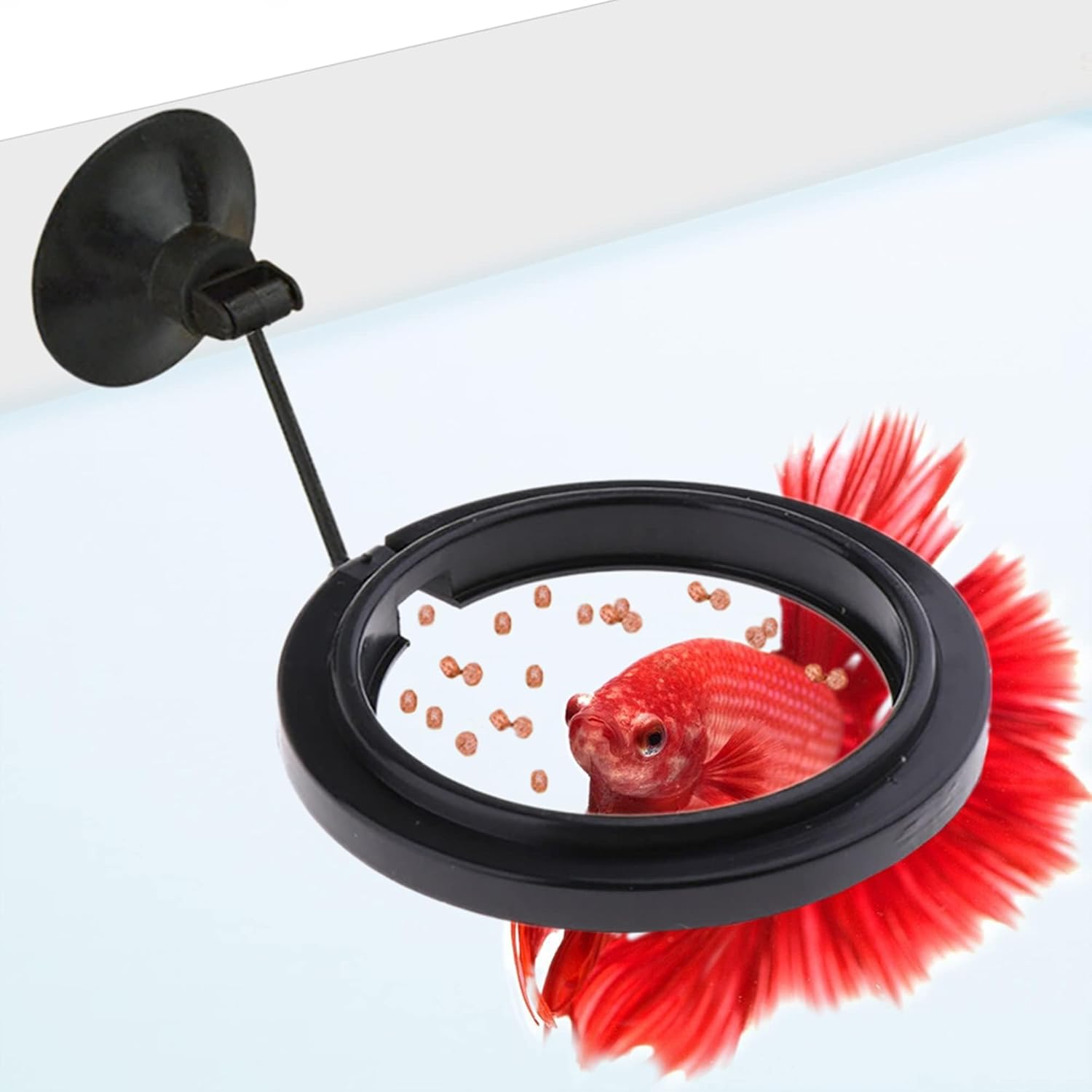
- Use a feeding ring if your betta has trouble finding food in a planted tank.
- Never feed more than your betta can eat in 2 minutes.
Expert Insights on Male Betta Nutrition
Experienced aquarists and veterinarians agree that variety is the secret to a long, healthy betta life. Relying solely on one type of food, even high-quality pellets, can lead to nutritional gaps over time. The best approach combines a quality staple food with occasional live or frozen treats and the rare vegetable offering.
Protein should always be the star of your betta’s diet. In the wild, bettas eat a diet that is almost entirely protein-based. Replicating this in captivity means prioritizing foods like bloodworms, brine shrimp, daphnia, and earthworms alongside your daily pellet routine. These protein-rich foods enhance your betta’s color, boost energy levels, and support healthy growth.
Water quality also plays a huge role in how well your betta absorbs nutrients. Even the best food will not help if the tank water is dirty or unstable. Regular water changes and proper filtration go hand in hand with a good diet. Clean water and nutritious food work together to keep your male betta looking and feeling its best.
If you ever notice your betta refusing food, it could be a sign of stress, illness, or water quality issues. Check your tank parameters first before changing the diet. Sometimes a simple water change is all it takes to restore your betta’s appetite.
Conclusion
Feeding your male betta fish does not have to be complicated. A high-quality pellet diet forms the foundation, while live and frozen foods add variety and extra nutrition. Vegetables like peas support digestive health, and knowing what to avoid keeps your fish safe from common pitfalls. What can i feed my male betta fish? Now you know the answer: a balanced mix of pellets, protein-rich treats, and occasional vegetables, all served in proper amounts on a consistent schedule.
Your male betta depends on you for everything, including meals. By following the tips in this guide, you are giving your fish the best chance at a long, colorful, and healthy life. Start today, and you will see the difference in your betta’s energy, color, and overall happiness. Happy fish keeping!
Frequently Asked Questions
How often should I feed my male betta fish?
Feed your male betta twice a day, once in the morning and once in the evening. Offer a small amount of food that your betta can finish within 2 minutes. Skipping one feeding per week, known as a fasting day, helps keep the digestive system healthy and prevents constipation.
Can I feed my male betta fish flakes instead of pellets?
While betta-specific flakes can work as an alternative, pellets are generally preferred because they hold their shape better and do not break apart as quickly in water. If you use flakes, choose a high-quality tropical fish flake and feed only what your betta can consume in under 2 minutes.
Are freeze-dried foods good for male bettas?
Yes, freeze-dried foods like bloodworms, brine shrimp, and earthworms make excellent treats for male bettas. They are convenient, have a long shelf life, and retain most of their nutritional value. Just be sure to soak them in tank water before feeding to prevent digestive issues caused by dry food expanding in the stomach.
What human foods can I feed my male betta fish?
The only human food that is safe in small amounts is cooked, shelled peas. Peas help with digestion and can relieve constipation. Avoid all other human foods including bread, rice, crackers, and processed snacks, as these offer no nutritional benefit and can harm your fish.
Can male betta fish eat worms?
Yes, worms are an excellent protein source for male bettas. Bloodworms, earthworms, and mealworms are all safe options. You can feed freeze-dried or frozen bloodworms as a regular treat, and fresh earthworms cut into small pieces make a nutritious occasional meal. Always feed worms in moderation as part of a balanced diet.
Why is my male betta fish not eating?
A betta refusing food can signal stress, poor water quality, illness, or simply being picky. First, check your water parameters and temperature to make sure the tank environment is stable. If the water is fine, try offering a different type of food or a favorite treat like a bloodworm. If your betta still refuses food for more than a few days, consider consulting a fish veterinarian.