What Can I Do for a Sick Betta Fish
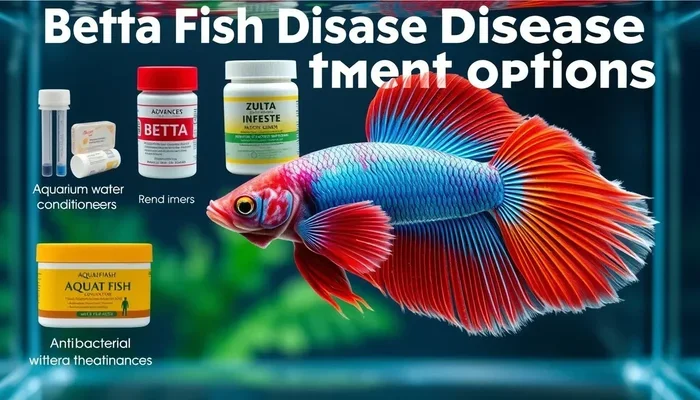
Knowing what to do for a sick betta fish can mean the difference between a full recovery and a tragic loss. This guide walks you through spotting illness, treating common diseases, and creating a healing environment at home. With the right betta fish care approach, most illnesses are treatable if caught early.
Key Takeaways
- Early detection is critical: Catching symptoms like clamped fins, color loss, or lethargy quickly gives your betta the best chance of recovery.
- Water quality comes first: Poor water conditions are the number one cause of betta fish illness. Always test and maintain proper parameters.
- Quarantine is essential: Moving a sick betta to a separate hospital tank helps prevent spreading disease and makes treatment easier.
- Multiple treatment options exist: From aquarium salt to medicated foods and commercial treatments, there are several ways to address common betta fish disease.
- Prevention beats cure: Maintaining a clean habitat, feeding a balanced diet, and keeping stress low will keep your betta fish healthy.
- Know when to escalate: Some conditions require veterinary care or specialized medication that home remedies cannot fix.
📑 Table of Contents
- What Can I Do for a Sick Betta Fish?
- Recognizing a Sick Betta Fish
- Common Illnesses in Betta Fish
- Immediate Steps to Take When Your Betta Fish Is Sick
- Treating a Sick Betta Fish at Home
- Preventing Illness in Your Betta Fish
- When to See a Vet or Consider Other Options
- Frequently Asked Questions About Sick Betta Fish
- Conclusion
What Can I Do for a Sick Betta Fish?
Finding your betta fish looking unwell is one of the most stressful moments for any fish keeper. You notice the colors fading, the fins drooping, or your once-active fish barely moving at the bottom of the tank. Your mind races with questions: What can I do for a sick betta fish? Is it serious? Can I fix it at home?
The good news is that many common betta fish illnesses are entirely treatable when you act fast and follow the right steps. Whether your fish is dealing with a mild infection or something more serious, this comprehensive guide covers everything you need to know about sick betta fish treatment. From recognizing early warning signs to applying effective remedies, we will walk you through every detail.
Let us dive in and give your betta the best fighting chance.
Recognizing a Sick Betta Fish
Before you can treat your betta, you need to know what you are looking for. Betta fish are naturally vibrant and active, so changes in their appearance or behavior are easy to spot. The key is catching these signs early before the condition worsens.
Common Physical Symptoms
Here are the most obvious signs that your betta fish is unwell:
- Clamped fins: Fins held close to the body instead of flowing freely. This is one of the earliest signs of stress or illness.
- Color fading: A healthy betta displays rich, vivid colors. Dull or pale coloring often signals trouble.
- White spots: Small white dots across the body or fins usually indicate ich, a very common parasitic infection.
- Ragged or torn fins: Fin rot causes fins to look chewed up or split. Bacteria are usually the culprit.
- Swollen body: A bloated belly can point to dropsy or constipation, both of which need immediate attention.
- Cloudy eyes: Infected or cloudy eyes often suggest a bacterial infection or poor water quality.
- Velvet coating: A gold or rust-colored dusting on the skin points to velvet disease, another parasitic condition.
Behavioral Changes to Watch For
Sometimes the betta fish symptoms are not physical. Watch for these behavioral red flags:
- Swimming near the surface more than usual, which can signal breathing difficulty.
- Lying on the bottom of the tank and refusing to move.
- Loss of appetite or completely ignoring food.
- Darting around erratically or rubbing against objects.
- Hiding more than normal and showing less interest in their surroundings.
Any single change in behavior is worth paying attention to. Betta fish health depends on consistency, and even small shifts matter. If you combine multiple signs, the situation likely needs action now.
Common Illnesses in Betta Fish
Understanding the specific disease behind your betta’s symptoms helps you choose the right treatment. Here is a breakdown of the most common betta fish disease problems.
Fin Rot
Fin rot is a bacterial infection that attacks the fins and tail. It usually starts with the edges of the fins turning white or translucent. Over time, the fins erode further, and the tissue can become ragged. This infection thrives in dirty water or tanks with sharp decorations that cause injury.
Treatment involves improving water conditions and applying a bacterial medication. In mild cases, clean water alone can reverse the damage. More advanced cases need antibacterial treatment to stop the spread.
Ich (White Spot Disease)
Ich is one of the most recognizable betta fish illnesses. Tiny white spots appear across the body and fins, almost like salt grains. Affected fish scratch against objects and show increased gill movement. Ich is highly contagious and often triggered by temperature changes or stress.
Raising the water temperature gradually and using an anti-parasitic medication works best. Many aquarists also use aquarium salt to speed up recovery. For more on using salt safely, check out our guide on can I use sea salt for my betta fish.
Dropsy
Dropsy is a serious internal condition where the fish retains excess fluid. The body swells up, and scales may stick out like a pinecone. Kidney failure usually causes dropsy, and unfortunately, the survival rate is low once the condition progresses. Early detection and aggressive treatment with antibiotics and Epsom salt baths offer the best chance.
Constipation
Constipation is actually one of the easiest sick betta fish problems to fix. Signs include a swollen belly, lack of appetite, and lethargy. Overeating dry food or feeding the wrong diet usually causes this. Fasting your betta for one to two days and then offering cooked peas (shelled) often clears things up quickly.
Swim Bladder Disorder
If your betta floats on its side or struggles to maintain depth, the swim bladder may be affected. This tiny organ controls buoyancy. Overfeeding, eating too quickly, or low water temperature can trigger it. Fasting and adjusting feeding habits usually resolve the issue within a few days.
Immediate Steps to Take When Your Betta Fish Is Sick
When you first notice your betta is unwell, do not panic. Instead, follow a clear action plan. Acting calmly and methodically gives your fish the best support.
Step 1: Isolate Your Betta Fish
The first thing you should do is move your sick betta to a quarantine or hospital tank. This serves multiple purposes. It stops disease from spreading to other fish, makes treatment easier, and removes environmental stressors that could slow recovery.
A simple five-gallon hospital tank works perfectly. Keep it bare-bottomed for easy cleaning and add a few smooth decorations for comfort. You can learn more about proper tank setup in our article on what all do I need for a betta fish tank.
Step 2: Check and Adjust Water Parameters
Water quality is the foundation of betta fish health. Test the water immediately for ammonia, nitrite, nitrate, and pH levels. Any spike in ammonia or nitrite is dangerous and must be addressed right away.
Here is a quick reference for ideal betta water conditions:
- Temperature: 78-82°F (25-28°C)
- pH: 6.5-7.5
- Ammonia: 0 ppm
- Nitrite: 0 ppm
- Nitrate: Below 20 ppm
If your main tank lacks proper filtration, consider whether adding a gentle filter would help maintain cleaner conditions. Our guide on can I use a filter with my betta fish covers this in detail. Also, maintaining stable temperature is crucial, so check out our article on do I need a heater for betta fish for tips on temperature management.
Step 3: Perform a Partial Water Change
Replace 25-50% of the water in the quarantine tank with fresh, temperature-matched water. This immediately dilutes harmful substances and creates a cleaner healing environment. Always use water conditioner to remove chlorine and chloramine from tap water before adding it to the tank.
Treating a Sick Betta Fish at Home
Once your betta is safely isolated and the water quality is under control, it is time to start treatment. The approach depends entirely on the specific illness.
Medication Options
Several over-the-counter medications target common betta fish infections:
- Antibacterial treatments: These work for fin rot, bacterial infections, and open wounds. Look for products containing malachite green or formaldehyde.
- Anti-parasitic treatments: These target ich, velvet, and other parasites. Praziquantel and methylene blue are effective active ingredients.
- Broad-spectrum medications: Combination treatments cover multiple types of infection simultaneously. These are helpful when the exact cause is unclear.
Always follow the dosage instructions carefully. Overdosing can harm your betta just as much as the disease itself. If you are unsure, start with a half dose and observe how your fish responds before increasing.
Aquarium Salt Treatment
Aquarium salt is a gentle yet effective treatment for many common illnesses. It helps reduce fluid retention, supports the fish’s slime coat, and creates an environment where parasites and bacteria struggle to survive. Adding salt to the quarantine tank is often the first line of defense for mild to moderate cases.
For specific guidance on dosing and safety, our detailed article on can I use sea salt for my betta fish provides excellent step-by-step instructions. Generally, a concentration of 1-3 parts per thousand works well for most treatments. Always dissolve the salt in tank water before adding it to the aquarium, and remember that not all fish tolerate salt, so keep it in a quarantine setup only.
Fasting as Treatment
Fasting is one of the simplest yet most effective home remedies. For conditions like constipation, swim bladder disorder, and mild bloating, stopping food for 24-48 hours gives the digestive system a chance to reset. After the fast, reintroduce food slowly with small portions of high-quality pellets or frozen foods.
Do not fast a severely ill fish for too long. If your betta has lost significant weight or is very weak, offering tiny amounts of easily digestible food is better than a full fast.
Epsom Salt Baths
Epsom salt (magnesium sulfate) differs from aquarium salt and serves a different purpose. It is particularly effective for dropsy and constipation. Dissolve one teaspoon of Epsom salt per gallon of water and let your betta soak for 15-30 minutes. This draws excess fluid from the body and helps relieve bloating. Repeat daily if needed until symptoms improve.
Preventing Illness in Your Betta Fish
Prevention is always better than cure. A healthy betta fish lives a longer, happier life, and most diseases are entirely avoidable with proper care.
Maintain Excellent Water Quality
Clean water is the single most important factor in betta fish care. Perform weekly partial water changes of 25-30%, vacuum the substrate, and always treat new water with conditioner before adding it to the tank. Test water parameters regularly using a liquid test kit rather than strips, as these are more accurate.
Avoid overfeeding, uneaten food decomposes and pollutes the water fast. Feed small amounts once or twice daily and remove any leftover food after a few minutes.
Provide Proper Nutrition
A varied diet keeps your betta strong and supports the immune system. High-quality betta pellets should form the staple diet, supplemented with frozen or live foods like bloodworms, brine shrimp, and daphnia. Feeding the same food every day can lead to nutritional gaps. Rotate proteins and plant-based foods to cover all nutritional needs.
Keep Stress Levels Low
Stress weakens the immune system and makes bettas vulnerable to disease. Avoid sudden changes in lighting, temperature, or tank layout. Provide hiding spots like plants or caves so your betta always has a safe retreat. If you keep tank mates, choose compatible species carefully. Our guide on what can I keep with a betta fish helps you choose safe companions that will not stress your betta out.
Maintain Stable Temperature
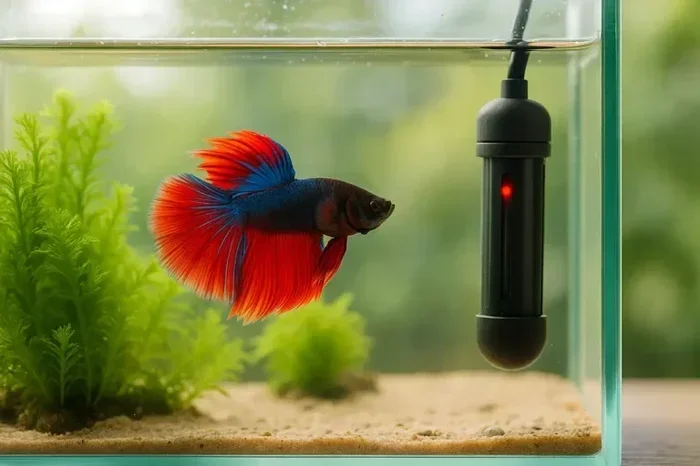
Betta fish are tropical and need warm, consistent water temperatures. Cold water slows their metabolism and makes them more susceptible to infection. A reliable aquarium heater set to 78-80°F keeps conditions optimal. Avoid placing the tank near drafts, air vents, or windows with direct sunlight that cause temperature swings.
When to See a Vet or Consider Other Options
Home treatment works for most common betta fish illnesses, but some situations need professional help. If your betta shows no improvement after five to seven days of treatment, consider consulting a veterinarian who specializes in exotic fish. Some infections require prescription-strength medication that over-the-counter products cannot match.
Also, if your fish has severe dropsy with extensive scale lifting, the prognosis is often poor regardless of treatment. In these cases, focus on keeping the fish comfortable and preventing further suffering. Euthanasia is a difficult but sometimes humane choice when recovery is not realistic. Discuss options with an experienced aquarist or vet before making this decision.
Signs It May Be Too Late
Watch for these indicators that the condition has become critical:
- Complete refusal to eat for more than five days despite offering favorite foods.
- Severe body swelling that does not respond to Epsom salt baths.
- Laying on the side or bottom continuously with no movement.
- Rapid breathing or gasping at the surface despite clean water conditions.
- Open wounds with visible infection spreading across the body.
Recognizing these signs early helps you make informed decisions and avoid prolonged suffering. Every betta fish owner hopes for a full recovery, but honest assessment is part of responsible betta fish care.
Frequently Asked Questions About Sick Betta Fish
Can I use regular aquarium salt for my sick betta fish?
Yes, aquarium salt works well for many common illnesses like ich, fin rot, and mild infections. Use one tablespoon per five gallons of water in a quarantine setup. Always dissolve the salt in tank water first. Avoid using salt if you have live plants in the hospital tank, as salt can damage them over time.
How long does it take for a sick betta fish to recover?
Recovery time depends on the illness and how quickly you started treatment. Mild conditions like constipation may improve within one to two days. Fin rot and ich typically show improvement within three to five days of proper treatment. More serious conditions like dropsy may require ongoing care and may not always result in a full recovery.
Should I turn off the filter when treating a sick betta fish?
You do not need to turn off the filter unless you are using medication that activated carbon would absorb. Carbon filters can remove medicine from the water before it works. If you are treating with medication, consider removing carbon media temporarily. For a hospital tank, a simple air pump provides adequate oxygenation without a full filter.
Can I treat my betta fish while it stays in the main tank?
You can, but treating in a community tank carries risks. Medications may harm sensitive tank mates, and the main filter can remove the treatment. Other fish might also eat medicated food meant for your betta. A quarantine tank gives you full control over the healing environment and prevents complications. If you must treat in the main tank, choose medication safe for all inhabitants and remove carbon filtration during treatment.
What should I feed a sick betta fish?
Offer small amounts of high-quality betta pellets or frozen foods. If your fish refuses pellets, try live or frozen bloodworms and brine shrimp to entice eating. For constipated fish, fasting first then offering shelled cooked peas works well. Do not overfeed, even if your fish seems hungry. Small portions twice daily are better than large meals.
Is it normal for a sick betta fish to hide?
Yes, hiding is a common stress response. A sick betta feels vulnerable and seeks safe spots. Provide plenty of plants and caves so your fish feels secure. However, hiding combined with refusal to eat or extreme lethargy signals that the condition needs immediate attention. Monitor the fish closely and adjust treatment if behavior worsens.
Conclusion
Now you know exactly what to do for a sick betta fish. From spotting the earliest symptoms to applying effective treatments and building a prevention plan, you have the full toolkit. The most important takeaways are simple: act fast, maintain clean water, and provide proper treatment based on the specific illness.
Every betta fish owner will face this challenge at some point. The difference between a fish that recovers and one that does not often comes down to how quickly and confidently you respond. Use this guide as your go-to reference, keep your water quality high, and your betta fish will thank you with vibrant colors and energetic swimming.
Remember, prevention always wins over treatment. A well-maintained tank, a balanced diet, and a stress-free environment keep disease at bay. But when illness does strike, you now have the knowledge to fight it head-on. Your betta fish deserves the best, and you are now fully equipped to give it.