What Can Betta Fish Do
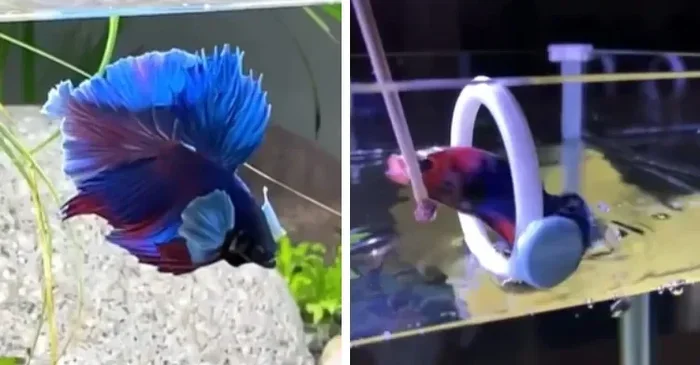
So, what can betta fish do? These colorful little swimmers are smarter than most people think. Betta fish can learn tricks, recognize their owners, and even respond to commands. They have unique personalities, curious behaviors, and surprising abilities that make them fascinating pets. This guide covers everything from betta fish training to daily activities that keep your fish healthy and engaged.
Betta fish are among the most popular pets in the world. Their flowing fins and vibrant colors grab attention instantly. But there is so much more to these fish than just looking pretty. If you have ever wondered what can betta fish do, you are in for a pleasant surprise.
These little creatures are full of personality. They explore, they play, and yes, they can even learn. Understanding betta fish behavior helps you become a better owner. It also makes your fish happier and healthier. In this article, we will dive deep into the amazing things betta fish can do.
Whether you are a new betta owner or have had these fish for years, there is always something new to learn. Let us explore the fascinating world of betta fish abilities together.
Key Takeaways
- Betta fish are intelligent: They can learn tricks, recognize faces, and respond to cues.
- They need mental stimulation: Enrichment activities prevent boredom and promote healthy behavior.
- Proper tank setup matters: A well-decorated tank supports natural behaviors and reduces stress.
- Training is possible: With patience and the right approach, you can teach your betta simple tricks.
- Health affects behavior: A well-fed, comfortable betta fish is more active and interactive.
- Tank mates add social enrichment: Choosing the right companions can boost your betta’s quality of life.
📑 Table of Contents
- Betta Fish Intelligence and Learning Ability
- Daily Activities and Natural Behaviors
- Betta Fish Enrichment and Mental Stimulation
- Betta Fish Health and Behavior Connection
- Creating the Best Environment for Your Betta
- Betta Fish and Tank Mates
- Common Mistakes That Limit Your Betta’s Abilities
- Quick Tips for Boosting Your Betta’s Activity
- Conclusion
Betta Fish Intelligence and Learning Ability
Many people underestimate betta fish. They think these creatures just swim around all day. But the truth is quite different. Betta fish intelligence is surprisingly high for a small aquarium pet.
Studies have shown that bettas can recognize patterns. They remember feeding schedules. Some owners even report that their fish greet them at the glass. This is not just imagination — it is real betta fish behavior.
Bettas have small but functional brains. They process information from their environment constantly. They notice light changes, movement, and sounds. Over time, they form associations between events and outcomes.
Can Betta Fish Learn Tricks?
Yes, absolutely. Betta fish training is a real thing. You can teach your fish to follow your finger, swim through hoops, and even jump for food. The key is patience and consistency.
Start with simple tasks. Use food as a reward. Hold a target stick near the tank and wait for your fish to touch it. Once they do, give them a treat. Repeat this daily. Within a few weeks, most bettas will follow the stick on command.
If you want to go further, check out our guide on what tricks can you teach a betta fish. It has step-by-step instructions for beginners.
How Long Can Betta Fish Remember Things?
Research suggests that bettas can retain memories for several months. This is impressive for a fish with a brain smaller than a pea. They remember where food appears in the tank. They recall safe hiding spots. They even recognize the person who feeds them most often.
This memory plays a big role in their daily activities. It helps them navigate their environment confidently. A well-structured tank with familiar objects supports this natural ability.
Daily Activities and Natural Behaviors
What does a betta fish do all day? More than you might think. These fish have a rich inner life. They explore, rest, hunt, and interact with their surroundings.
Understanding their daily routine helps you provide better care. Let us break down a typical betta day.
Morning: Exploring and Feeding
Bettas are most active in the morning. They swim to the surface when they see their owner. This is a learned behavior that develops over time. They associate your presence with food.
Feeding time is one of the most exciting parts of a betta’s day. If you want to know the best diet for your fish, read our article on what foods can betta fish eat. A varied diet keeps them healthy and energized.
Midday: Rest and Observation
After the morning rush, bettas need rest. They often find a comfortable spot to nap. Some hide behind plants. Others hover near the surface. This rest period is essential for their well-being.
During this time, they are still aware of their surroundings. They watch movement and respond to changes. This passive observation is part of their natural betta fish activities.
Evening: Play and Exploration
As evening approaches, bettas often become active again. They explore the tank, check out decorations, and interact with any tank mates. This is a great time for enrichment activities.
Adding new objects to the tank occasionally keeps things interesting. Bettas are naturally curious creatures. They love investigating new textures and spaces.
Betta Fish Enrichment and Mental Stimulation
Just like any pet, betta fish need mental stimulation. A boring tank can lead to stress and health problems. Enrichment is the key to a happy, active fish.
Betta fish enrichment means creating an environment that encourages natural behaviors. This includes proper decorations, hiding spots, and interactive elements.
Tank Setup for Active Bettas
The way you set up your tank directly affects your fish’s behavior. Bettas need more than just a bare bottom bowl. They thrive in well-planted environments with plenty to explore.
Here are some ideas for an enriching tank setup:
- Live plants: These provide natural hiding spots and grazing areas.
- Caves and shelters: Bettas love having a place to retreat and rest.
- Open swimming space: They need room to explore and exercise.
- Gentle current: Some bettas enjoy swimming against a mild flow.
- Floating objects: Bettas are curious about things near the surface.
For more ideas on creating the perfect home, check out what do betta fish like in their tanks.
Interactive Toys and Activities
You can add interactive elements to your betta’s tank. Small mirrors placed briefly can trigger natural display behaviors. Floating mirrors or ping pong balls can provide entertainment.
Some owners use puzzle feeders. These make the fish work for their food, which stimulates their brain. It mimics the hunting experience they would have in the wild.
Another great option is target training. Using a small stick or your finger, you can guide your betta around the tank. This is both stimulating and fun to watch.
Betta Fish Health and Behavior Connection
A healthy betta fish is an active betta fish. Behavior changes often signal health issues. Learning to read these signs helps you catch problems early.
When a betta is feeling good, they swim actively. They explore the tank. They eat eagerly. They respond to their owner. Any sudden change in these patterns deserves attention.
Signs of a Happy, Healthy Betta
- Bright, vivid colors: Healthy bettas display rich, vibrant hues.
- Active swimming: They move confidently around the tank.
- Good appetite: They eat eagerly at feeding time.
- Curious exploration: They investigate new objects and areas.
- Responsive to owner: They recognize and react to their caregiver.
Signs That Something Is Wrong
Watch for these warning signs:
- Lethargy: Staying in one spot for long periods.
- Loss of appetite: Refusing food for more than a day or two.
- Clamped fins: Fins held close to the body instead of spread out.
- Hiding constantly: Avoiding open areas and staying in corners.
- Faded colors: Dulling of their natural coloration.
If you notice any of these signs, check your water parameters. Temperature plays a huge role in betta health. Learn more about what water temperature do betta fish like to keep your fish comfortable.
Creating the Best Environment for Your Betta
The environment you provide shapes everything about your betta’s life. From their mood to their activity level, tank conditions matter enormously.
Ideal Tank Size
Many people keep bettas in tiny bowls. This is a common mistake. Bettas need space to thrive. A minimum of 5 gallons is recommended. Larger tanks are even better.
If you are unsure about tank sizing, our article on what size tanks do betta fish need covers this in detail.
Water Quality and Maintenance
Clean water is essential for betta health. Regular water changes prevent toxin buildup. Test your water parameters weekly. Keep pH levels stable. A well-maintained tank supports natural behaviors and reduces stress.
Temperature and Lighting
Bettas are tropical fish. They need warm, stable water temperatures. A heater is essential for most setups. Lighting should mimic a natural day-night cycle. This helps regulate their activity patterns and supports their circadian rhythm.
Betta Fish and Tank Mates
Can betta fish live with other fish? The answer is yes, but with careful planning. Choosing the right tank mates can enrich your betta’s life significantly.
Peaceful, small fish that occupy different areas of the tank work best. Avoid fin-nipping species. Also, avoid fish that are too bright or flashy, as bettas may see them as competitors.
If you are considering adding companions, check out our guide on what types of fish can live with a betta for detailed recommendations.
The right tank mates provide social stimulation. They create a more dynamic and interesting environment. Your betta will have more to observe and interact with throughout the day.
Common Mistakes That Limit Your Betta’s Abilities
Many betta owners unknowingly limit their fish’s potential. Small mistakes in care can reduce activity levels and shorten lifespans. Here are the most common errors to avoid.
- Keeping bettas in too-small tanks: This restricts movement and causes stress.
- Ignoring water quality: Poor water leads to illness and lethargy.
- Overfeeding: This causes health problems and reduces activity.
- Skipping enrichment: A bare tank leads to boredom and depression.
- Not providing hiding spots: Bettas need safe spaces to retreat.
- Keeping the tank in a noisy area: Constant vibrations stress fish out.
Avoiding these mistakes sets your betta up for a long, happy life. A well-cared-for fish will display its full range of natural behaviors and abilities.
Quick Tips for Boosting Your Betta’s Activity
- Spend a few minutes each day interacting with your betta near the glass.
- Introduce new tank decorations occasionally to spark curiosity.
- Use puzzle feeders to encourage natural hunting behavior.
- Maintain a consistent feeding schedule so your fish feels secure.
- Keep the water temperature between 76 and 82 degrees Fahrenheit.
- Add live plants for natural exploration opportunities.
- Place the tank in a quiet area with indirect natural light.
Conclusion
So, what can betta fish do? The answer is a lot more than most people realize. These fish are intelligent, curious, and capable of learning. They respond to their owners, explore their environment, and enjoy mental stimulation.
By understanding betta fish behavior and providing the right environment, you unlock their full potential. A well-setup tank with proper enrichment transforms a passive fish into an active, engaging pet.
Remember that every betta has its own personality. Some are bold and adventurous. Others are shy and cautious. Either way, they deserve a home that supports their natural abilities. Invest in their environment, feed them well, and spend time interacting with them. You will be amazed at what your betta fish can do.
Start small with training. Observe their daily routines. Make adjustments based on their behavior. The more you learn about your fish, the more rewarding the experience becomes. Your betta has a lot to offer — you just need to give them the chance to show you.
Frequently Asked Questions
How smart are betta fish compared to other pets?
Betta fish are surprisingly intelligent for their size. They can learn tricks, recognize their owners, and remember routines for months. While they are not as smart as dogs or cats, they are far more capable than most people give them credit for.
Can betta fish recognize their owner?
Yes, many betta owners report that their fish recognize them. Bettas learn to associate a specific person with feeding time and attention. They may swim to the front of the tank or follow your hand when you approach.
What is the best way to train a betta fish?
The best training method uses positive reinforcement with food rewards. Start with simple tasks like following your finger. Be consistent, keep sessions short, and never force your fish. Patience is the most important tool in betta fish training.
Do betta fish get bored in their tanks?
Yes, bettas can get bored without proper enrichment. A bare tank with no stimulation leads to lethargy and stress. Adding plants, decorations, and interactive activities keeps them mentally engaged and active.
How can I tell if my betta fish is happy?
A happy betta displays bright colors, swims actively, eats eagerly, and explores the tank. They may also build bubble nests, which is a sign of a comfortable, secure environment. Any sudden behavior change could signal a problem.
What activities can I do with my betta fish?
You can try target training, puzzle feeders, and floating toys. Some owners use mirrors briefly to trigger natural display behaviors. You can also simply sit near the tank and watch your fish explore. For more structured activities, read our guide on what tricks can you teach a betta fish.