What Bugs Do Betta Fish Eat
Betta fish love bugs — they are natural insect hunters in the wild. The best bugs for bettas include bloodworms, brine shrimp, daphnia, and mosquito larvae. You can feed these live, frozen, or dried options at home. Offering a variety of bugs ensures your betta gets the protein and nutrients they need to thrive and stay vibrant.
Betta fish are beautiful, colorful creatures that bring life to any aquarium. But did you know that these little fish are natural hunters? In the wild, bettas spend a lot of time catching bugs that land on the water surface. Understanding what bugs do betta fish eat helps you provide a more natural and nutritious diet at home. This guide covers everything you need to know about feeding bugs to your betta.
In their natural habitat, bettas live in warm, shallow waters across Southeast Asia. They hunt insects, larvae, and small invertebrates that fall onto the water. This diet gives them the protein they need to stay healthy and colorful. Replicating this diet in captivity is one of the best things you can do for your fish. Let us explore the best bug options and how to feed them safely.
Key Takeaways
- Betta fish are natural insect eaters: In the wild, they hunt bugs that fall on the water surface.
- Bloodworms, brine shrimp, and daphnia are the top bug-based foods for bettas.
- Live, frozen, and dried bugs all work well — each has its own benefits.
- Feed bugs 2-3 times a week as a supplement to their regular diet.
- Avoid wild-caught bugs from polluted areas to keep your fish safe.
- Overfeeding bugs can cause health issues, so stick to small portions.
📑 Table of Contents
Why Bugs Are Essential for Betta Fish
Bugs are not just a tasty treat for bettas. They are a vital part of their natural diet. Wild bettas eat insects and insect larvae every single day. This protein-rich diet keeps their colors bright and their bodies strong. In captivity, many fish owners rely only on flakes or pellets. While these are convenient, they do not fully replicate what bettas eat in nature.
Adding bugs to your betta’s diet offers several key benefits. Bugs are packed with protein, which bettas need to grow and stay active. They also contain healthy fats and amino acids. Feeding bugs regularly can improve your fish’s immune system and digestion. It also encourages natural hunting behavior, which keeps your betta mentally stimulated and happy.
The Nutritional Value of Bugs
Most bugs are high in protein and low in fillers. Bettas are carnivores, so their bodies are built to process animal-based proteins. Bugs provide essential nutrients that plant-based foods simply cannot match. Here is a quick look at why bugs matter:
- Protein: Bugs are rich in protein, which supports muscle growth and energy.
- Amino Acids: These building blocks help repair tissues and promote vibrant color.
- Healthy Fats: Fats from bugs support brain function and a healthy coat.
- Natural Enzymes: Live bugs contain enzymes that aid digestion.
If you want your betta to thrive, offering bug-based foods should be part of your regular routine. It is one of the simplest ways to improve your fish’s overall well-being.
The Best Bugs Betta Fish Eat
Not all bugs are created equal when it comes to feeding bettas. Some are easy to find, while others need to be purchased from a pet store. Here are the top bugs that betta fish love to eat. Each one offers unique benefits and is safe for your fish.
Bloodworms
Bloodworms are one of the most popular foods for bettas. They are the larvae of midge flies and are packed with protein. Bettas go crazy for them. You can buy bloodworms live, frozen, or freeze-dried. Frozen and live bloodworms offer the best nutrition, while dried ones are a convenient option.
Feed bloodworms as a treat, not a staple. A few worms 2-3 times a week is plenty. Overfeeding can cause constipation and bloating. Always rinse frozen bloodworms before adding them to the tank.
Brine Shrimp
Brine shrimp are tiny crustaceans that bettas absolutely love. They are loaded with protein and are easy to digest. You can feed brine shrimp live, frozen, or even hatch your own at home. Hatching your own is a fun and cost-effective option.
Brine shrimp are also great for bettas that are recovering from illness. Their soft texture makes them easy to eat, and they boost energy levels. Many betta owners keep a culture of brine shrimp on hand for regular feeding.
Daphnia
Daphnia are tiny freshwater crustaceans, often called water fleas. They are an excellent food source for bettas. Daphnia are rich in fiber, which helps with digestion. They are also low in fat, making them a healthy regular treat.
You can buy daphnia live or frozen. Some owners even collect them from clean ponds. Daphnia are especially helpful for bettas that suffer from constipation. Feeding a few daphnia can get things moving again naturally.
Mosquito Larvae
Mosquito larvae are a natural food source for wild bettas. They live in shallow water and are a perfect size for bettas to eat. Many betta owners collect mosquito larvae from standing water during the warmer months.
However, you must be careful where you collect them. Avoid water from polluted areas or places where pesticides are used. If you are unsure, it is safer to buy mosquito larvae from a reputable pet store.
Fruit Flies and Small Insects
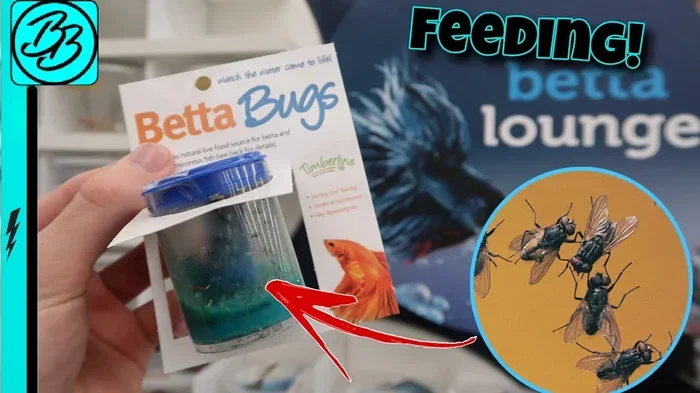
Fruit flies are another great bug for bettas. They are small, easy to catch, and bettas love chasing them. You can purchase live fruit flies online or at pet stores. Some owners even culture their own fruit flies at home using simple setups.
Other small insects like crickets and gnats can also be offered. Just make sure they are small enough for your betta to eat comfortably. Never feed insects that have been exposed to chemicals or pesticides.
Live vs. Frozen vs. Dried Bugs
When it comes to feeding bugs, you have three main options. Each has its own advantages and disadvantages. Understanding these differences helps you make the best choice for your betta.
Live bugs are the most natural option. They trigger your betta’s hunting instincts and provide the highest nutritional value. The downside is that they can carry parasites or bacteria if not sourced properly. Frozen bugs are a great middle ground. They are convenient, retain most nutrients, and are safer than live food. Dried bugs are the most shelf-stable option. They are easy to store and feed, but they lose some nutritional value during the drying process.
| Type | Nutrition | Convenience | Safety |
|---|---|---|---|
| Live Bugs | Highest | Low | Moderate |
| Frozen Bugs | High | High | High |
| Dried Bugs | Moderate | Very High | Very High |
For the best results, mix up the types you offer. A combination of frozen and live bugs gives your betta variety and balanced nutrition. Always buy from reputable sources to reduce the risk of contamination.
How to Safely Feed Bugs to Your Betta
Feeding bugs to your betta is simple, but there are a few important rules to follow. These tips help keep your fish healthy and safe.
Start Small and Observe
If you are new to feeding bugs, start with small amounts. Offer just one or two bugs at a time and watch your betta eat. This helps you see if your fish likes the food and if it digests it well. Some bettas may be hesitant at first, but most will catch on quickly.
Feed in Moderation
Bugs should be a supplement, not the main part of your betta’s diet. A good rule is to offer bugs 2-3 times per week. On other days, stick to high-quality betta pellets or flakes. Overfeeding bugs can lead to obesity and digestive issues. Always remove uneaten bugs after a few minutes to keep the water clean.
Source Bugs Safely
Where you get your bugs matters a lot. Wild-caught bugs from polluted areas can contain harmful chemicals and parasites. Always collect from clean, safe sources or buy from trusted pet stores. If you are unsure, frozen and freeze-dried options are the safest choice.
Prepare Bugs Properly
Before feeding, rinse frozen bugs with tank water to remove excess ice. If you are feeding live bugs, make sure they are active and healthy. Dead or dying bugs can pollute the water and make your betta sick. Proper preparation keeps both your fish and your tank healthy.
Common Mistakes When Feeding Bugs to Bettas
Even experienced fish owners make mistakes when feeding bugs. Here are some common errors to avoid:
Feeding too many bugs at once. Bettas have small stomachs. A few bugs are enough per feeding. Overfeeding leads to bloating, constipation, and poor water quality.
Using bugs from unknown sources. Bugs caught near roads or farms may carry pesticides. Always source from clean environments or buy from reputable suppliers.
Relying only on bugs for nutrition. Bugs are treats and supplements. Your betta still needs a balanced diet of pellets or flakes for complete nutrition. Think of bugs as a healthy addition, not a replacement.
Skipping variety. Feeding the same bug every time can lead to nutritional gaps. Rotate between bloodworms, brine shrimp, daphnia, and other options to keep your betta healthy and engaged.
What Do Wild Bettas Eat?
In the wild, bettas eat a wide variety of insects and small creatures. They are opportunistic feeders, meaning they eat whatever they can catch. Wild bettas hunt at the water surface, where bugs and insects often land or fall into the water.
Their diet includes mosquito larvae, small beetles, ants, flies, and other tiny insects. They also eat small crustaceans like daphnia and brine shrimp when available. Understanding the wild betta diet helps you choose the best foods for your pet fish. The closer you can get to their natural diet, the happier and healthier your betta will be.
If you want to learn more about what bettas eat in their natural environment, check out our guide on what do betta fish eat in the wild. It is a great resource for understanding the full picture of betta nutrition.
How Bug-Based Foods Support Betta Health
Bug-based foods do more than just satisfy your betta’s hunger. They play a real role in keeping your fish healthy. The high protein content supports growth, vibrant color, and strong immune function. Bugs also provide mental stimulation because bettas love to hunt them.
Fish that eat a varied diet tend to be more active and display better colors. They are also less prone to stress and illness. Adding bugs to your feeding routine is an easy way to boost your betta’s quality of life. Even small changes in diet can make a big difference in how your fish looks and behaves.
If you are wondering how to keep your betta interested during feeding time, offering live or moving bugs is the answer. The movement triggers their natural hunting instincts. Watch your betta stalk and pounce on its food — it is one of the most rewarding things about keeping these fish.
For more tips on feeding your betta a healthy and complete diet, you might also enjoy our article on what do betta fish eat. It covers a wide range of food options to help you build the perfect meal plan for your fish.
Frequently Asked Questions
Can betta fish eat bugs from my garden?
Yes, but with caution. Only use bugs from areas where no pesticides or chemicals are used. Garden bugs can carry parasites, so it is safer to buy from pet stores or raise your own. Always wash bugs before feeding them to your betta.
How often should I feed bugs to my betta fish?
Feed bugs 2-3 times per week as a supplement. Do not replace their main diet of pellets or flakes with bugs alone. A balanced approach keeps your betta healthy and prevents overfeeding issues.
Are freeze-dried bugs good for bettas?
Freeze-dried bugs are a convenient and safe option. They have a long shelf life and are easy to store. However, they lose some nutrients during the drying process. Soaking them in tank water before feeding helps restore some moisture and makes them easier to digest.
Can betta fish eat mosquito larvae from standing water?
Yes, mosquito larvae are a natural and excellent food for bettas. Just make sure the standing water is clean and free from chemicals. If you are unsure about the source, purchase larvae from a reputable pet store instead.
What is the easiest bug to feed a betta fish?
Bloodworms are the easiest and most widely available bug food for bettas. You can buy them frozen or freeze-dried at almost any pet store. They are simple to prepare and bettas absolutely love them.
Do betta fish need bugs in their diet?
While not strictly required, bugs are highly beneficial for bettas. They provide protein and nutrients that regular flakes and pellets may lack. Adding bugs to your betta’s diet improves their health, color, and overall quality of life.
For more detailed guidance on feeding your betta, you may find our article on do betta fish eat live food helpful. It dives deeper into the world of live feeding options for bettas.