What Betta Food Fish Eat
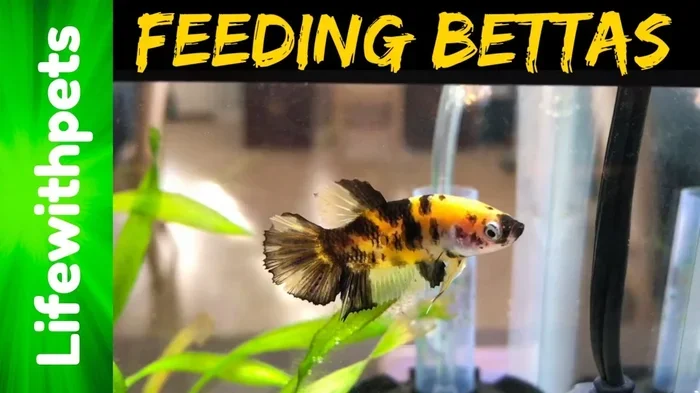
What do betta fish eat? These vibrant little creatures need a protein-rich diet that mimics their natural eating habits. In this guide, you will learn about the best betta food types, feeding schedules, and common mistakes to avoid. Whether you are a new betta owner or looking to improve your fish’s diet, this guide has everything you need.
If you have a betta fish, you probably wonder what do betta fish eat every day. Feeding your betta the right food is one of the most important parts of keeping them healthy and happy. These beautiful fish are native to the warm, shallow waters of Southeast Asia, and their diet in the wild is very different from what most people assume.
Many new fish owners make the mistake of just tossing in generic flakes or overfeeding their betta. That can lead to serious health issues like bloating, constipation, and even a shorter lifespan. Understanding your betta’s nutritional needs is the first step toward being a great fish parent.
This guide covers everything you need to know about betta fish diet and betta food types. You will learn which foods are best, how often to feed, and the common mistakes to avoid. By the end, you will feel confident about choosing the right best food for betta fish options for your colorful companion.
Key Takeaways
- Betta fish need a protein-rich diet that includes pellets, live food, and frozen options.
- Feeding frequency matters — feed small amounts 1 to 2 times daily.
- Avoid overfeeding as it can cause serious health problems.
- Not all human food is safe — know which foods to avoid.
- A varied diet keeps bettas healthy and colorful.
- Watch for signs of poor nutrition like lethargy or loss of color.
📑 Table of Contents
What Do Betta Fish Eat?
Betta fish are natural carnivores. In the wild, they eat insects, larvae, and small crustaceans. Their betta fish digestive system is designed to process protein-rich foods. This is why choosing the right diet is so important for their overall betta fish health and longevity.
Natural Diet in the Wild
In their natural habitat, bettas live in rice paddies, floodplains, and slow-moving streams. They are opportunistic feeders, which means they eat whatever they can find. Their betta fish favorite food in the wild includes mosquito larvae, bloodworms, daphnia, and small insect larvae. These foods are naturally high in protein and low in fillers.
Understanding this wild diet helps you choose better betta fish nutrition options at home. The closer you can mimic their natural diet, the healthier and more vibrant your betta will be.
Why a Proper Diet Matters
A proper betta fish diet affects everything from color to behavior. A well-fed betta will display bright, vivid colors and have a strong appetite. On the other hand, a poorly fed betta may become dull, lethargic, and prone to illness. Betta fish care starts with nutrition, and getting this right makes a huge difference.
Good nutrition also supports your betta’s immune system. A strong immune system helps your fish fight off common diseases like fin rot and ich. So feeding the right protein-rich food is not just about hunger — it is about overall wellness.
Best Foods for Betta Fish
There are many betta food types available, and not all of them are equal. Let us break down the best options so you can make informed choices for your fish.
High-Quality Pellets
Betta fish pellets are often considered the staple of a captive betta diet. High-quality pellets are specially formulated to meet the nutritional needs of bettas. Look for pellets that list fish meal or shrimp as the first ingredient. These should be high in protein and low in fillers like wheat or corn.
Pellets also have the advantage of sinking slowly, which is perfect for bettas since they are surface feeders. This means your fish can eat at its own pace without the food dissolving too quickly.
Flakes and Their Limitations
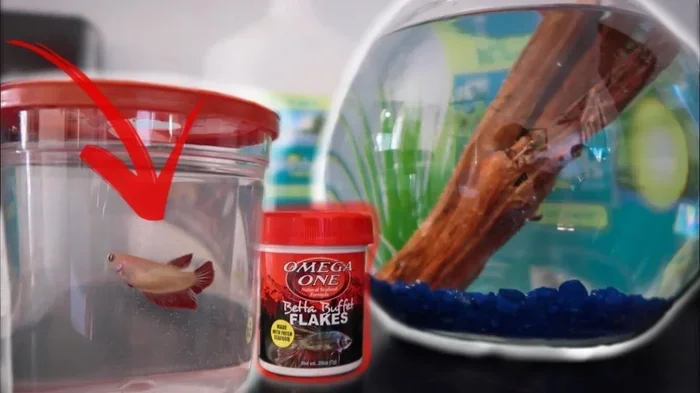
Many people start with betta fish flakes because they are cheap and widely available. However, flakes often lack the protein content bettas need. They also dissolve quickly in water, which can dirty your tank faster. If you use flakes, look for ones specifically formulated for bettas and only feed small amounts.
Flakes should not be the primary food source. Think of them as an occasional supplement rather than a main meal. For the best results, pair flakes with other betta food types like pellets or frozen foods.
Live Foods for Betta Fish
Live foods are excellent for bettas because they closely mimic what fish eat in the wild. If you want to explore this option, check out our guide on live food for betta fish to learn more about safe options. Common live foods include brine shrimp, daphnia, and bloodworms.
Live foods are highly nutritious and can really boost your betta’s appetite and energy. They also provide mental stimulation since your fish has to hunt for them. This is great for betta fish care because it keeps your fish engaged and active.
Frozen and Freeze-Dried Options
If live food is not convenient, frozen and freeze-dried foods are excellent alternatives. You can learn more about frozen food for betta fish in our detailed guide. These foods retain most of their nutrients and are easy to store.
Freeze-dried foods like bloodworms and brine shrimp make great betta fish treats. Just make sure to soak them in tank water before feeding. This prevents them from expanding in your fish’s stomach, which can cause bloating.
Here is a quick comparison of the main betta food types:
| Food Type | Nutritional Value | Convenience | Cost | Best For |
|---|---|---|---|---|
| High-Quality Pellets | High protein, balanced | Very convenient | Moderate | Daily staple |
| Flakes | Moderate, often low protein | Very convenient | Low | Occasional supplement |
| Live Foods | Very high, natural | Low (needs sourcing) | Moderate to high | Nutritional boost |
| Frozen Foods | High, well-preserved | High (long shelf life) | Moderate | Regular or treat feeding |
| Freeze-Dried Foods | Good, but needs soaking | Very high | Low to moderate | Occasional treats |
Quick Tips: Choosing the Right Food
- Always check the ingredient list. The first ingredient should be a protein source like fish meal or shrimp.
- Avoid foods with lots of fillers like corn, wheat, or soy.
- Rotate between pellets, frozen foods, and live foods for a varied diet.
- Soak freeze-dried foods before feeding to prevent digestive issues.
- Choose pellets over flakes as the main staple of your betta’s betta fish diet.
Can Betta Fish Eat Human Food?
Many fish owners ask whether they can share their meals with their betta. The answer is yes, but with important caveats. Some human foods are safe and even beneficial, while others can be harmful. If you are curious about this topic, our article on human food for bettas covers this in detail.
Safe Human Foods for Betta Fish
Certain human foods can be a healthy addition to your betta’s betta fish diet. Here are some safe options:
- Boiled peas — Remove the shell and mash them. Peas are great for digestion and can help prevent constipation.
- Cooked spinach — Rich in vitamins and minerals. Blanch it and cut into small pieces.
- Egg yolk — A tiny bit of boiled egg yolk can be a nutritious treat. Use sparingly to avoid dirtying the water.
- Cooked chicken — Plain, unseasoned chicken in very small amounts can work as an occasional protein source.
These foods should only be given as treats, not as a replacement for your betta’s regular betta food types. Think of them as supplements to a balanced diet.
Foods to Avoid
Not all human foods are safe for bettas. Here are foods you should never feed your fish:
- Bread and crackers — These contain fillers and yeast that can cause bloating and digestive problems.
- Raw meat — It can introduce harmful bacteria into your tank.
- Salty or seasoned foods — Bettas need plain, unseasoned food. Salt and spices can harm their betta fish health.
- Processed foods — Anything with preservatives, artificial flavors, or colors should be avoided.
Sticking to safe, simple foods will keep your betta healthy and your tank water clean. When in doubt, always choose foods made specifically for fish.
Feeding Schedule and Portions
Knowing what do betta fish eat is only half the battle. You also need to know how often and how much to feed them. A proper betta feeding schedule is essential for preventing overfeeding and maintaining good water quality.
How Often to Feed
The ideal betta feeding schedule is 1 to 2 times per day. Each feeding should be small and controlled. Most experts recommend feeding your betta in the morning and again in the evening, but with at least 8 to 12 hours between meals.
Some experienced fish keepers also practice a fasting day once a week. This means no food for 24 hours. Fasting helps your betta’s digestive system clear out any built-up waste. It can prevent constipation and bloating, which are common problems in captive bettas.
How Much to Feed
A good rule of thumb is to feed only what your betta can consume in 2 to 3 minutes. Overfeeding is one of the most common mistakes new fish owners make. Excess food sinks to the bottom, decomposes, and pollutes the water. This can lead to ammonia spikes and poor water quality.
Watch your betta’s appetite carefully. If your fish spits out food or seems uninterested, it may be full or not feeling well. Adjust the amount accordingly and do not force-feed your betta.
Expert Insights on Feeding
Many experts recommend soaking pellet food for a few minutes before feeding. This helps the pellets soften and prevents them from expanding inside your betta’s stomach. It is a small step that can make a big difference for your fish’s digestive health.
Common Feeding Mistakes
Even experienced fish owners can make mistakes when it comes to feeding their bettas. Here are the most common errors and how to avoid them.
Overfeeding Your Betta
Overfeeding is the number one mistake people make. Bettas have small stomachs, and they do not need large amounts of food. Excess food not only goes to waste but also degrades water quality fast. Uneaten food releases ammonia and nitrites, which are toxic to your fish.
Signs of overfeeding include a bloated belly, lethargy, and cloudy water. If you notice these signs, reduce the amount of food immediately and consider a fasting day. Your betta’s fish health depends on getting this right.
Ignoring Nutritional Needs
Another common mistake is feeding your betta the same food every day. While high-quality pellets are great as a staple, your betta also needs variety. A protein-rich diet that includes different food sources keeps your fish healthy and colorful.
Ignoring nutritional variety can lead to deficiencies over time. Your betta may become dull in color, lose its appetite, or become more susceptible to disease. Rotate between pellets, frozen foods, and occasional treats to keep things interesting and nutritious.
Quick Common Mistakes Recap
- Feeding too much food at once
- Using low-quality flakes as the main diet
- Skipping fasting days
- Feeding human foods that are unsafe
- Not soaking freeze-dried foods before feeding
- Ignoring changes in your betta’s appetite or behavior
Final Thoughts on Betta Nutrition
Feeding your betta the right food is one of the simplest yet most impactful things you can do as a fish owner. Understanding what do betta fish eat sets the foundation for a long, healthy, and vibrant life for your companion. From high-quality pellets to occasional live foods and safe human treats, a varied and balanced betta fish diet is the key to success.
Remember to feed in small amounts, stick to a consistent betta feeding schedule, and avoid the common pitfalls of overfeeding and poor nutrition. Your betta depends on you for its well-being, and getting the diet right is one of the best ways to show your care.
Take what you have learned here and put it into practice today. Your betta will thank you with bright colors, energetic swimming, and a strong, healthy appetite. A well-fed betta is a happy betta, and that is what every fish owner wants.
Frequently Asked Questions
Can betta fish eat tropical fish food?
Yes, but only if the tropical fish food is high in protein and specifically formulated for carnivorous fish. Many tropical flakes are too low in protein for bettas. Always check the ingredient list and choose foods where fish meal or shrimp is the first ingredient. For more details, you can read about tropical fish food compatibility with bettas.
How often should I feed my betta fish?
The ideal betta feeding schedule is once or twice a day, with small amounts each time. Feed only what your betta can eat in 2 to 3 minutes. Many experts also recommend one fasting day per week to help with digestion and prevent bloating.
Can betta fish eat frozen food?
Yes, frozen foods like bloodworms, brine shrimp, and daphnia are excellent for bettas. They are nutrient-rich and easy to store. Just make sure to thaw the food in tank water before feeding. You can learn more about frozen food options in our detailed guide.
What is the best food for betta fish?
The best food for betta fish is a high-quality pellet that is high in protein and low in fillers. Pellets should be the staple of your betta’s diet, supplemented with frozen or live foods and occasional safe human treats. Variety is key to keeping your betta healthy and colorful.
Can betta fish eat human food?
Some human foods are safe for bettas, including boiled peas, cooked spinach, and plain egg yolk. However, you should avoid bread, processed foods, and anything salty or seasoned. Human food should only be given as an occasional treat, not as a replacement for a proper betta fish diet.
Why is my betta fish not eating?
A betta that refuses food may be stressed, sick, or simply not hungry. Check your water parameters first, as poor water quality can kill appetite. If the water is clean and your fish still won’t eat, consider offering a different food type. Live foods often stimulate appetite in picky eaters.
=== CONCLUSION ===
Understanding what do betta fish eat is essential for any betta owner. A protein-rich diet built around quality pellets, supplemented with live or frozen foods and safe treats, will keep your betta thriving. Avoid common mistakes like overfeeding and monotonous diets, and always pay attention to your fish’s behavior and appetite.
With the right betta food types and a consistent feeding schedule, your betta can live a long, vibrant, and healthy life. Start making small improvements to your feeding routine today, and you will see the difference in your fish’s energy, color, and overall well-being.