What All Do You Need to Have a Betta Fish
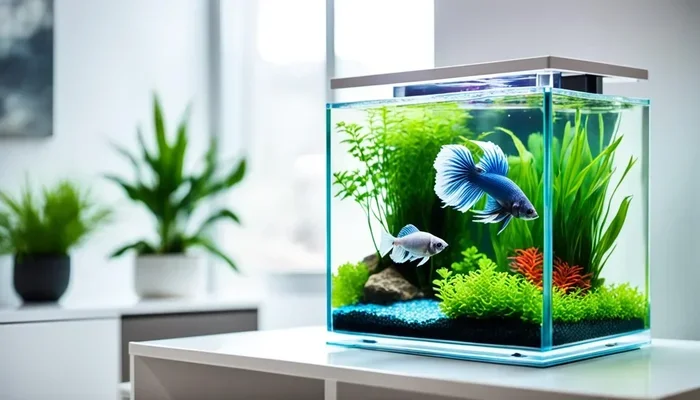
Getting a betta fish is exciting, but you need the right setup to keep your new pet healthy and happy. This guide covers everything from tank size and filtration to food, water treatment, and heating. You will learn exactly what all do you need to have a betta fish and avoid common beginner mistakes.
Thinking about bringing home a betta fish? That is exciting. Betta fish are colorful, lively, and full of personality. But before you run out and grab a little bowl from the pet store, there is a lot you need to know. What all do you need to have a betta fish goes far beyond just dropping a fish into a container of water.
A proper setup makes the difference between a betta that thrives and one that struggles. Many beginners learn this the hard way. They buy a tiny bowl, skip the heater, and wonder why their fish gets sick within weeks. This guide walks you through every single item and step you need. By the end, you will feel confident and ready to create a great home for your new betta.
Let us start with the most important piece of the puzzle: the tank itself.
Key Takeaways
- Minimum tank size matters: A 5-gallon tank is the smallest recommended size for a single betta fish to thrive.
- Filtration and heating are essential: A gentle filter and a reliable heater keep water clean and at the right temperature.
- Water quality is critical: Using water conditioner and performing regular water changes prevents harmful toxins from building up.
- Proper nutrition keeps bettas healthy: High-quality pellets and occasional treats support long-term betta fish health.
- Decorations and plants make a difference: Live or silk plants and hiding spots reduce stress and mimic a natural habitat.
- Setup before the fish arrives: Having everything ready prevents stress and gives your betta a smooth transition into its new home.
📑 Table of Contents
- Choosing the Right Tank for Your Betta Fish
- Essential Equipment for a Betta Fish Setup
- Water Treatment and Maintenance Supplies
- Food and Nutrition for Your Betta Fish
- Decorations, Plants, and Tank Setup
- Optional but Helpful Additions
- Common Mistakes to Avoid When Setting Up a Betta Tank
- Final Thoughts on What You Need for a Betta Fish
Choosing the Right Tank for Your Betta Fish
The tank is the foundation of your betta fish habitat. Getting this right sets everything else up for success. Many people still believe bettas can live in tiny cups or bowls. That is a myth. Bettas need space to swim and explore.
Minimum Tank Size for Betta Fish
A 5-gallon tank is the absolute minimum for a single betta fish. A 10-gallon tank is even better if you have room. Larger tanks are more stable. They keep water parameters steady and give your fish room to move around. When you are deciding what all do you need to have a betta fish, the tank should always come first.
Small tanks under 5 gallons are harder to maintain. Temperature swings happen fast. Waste builds up quickly. A 5-gallon tank gives you a manageable size that is still comfortable for your betta. If you want more details on sizing, check out What Size Tank Do I Need for a Betta Fish.
Tank Shape and Material
Betta fish prefer longer tanks over tall ones. They swim horizontally and need surface access. A standard rectangular shape works best. Glass tanks are durable and scratch-resistant. Acrylic tanks are lighter and insulate heat slightly better. Either material works fine for bettas.
Avoid tall, narrow tanks. Bettas are labyrinth fish, which means they breathe air from the surface. A tall tank makes it harder for them to reach the top easily. Keep the setup short and wide for the best results.
Essential Equipment for a Betta Fish Setup
Once you have the tank picked out, you need the right equipment. This is where many beginners cut corners. Do not skip these items. Each piece of gear plays a vital role in keeping your betta healthy.
Filtration System
Every betta tank needs a filter. A filter removes harmful waste, breaks down toxins, and keeps water clear. But bettas do not like strong currents. They are slow swimmers and get stressed by heavy flow. Choose a filter with adjustable flow or use a sponge filter.
If you are wondering whether bettas really need a filter, the answer is yes. For more details, see Do Betta Fish Have to Be Kept Alone and Are Betta Fish Supposed to Have a Filter.
Here are the best filter options for bettas:
- Sponge filters: Gentle flow, easy to clean, and very affordable.
- Hang-on-back filters with baffles: Effective filtration with reduced current.
- Internal filters with adjustable flow: Compact and easy to position.
Heater for Temperature Control
Betta fish are tropical. They need warm water between 76 and 82 degrees Fahrenheit. Room temperature water is almost always too cold. A submersible aquarium heater keeps the temperature stable.
Do not rely on room temperature or sunlight to heat the tank. Both cause dangerous temperature swings. A small heater rated for 5 to 10 gallons is perfect for a betta setup. Look for one with a thermostat so it turns on and off automatically.
Thermometer
A simple stick-on or digital thermometer helps you monitor water temperature daily. Temperature problems are one of the leading causes of betta fish illness. Catching a drop or spike early can save your fish’s life.
Water Treatment and Maintenance Supplies
Water quality is the backbone of betta fish care. Tap water contains chlorine and chloramine, both of which are toxic to fish. You cannot skip water treatment.
Water Conditioner
A good water conditioner removes harmful chemicals from tap water instantly. Add it every time you fill the tank or perform a water change. This is one of the most important supplies you will buy. It is also inexpensive and lasts a long time.
For more on why water changes matter, check out Do Betta Fish Have to Have Water Changes.
Water Testing Kit
A liquid water testing kit is far more reliable than test strips. It measures ammonia, nitrite, nitrate, and pH levels. Testing your water weekly helps you catch problems before they become dangerous. Ammonia and nitrite should always read zero. Nitrate should stay below 20 ppm.
Siphon and Bucket
You need a gravel siphon for water changes. It vacuums debris from the substrate while removing old water. A 5-gallon bucket works perfectly for holding removed water. Keep these supplies handy and do partial water changes of 25 to 50 percent every one to two weeks.
Food and Nutrition for Your Betta Fish
Feeding your betta the right food is one of the most enjoyable parts of fish keeping. But it is also easy to get wrong. Bettas are carnivores. They need a protein-rich diet to stay healthy and colorful.
Best Foods for Betta Fish
High-quality betta pellets should be the staple of your fish’s diet. Look for pellets where the first ingredient is whole fish or fish meal. Avoid flakes made for tropical community fish. They lack the protein bettas need.
Variety keeps your betta interested and healthy. Offer a mix of:
- Betta pellets: The foundation of a balanced diet.
- Frozen or live bloodworms: A tasty treat packed with protein.
- Brine shrimp: Great for occasional feeding and color enhancement.
- Daphnia: A natural digestive aid and nutritious snack.
For feeding frequency and schedules, see How Often Do You Need to Feed a Betta Fish. Overfeeding is one of the most common mistakes new betta owners make. Feed small amounts twice a day and skip one day per week to support digestion.
Decorations, Plants, and Tank Setup
A bare tank is stressful for a betta fish. Decorations and plants create a natural, comfortable environment. They also give your fish places to explore and rest.
Live Plants vs. Silk Plants
Live plants are the best choice. They improve water quality, produce oxygen, and provide natural hiding spots. Easy beginner plants for bettas include java fern, anubias, and amazon sword. These plants grow well in low light and do not require CO2 injection.
If live plants are not an option, silk plants work well too. Avoid plastic plants with sharp edges. Betta fins are long and delicate, and rough edges can tear them.
Hiding Spots and Caves
Betta fish love hiding spots. Caves, coconut shells, and driftwood give your fish a place to retreat and feel safe. Adding a few decorations reduces stress and encourages natural behavior. A happy, relaxed betta shows better color and swims more actively.
Substrate Choice
You can use gravel, sand, or plant-specific substrate. Gravel is easy to clean and comes in many colors. Sand looks natural and works well with planted tanks. Avoid sharp or rough substrates that could damage your betta’s fins.
Optional but Helpful Additions
Once you have the essentials covered, a few extras can improve your betta’s quality of life. These are not strictly necessary, but they make a real difference.
- LED aquarium light: A basic light helps you see your fish and supports live plants.
- Tank lid or hood: Bettas are jumpers. A secure lid prevents escapes.
- Air pump (optional): Not required for bettas, but gentle aeration can help in larger tanks.
- Mirror (for brief use): A mirror lets you see your betta flare, which is fun and helps check fin health.
These additions round out your setup. They are not part of the core list of what all do you need to have a betta fish, but they enhance the experience for both you and your fish.
Common Mistakes to Avoid When Setting Up a Betta Tank
Even with the best intentions, beginners make mistakes. Knowing what to avoid saves you time, money, and most importantly, your fish.
Mistake 1: Using a Bowl Instead of a Tank
A bowl is not a home. It lacks filtration, heating, and enough space. Bettas in bowls often develop health problems and have shorter lifespans. Always use at least a 5-gallon tank with proper equipment.
Mistake 2: Skipping the Cycle
Cycling your tank means building beneficial bacteria that break down ammonia. Adding a betta to an uncycled tank exposes it to toxic ammonia from day one. Always cycle your tank for at least two to four weeks before introducing your fish.
Mistake 3: Overfeeding
Bettas have small stomachs. Overfeeding leads to bloating, constipation, and poor water quality. Feed only what your fish can eat in two minutes, twice a day.
Mistake 4: Ignoring Water Changes
Even with a filter, waste builds up over time. Regular water changes are non-negotiable. Skipping them leads to algae blooms, cloudy water, and stressed fish.
Avoiding these four mistakes puts you ahead of most beginner betta keepers. Your fish will thank you with vibrant color and active behavior.
Final Thoughts on What You Need for a Betta Fish
Setting up a home for a betta fish is a rewarding experience. It does not have to be complicated or expensive. Start with the essentials: a proper tank, filter, heater, water conditioner, and high-quality food. Add decorations, plants, and a few extra touches to make the habitat feel natural and enriching.
Remember, every piece of equipment you add serves a purpose. The tank gives your betta space. The filter keeps the water clean. The heater maintains a comfortable temperature. The food fuels growth and color. When you put it all together, you create an environment where your betta can truly thrive.
Now that you know what all do you need to have a betta fish, you are ready to take the next step. Start with a solid 5-gallon setup, cycle the tank, and introduce your betta to a clean, stable home. You will be amazed at how quickly your fish settles in and starts showing off its beautiful fins.
Enjoy the journey. Betta fish keeping is a hobby that brings calm, color, and joy into your everyday life. Your new friend is lucky to have such a thoughtful owner.
Frequently Asked Questions
What size tank does a betta fish need?
A 5-gallon tank is the minimum recommended size for a single betta fish. A 10-gallon tank provides even more stability and swimming room. Small bowls under 3 gallons are not suitable for long-term betta health.
Do betta fish need a filter?
Yes, betta fish need a filter. A filter removes harmful waste and keeps water clean. Choose a filter with gentle flow since bettas are slow swimmers and do not like strong currents.
How often should I feed my betta fish?
Feed your betta small amounts twice a day. Skip one feeding day per week to support healthy digestion. Overfeeding is one of the most common problems new betta owners face.
Do betta fish need a heater?
Yes, betta fish need a heater. They are tropical fish and require water temperatures between 76 and 82 degrees Fahrenheit. Room temperature water is almost always too cold for bettas.
Can I use tap water for my betta fish tank?
Yes, but you must treat tap water with a water conditioner first. Tap water contains chlorine and chloramine that are toxic to fish. A conditioner removes these chemicals instantly and makes water safe.
How long do betta fish live?
With proper care, betta fish live between 3 and 5 years on average. Some well-cared-for bettas have even lived longer. A good tank setup, proper diet, and clean water are the keys to a long, healthy life.