Should You Fast Betta Fish
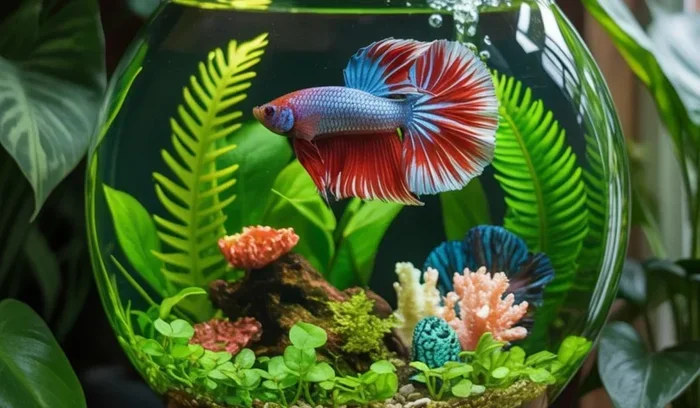
Should you fast betta fish? The short answer is yes — a planned fast can help your betta digest food properly and avoid common health issues like constipation and bloating. Fasting gives your betta’s digestive system a break, helps prevent overfeeding problems, and can even improve water quality in the tank. However, fasting too often or for too long can harm your fish. This guide covers everything you need to know about safely fasting your betta fish, including how often, how long, and when to skip the fast entirely.
Every betta fish owner wants their colorful companion to live a long, healthy life. One question that keeps popping up in fish forums and care guides is should you fast betta fish. The truth is that fasting your betta can offer real benefits — but only when done correctly. Too many beginners either skip fasting entirely or take it too far. Both extremes can cause problems.
If you have ever wondered whether a day without food could actually help your betta, you are in the right place. This guide walks you through everything you need to know. From the science behind betta digestion to practical fasting schedules, we cover it all. Let us dive in and help you make the best decision for your fish.
Key Takeaways
- Fasting helps digestion: A short fast gives your betta fish time to fully process food and clear the digestive tract.
- Overfeeding is a bigger problem: Most betta fish health issues come from too much food, not too little.
- One day per week is ideal: A 24-hour fast once a week is safe and beneficial for most bettas.
- Watch for warning signs: If your betta shows lethargy or loss of color, break the fast immediately.
- Fasting is not starvation: There is a clear difference between a planned fast and neglecting your fish’s nutritional needs.
- Water quality matters during fasts: Uneaten food and waste buildup still affect your tank during fasting days.
- Consult a vet for persistent issues: If constipation or bloating continues, a fast alone may not solve the problem.
📑 Table of Contents
What Does It Mean to Fast a Betta Fish?
Fasting simply means skipping one or more meals on purpose. For betta fish, this usually means not feeding them for 24 hours. A fast gives your betta’s digestive system time to rest and process any remaining food naturally.
Think of it like giving your own stomach a break after a heavy meal. Betta fish have small bodies and short digestive tracts. This means food can move through them pretty quickly. But when you feed them too often, leftover food sits in their gut and causes problems.
Should you fast betta fish? Yes — but only in short, controlled windows. A planned fast is not the same as forgetting to feed your fish for three days. There is a big difference between intentional fasting and neglect.
How Betta Fish Digest Food
Betta fish are carnivores. Their diet in the wild consists of small insects, larvae, and tiny crustaceans. Their digestive systems are built to process small meals throughout the day. In captivity, we tend to overfeed them, which overwhelms their digestion.
When a betta eats more than it can process, the extra food rots inside the tank. This releases ammonia and nitrites into the water. Those chemicals are toxic and can make your fish very sick. A simple fast helps break this cycle.
Why You Might Consider Fasting Your Betta Fish
There are several good reasons to consider adding a fasting day to your betta fish care routine. Let us look at the biggest benefits.
Preventing Constipation and Bloating
Constipation is one of the most common health issues in betta fish. It happens when food builds up in the digestive tract and cannot pass through. A bloated betta looks swollen near the belly, and its scales may stick out like a pinecone.
A fasting day helps clear the digestive system naturally. Without new food coming in, the gut has time to push everything along. Many experienced fish keepers swear by this simple trick.
Reducing Waste and Improving Water Quality
Every uneaten piece of food that sinks to the bottom of the tank adds to the waste load. Betta fish are not big eaters, but even small amounts of leftover food can spike ammonia levels over time.
By skipping one feeding per week, you reduce the amount of debris in the tank. Cleaner water means less stress on your filter and fewer water changes. Your betta stays healthier in a cleaner environment.
Resetting the Appetite
Sometimes bettas lose interest in food for no obvious reason. A short fast can reset their appetite and make them excited about mealtime again. If your betta has been turning its nose up at food for a few days, a planned fast might be exactly what it needs.
Supporting Overall Digestion
Just like humans, fish benefit from a break between meals. Fasting supports healthy gut function and allows the digestive organs to recover. This is especially helpful if you have been feeding your betta a bit too generously.
How Often Should You Fast a Betta Fish?
Now that you understand the benefits, the next question is how often should you fast betta fish. The answer depends on a few factors, including your fish’s age, diet, and overall health.
The Once-a-Week Rule
For most healthy adult bettas, one fasting day per week is perfect. That means skipping one meal every seven days. A 24-hour fast is long enough to help digestion but short enough to avoid any nutritional gaps.
Here is a simple weekly feeding schedule you can follow:
- Monday: Feed small portion
- Tuesday: Feed small portion
- Wednesday: Feed small portion
- Thursday: Fasting day — no food
- Friday: Feed small portion
- Saturday: Feed small portion
- Sunday: Feed small portion
You can shift the fasting day to whatever works best for your schedule. The key is consistency. Your betta will adapt to the routine within a week or two.
Fasting for Young Betta Fish
Baby and juvenile bettas need more frequent feeding because they are still growing. You should not fast young bettas. Wait until your fish is at least four to six months old before introducing a weekly fast.
Young bettas need the extra nutrition to develop properly. Skipping meals during their growth phase can slow down development and weaken their immune system.
Fasting for Senior Betta Fish
Older bettas have slower metabolisms. They do not need as much food as younger fish. A senior betta might benefit from fasting twice a week or even every other day, depending on its condition. Always watch your older fish closely during fasts.
How Long Can You Safely Fast a Betta Fish?
A healthy adult betta can safely go without food for up to three days. However, you should never push it that far unless there is a specific reason. A 24-hour fast is the sweet spot for most situations. Anything beyond 48 hours starts to carry risks.
If you are planning a weekend trip, a one-day fast before you leave can help. Just make sure your fish has eaten well the day before you depart. Should you fast betta fish before a vacation? Yes, a short fast can reduce waste production while you are away.
The Risks of Fasting Your Betta Fish
Fasting is generally safe, but it is not without risks. Understanding these dangers helps you avoid making mistakes.
Malnutrition Over Time
If you fast your betta too often, it will start to lose weight and muscle mass. Betta fish need regular nutrition to maintain their vibrant colors and active behavior. A fast that is too long or too frequent can lead to serious malnutrition.
Stress and Weak Immune System
Going without food for too long puts stress on the body. A stressed betta becomes more vulnerable to diseases like ich, fin rot, and fungal infections. The immune system takes a hit when the body is running low on energy reserves.
Refusing to Eat After the Fast
Some bettas become picky after a fasting period. They might ignore food for a day or two after the fast ends. This is usually temporary, but it can be concerning if it continues.
Not Suitable for Sick or Newly Acquired Fish
If your betta is already sick or has just come home from the pet store, do not fast it. Sick fish need all the nutrition they can get to fight off illness. A new betta needs time to adjust to its new environment before any fasting begins.
Also, if you are treating your betta for a specific health condition, check with a vet before fasting. Some medications need to be given with food to work properly.
How to Fast Your Betta Fish Safely
Now that you know the benefits and risks, let us talk about how to actually do it. Following a few simple rules makes fasting safe and effective.
Step-by-Step Guide
- Feed a normal meal the day before the fast. Give your betta a good portion so it has energy reserves.
- Skip the next feeding completely. Do not give in if your betta begs for food. Bettas are persistent little beggars!
- Monitor your fish closely. Watch for any signs of distress like lethargy or hiding.
- Feed a normal meal after the fast. Resume your regular feeding schedule the next day.
- Keep the water clean. Do a small water change on fasting day to keep conditions optimal.
What to Do If Your Betta Refuses Food After the Fast
Sometimes bettas take a while to get hungry again after a fast. If your fish refuses food for a day or two after the fast ends, do not panic. Try offering a different type of food, such as frozen bloodworms or brine shrimp. Variety can spark the appetite.
You can also try soaking the food in tank water before offering it. This makes it more appealing and easier to eat. If your betta still refuses food for more than three days, it is time to investigate further.
Quick Tips for Safe Fasting
- Always fast on the same day each week for consistency.
- Never fast a betta that is visibly sick or injured.
- Keep the tank temperature stable during the fast. Cold water slows digestion even more.
- Do not fast more than once per week for adult bettas.
- Use the fasting day as an opportunity to check your tank equipment and water parameters.
Signs Your Betta Fish Needs a Break from Food
Not every betta needs a planned fast. Some fish show clear signs that their digestive system needs a rest. Learning to read these signals is an important part of responsible fish keeping.
Swollen or Bloated Belly
A betta with a swollen belly that does not go down after a few hours likely has constipation or bloating. A fasting day can help relieve this naturally. If the swelling persists for more than two days, you may need to look into other causes.
Uneaten Food Sinking to the Bottom
If your betta consistently leaves food uneaten, it is telling you it is full. Adding a fasting day to the schedule can help reset its eating habits and reduce waste in the tank.
Lethargy and Loss of Color
A healthy betta is bright and active. If your fish looks pale and sluggish, overfeeding could be the culprit. A short fast combined with a water change can work wonders. Check your betta fish tank water parameters to rule out other causes.
Floating or Sinking Difficulty
Betta fish that struggle to maintain their position in the water column may have digestive issues. Constipation can cause a betta to float upside down or sink to the bottom. Fasting helps clear the blockage in many cases.
Fasting vs. Regular Feeding: Finding the Right Balance
The goal is not to starve your betta. The goal is to feed it just enough while giving its body time to process everything. Finding the right balance between feeding and fasting is the key to a long, healthy life for your fish.
A good rule of thumb is to feed your betta an amount roughly the size of its eye, twice a day. On fasting days, skip both feedings. This simple approach keeps things manageable and effective.
Pair your fasting routine with proper water care. Regular water changes and a good filter go hand in hand with a healthy feeding schedule. If you are unsure about your filter setup, check out our guide on whether you should use a filter with a betta fish for expert advice.
Also remember that not all foods are created equal. High-quality betta pellets and frozen foods digest better than cheap flakes. Better digestion means less waste, which means fewer fasting days are needed to keep things running smoothly.
If you ever notice persistent health issues despite regular fasting and proper feeding, consult a veterinarian who specializes in fish. Sometimes underlying conditions need medical attention beyond simple dietary adjustments.
Should you fast betta fish? Absolutely — when done correctly, it is one of the simplest and most effective things you can do for your betta’s health. A weekly 24-hour fast supports digestion, reduces waste, and keeps your fish feeling its best. Just remember to keep it consistent, watch for warning signs, and never fast a sick or young fish.
Your betta fish depends on you for its care. Taking a few minutes each week to skip a meal can add years to its life. Start with one fasting day per week, observe how your fish responds, and adjust as needed. A little planning goes a long way toward a happy, healthy betta.
For more tips on keeping your betta in top shape, explore our other care guides on betta fish health and maintenance. Your fish will thank you with vibrant colors and energetic swimming for years to come.
Frequently Asked Questions
How long can a betta fish safely go without food?
A healthy adult betta can safely go without food for up to three days. However, a 24-hour fast is the recommended window for most fish keepers. Going beyond 48 hours should only be done under specific circumstances and with close monitoring of your fish’s condition.
Can fasting cure betta fish constipation?
Fasting can help relieve mild constipation by giving the digestive system time to clear out built-up waste. However, if constipation persists after a fast, you may need to adjust the diet or consult a vet. Soaking food in tank water before feeding can also help prevent future digestive issues.
Should I fast my new betta fish when I bring it home?
No. A new betta fish needs proper nutrition to recover from the stress of transport and adjust to a new environment. Wait at least one to two weeks before introducing any fasting routine. During this settling-in period, focus on offering small, high-quality meals consistently.
Can I skip feeding my betta for a weekend trip?
Yes, most healthy adult bettas can easily skip one or two meals over a weekend. In fact, a light fast before a short trip can reduce waste buildup in the tank. Make sure your fish has eaten well the day before you leave and that your tank conditions are stable.
Will my betta get aggressive if I fast it?
Some bettas may become more active or beg for food during fasting days, but true aggression is rare. Hunger can increase their energy and territorial behavior slightly, but this usually subsides once feeding resumes. Keeping a consistent schedule helps minimize any behavioral changes.
How does fasting affect betta fish water quality?
Fasting actually improves water quality temporarily because there is no new food being introduced into the tank. Less food means less uneaten debris and fewer waste products. However, you should still perform regular water changes and maintain your filter to keep conditions optimal during fasting days.