Should You Fast Baby Betta Fish
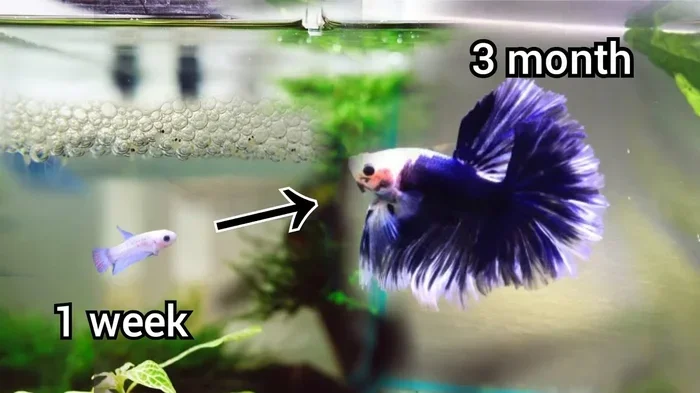
Should you fast baby betta fish? The short answer is yes, but only under the right conditions. Fasting a baby betta fish can help with digestion and prevent serious health issues like constipation and bloating. However, baby bettas have tiny stomachs and high energy needs, so fasting must be done carefully and for short periods only.
You just brought home a tiny, colorful baby betta fish. You want to give it the best care possible. But then you hear about fasting. Should you fast baby betta fish? It is a question many new fish owners ask. The answer is not as simple as yes or no.
Baby betta fish are delicate creatures. They have small stomachs and high energy demands. Their little bodies need fuel almost every day. But sometimes, giving them a break from food can actually help. Fasting is not something to take lightly with baby fish. It requires care, observation, and understanding of your fish’s needs.
In this guide, we will cover everything you need to know about fasting baby betta fish. We will look at why it helps, when to do it, how long to go, and what signs to watch for. By the end, you will feel confident about your feeding decisions.
Key Takeaways
- Baby betta fish can benefit from short fasting periods to help with digestion and prevent constipation.
- Never fast a baby betta for more than one to two days, as they need regular nutrients for healthy growth.
- Signs your baby betta needs a break from food include bloating, constipation, and loss of appetite.
- Always pair fasting with clean water and proper tank conditions to reduce stress on your fish.
- Baby bettas grow fast, so their feeding schedule needs to adjust as they age and develop.
- Consult a fish expert or vet if you are unsure whether fasting is right for your specific fish.
📑 Table of Contents
- What Does It Mean to Fast a Baby Betta Fish?
- How Often Should You Fast a Baby Betta Fish?
- Can You Fast Baby Betta Fish Safely?
- Signs Your Baby Betta Fish Needs a Fast
- How Fasting Helps Baby Betta Fish Digestive Health
- Common Mistakes When Fasting Baby Betta Fish
- Expert Insights on Fasting Baby Betta Fish
- Final Thoughts on Should You Fast Baby Betta Fish
What Does It Mean to Fast a Baby Betta Fish?
Fasting means skipping one or more meals on purpose. For adult bettas, this is a common practice. For baby bettas, it is different. A baby betta fish is still growing. Its body needs constant nutrition to develop properly. So fasting a baby betta is a much more careful process than fasting an adult.
When we talk about fasting baby bettas, we mean a short break from food. This could be one day or up to two days at most. The goal is to give the digestive system a rest. Think of it like giving your own stomach a break after eating too much. The difference is that baby bettas cannot eat for themselves. You are in charge of their food schedule.
Why Do People Fast Baby Betta Fish?
There are several reasons owners consider fasting baby betta fish. Each reason is tied to the fish’s health and well-being. Let us look at the most common ones.
- Preventing constipation: Baby bettas can get constipated just like people. Their tiny stomachs can get blocked if they eat too much or the wrong food. A short fast helps things move along naturally.
- Reducing bloating: If your baby betta looks swollen or puffy, it might be bloated. Fasting gives the stomach time to settle down.
- Resetting appetite: Some baby bettas stop eating for no clear reason. A short fast can reset their hunger and make them excited about food again.
- Improving water quality: Uneaten food ruins water quality fast. Giving your fish a break means less waste in the tank. This keeps the water cleaner and safer.
How Often Should You Fast a Baby Betta Fish?
This is the big question. How often should you fast baby betta fish? The answer depends on the age and health of your fish. There is no one-size-fits-all rule. But here are some clear guidelines to follow.
For very young baby bettas, under two months old, you should avoid fasting altogether. At this stage, they need frequent small meals to grow. Skipping meals can slow their development. Their bodies are still forming, and nutrition is critical.
For baby bettas between two and four months old, you can consider a short fast. Once every one to two weeks is enough. Keep it to just one day. Never go longer than two days with a baby betta. Their small bodies burn through energy quickly.
For older baby bettas approaching four months, you can extend the fast slightly. One to two days is the maximum. But always watch your fish closely during this time. If you notice any signs of distress, feed them right away.
A Sample Feeding and Fasting Schedule
Here is a simple schedule you can follow for your baby betta fish:
- Days 1 through 6: Feed your baby betta small amounts twice a day. Use high-quality baby betta food or brine shrimp.
- Day 7: Skip feeding entirely. This is your fasting day.
- Day 8: Resume normal feeding with small portions.
This weekly rhythm works well for most baby bettas. It gives them a consistent digestive cycle. Their bodies get used to the pattern. And it helps prevent overfeeding, which is one of the biggest problems fish owners face.
Can You Fast Baby Betta Fish Safely?
Safety is the most important part of any fasting plan. The short answer is yes, you can fast baby betta fish safely. But only if you follow the right rules. Let us break down what makes fasting safe versus risky.
The Safe Way to Fast Your Baby Betta
Follow these steps to ensure your baby betta stays healthy during a fast:
- Start slow: If your baby betta has never fasted before, begin with just half a day. See how it reacts. Then slowly work up to a full day.
- Watch the water temperature: Baby bettas need warm water, around 78 to 80 degrees Fahrenheit. Cold water slows their metabolism. This makes fasting harder on their body.
- Keep the tank clean: Before you start a fast, do a small water change. Clean water reduces stress and supports digestion when you resume feeding.
- Observe your fish: Watch your baby betta closely during the fast. Look for normal behavior. If it seems lethargic or stressed, end the fast early.
- Break the fast gently: When the fast is over, offer a small meal. Do not overfeed. A tiny portion of high-quality food is all you need.
When Fasting Is NOT Safe
There are times when you should never fast a baby betta fish. Knowing these situations can save your fish’s life.
- If your baby betta is sick: Sick fish need food to fight off illness. Fasting a sick baby betta can weaken its immune system even more.
- If your baby betta is very young: Newborn or newly hatched bettas should never be fasted. They need constant nutrition to survive their first weeks.
- If your baby betta is underweight: A thin, underweight baby betta needs food, not fasting. Fasting will only make the problem worse.
- After a recent move: Moving to a new tank is stressful for fish. Give your baby betta time to adjust before considering any fasting.
Remember, do baby betta fish die easily when they are not cared for properly? Yes, they can. Fasting the wrong way or at the wrong time can put your baby betta at risk. Always prioritize your fish’s health over any fasting schedule.
Signs Your Baby Betta Fish Needs a Fast
How do you know if your baby betta would benefit from a break from food? Watch for these clear signs. Your fish will tell you if something is off.
Bloating and Swollen Belly
A bloated belly is one of the most common signs that your baby betta needs a fast. If the stomach looks puffy or tight, food is likely moving too slowly through the digestive system. A one-day fast can help relieve this pressure. After the fast, feed a small portion of easily digestible food like baby brine shrimp.
Constipation
Constipation in baby bettas looks like difficulty passing waste. You might notice long, stringy feces that hang from the fish. This is a clear sign of digestive trouble. A short fast gives the intestines time to clear out. Combined with proper hydration and warm water, fasting can resolve constipation quickly.
Loss of Appetite
If your baby betta refuses food for more than a day, a short fast might help. Sometimes fish lose interest in food when their stomach is full of undigested material. A fast resets the appetite. But if your baby betta refuses food for more than two days even after a fast, that is a red flag. Check your water parameters and look for signs of illness.
Lethargy and Unusual Behavior
A healthy baby betta is curious and active. If your fish seems tired, stays at the bottom of the tank, or hides more than usual, something might be wrong. While lethargy can signal many problems, overfeeding is a common cause. Try a one-day fast and see if your baby betta becomes more energetic.
How Fasting Helps Baby Betta Fish Digestive Health
Understanding the digestive system of a baby betta fish helps explain why fasting works. Baby bettas have small, sensitive stomachs. Their digestive tracts are still developing. When they eat too frequently or too much, the system gets overwhelmed.
Fasting gives the stomach and intestines a chance to rest and recover. During a fast, the body uses stored energy. This process also helps clear out any built-up waste. When you resume feeding, the digestive system is ready to work efficiently again.
Think of it like cleaning out a small engine. If you keep adding fuel without running the engine, it gets gunked up. A short break lets everything reset. The same principle applies to your baby betta’s digestive health.
Also, consider that baby betta fish food is designed to be nutrient-dense. A little goes a long way. Overfeeding is very easy to do. Many new fish owners give their baby bettas too much food at each feeding. This leads to leftover food rotting in the tank. The water quality drops. The fish gets sick. Fasting once a week helps prevent this entire cycle.
Common Mistakes When Fasting Baby Betta Fish
Fasting baby betta fish sounds simple, but mistakes happen. Here are the most common ones and how to avoid them.
- Fasting for too long: The biggest mistake is fasting a baby betta for more than two days. Adult bettas can handle longer fasts. Baby bettas cannot. Stick to one or two days maximum.
- Ignoring water quality: Fasting does not mean you skip tank maintenance. In fact, clean water becomes even more important during a fast. Do your regular water changes.
- Overfeeding after the fast: It is tempting to give your baby betta a big meal after a fast. Resist this urge. Start with a small portion and see how your fish responds.
- Fasting without a reason: Do not fast your baby betta just because you read about it. There should be a clear purpose. Whether it is constipation relief or appetite reset, have a goal in mind.
- Skipping the warm water: Cold water slows digestion. Make sure your tank heater is working properly before and during any fast.
One important thing to remember is that how often should you feed a betta fish changes as your fish grows. A baby betta needs more frequent small meals. An adult betta can eat once or twice a day with occasional fasting days. Adjust your approach as your fish matures.
Expert Insights on Fasting Baby Betta Fish
Many experienced betta keepers and aquatic veterinarians agree on one thing: moderation is key. Fasting is a tool, not a routine you should follow blindly. Each baby betta is an individual with its own needs and temperament.
Some experts recommend a weekly one-day fast for all bettas, including babies. Others suggest fasting only when specific health issues arise. The best approach is to know your fish. Watch its behavior, track its eating habits, and adjust accordingly.
If you are new to keeping betta fish, start by reading about baby betta fish care in general. Understanding the full picture of feeding, water quality, tank setup, and health will help you make better decisions about fasting. Knowledge is your best tool as a fish owner.
Also, keep in mind that can you fast betta fish is a common search for a reason. Many owners want to try fasting but worry about the risks. The truth is, when done correctly and in moderation, fasting is safe and even beneficial for baby bettas. The key is to stay informed and stay observant.
Final Thoughts on Should You Fast Baby Betta Fish
So, should you fast baby betta fish? The answer is yes, with care and caution. Fasting baby betta fish can support healthy digestion, prevent constipation, and reset appetite. But it is not something to do without understanding the risks and rewards.
Keep your fasting periods short. One to two days is the safe range for baby bettas. Always monitor your fish during a fast. And never fast a sick, young, or underweight baby betta. Your priority is the health and growth of your little fish.
When in doubt, feed your baby betta. A well-fed baby betta is a happy betta. Fasting is a supplement to good care, not a replacement for it. Keep your water clean, your food high-quality, and your observations regular. Your baby betta will thrive under your care.
Remember that every baby betta is different. What works for one fish might not work for another. Trust your instincts as a fish owner. If something seems off, take action quickly. And never hesitate to reach out to a fish veterinarian or experienced betta keeper for advice.
Frequently Asked Questions
Can fasting harm my baby betta fish?
Fasting can harm a baby betta if done incorrectly. Fasting for too long or fasting a sick or very young fish can cause serious problems. Keep fasts to one or two days maximum and only fast healthy baby bettas. Always observe your fish during the fast and stop if you see signs of distress.
How long can a baby betta fish go without eating?
A healthy baby betta can go one to two days without eating safely. Going beyond two days is risky for a young fish. Baby bettas have small stomachs and need regular nutrients. If your baby betta has not eaten for more than two days, consider feeding a small portion right away.
What should I feed my baby betta after a fast?
After a fast, offer a small portion of high-quality food. Baby brine shrimp or specialized baby betta pellets work well. Do not overfeed. A tiny amount is enough to restart the digestive system. Wait a few hours and offer a second small meal if your fish is hungry.
Do baby betta fish need special food?
Yes, baby bettas need specially formulated food that is small enough for their tiny mouths and rich in nutrients for growth. You can also feed them baby brine shrimp or micro worms. Proper nutrition supports healthy development and strong immune function during their fragile early weeks.
Should I fast my baby betta if it is not eating?
Not necessarily. If your baby betta stops eating, first check the water quality and temperature. Stress, poor water, or illness can cause appetite loss. Try a short fast only if the fish seems bloated or constipated. If the loss of appetite persists, consult a fish expert for guidance.
Can I use fasting to treat constipation in baby bettas?
Yes, a short fast of one day can help relieve constipation in baby bettas. The digestive system gets a chance to clear out. After the fast, feed a small portion of easily digestible food and ensure the water is warm and clean. If constipation continues, you may need to adjust the diet or consult a vet.