Should Betta Fish Need Light
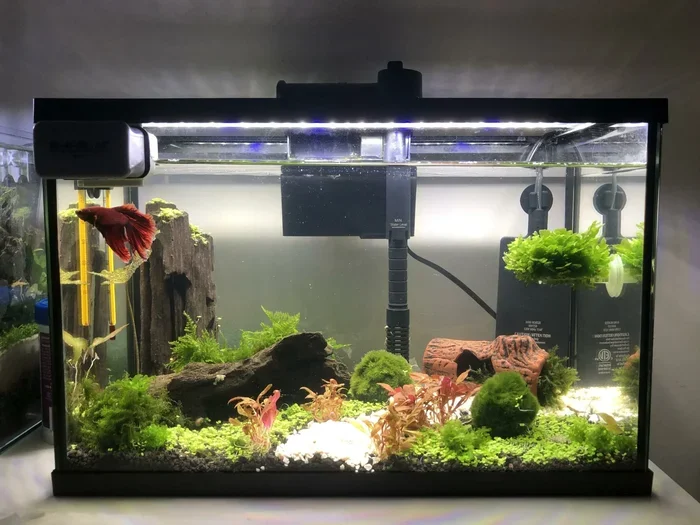
So, should betta fish need light? Yes, they do — but not too much and not too little. Betta fish thrive with a balanced light and dark cycle that mimics their natural habitat. This guide covers everything you need to know about betta fish lighting, from the right amount of light to the best types of aquarium lights.
You might wonder, should betta fish need light. It is a simple question, but the answer is more interesting than you think. Betta fish are not just pretty decorations in a tank. They are living creatures with daily rhythms, preferences, and needs. And light plays a bigger role in their well-being than most people realize.
If you own a betta or are thinking about getting one, understanding betta fish lighting is essential. The right amount of light keeps your fish healthy, active, and colorful. The wrong amount can cause stress, illness, and even shorten your betta’s lifespan. Let us break it all down in a way that is easy to follow.
In this article, we will explore how much light betta fish need, what kind of light works best, and the common mistakes fish keepers make. By the end, you will feel confident about setting up the perfect light schedule for your betta. Whether you are a beginner or a seasoned aquarist, there is something here for you.
Key Takeaways
- Betta fish need light: They benefit from a regular day-night cycle that supports their health and natural behavior.
- 8 to 10 hours of light per day is the ideal range for most betta tanks.
- LED lights are the best choice for betta fish tanks because they are energy-efficient and gentle.
- Too much light causes stress and algae growth, while too little light disrupts sleep patterns.
- A consistent schedule matters more than the type of light you use.
- Never leave the light on 24/7 — betta fish need darkness to rest properly.
📑 Table of Contents
Why Should Betta Fish Need Light?
Light is not just for you to see your fish. It serves real biological purposes for your betta. In the wild, bettas live in shallow, warm waters in Southeast Asia. They experience natural sunlight during the day and darkness at night. This day-night cycle regulates their body functions.
Here is why light matters for your betta fish:
- Circadian rhythm: Just like humans, bettas have an internal clock. Light helps set this clock and keeps their body running on a healthy schedule.
- Color enhancement: Proper lighting makes your betta’s colors pop. A well-lit tank shows off those beautiful fins and scales.
- Plant health: If you have live plants in your betta tank, they need light to photosynthesize. Healthy plants mean better water quality.
- Behavior and mood: Betta fish are more active and alert during light hours. They rest and relax in the dark.
So when you ask yourself should betta fish need light, the answer is clearly yes. But the key is balance. Too little or too much light both cause problems.
What Happens Without Light?
Betta fish kept in complete darkness can become stressed and disoriented. They may lose their vibrant colors over time. Without a proper light and dark cycle, their sleep patterns get disrupted. A fish that never experiences daylight can become lethargic and stop eating.
Think of it this way. Imagine living in a room with no windows. You would feel off, right? Your body would not know when to wake up or when to sleep. Betta fish feel the same way. They need a natural sense of day and night to stay healthy.
How Much Light Do Betta Fish Actually Need?
The ideal betta fish lighting schedule is simple. Give your betta 8 to 10 hours of light per day. This mimics the natural daylight they would experience in their native habitat. Anything beyond 12 hours of light is too much and can harm your fish.
Here is a quick breakdown of a good daily light schedule:
- Morning light: Turn the light on in the morning. This signals the start of the day.
- Daytime: Keep the light on for 8 to 10 hours total.
- Evening darkness: Turn the light off at night. This allows your betta to rest.
Consistency is more important than precision. Try to turn the light on and off at the same time every day. Your betta will adjust and thrive with this routine. If you are often away, consider using a timer for your aquarium light. It takes the guesswork out of the equation.
Can You Give Betta Fish Too Much Light?
Yes, absolutely. Overexposure to light is a real problem. When you leave the tank light on for too long, several things go wrong. Algae grows rapidly and can take over your tank. Your betta becomes stressed because it cannot find a dark spot to rest. Over time, this stress weakens the immune system.
If you are concerned about too much light, check out this guide on can you give betta fish too much light for more detailed advice.
The Best Types of Light for Betta Fish
Not all lights are created equal. The type of light you choose for your betta tank matters a lot. Let us look at the most common options and see which one works best.
LED Lights
LED lights are the gold standard for betta fish tanks. They are energy-efficient, produce very little heat, and come in a range of colors and intensities. Most aquarium LED lights are designed to be gentle on fish eyes. They also last a long time, which saves you money in the long run.
When choosing an LED light, look for one with adjustable brightness. This lets you control the intensity and avoid overexposing your betta. Some LED lights even come with built-in timers, which is a huge plus.
Fluorescent Lights
Fluorescent lights are another option. They work well for basic tanks and are widely available. However, they produce more heat than LEDs and may not be as energy-efficient. For a simple betta setup, fluorescent lights get the job done but are not the best long-term choice.
Incandescent Lights
Avoid incandescent lights if you can. They generate a lot of heat and can raise the temperature of your tank. Bettas need warm water, but not warmer than 78 to 80 degrees Fahrenheit. An incandescent bulb can push the temperature too high and create a dangerous environment for your fish.
Natural Light From Windows
You might think placing your tank near a window is a good idea. It is not. Direct sunlight causes rapid algae growth and temperature swings. The light is also uneven, creating hot spots and cold spots in the tank. Stick with artificial aquarium lights for the best results.
Comparing Light Types for Betta Fish
| Light Type | Heat Output | Energy Efficiency | Best For |
|---|---|---|---|
| LED | Low | High | Betta tanks, planted tanks |
| Fluorescent | Medium | Medium | Basic freshwater tanks |
| Incandescent | High | Low | Not recommended for bettas |
| Natural Sunlight | High | N/A | Avoid for aquariums |
Based on this comparison, LED lights are clearly the best option for your betta fish tank lighting. They are safe, efficient, and give you full control over the light environment.
Common Mistakes With Betta Fish Lighting
Even experienced fish keepers make mistakes with lighting. Here are the most common ones and how to avoid them.
Leaving the Light On 24/7
This is the biggest mistake. Fish need darkness to sleep. If the light stays on all the time, your betta will become exhausted. It may start hiding more or showing signs of stress. A fish that cannot rest properly will get sick over time.
If you forget to turn the light off, consider getting a timer plug for your aquarium light. It costs just a few dollars and does the work for you.
Using the Wrong Light Intensity
Betta fish eyes are sensitive. Very bright lights can scare them and make them feel unsafe. If your betta constantly hides or darts away from the light, it might be too intense. Choose a light with adjustable settings so you can dial it down to a comfortable level.
Ignoring the Day-Night Cycle
Some fish keepers set the light randomly. One day it is on for 6 hours, the next day for 14. This inconsistency confuses your betta and disrupts its internal clock. Always stick to a regular schedule. Your fish will thank you for it.
Forgetting About Algae
Too much light feeds algae. If you notice green slime building up on your tank walls, the first thing to check is your light schedule. Reduce the hours of light and see if the algae growth slows down. Regular water changes also help keep algae under control.
Signs Your Betta Fish Is Getting Too Much or Too Little Light
Your betta will tell you if something is wrong with its lighting. You just need to know what to look for.
Signs of too much light:
- Your betta hides frequently or stays in dark corners
- Algae growth spikes quickly
- The fish seems restless or stressed
- Colors appear faded
Signs of too little light:
- Your betta seems lethargic and inactive
- Colors lose their vibrancy
- The fish has trouble maintaining its sleep cycle
- Live plants in the tank start to die
If you notice any of these signs, adjust the light schedule for your betta right away. Small changes can make a big difference in your fish’s health and happiness.
Expert Insight: The Role of Light in Betta Fish Health
Light is not just about visibility. It directly affects your betta’s stress levels, immune system, and overall mood. A well-lit tank with a consistent schedule promotes natural behavior. Your betta will swim more, explore more, and show off its colors more. On the flip side, poor lighting leads to a stressed, sick fish that hides all day.
Think of the light schedule as part of the foundation of a healthy tank. Along with proper filtration, the right temperature, and good food, proper lighting rounds out the care your betta needs to thrive.
Setting Up the Perfect Light Schedule for Your Betta Tank
Now that you know how much light your betta needs and what type of light to use, let us talk about putting it all together. Setting up the perfect light schedule is easy and takes just a few minutes.
Here is a step-by-step guide:
- Choose an LED aquarium light with adjustable brightness.
- Set a consistent on-off time. For example, turn the light on at 8 AM and off at 6 PM.
- Use a timer if needed. This ensures the schedule stays consistent even when you are away.
- Observe your betta for a few days. Watch for signs of comfort or stress.
- Adjust as needed. If your betta seems stressed, try dimming the light slightly or reducing the hours.
Keep in mind that every betta is a little different. Some fish prefer slightly dimmer light, while others are more active under brighter conditions. Watch your individual fish and adjust accordingly. The goal is to create a comfortable, natural environment that supports your betta’s health.
If you are curious about whether betta fish can sleep with the light on, check out this helpful guide on can betta fish sleep with the light on for more insight.
Quick Tips for Betta Fish Lighting
- Keep the light on for 8 to 10 hours daily
- Use LED lights with adjustable brightness
- Never place the tank in direct sunlight
- Use a timer to maintain consistency
- Watch for algae growth as a sign of too much light
- Give your betta at least 8 hours of darkness every night
- Avoid fluorescent and incandescent lights when possible
Conclusion
So, should betta fish need light? The answer is a clear yes. Betta fish need light to maintain their health, mood, and natural rhythms. But the key is balance. Give them 8 to 10 hours of light per day, use gentle LED lights, and keep a consistent schedule. Avoid the common mistakes that fish keepers make, and your betta will live a happy, healthy life.
Lighting might seem like a small detail, but it makes a huge difference. Take the time to set up the right betta fish tank lighting and watch your fish thrive. A well-lit tank is a happy tank, and a happy tank means a happy fish keeper.
Now that you know the basics, you are ready to create the perfect lighting setup for your betta. Your fish will thank you with vibrant colors, active behavior, and a long, healthy life.
Frequently Asked Questions
Do betta fish need light at night?
No, betta fish do not need light at night. In fact, they need darkness to rest and sleep properly. Keeping the light on 24 hours a day disrupts their sleep cycle and causes stress. Turn off the tank light at night and give your betta at least 8 hours of darkness.
Can betta fish see in the dark?
Betta fish have limited vision in complete darkness. They rely on their day-night cycle to know when to be active and when to rest. A dark tank at night is natural and healthy for your betta. If you want to observe your fish at night, use a dim blue moonlight LED designed for aquariums.
What color light is best for betta fish?
White LED lights are the best choice for betta fish tanks. They provide clear, natural-looking illumination without being too harsh. Some fish keepers also use blue lights for nighttime viewing, but the main lighting should always be a full-spectrum white LED.
How many hours of light should a betta fish tank have?
Aim for 8 to 10 hours of light per day. This range mimics natural daylight and keeps your betta’s internal clock healthy. More than 12 hours of light can lead to stress, algae overgrowth, and sleep disruption. Consistency in the schedule matters more than the exact number of hours.
Can a regular lamp be used to light a betta fish tank?
It is not recommended. Regular lamps are not designed for aquariums and may produce too much heat or uneven light. Aquarium-specific LED lights are safer, more efficient, and provide the right spectrum for your betta. A proper aquarium light also helps support live plants if you have them in the tank.
Does light affect betta fish color?
Yes, light directly affects how vibrant your betta’s colors appear. Proper lighting enhances reds, blues, and greens in your fish’s scales and fins. Too little light can make colors look dull, while too much light can cause stress that fades the colors over time. A balanced lighting setup keeps your betta looking its best.