Is Wild Caught or Farmed Fish Better
Choosing between wild caught and farmed fish matters more than most betta owners realize. Wild caught fish often offers superior nutrition and fewer contaminants, while farmed fish provides consistency and affordability. This guide breaks down the real differences so you can pick the best option for your betta’s health and your values.
When it comes to feeding your betta fish, the debate over wild caught vs farmed fish is one that every owner should understand. You want the best for your colorful companion, and that starts with knowing what’s in their food. The source of the fish in your betta’s diet can affect everything from their vibrant colors to their long-term health.
The question of is wild caught or farmed fish better doesn’t have a simple yes or no answer. Both options come with pros and cons. Wild caught fish tends to have a more natural nutrient profile, while farmed fish offers convenience and lower costs. Let’s dive deep into what really matters for your betta.
Understanding the differences helps you become a more confident and informed fish owner. Whether you’re a beginner setting up your first tank or a seasoned betta enthusiast, this guide covers everything you need to know about choosing the right fish food and understanding where it comes from.
Key Takeaways
- Wild caught fish generally has higher omega-3 levels and fewer additives, making it a top choice for betta nutrition.
- Farmed fish is more affordable and widely available, but may contain higher levels of contaminants and antibiotics.
- Environmental impact differs significantly between the two, with wild caught fishing affecting ocean ecosystems and farming affecting waterways.
- Nutritional content varies based on diet, habitat, and farming practices, making quality sourcing essential either way.
- Reading labels and understanding sourcing claims helps you make informed decisions at the pet store or supermarket.
- Both options can be good choices when you know what to look for and where to buy.
📑 Table of Contents
What Is Wild Caught Fish?
Wild caught fish comes from natural bodies of water like oceans, rivers, and lakes. These fish live in their natural habitat and eat what they would naturally consume. For betta fish owners, this means the fish used in food sources grew up in environments closer to what bettas would experience in the wild.
When you see “wild caught” on a label, it means the fish was caught from its natural environment rather than raised in captivity. This is important because the diet and lifestyle of the fish directly impact its nutritional value. Fish that swim freely and eat a varied natural diet tend to develop richer flavor and better nutrient profiles.
Nutritional Benefits of Wild Caught Fish
Wild caught fish typically contains higher levels of omega-3 fatty acids. These essential fats play a crucial role in your betta’s immune system, inflammation response, and overall vitality. Because wild fish eat a diverse diet of smaller fish, plankton, and insects, they build up a more complete nutritional profile.
Here are some key nutritional advantages of wild caught fish:
- Higher omega-3 content compared to farmed counterparts
- Lower levels of artificial additives and preservatives
- More natural coloration from carotenoids found in wild diets
- Better protein quality due to natural growth patterns
- Fewer antibiotics and chemicals in the tissue
For betta fish, which are natural predators that thrive on protein-rich diets, these nutritional benefits translate directly into better health and more vibrant colors. When you compare farmed fish vs wild fish, the wild option often comes out ahead in nutritional density.
What Is Farmed Fish?
Farmed fish is raised in controlled environments like ponds, tanks, or ocean pens. Fish farming, also known as aquaculture, has grown massively over the past few decades. It now supplies a significant portion of the fish consumed worldwide, including fish used in pet foods.
Farmed fish are fed controlled diets designed to promote rapid growth and consistent size. While this makes production efficient and keeps costs down, it also means the nutritional profile can differ from wild fish. The feed given to farmed fish often includes grains, soy, and processed ingredients that don’t mirror a natural fish diet.
The Pros and Cons of Farmed Fish
Farmed fish isn’t all bad. In fact, it has some genuine advantages that make it a popular choice for many betta owners. Let’s look at both sides honestly.
Advantages of farmed fish:
- More affordable and widely available
- Consistent quality and supply year-round
- Less pressure on wild fish populations
- Controlled production reduces some contamination risks
- Easier to source for commercial pet food manufacturers
Disadvantages of farmed fish:
- Often lower in omega-3 fatty acids
- May contain antibiotics and pesticides
- Higher levels of omega-6, which can promote inflammation
- Potentially more contaminants like PCBs and dioxins
- Less natural diet leads to lower nutritional value
The farmed fish and the environment debate is complex. While farming reduces pressure on wild stocks, it can create water pollution and habitat destruction if not managed responsibly. Some farms use open-net pens that allow waste and chemicals to flow into surrounding ecosystems, which is a real concern for environmentalists.
Comparing Wild Caught and Farmed Fish
The differences between wild caught and farmed fish go beyond just nutrition. Let’s break down the key comparison areas so you can see the full picture clearly.
Nutritional Comparison
The nutritional gap between wild and farmed fish is significant enough to matter for your betta’s health. Wild fish generally offers a superior fatty acid profile and fewer unwanted substances.
| Nutrient | Wild Caught | Farmed |
|---|---|---|
| Omega-3 Fatty Acids | Higher | Lower |
| Omega-6 Fatty Acids | Lower | Higher |
| Protein Quality | Excellent | Good |
| Artificial Additives | None | Possible |
| Antibiotics | None | Possible |
| Contaminant Levels | Variable | Generally higher |
| Natural Diet | Yes | No |
Environmental Impact
When you ask is farmed fish better than wild fish from an environmental standpoint, the answer depends on what you prioritize. Wild caught fishing can lead to overfishing and bycatch, which harms marine ecosystems. On the other hand, poorly managed fish farms can pollute waterways and spread disease to wild populations.
The best choice for the environment is to look for sustainably sourced options regardless of whether they are wild or farmed. Certifications like MSC (Marine Stewardship Council) for wild fish and ASC (Aquaculture Stewardship Council) for farmed fish help you identify responsible sources.
Taste and Texture
Most fish experts agree that wild caught fish has a more complex and satisfying flavor. The varied natural diet gives wild fish a richer taste that many people and fish find more appealing. Farmed fish, while milder, can sometimes taste bland or “fishy” in an unpleasant way due to their controlled diets.
For betta fish, taste matters less than nutrition, of course. But if you’re preparing homemade fish food or feeding live foods, the quality of the source fish directly impacts what your betta receives.
How to Choose the Best Fish for Your Betta
Choosing the right fish food involves more than just picking the cheapest option off the shelf. Here are practical steps to help you make the best decision for your betta’s health.
Read the Ingredient Labels Carefully
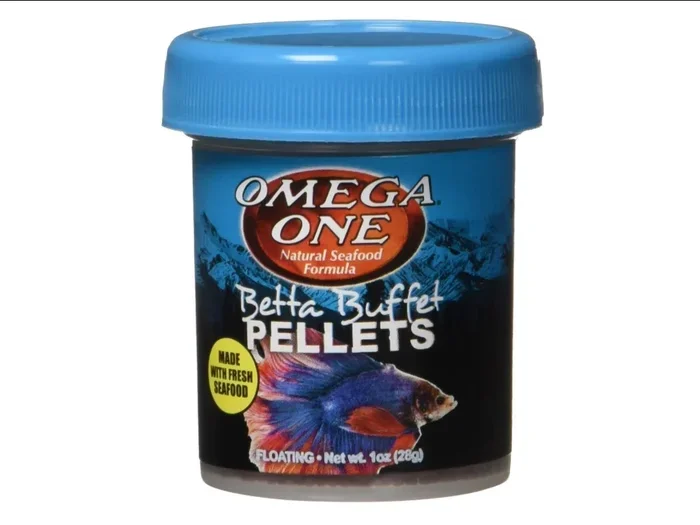
Always check the ingredient list on fish food packaging. Look for specific fish species rather than vague terms like “fish meal.” The better brands will tell you exactly what kind of fish is used and where it came from. If the label says “wild caught” or lists a specific species, that’s a good sign.
Watch out for fillers like corn, wheat, and soy. These are cheap ingredients that provide little nutritional value for carnivorous bettas. Your betta needs protein-rich foods that closely match what they would eat in their natural habitat.
Look for Quality Certifications
Third-party certifications are your best friend when shopping for fish food. Look for labels like:
- MSC Certified for wild caught fish
- ASC Certified for responsibly farmed fish
- Friend of the Sea for sustainable seafood
- Non-GMO Project Verified for ingredient quality
These certifications mean independent organizations have verified the claims on the label. They take much of the guesswork out of shopping for quality fish food.
Consider Your Budget
Let’s be realistic. Quality fish food costs more, and that’s okay. You don’t have to buy the most expensive option available. Even choosing a mid-range brand that uses wild caught ingredients can make a noticeable difference in your betta’s health and coloration.
If budget is a concern, consider alternating between premium wild caught food and a good quality farmed option. This gives your betta variety while keeping costs manageable. The key is avoiding the cheapest options that use low-quality fillers and unspecified fish sources.
Common Mistakes to Avoid
Even experienced betta owners can make mistakes when it comes to choosing fish food. Here are the most common pitfalls to watch out for.
- Assuming all fish food is the same. The source and quality of ingredients vary enormously between brands. A $20 bag of food is not the same as a $5 bag.
- Ignoring the ingredient list. Marketing claims on the front of the package mean nothing if the ingredients don’t back them up. Always flip the bag over and read the fine print.
- Overfeeding. Even the best quality food won’t help if you’re feeding too much. Betta fish have small stomachs and should be fed small amounts once or twice a day.
- Sticking to only one food type. Variety in diet leads to better nutrition. Rotate between different high-quality foods to give your betta a balanced intake of nutrients.
- Buying from unreliable sources. Discount stores and unknown online sellers may carry expired or low-quality products. Stick to reputable brands and authorized retailers.
Expert Insights on Fish Quality for Betta Health
Veterinary nutritionists who specialize in aquatic animals consistently emphasize the importance of diet quality for betta fish. Since bettas are obligate carnivores, they need animal-based protein sources that are rich in essential amino acids and fatty acids.
When possible, choosing wild caught fish based foods provides the closest approximation to a betta’s natural diet. In the wild, bettas feed on small insects, larvae, and tiny fish found in shallow waters. Replicating this protein-rich, varied diet in captivity is the gold standard for betta nutrition.
That said, reputable farmed fish operations have improved dramatically in recent years. Some farms now use advanced feeding techniques that boost omega-3 levels and reduce contaminants. The key is doing your research and choosing brands that prioritize quality and transparency.
If you’re ever unsure about a particular brand or food type, consult with a veterinarian who specializes in fish health. They can help you identify the best dietary choices for your specific betta based on their age, health status, and activity level.
Why Wild Caught Fish Is Often the Better Choice
The evidence strongly supports why wild caught fish is better in most cases when it comes to betta nutrition. Wild fish develop their nutritional profile through natural feeding patterns, resulting in a cleaner, more bioavailable source of essential nutrients. For a carnivorous fish like the betta, this natural nutrition is ideal.
Wild caught fish also tends to have fewer contaminants when sourced from clean waters. While mercury and other pollutants can be a concern in some wild fish, the levels are generally lower than the combination of antibiotics, pesticides, and industrial contaminants found in some farmed fish. Choosing wisely sourced wild caught options gives you peace of mind about what your betta is eating.
For betta enthusiasts who want to give their fish the absolute best, investing in higher quality wild caught based foods is one of the most impactful decisions you can make. The difference in color intensity, energy levels, and overall vitality can be remarkable when you upgrade your betta’s diet.
Final Thoughts
The debate between wild caught and farmed fish comes down to a balance of nutrition, cost, and values. For most betta owners who want the best possible care for their fish, wild caught fish offers clear advantages in nutrition, purity, and natural diet alignment. However, quality farmed options can also serve your betta well when chosen carefully.
Remember that the best fish food is one that uses high-quality ingredients, provides complete nutrition, and comes from a transparent source. Whether you choose wild caught or farmed, what matters most is that the food meets your betta’s specific dietary needs as a carnivorous species.
Take the time to research brands, read labels, and understand where your fish food comes from. Your betta will reward you with vibrant colors, active behavior, and a long healthy life. The effort you put into choosing quality food today pays off in a happier, healthier fish tomorrow.
Frequently Asked Questions
Is wild caught fish always better than farmed fish for bettas?
In most cases, yes. Wild caught fish offers higher omega-3 levels and fewer additives, which aligns well with a betta’s natural carnivorous diet. However, some well-managed farms produce high-quality fish food that can also meet your betta’s needs. The key is checking the ingredient quality and sourcing regardless of whether it’s wild or farmed.
Can farmed fish be harmful to betta fish?
Poorly sourced farmed fish can contain higher levels of antibiotics, pesticides, and contaminants that may affect your betta’s health over time. However, farmed fish from reputable sources with proper certifications is generally safe. Always look for quality brands and avoid the cheapest options with vague ingredient lists.
How can I tell if my betta’s food uses wild caught fish?
Check the ingredient label for specific mentions of “wild caught” or the species name with a clear origin. Reputable brands will proudly state their sourcing practices. If the label is vague or only says “fish meal” without specifics, it’s likely using farmed or unspecified sources.
Does wild caught fish food cost significantly more?
Wild caught based fish foods typically cost more than farmed alternatives, but the price difference varies by brand. You can find quality wild caught options at mid-range prices by choosing reputable brands. The extra cost is usually worth it for the improved nutrition and better ingredient quality your betta receives.
What’s the best way to mix wild caught and farmed fish foods?
Alternating between a high-quality wild caught food and a reputable farmed option is a great strategy. Feed wild caught based food as the primary meal and use farmed food as a supplement or rotation option. This provides variety while keeping costs reasonable and ensuring your betta gets a broad range of nutrients.
Are there specific certifications I should look for on fish food labels?
Yes, look for MSC certification for wild caught fish and ASC certification for farmed fish. Friend of the Sea and Non-GMO Project Verified labels are also good indicators of quality. These certifications mean independent organizations have verified the claims, giving you confidence in what you’re feeding your betta.